

Mahogany Locking Chest
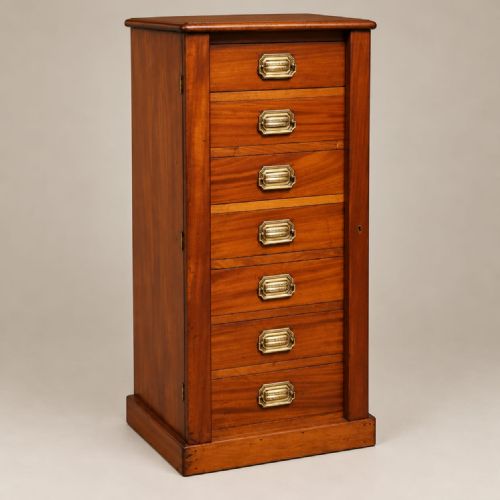
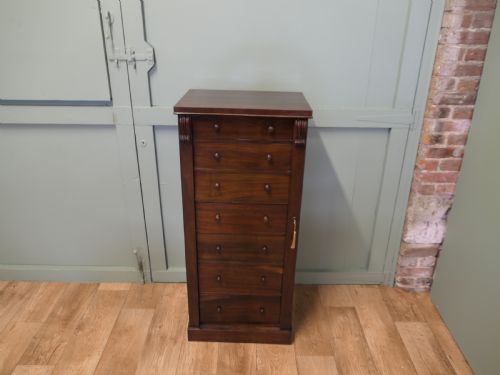
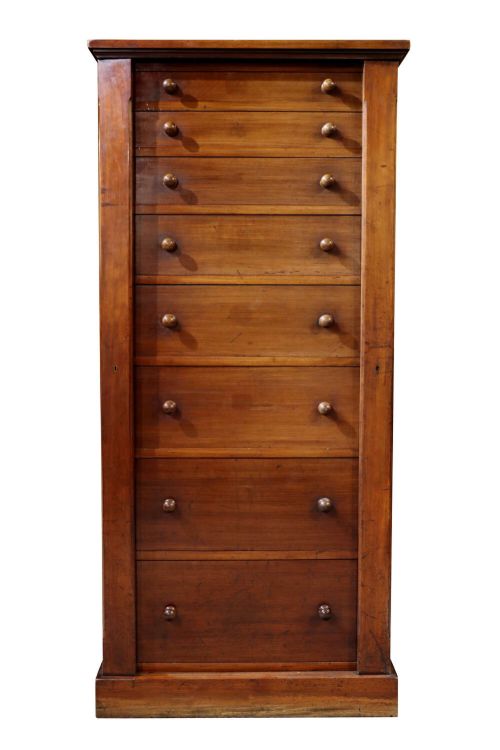
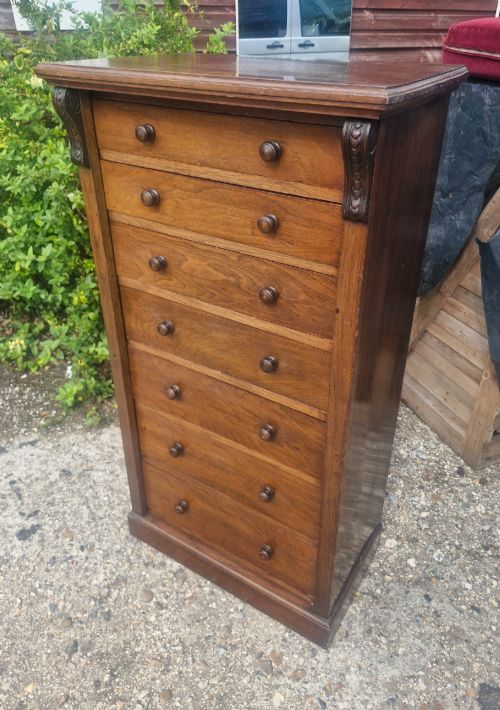
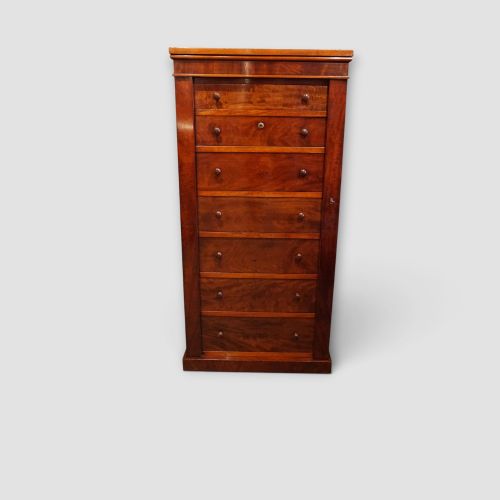
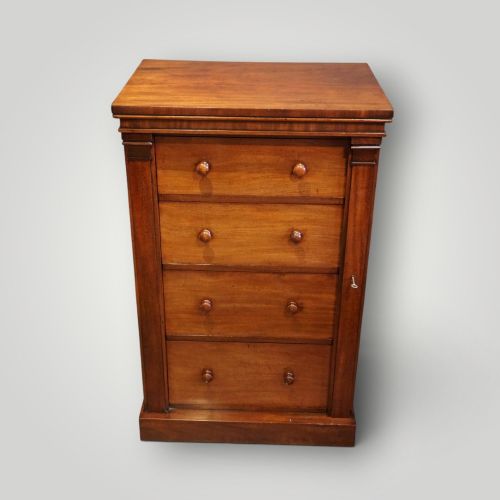
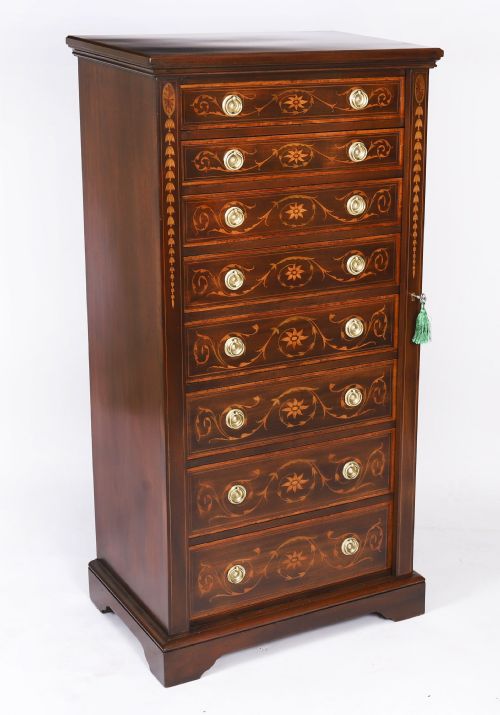
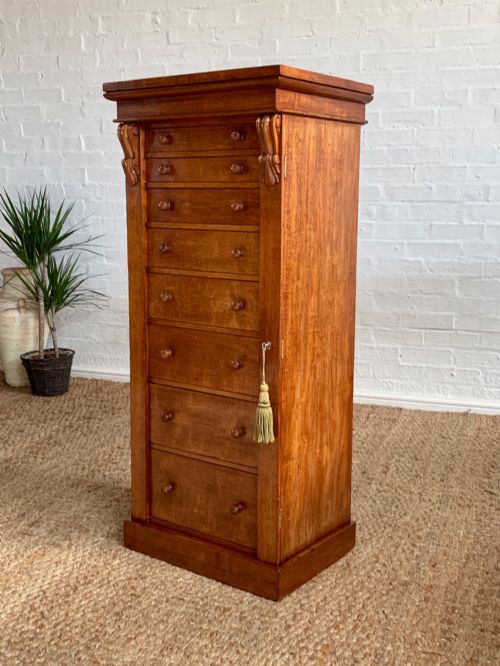
A mahogany locking chest secures your valuables behind a vertical locking flap, combining tall proportions with clever mechanisms.
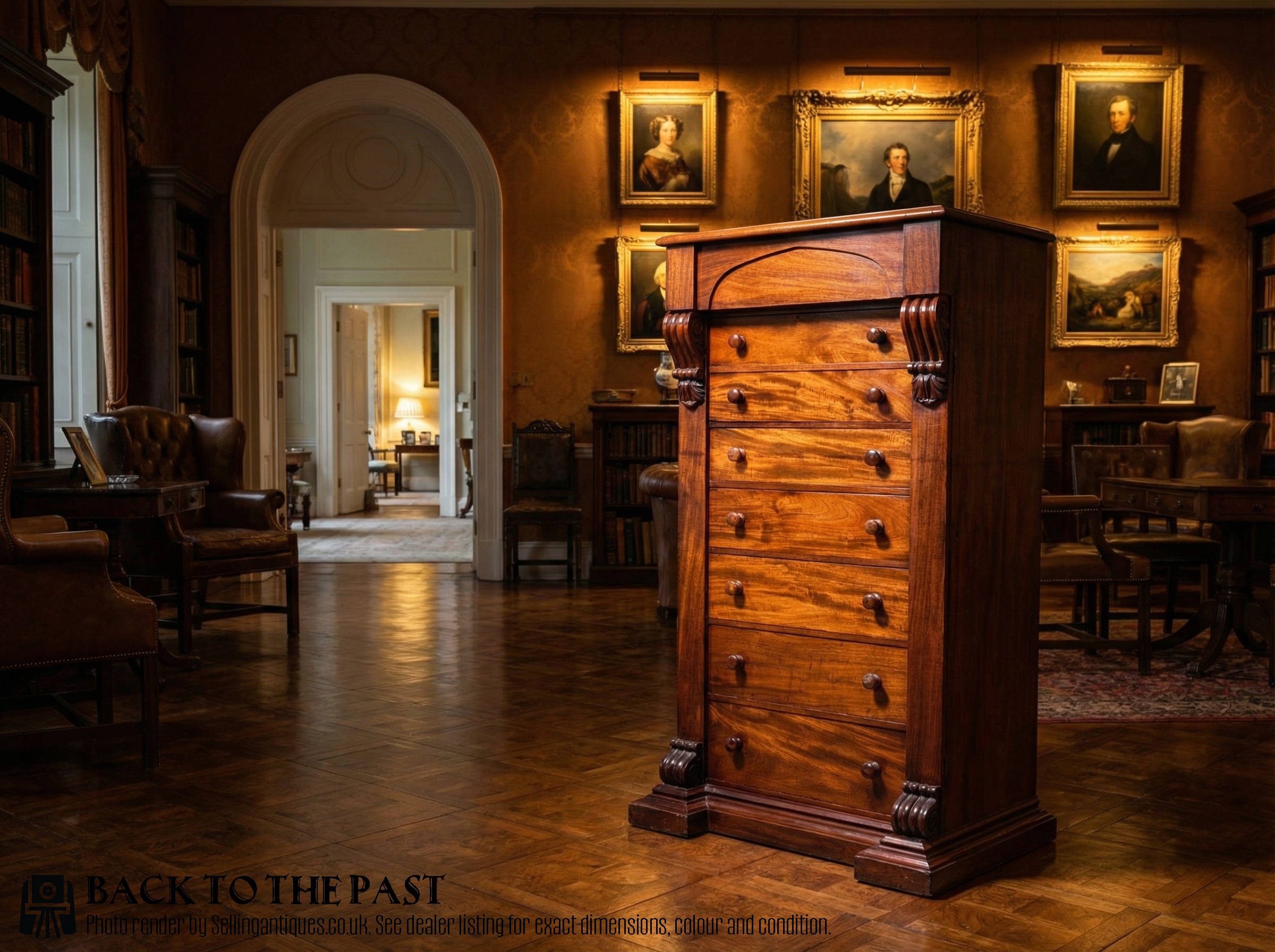
Mahogany Locking Chest
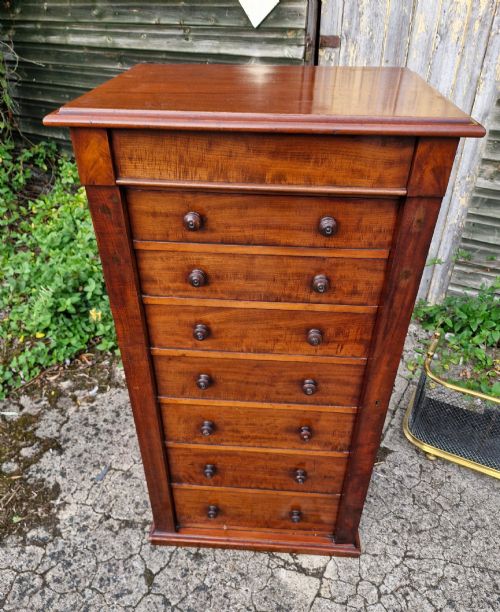
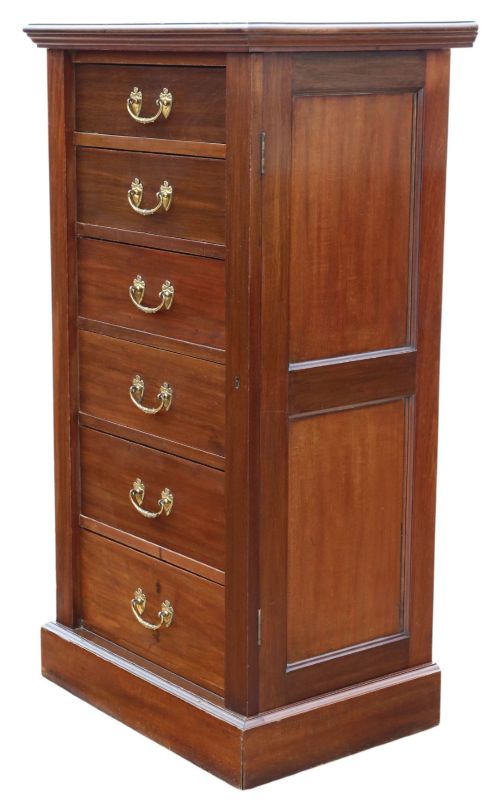
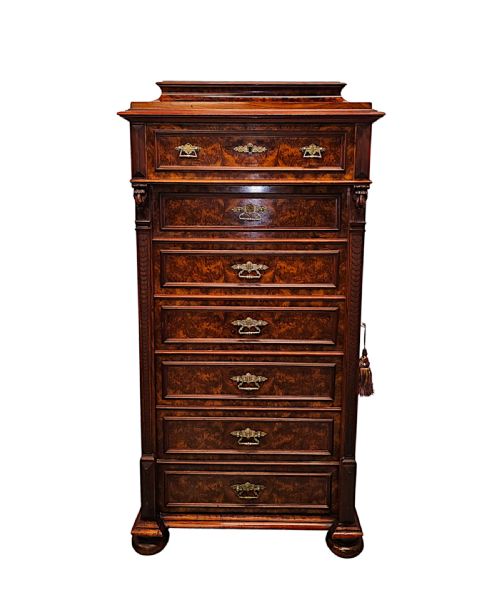
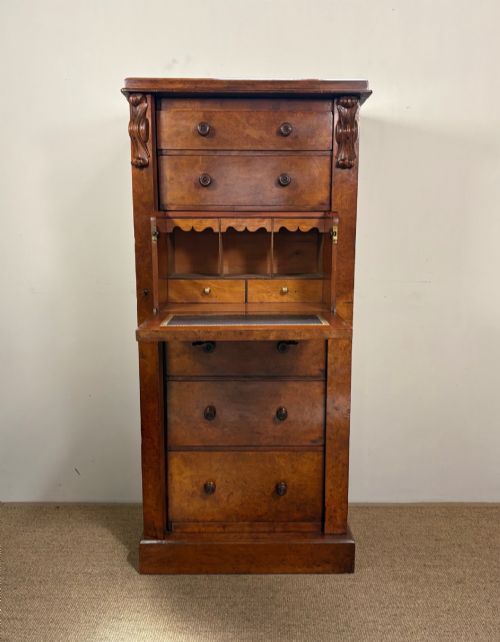
When you examine a mahogany locking chest, you generally encounter a tall Wellington chest designed with multiple drawers and a hinged side pilaster that secures them all in place. These pieces span Georgian, Regency, and Victorian periods, often presenting narrow, space-saving profiles that accommodate tight domestic settings.
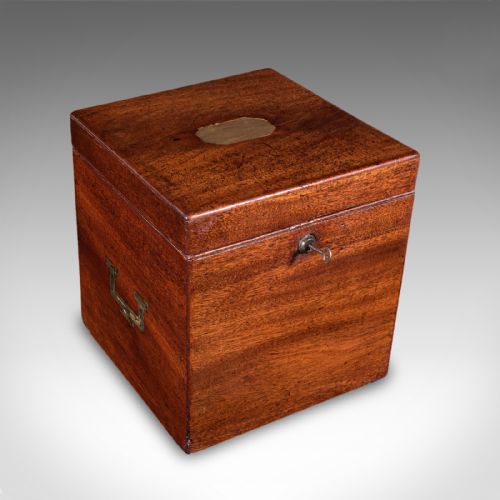
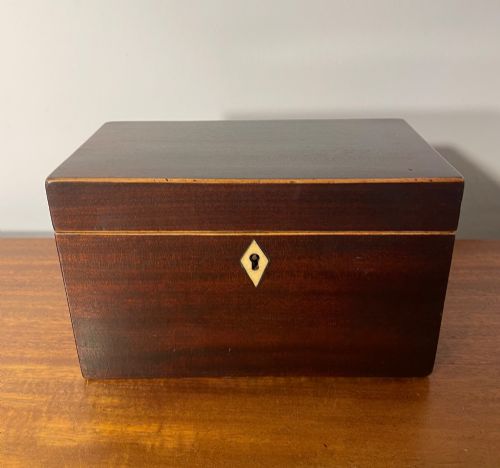
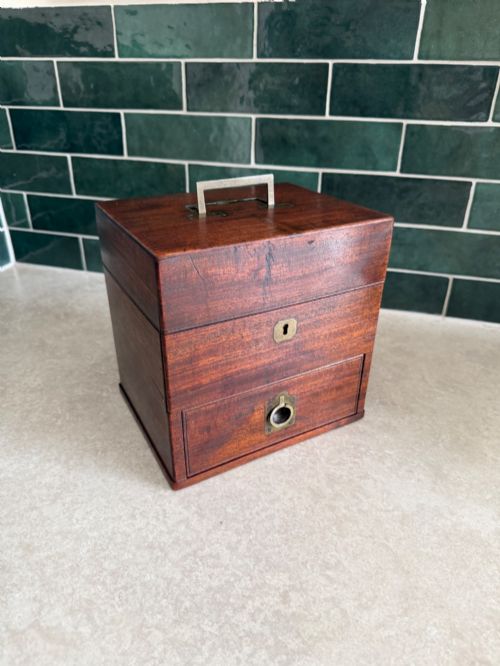
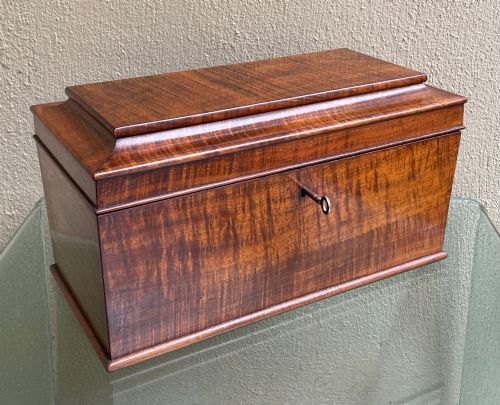
The selection also includes smaller variations such as miniature chests of drawers, apothecary boxes, and tea caddies equipped with working keys or secret compartments. Such variations demonstrate how cabinetmakers applied locking mechanisms across diverse domestic objects during the eighteenth and nineteenth centuries.
Materials and construction
Workshops utilised solid mahogany alongside flame mahogany veneer, burr walnut, and figured mahogany to achieve rich grain patterns on drawer fronts and surfaces. Secondary timbers like satinwood and walnut occasionally appear in interior fittings and stringing details.
Makers integrated brass hardware, including drop handles, escutcheons, and locking mechanisms, alongside turned wooden knobs. Structural integrity relies on tight dovetail joints for the drawers and robust framing to support the heavy locking flaps.
Mahogany Locking Chest Retail Price Guide 2026
Typical asking prices for mahogany locking chest among the pieces listed under this phrase on Sellingantiques today, from the lower quarter to the upper quarter. They describe what is for sale here now, not the wider market.
Several miniature chests appear alongside full-size pieces, proving that cabinetmakers spent equal effort locking up very small secrets.
Factors of quality
The degree of refinement rests heavily on the choice of timber, with highly figured flame mahogany veneer or fiddleback grain elevating visual impact far beyond plain stock. Superior examples display meticulous book-matching across drawer tiers and precise matching of grain along the locking stile.
Mechanical execution distinguishes finer items, specifically the smooth action of the secret lock and the precise fit of the hinged flap against the drawer stack. Original turned knobs, intact brass locks with functioning keys, and minimal timber replacement preserve the integrity expected by discerning buyers.
J Shoolbred
The Mahogany Locking Chest Glossary
- Wellington chest
- A tall, narrow chest of drawers featuring a hinged locking flap on one side that secures the entire stack when locked. This specific form originated in the nineteenth century to maximise storage in modest spaces.
- Flame mahogany veneer
- A thin slice of wood cut from the fork of a mahogany tree to create a distinctive, flickering flame pattern. Cabinetmakers applied this to primary display surfaces for decorative depth.
- Secretaire
- A desk or drawer fitted with a drop-down flap that reveals a writing surface and small interior compartments. These often incorporate secret locking mechanisms concealed within the cabinetry.
- Escutcheon
- A protective plate surrounding a keyhole, usually fashioned from brass. It guards the surrounding wood from wear caused by repeated use of the key.
- Fiddleback
- A variety of figured timber displaying cross-grain ripples resembling the back of a violin. This material was selected for high-status furniture due to its shimmering optical quality.
Mahogany Locking Chest: Frequently Asked Questions
Why are these chests so narrow?
Cabinetmakers designed these tall, slender chests to fit into narrow bedroom gaps between windows and wardrobes. The vertical format provided substantial storage capacity without occupying excessive floor space.
Victorian and Edwardian homes utilised this form extensively to maximise storage in urban rooms.
What is figured mahogany?
Figured mahogany refers to timber harvested from specific parts of the tree, such as branches or junctions, that exhibit natural grain distortions. These patterns create rich visual movement across the drawer fronts.
Craftsmen prized these boards for the most prominent exterior surfaces of quality furniture.
How do I care for antique mahogany?
Keep wooden pieces away from direct sunlight and radiators to prevent the dry air from splitting the timber or cracking the veneer. Apply a traditional wax polish occasionally to nourish the surface and maintain its lustre.
Avoid using silicone-based sprays, which can penetrate old finishes and damage the patina.