

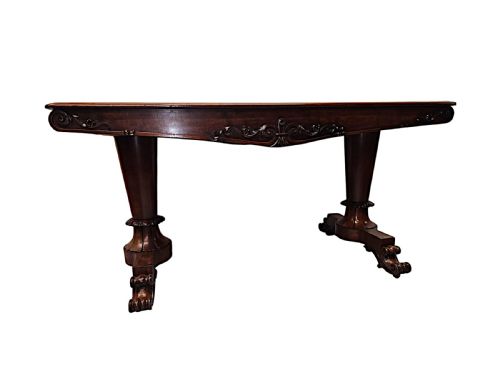
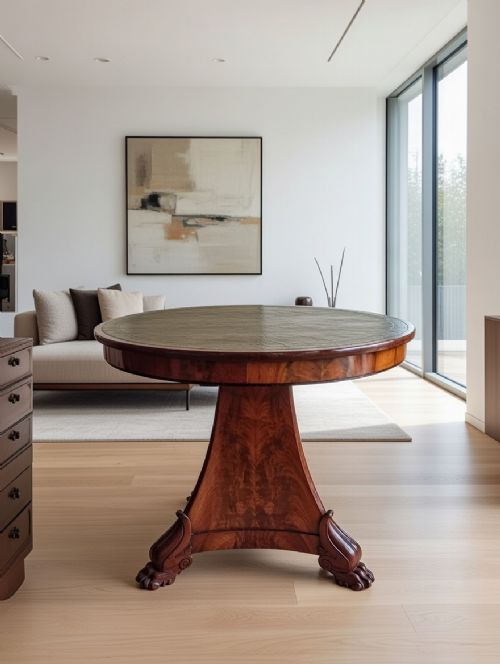


Mahogany Library Centre Table
A mahogany library centre table anchors a room with deep timber grain and practical heft.
Mahogany Library Centre Table
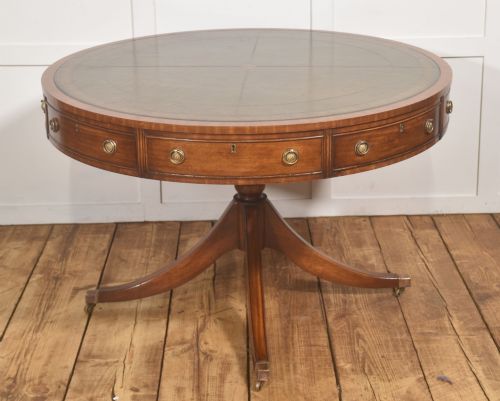
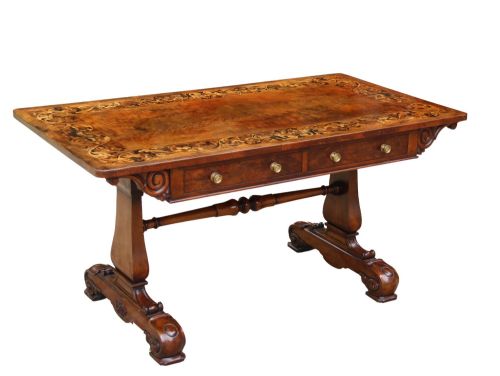
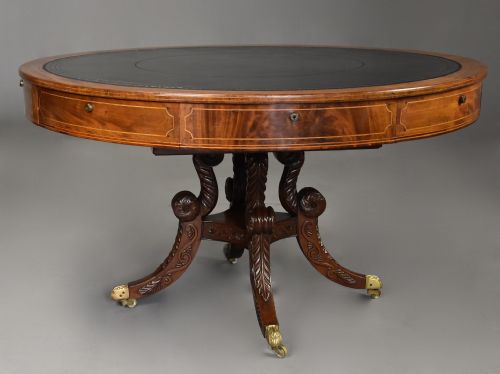
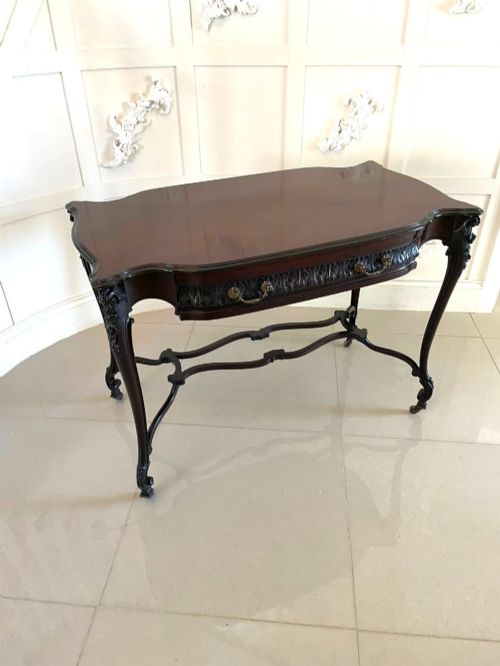
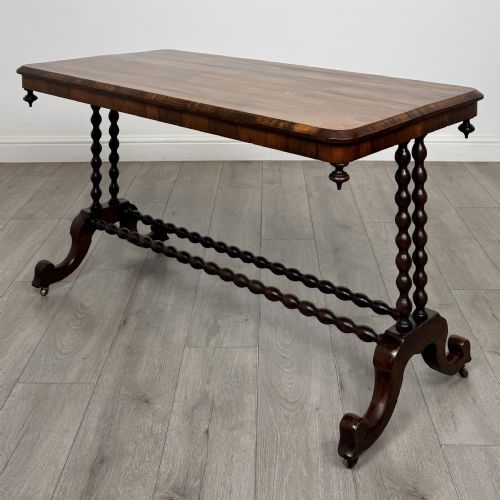
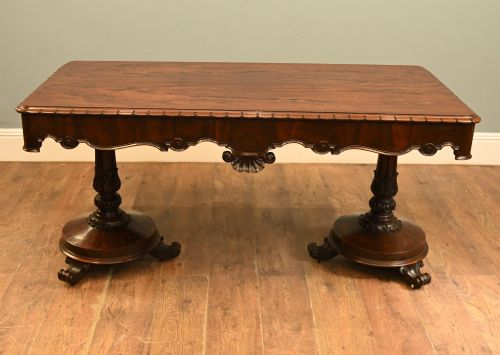
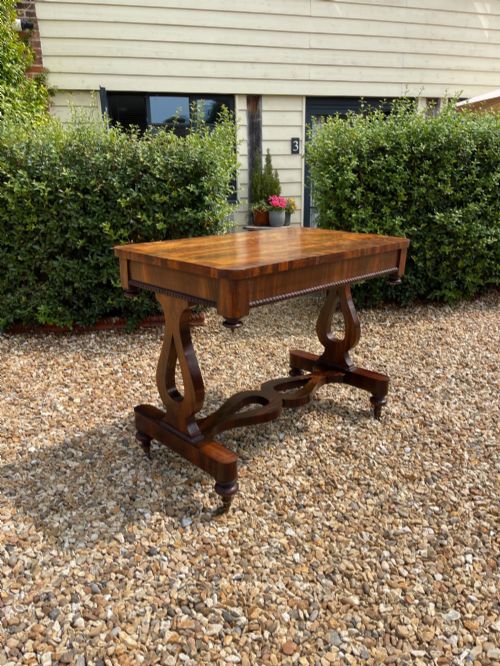
A mahogany library centre table stands free in a room rather than against a wall, finished carefully on all sides. These pieces span Georgian, Regency, William IV, Victorian and Edwardian periods, with nineteenth-century examples appearing most frequently.
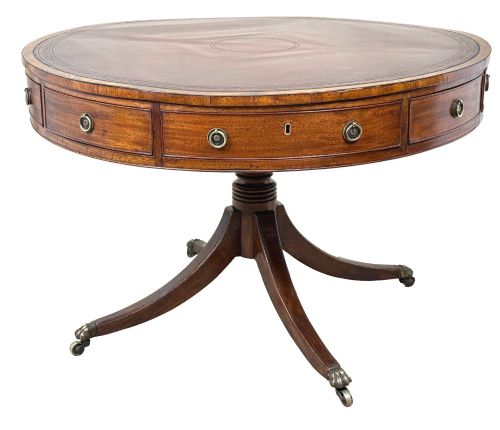
Forms vary from rectangular library writing tables to circular drum tables, oval shapes, and occasional tables fitted with leather inserts or writing slopes. The diverse stylistic influences range from clean classical lines to heavier carved Victorian Rococo Revival and Louis XVI styles.
The phrase encompasses both grand pedestals designed for spacious studies and smaller freestanding tables intended for domestic sitting rooms.
Distinctions in quality
Quality rests upon the selection of timber, where rich flame mahogany figures and uniform grain elevate a piece above plain boards. The precision of hand carving and the crispness of brass or marquetry inlay separate standard workshop production from exhibition-grade cabinet work.
Construction integrity shows in the stability of the freestanding frame and the careful finishing of all four sides, ensuring the table holds its presence in the centre of an interior space.
Mahogany Library Centre Table Retail Price Guide 2026
Typical asking prices for mahogany library centre table among the pieces listed under this phrase on Sellingantiques today, from the lower quarter to the upper quarter. They describe what is for sale here now, not the wider market.
Materials recorded on these tables include solid mahogany, flame mahogany, rosewood, walnut, coromandel, brass, leather, marble, and ormolu.
Gillows·Williams and Gibton·Gillingtons Dublin·Francoise Linke
The Mahogany Library Centre Table Glossary
- Drum table
- A circular library table with a deep top containing drawers, usually supported by a central pedestal column.
- Sofa table
- A rectangular occasional table with drop leaves at either end, designed to sit in front of a sofa or freestanding in a room.
- Ormolu
- Gilt-bronze mounts applied to furniture for decorative enrichment, common in neoclassical and continental designs.
- Flame mahogany
- A highly figured veneer cut from the fork of the mahogany tree, displaying dramatic flame-like patterns across the timber.
- Pedestal base
- A heavy central pillar or cluster of columns supporting the weight of the table top above.
Mahogany Library Centre Table: Frequently Asked Questions
Where should a centre table go?
Place a centre table in the middle of a room, library, or large hallway where it can be approached from all sides. Because these tables are finished on every side, they serve as a functional focal point rather than sitting against a wall.
Ensure there is enough walking space around the perimeter so chairs can be pulled out or drawers accessed without obstruction.
How do I use a drum table?
A drum table works well as a central display surface in a study or drawing room, often featuring rotating drawers built into the deep skirt. Many historical examples were designed for sorting papers or storing books within easy reach.
Keep the leather or timber surface clear of heavy damp items, using coasters and mats to protect the finish during daily use.
What is the difference between a library table and a centre table?
While the terms often overlap in antique furniture, library tables traditionally emphasise a writing surface with leather tops and drawers for documents. Centre tables encompass a broader range of decorative occasional, console, and gueridon forms.
Both types are finished on all sides to stand freely in open spaces.
How do I tell Regency from Victorian mahogany?
Regency tables, dating from the early nineteenth century, tend to feature cleaner architectural lines, brass inlay, and restrained classical carving. Victorian pieces from later in the century often display heavier proportions, darker finishes, and more exuberant carved detail.
Examining the grain, hardware, and secondary timbers helps clarify the period of manufacture.