
Mahogany Hallway Mirror
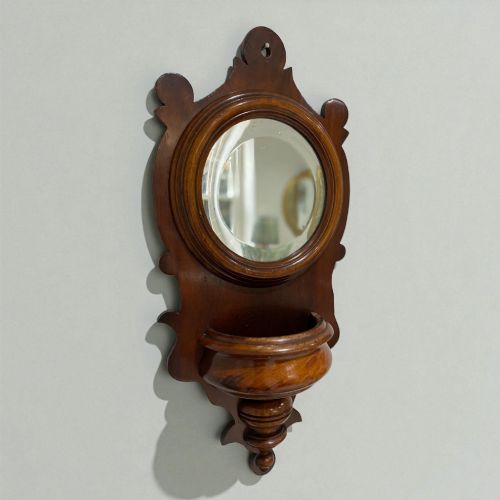
A mahogany hallway mirror anchors an entrance with deep timber grain and clear reflection, offering a practical surface and traditional presence.
Mahogany Hallway Mirror
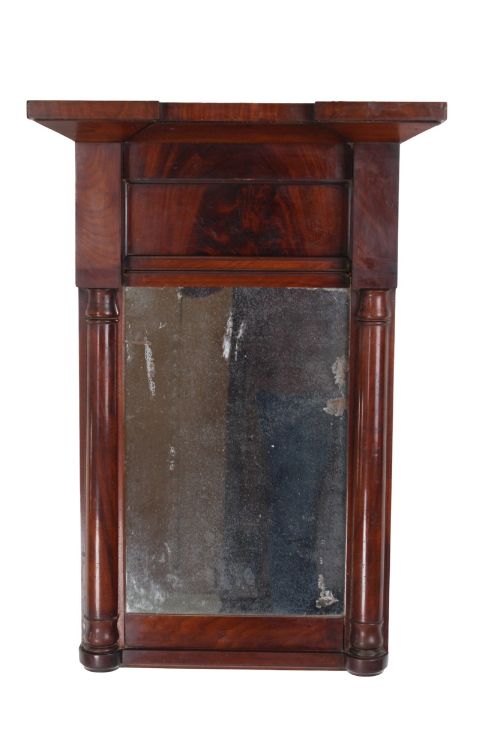
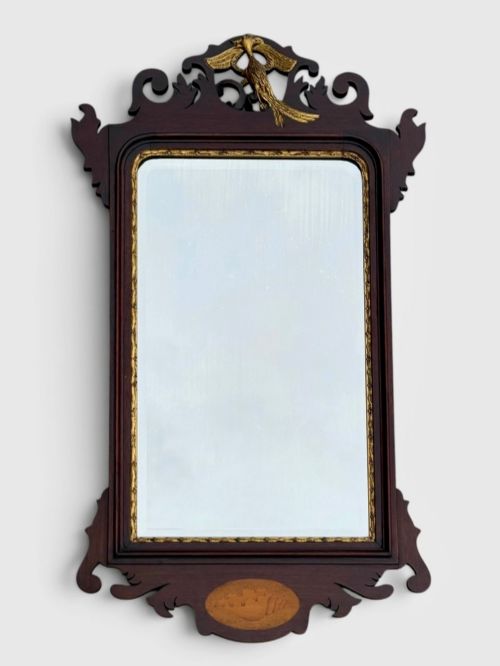
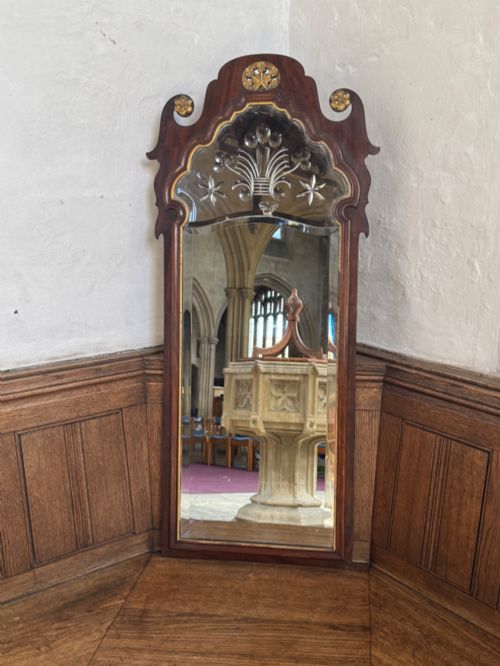
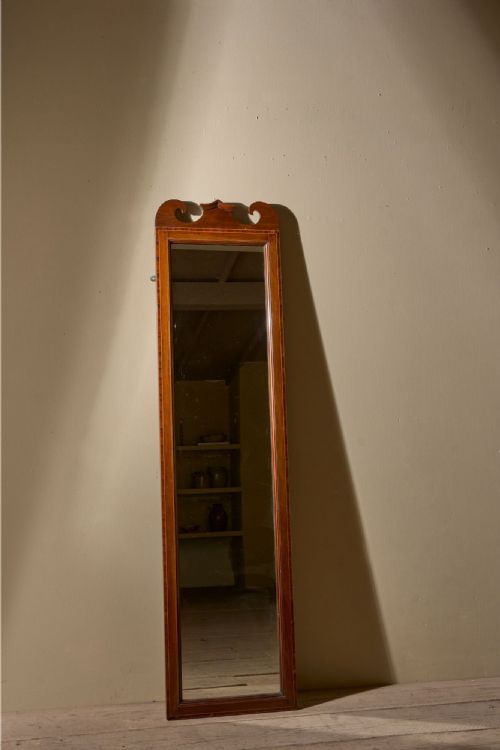
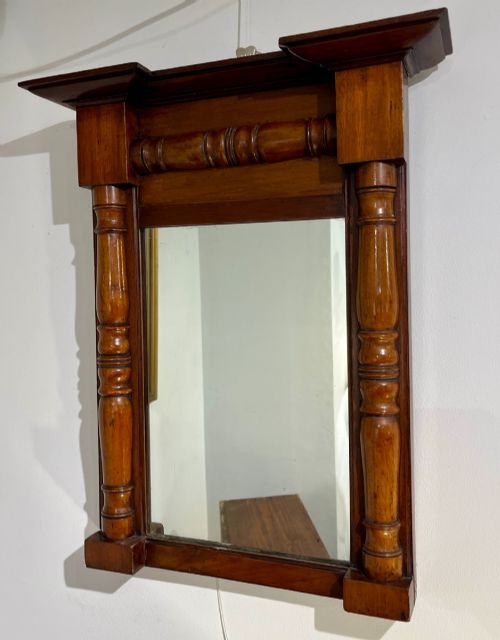
A mahogany hallway mirror appears in forms ranging from simple wall-hanging frames to architectural pier glasses and combined hall stands. These pieces originate across the nineteenth and early twentieth centuries, spanning Georgian, Victorian, and Edwardian periods.
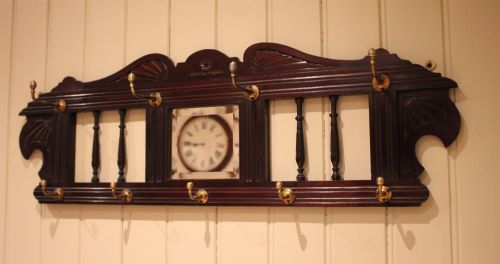
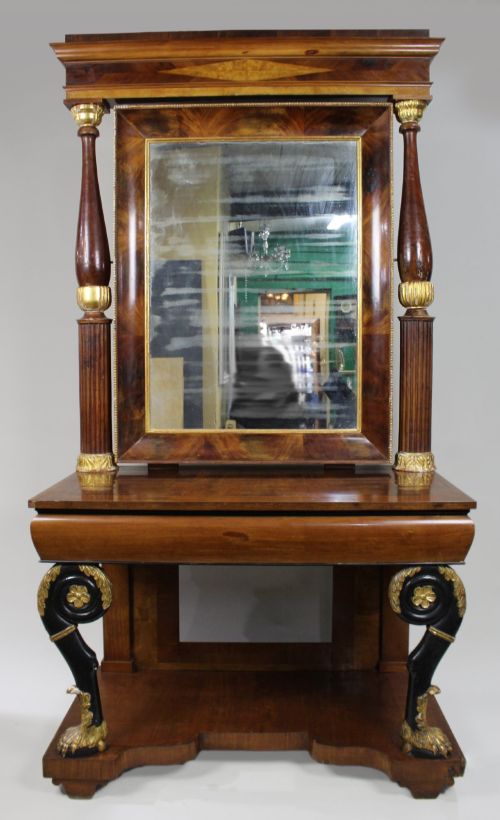
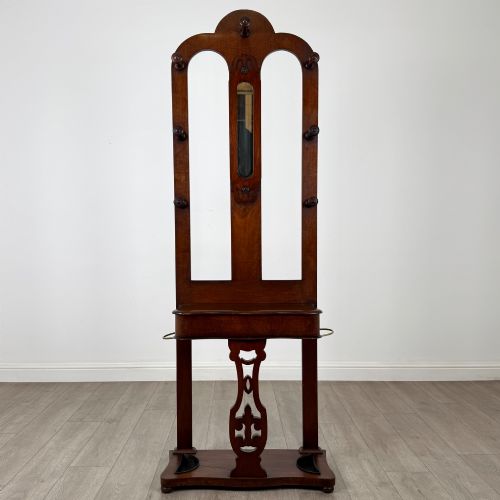
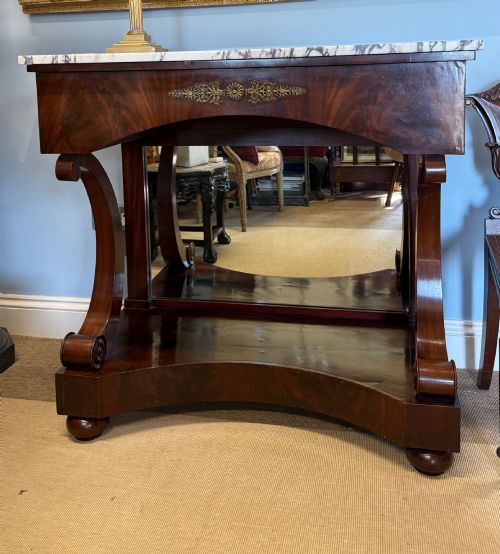
The selection on this page relies heavily on wall mirrors, console tables with mirror backs, and multifunctional hall stands. Many incorporate shelves, brass hooks, or marble tops designed specifically for an entrance space.
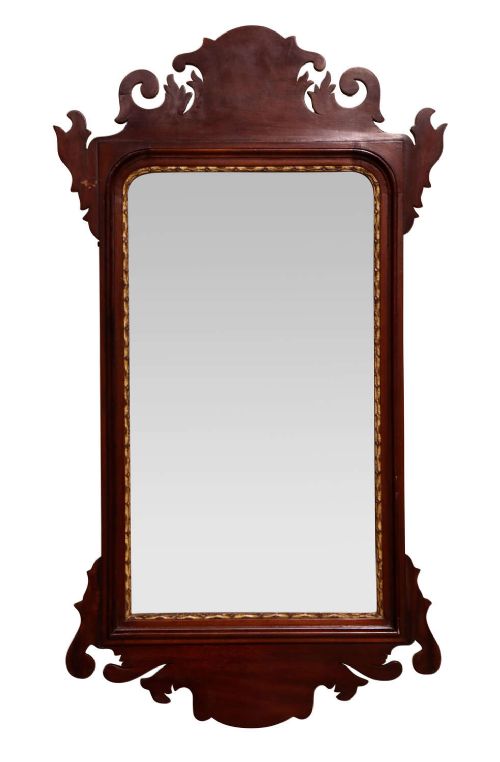
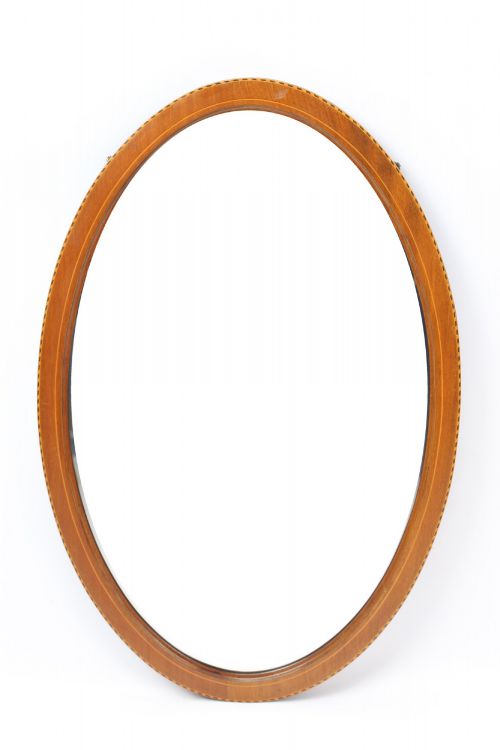
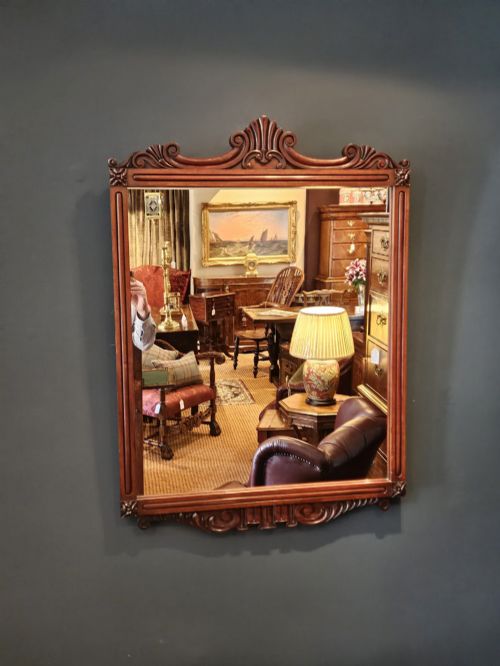
Makers and craftsmen drew upon styles including Regency, Chippendale revival, and Biedermeier to shape the timber. Buyers encounter rectangular wall plates, oval formats, and tall pier mirrors suited to narrow hallways.
Materials and Construction
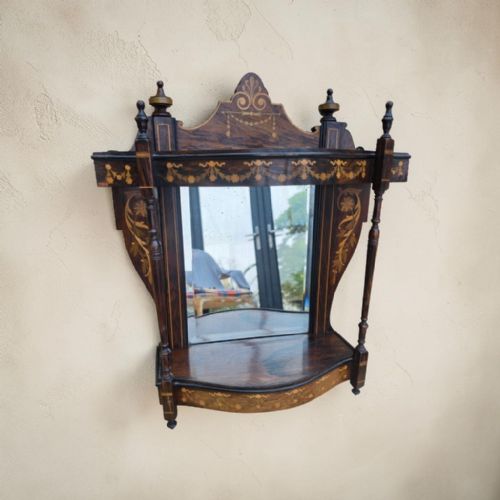
Makers constructed these frames using solid mahogany and mahogany veneers over secondary woods, often accentuating the surfaces with satinwood inlay or parcel gilt details. Brass hooks, candle sconces, and marble tops frequently accompany the timber.
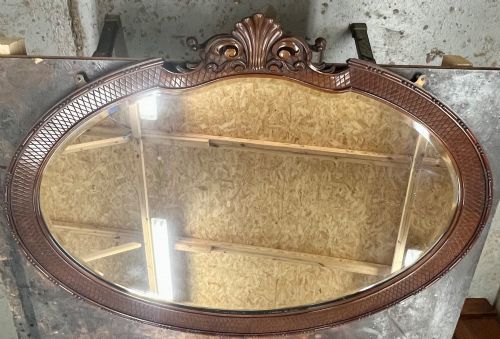
Glass plates vary from traditional mirror glass with reverse-cut details to deep bevel-edged plates held within fretwork or carved scroll frames. Joinery methods include pegged joints, dovetailing on drawers, and hand-cut fretwork.
Carved ornaments, such as Ho Ho birds and classical motifs, adorn the crests of Georgian style frames. French polish and wax finishes protect the wood while highlighting the natural figuring of the grain.
Console tables and hall stands frequently incorporate mirror backs and umbrella racks for hallway utility.
Assessing Quality
Distinctions in quality rest upon the depth of the timber carving, the crispness of fret-cut details, and the integrity of the original glass plate. Fine examples display hand-carved elements rather than cast resin ornaments, alongside tightly fitted joints.
The choice of mahogany veneer and secondary woods dictates the visual weight of the piece, with well-figured timber showing rich depth and movement. Original brass hardware, intact marble shelves, and unblemished mirror plates elevate the standing of a frame.
The Mahogany Hallway Mirror Glossary
- Pier mirror
- A tall mirror designed to hang on the pier of wall between windows or above a low console table. These vertical glasses maximise light in narrow spaces.
- Parcel gilt
- Partially gilded with thin sheets of gold leaf over gesso or paint. This technique highlights carved mouldings and focal points on the timber frame.
- Fretwork
- Openwork ornamentation cut into thin boards with a fret saw. Georgian and Victorian makers utilised this technique for decorative wall mirror frames.
- Console table
- A table fixed to a wall and supported by front legs or brackets, frequently paired with a matching mirror. They provide a narrow surface for an entrance hall.
- Bevel-edged glass
- A mirror plate with an angled, polished edge that catches and refracts light. This treatment adds dimension to the reflection.
Mahogany Hallway Mirror: Frequently Asked Questions
Where should I hang a mahogany hallway mirror?
Position the mirror at eye level above a console table or hall stand where it receives natural light from an adjacent room. This placement brightens darker entranceways and serves its practical purpose for a final check before leaving the house.
Ensure the wall structure securely supports the weight of the timber frame and glass plate, particularly for larger Victorian or Edwardian pieces equipped with marble shelves or brass hooks.
How do I care for antique mahogany and mirror glass?
Dust the timber frame regularly with a soft, dry cloth and apply occasional applications of beeswax to nourish the mahogany. Avoid silicone-based sprays that build up residue on the surface over time.
Clean the mirror plate using a mild glass cleaner applied to a cloth rather than directly onto the glass, preventing liquid from seeping behind the silvered backing or damaging the surrounding wood.
How do I distinguish a Victorian mirror from a Georgian original?
Georgian mirrors typically display hand-carved mahogany frames, often featuring fretwork silhouettes and Ho Ho birds, reflecting the lighter proportions of the eighteenth century. Eighteenth-century glass plates may show slight distortions or hand-bevelled edges.
Victorian pieces generally exhibit heavier proportions, darker mahogany tones, and machine-rolled glass plates with precise bevelling. Revival styles from the late nineteenth century frequently replicate earlier Georgian motifs with heavier construction.
What is the difference between a pier mirror and a wall mirror?
A pier mirror is proportioned specifically to hang in the narrow wall space between architectural openings or directly above a pier table. These pieces tend to be taller and narrower than standard wall mirrors.
Standard wall mirrors feature balanced proportions suited for hanging above mantelpieces, sideboards, or general wall expanses without the requirement of a matching table underneath.