
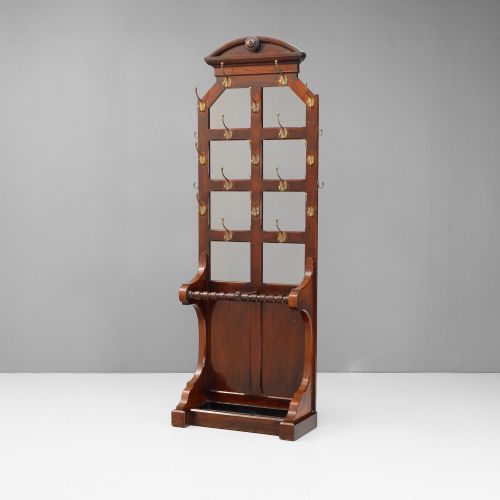

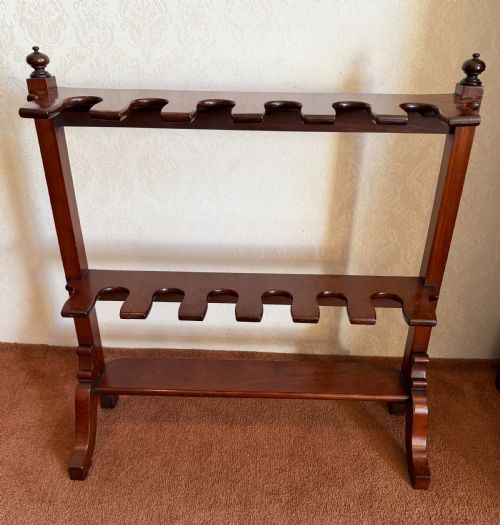

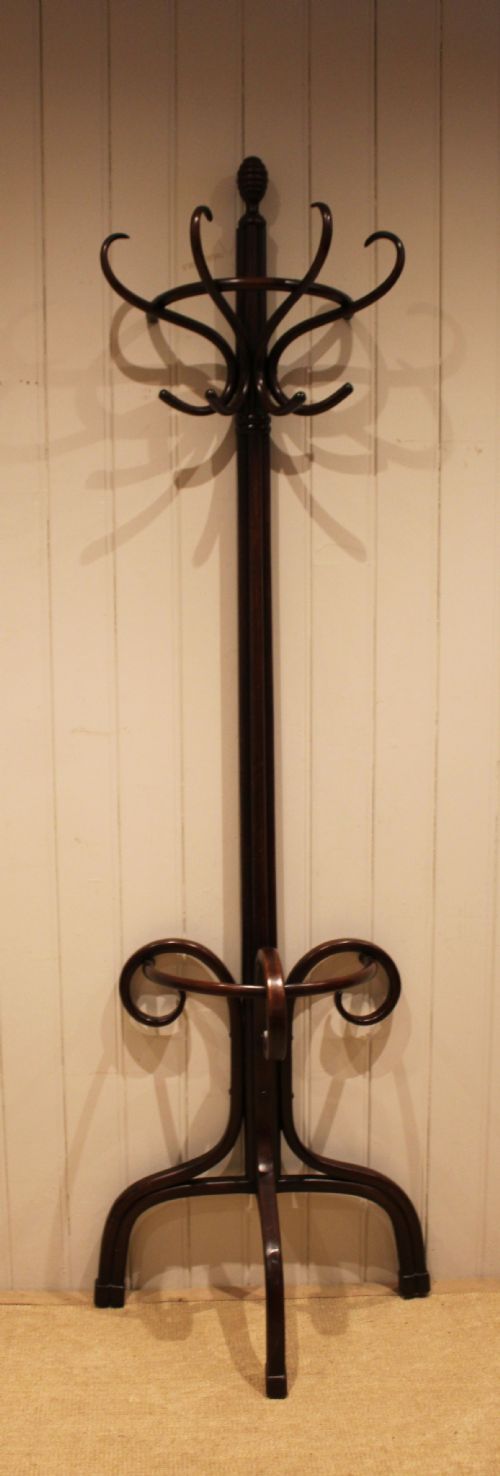


Mahogany Hall Tree
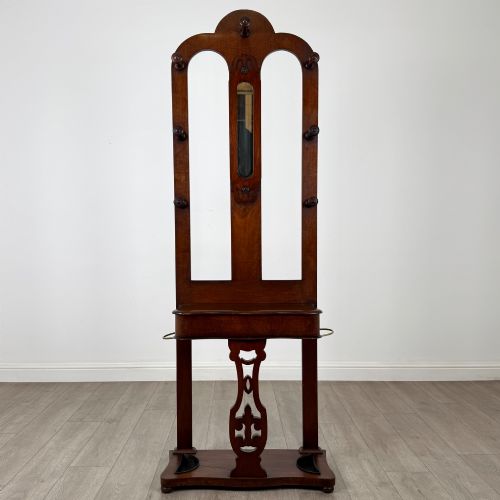
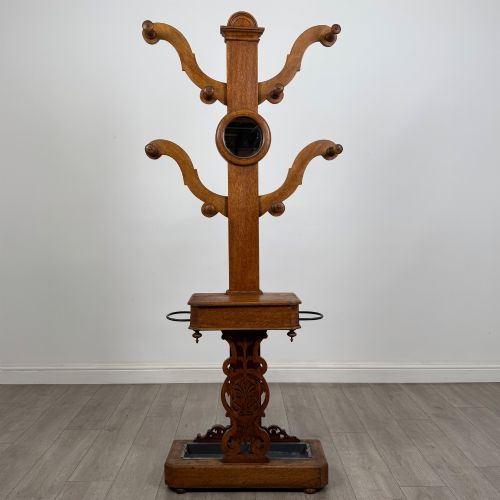
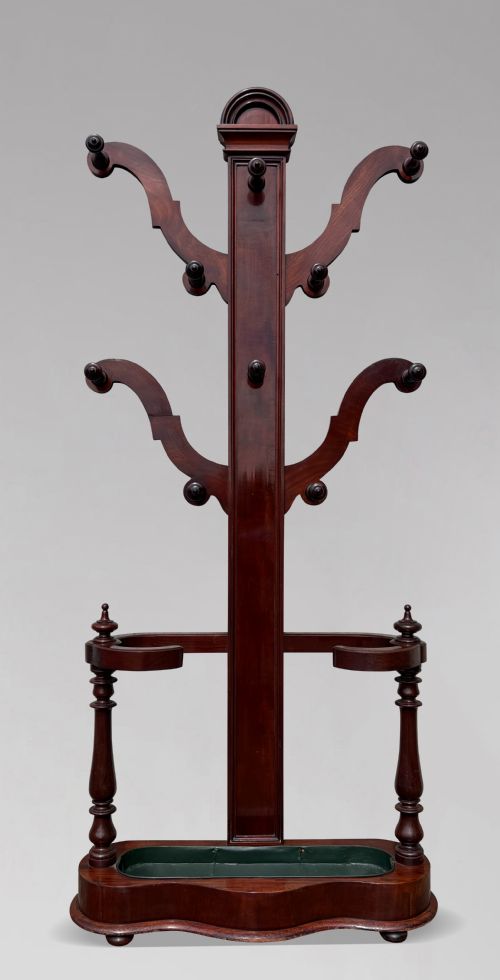
These mahogany hall tree pieces combine practical entrance storage with architectural presence, turning hats, coats and umbrellas into part of the hall's furnishing.
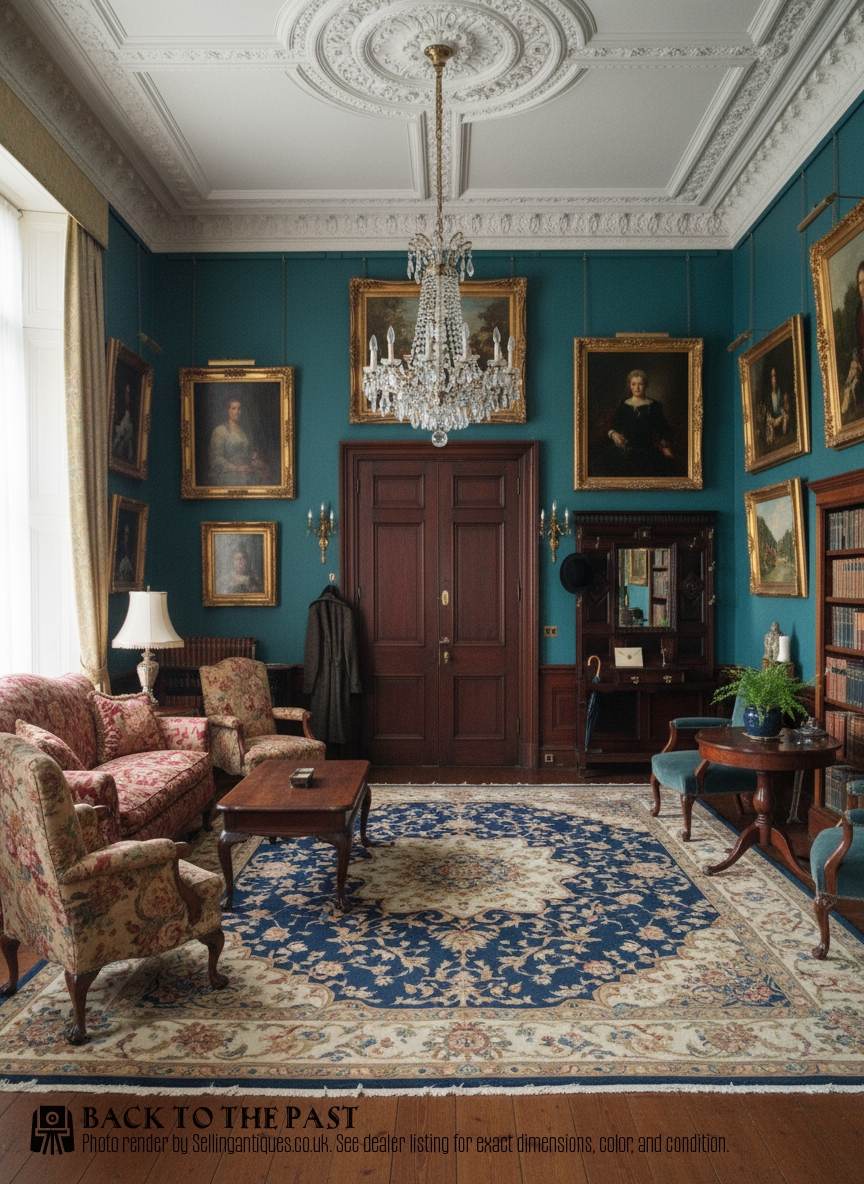
Mahogany Hall Tree
A mahogany hall tree serves as a grand entranceway anchor designed for hanging hats, coats, and storing umbrellas or riding gear. The pieces seen here span the Victorian, Regency, and Edwardian eras, with nineteenth-century examples forming the core of the selection.
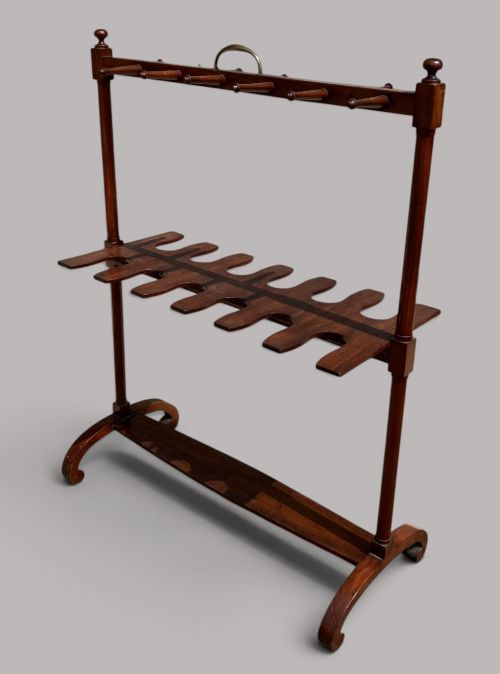
The layout typically incorporates upright timber posts fitted with coat pegs, provision for umbrellas, and frequently an integrated mirror or marble shelf. Variations include tree-shaped forms, column stands, and dedicated boot and whip racks originating from country houses and town residences alike.
How they were made
Construction relies heavily on solid mahogany and mahogany veneers, selected for deep grain and rich colour, supported by structural elements of iron, cast iron, and brass. Metal components provide the necessary weight and durability for heavy outerwear and umbrella drip trays.
Detailing ranges from simple turned columns to intricate carving and inlay, occasionally incorporating ceramic tiles, glass mirrors, and marble shelves. These mixed materials serve both functional roles, such as protecting surfaces from damp umbrellas, and decorative purposes.
Listings combine mahogany with brass, marble, cast iron, and ceramic elements across Victorian and Regency periods.
What varies in quality
The standard of carving and the architectural ambition of the timber frame define the upper tier of pieces. Elaborate tree-of-life branches, substantial marble inserts, and robust brass fittings separate substantial entrance furnishings from simpler utility stands.
The integrity of the structural joinery and the survival of original components, including drip pans and mirrors, dictate the piece's historical completeness. Refined proportion and balanced weight distribution ensure stability under heavy daily use.
Ellen E. Houghton of Minton
The Mahogany Hall Tree Glossary
- Hall stand
- A piece of entrance furniture combining coat pegs, umbrella storage, and often a mirror or glove box. It serves the dual purpose of tidying outdoor garments and greeting visitors.
- Tree of life
- A decorative style where the timber frame branches outward to mimic natural tree growth. This organic form holds hats and coats on simulated limbs.
- Boot and whip rack
- A low-set or specialised variant designed for equestrian gear and footwear. These pieces reflect country house practicality.
- Marble shelf
- A stone inset fitted into the centre console to provide a durable, water-resistant surface for visiting cards or keys. It adds weight and contrast to the timber.
Mahogany Hall Tree: Frequently Asked Questions
What is a mahogany hall tree?
A mahogany hall tree is a large hallway furniture piece designed to hold hats, coats, umbrellas, and walking sticks.
They stood in entranceways to receive outerwear immediately upon entering the home.
How were they used historically?
These items organised the coats, hats, and wet umbrellas of household members and visitors before they entered the main living spaces.
Specialised versions also accommodated riding crops, whips, and muddy boots near the entrance.
How do I date a hall tree?
Dating relies on the style of the wood turning, carving details, and incorporated materials like marble or brass. Victorian and Regency examples show distinct proportions and decorative motifs.
Simpler bentwood or Edwardian versions feature lighter frames and different construction methods.
Will a hall tree fit my hallway?
Hall trees require adequate vertical clearance and floor space to accommodate their projecting pegs and umbrella bases.
Measuring the depth is essential, as the footprint must allow doors to open past the protruding legs and drip pans.