



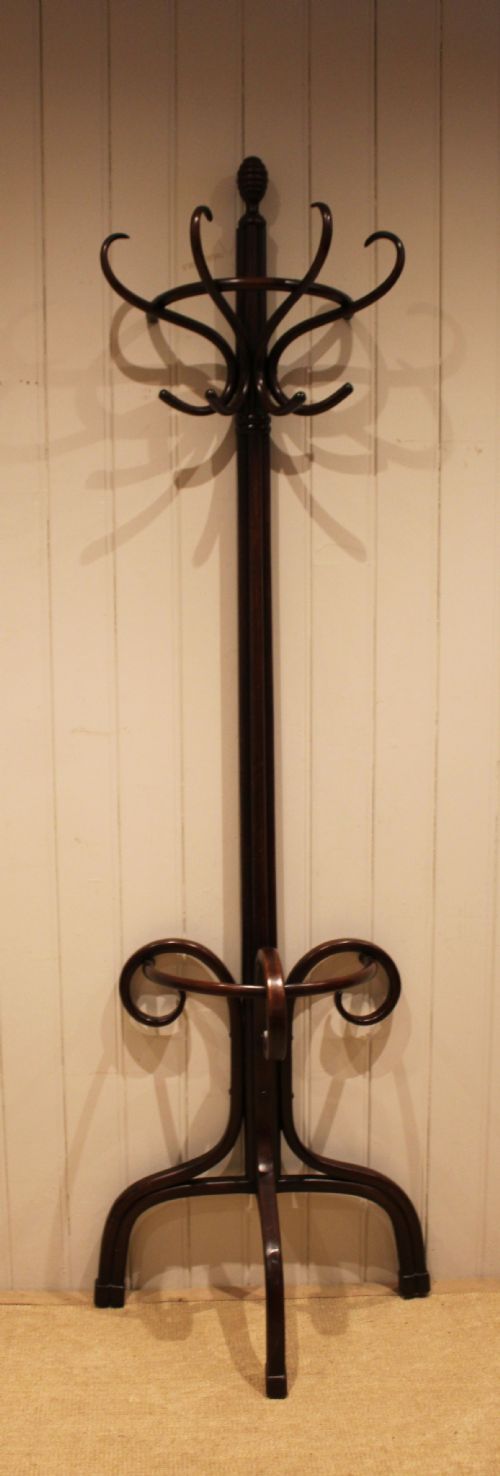
Mahogany Hall Rack
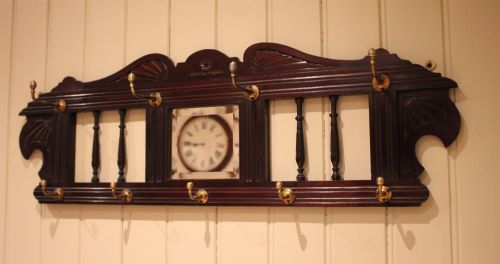
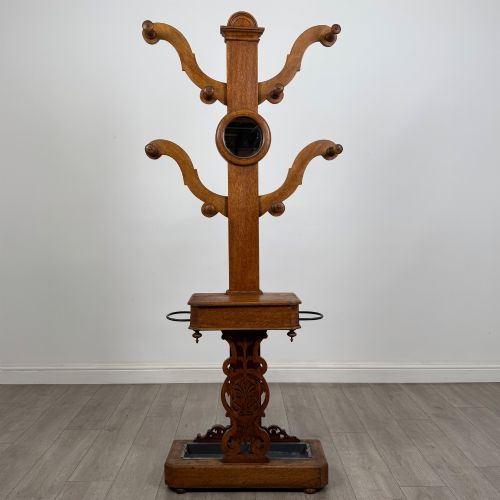
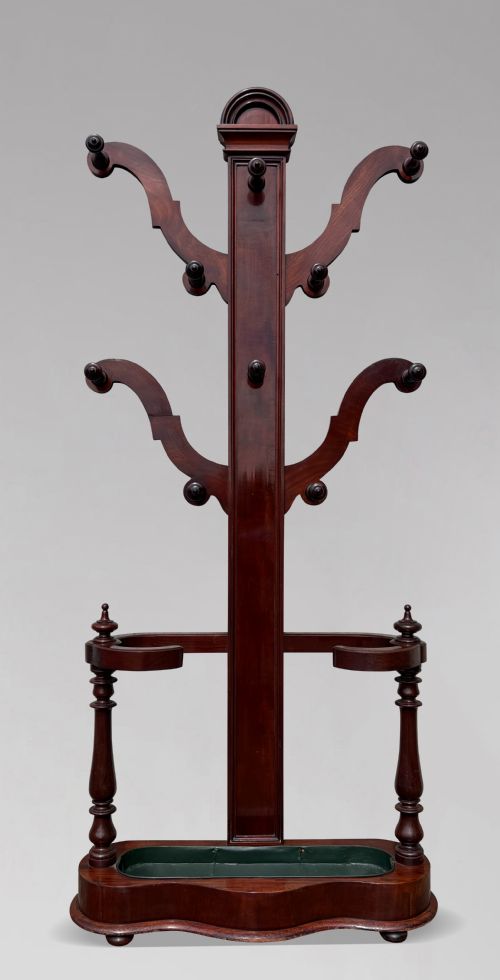
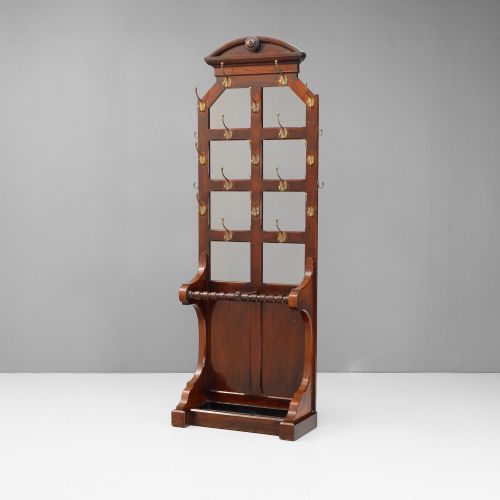
A mahogany hall rack greets visitors with practical British utility, combining coat hooks, umbrella wells and mirror plates for the entrance hall.
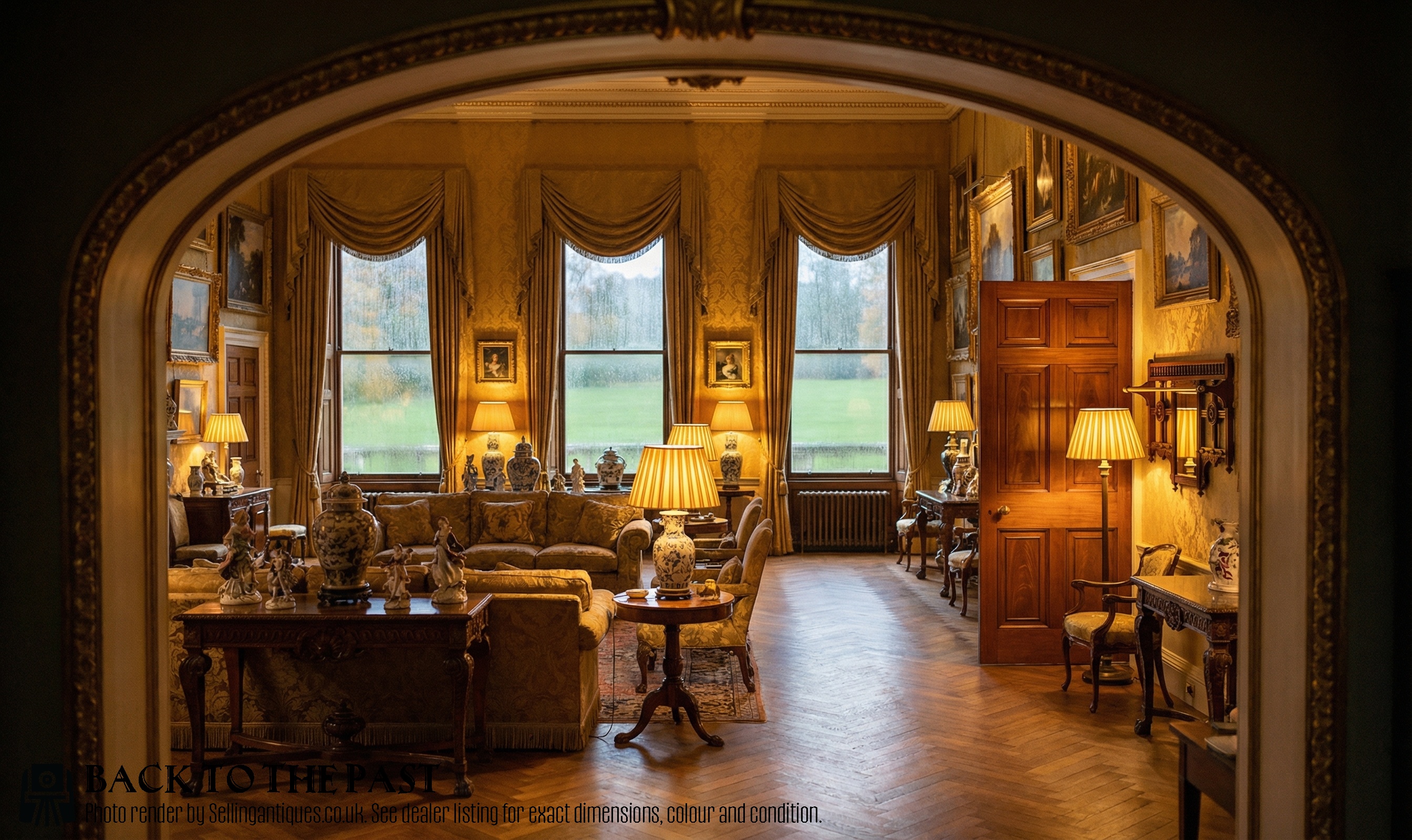
Mahogany Hall Rack
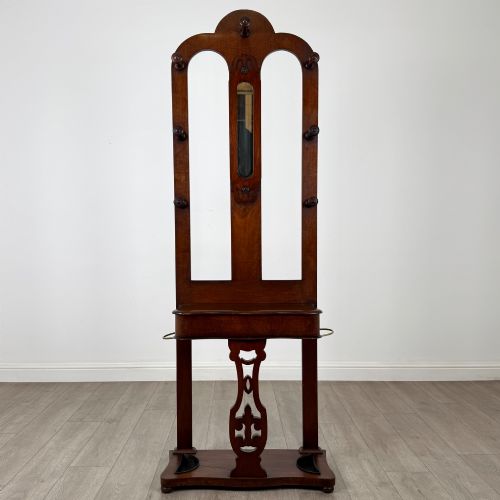
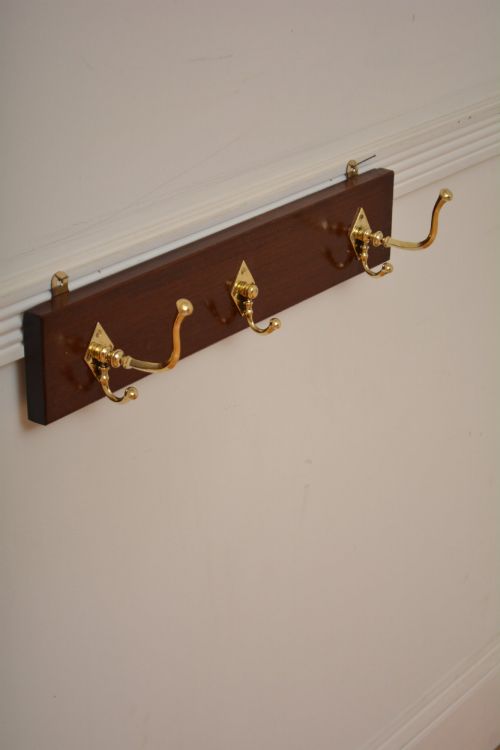
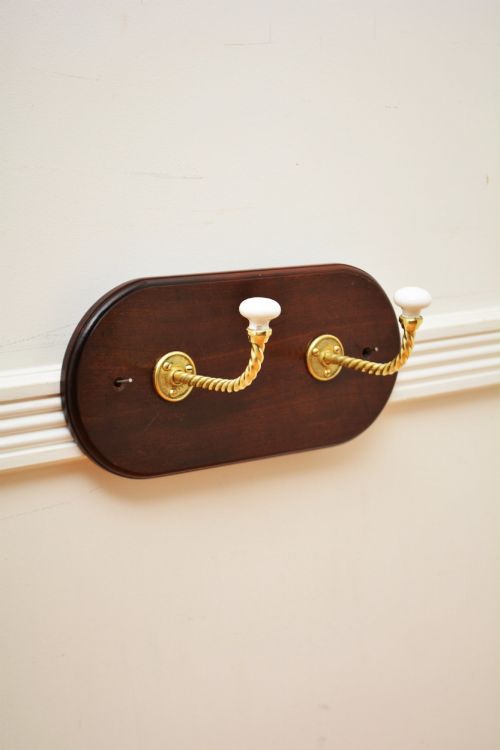
When you search for a mahogany hall rack, you encounter a robust piece of entrance furniture designed to hold outdoor garments, walking sticks and umbrellas. These items emerged across the nineteenth century in various forms, including wall-mounted coat hooks, freestanding coat stands and large hall stands incorporating mirror plates and marble shelves.
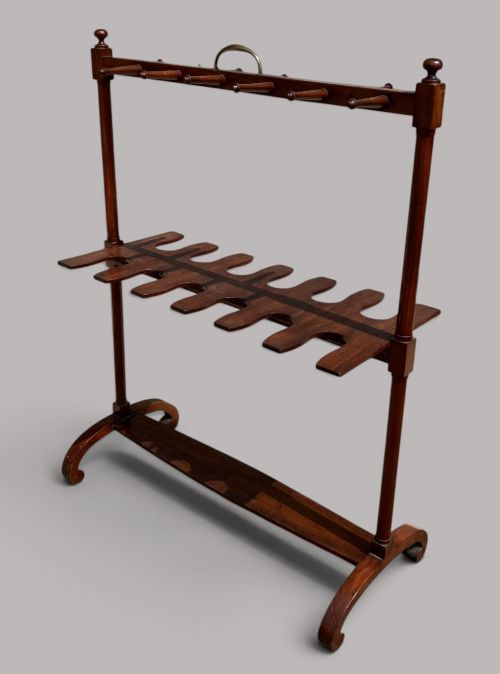
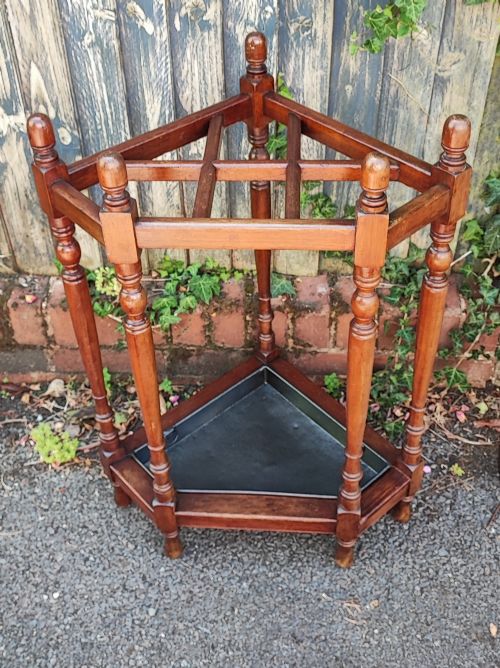
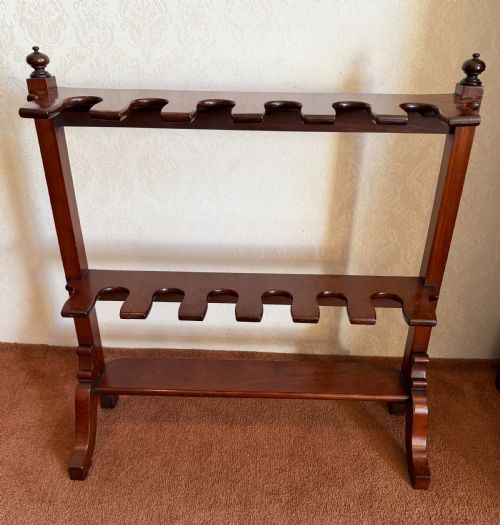
The pieces on this page span several distinct periods, with Victorian and nineteenth-century examples appearing most frequently alongside Regency, Edwardian and Arts and Crafts variations. You will find specialised formats such as boot and whip stands, corner umbrella holders and combined coat and hat racks utilising rich mahogany timber.
Materials and construction methods
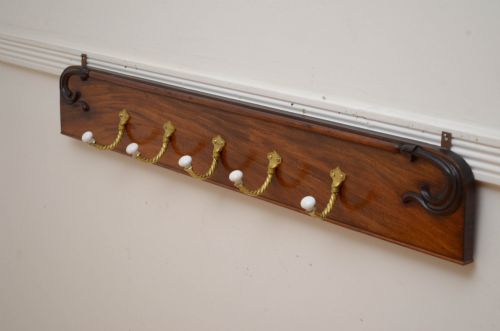
Cabinet makers constructed these hall pieces using solid and veneered mahogany, often pairing the dark timber with brass, cast iron or ceramic hooks for durability. Many examples incorporate drip pans of metal or ceramic beneath umbrella and stick sections to protect the wood from moisture.
Structural details include carved wooden frames, twisted rope turns, inlaid decorative elements and deep bevelled mirror plates secured into the backboards. French polishing finishes the surfaces to highlight the natural grain and deep red-brown colour of the mahogany.
A genuine horse shoe mirror with deep bevelled glass stands ready to check your hat before stepping out.
Distinctions in craftsmanship and design
Quality in a mahogany hall rack rests on the solidity of its joinery, the thickness of the mahogany timber and the integration of secondary materials like marble shelves or heavy brass hardware. Finer pieces demonstrate careful carving, balanced proportions and original components rather than replacement hooks or panels.
Examples from notable design movements, such as Aesthetic Movement or Arts and Crafts pieces, exhibit thoughtful detailing like inlaid woodwork and specific brass fittings that elevate them above standard utility furniture.
Shoolbred·Hallam Of Nottingham
The Mahogany Hall Rack Glossary
- Hall stand
- A large freestanding entrance piece incorporating a mirror, coat hooks, a shelf and umbrella wells. These structures dominated Victorian entrance halls.
- Portmanteau
- A freestanding coat and hat stand, sometimes of French origin, designed for cloakrooms and reception spaces. They utilise heavy metal frames or turned wood.
- Boot and whip stand
- A low-slung mahogany rack engineered specifically for equestrian gear and footwear. They frequently feature designated slots for riding crops and boots.
- Bevelled plate
- A mirror glass with angled edges that catches the light. This technique adds depth and refinement to the backboard of a hall piece.
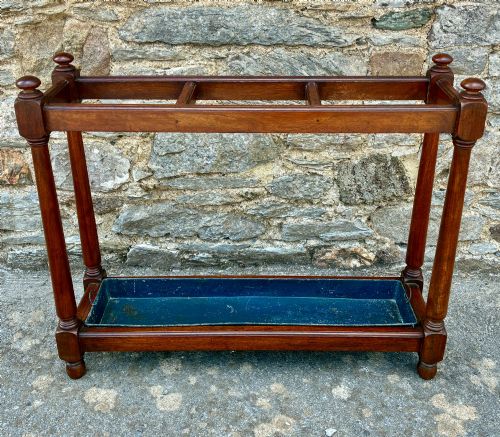
- Stick and umbrella stand
- A specialised holder featuring divided partitions and a waterproof base tray. These protect floors from wet walking accessories.
Mahogany Hall Rack: Frequently Asked Questions
How do I use a hall rack?
A mahogany hall rack serves its original purpose as an entrance organizer for coats, hats, scarves and walking sticks. The integrated hooks hold daily outerwear while lower wells contain umbrellas.
Many pieces also feature a small shelf or surface for depositing keys and correspondence upon entering the house.
Where should I place a hall stand?
These pieces belong in a hallway, vestibule or reception room where guests remove outdoor garments. Freestanding versions require sufficient wall space and floor clearance for stability.
Wall-mounted coat racks suit narrower passages where floor space is limited.
How do I care for mahogany?
Maintain polished mahogany by dusting with a soft cloth and applying appropriate wax polish periodically. Keep the timber away from direct heat sources and strong sunlight to prevent drying.
Metal drip pans beneath umbrella sections should be emptied and dried regularly to avoid moisture damage.
How do I date a hall rack?
Dating relies on architectural styles, hardware materials and manufacturing techniques visible across different eras. Regency pieces display classical restraint while Victorian examples often feature heavy carving and mirrors.
Edwardian and Arts and Crafts pieces show lighter proportions or specific decorative inlays.