

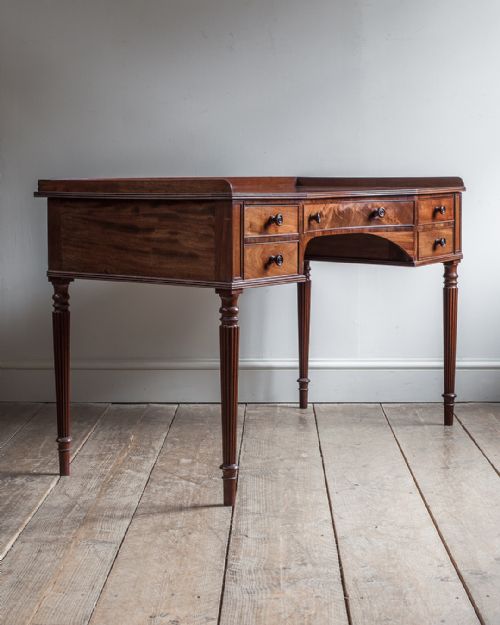
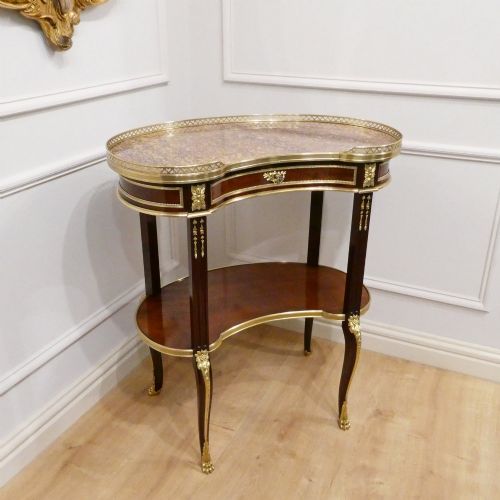
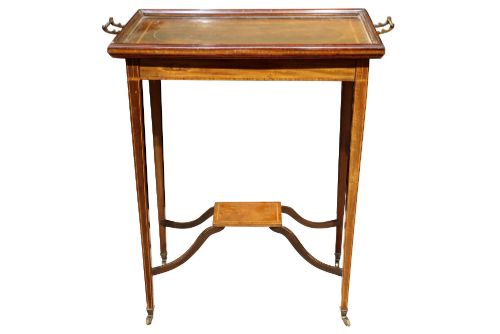
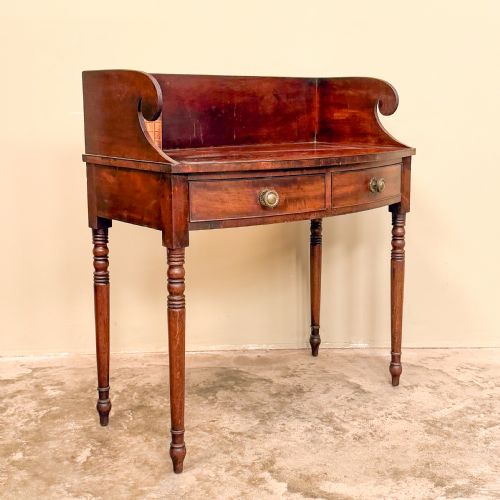
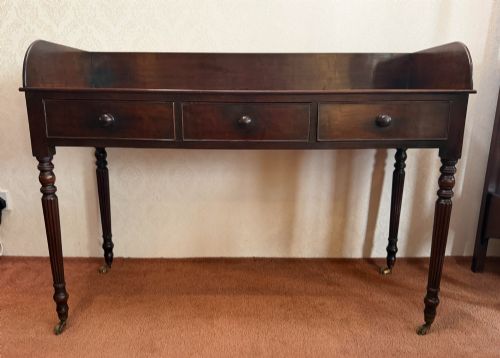


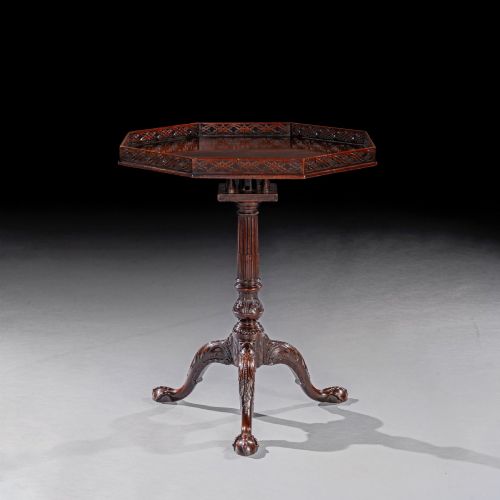
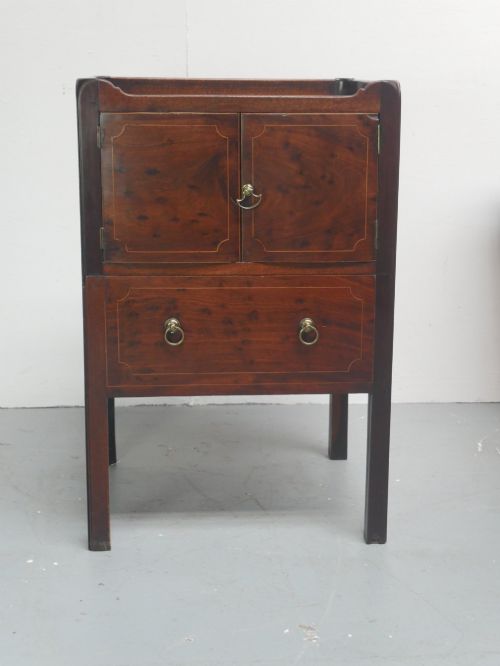

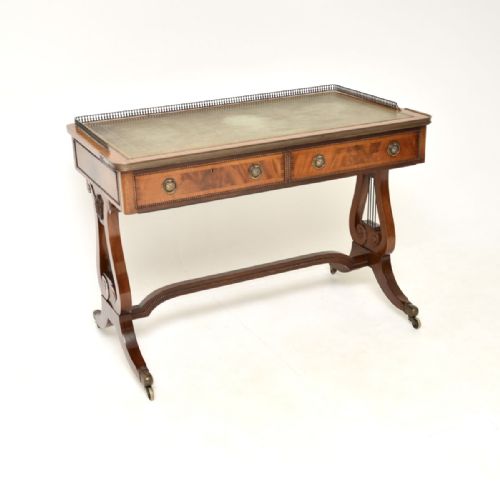
Mahogany Gallery Top Table
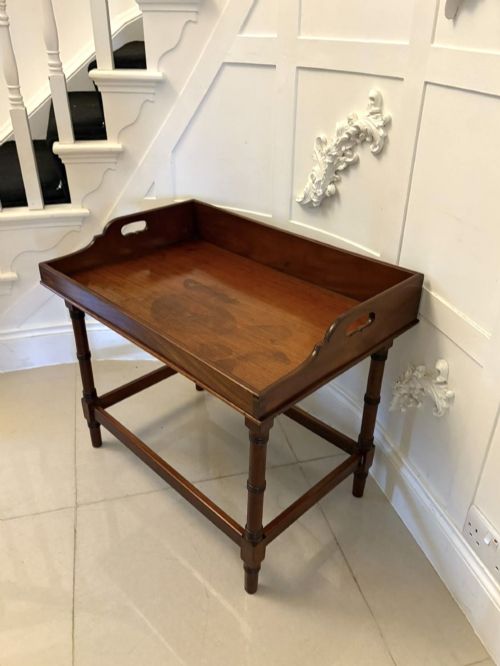
A mahogany gallery top table offers a raised perimeter edge that secures precious items, combining practical containment with refined timberwork.
Mahogany Gallery Top Table
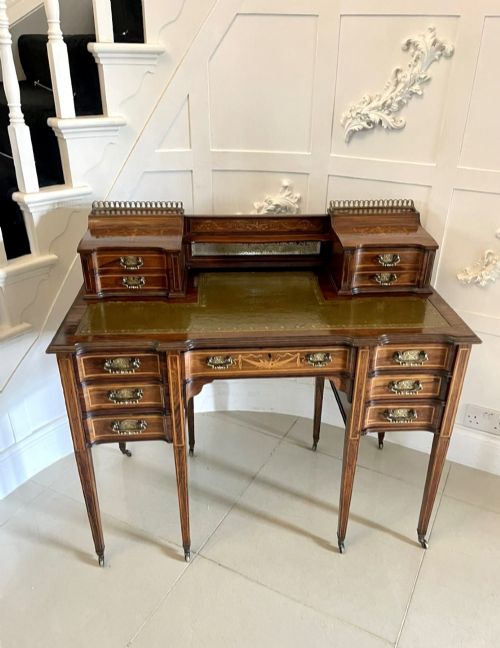
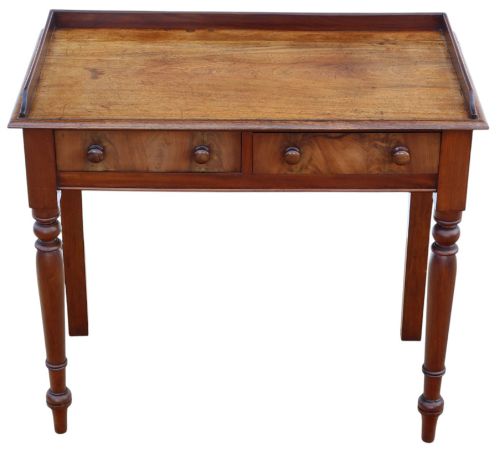
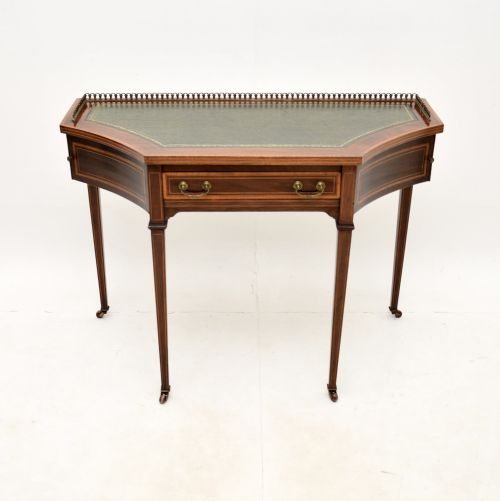
When searching for a mahogany gallery top table, buyers encounter a specific category of antique furnishings designed with a raised wooden, brass, or pierced border around the upper surface. These pieces serve various functions across domestic interiors, appearing frequently as tripod wine tables, occasional surfaces, and compact side tables from the eighteenth and nineteenth centuries.
The selection ranges from early Georgian tripod designs with pierced brass galleries to Edwardian tray top occasional tables and heavier Victorian iterations. Originating primarily from British workshops, these tables also include continental interpretations featuring marble inserts and ormolu mounts, reflecting diverse stylistic influences from the Georgian period through to the Edwardian era.
Materials and Construction Methods
Cabinetmakers utilised rich mahogany timber for the primary structure, often selecting cuts displaying deep figuring and warm natural tones. Secondary woods provide internal support while brass, satinwood, leather, and marble frequently appear as supplementary materials for edges, inlays, writing surfaces, and decorative mounts.
Joinery techniques involve precise turning for pedestal shafts, slender cabriole or tapered legs, and careful assembly of the delicate perimeter gallery above the surface board. Ormolu mounts and brass hinges are secured with traditional fixings, while surface finishes rely on hand-applied polishes that highlight the grain of the timber.
Listings feature mahogany gallery top tables alongside related forms including butlers trays, washstands, and occasional wine tables spanning the Georgian to Edwardian periods.
Distinctions in Execution and Age
Quality separates through the crispness of the timber carving, the structural integrity of the gallery rail, and the harmony of proportions between the top and the base. Superior examples display tight wood grain, precise joinery at the gallery corners, and original mounting hardware that sits flush without modification.
The refinement of the legs and feet, whether tripod, tapered, or reeded, dictates the overall elegance of the object. Pieces retaining their early surfaces and uncompromised structural elements demonstrate greater integrity than those with replaced components or heavily stripped timber.
Maple & Co.·Maison Millet·Gillows·François Linke
The Mahogany Gallery Top Table Glossary
- Gallery
- A raised border or rail surrounding the edge of a tabletop to prevent objects from sliding off. This feature is constructed from timber, pierced brass, or metal wire.
- Tripod Table
- A small occasional table supported by a central pillar resting on three spreading legs. These pieces allow for compact placement beside seating furniture.
- Tray Top
- A tabletop fashioned with a raised rim resembling a serving tray, integrated directly into the timber board or built up with applied mouldings.
- Ormolu
- Gilt bronze ornamentation applied to furniture, commonly found on French-influenced tables of the nineteenth century. It adds metallic contrast to the dark mahogany body.
- Scrolled
- Curving ornamental shaping applied to brackets, legs, or gallery edges. This decorative contouring characterises several Georgian and Victorian designs.
Mahogany Gallery Top Table: Frequently Asked Questions
What is a gallery top table used for?
These tables function well beside seating as lamp surfaces, wine stands, or occasional display areas. The raised rim provides security for small drinking vessels or decorative items.
In period interiors, smaller examples served specialised duties for serving tea or holding reading materials within reach of a chair.
How do I identify a Georgian gallery table?
Examine the timber quality, construction joints, and the method used to attach the gallery to the main surface. Eighteenth-century pieces typically feature solid mahogany construction with hand-cut joinery.
Look for tripod bases with slender, tapering legs and fine patination on the wood surfaces developed through centuries of handling.
Are brass galleries original to these tables?
Many eighteenth and nineteenth-century tables feature pierced brass galleries secured tightly into the wooden tabletop edge. These metal elements were standard for specific tripod and occasional designs.
Inspect the seating of the brass pins into the wood to ensure the gallery has not been added at a later date to alter a plain surface.
How should I care for an antique mahogany surface?
Maintain the timber by keeping the table away from direct heat sources and sudden humidity changes. Regular dusting with a dry, soft cloth preserves the natural finish.
Avoid chemical polishes that can soften historic wax layers, opting instead for traditional beeswax applications sparingly applied when the wood appears dry.