
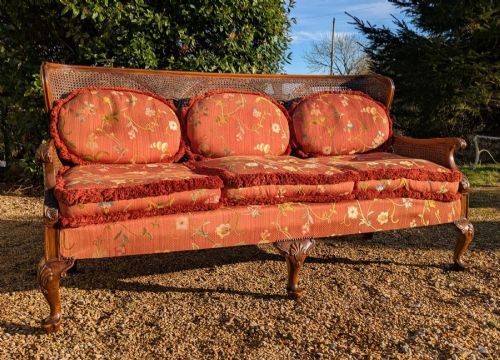
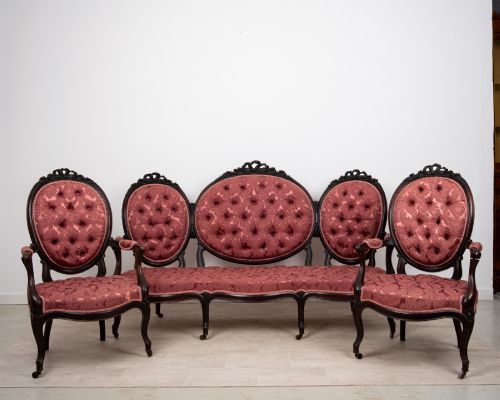


Mahogany French Sofa
A mahogany french sofa brings architectural presence and rich timber warmth to a room, uniting Continental flair with solid framing.
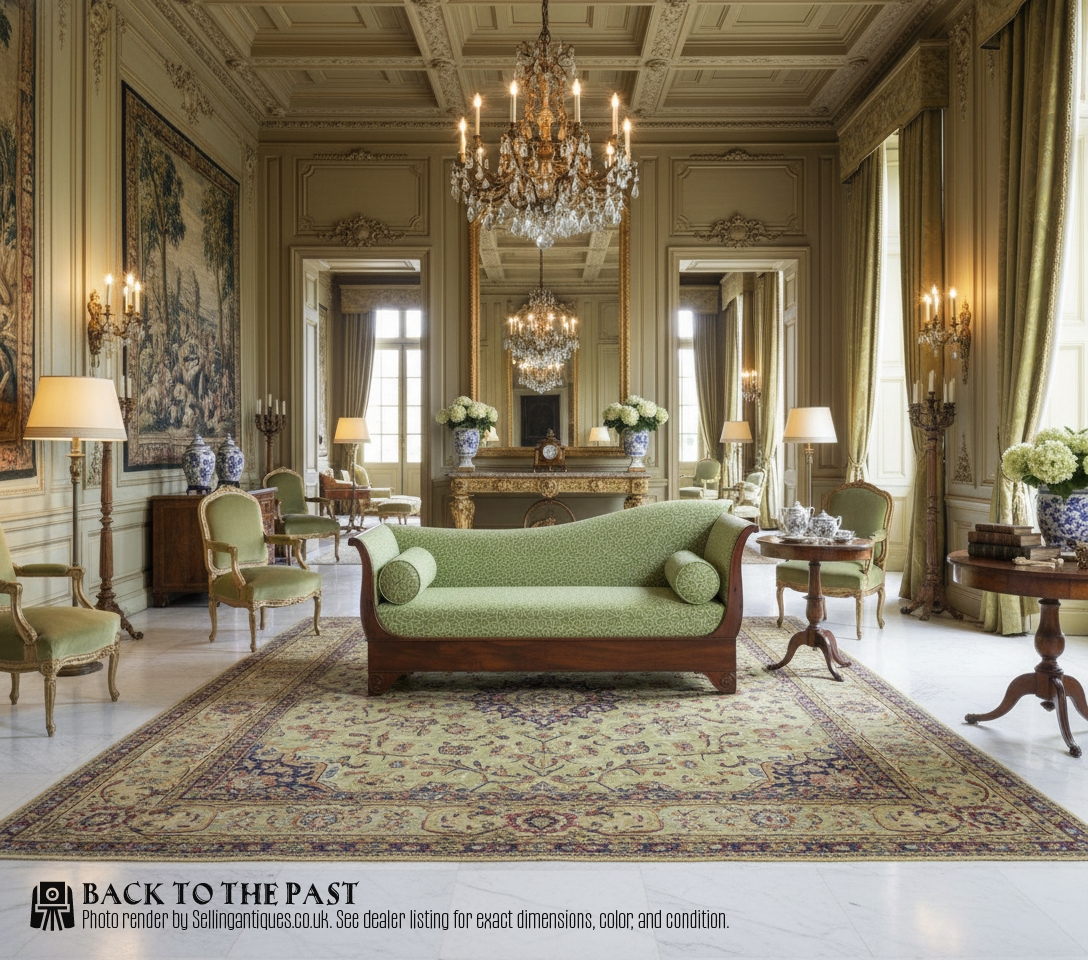
Mahogany French Sofa
When searching for a mahogany french sofa, buyers encounter a range of formal seating from nineteenth century salons, spanning distinct revival styles and Empire designs.
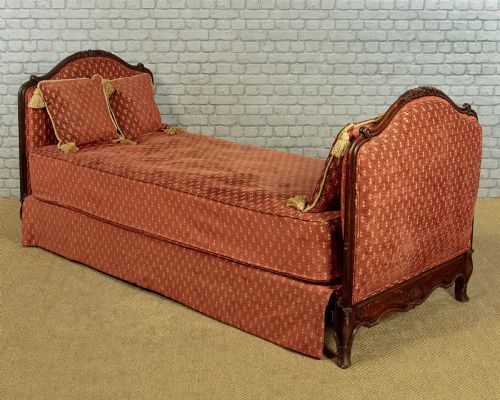
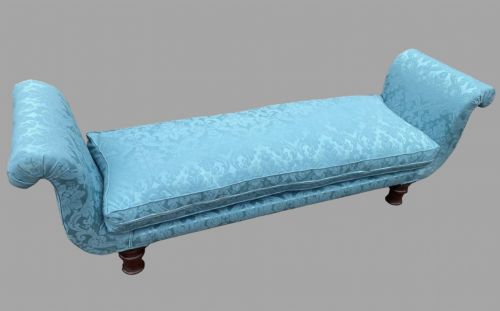
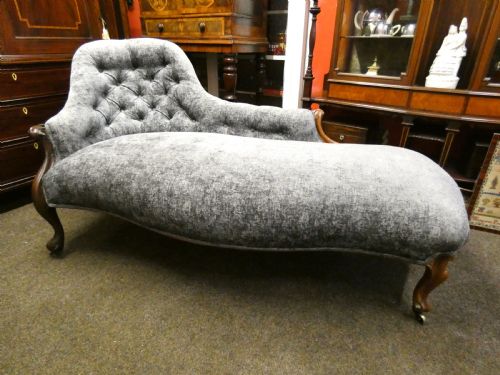
The pieces appearing on this page include deep buttoned Victorian settees, French Empire models with classical lines, and comfortable daybeds shaped from dense timber.
Makers and cabinet makers of the nineteenth century utilised rich flame veneers and solid frames to construct these substantial items for formal reception rooms.
How they were made
Carpenters constructed the primary framework using solid mahogany and flame mahogany veneers, often mounting cast or chased ormolu details directly onto the wooden structure.
Upholsterers layered horsehair, feathers, and padding beneath velvet, fabric, or silk coverings, securing the edges with brass tacks or deep buttoning.
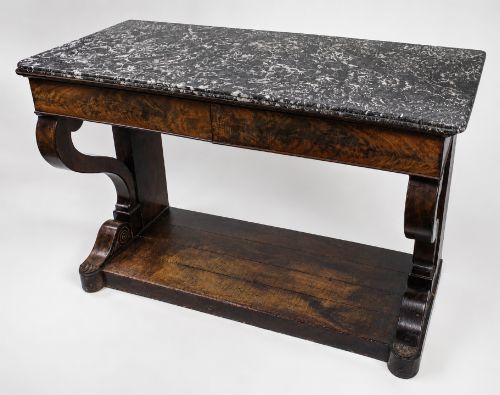
Decorative elements relied on hand carving, brass inlay, and polished marble tops where the form incorporated console or side surfaces.
Listings feature items spanning the Victorian era through the early twentieth century, constructed from mahogany, brass, marble, and velvet.
What varies in quality
The distinction between standard production and exceptional craftsmanship rests in the depth of the timber figuring and the crispness of the hand-carved ornaments.
Superior examples display balanced proportions, integrated ormolu mounts, and original framing that retains its structural integrity through decades of use.
Jean-Joseph Chapuis
The Mahogany French Sofa Glossary
- Ormolu
- Gilded bronze mounts applied to furniture. This decorative technique adds metallic contrast to dark timber surfaces.
- Flame mahogany
- Timber veneer cut to reveal a distinctive flamed grain pattern. It provides a highly decorative surface on primary display areas.
- Lit Bateau
- A boat bed design featuring scrolled ends of equal or near-equal height. This Continental form often doubles as a day sofa.
- Bergere
- An enclosed upholstered armchair or sofa with wooden framing. The style originates in eighteenth-century France.
- Canapé
- A traditional French settee featuring an upholstered back and open arms. These pieces anchor formal nineteenth-century salons.
Mahogany French Sofa: Frequently Asked Questions
How do I identify a French Empire sofa?
French Empire pieces typically display architectural symmetry, dark mahogany timber, and classical bronze or ormolu mounts. Swan neck arms and bold scrollwork frequently define the silhouette of these nineteenth-century forms.
Craftsmen often incorporated flame mahogany veneers to enhance the visual weight of the frame, aligning with the neoclassical tastes of the period.
Where were these sofas placed originally?
These seating pieces belonged in formal reception rooms, grand salons, and private boudoirs of nineteenth-century residences. They served both as decorative focal points and functional seating for entertaining.
Settees and daybeds were arranged to encourage conversation or provide resting spaces within large domestic interiors.
Are mahogany frames durable?
Mahogany provides exceptional structural stability due to its dense grain and resistance to warping. This hardwood supports intricate carving and heavy upholstery without compromising the frame.
Proper timber care ensures these antique frames remain structurally sound for daily residential use.
What is a salon suite?
A salon suite consists of a matching set of seating furniture, such as a large settee paired with matching armchairs or smaller chairs. These suites unified the interior design of Victorian and Continental reception spaces.
Craftsmen built each component using identical timber grades and upholstery treatments to maintain visual harmony across the room.