





Mahogany Entryway Furniture
Mahogany entryway furniture brings solid timber and practical seating or surfaces into the hall, offering both period character and daily utility.
Mahogany Entryway Furniture
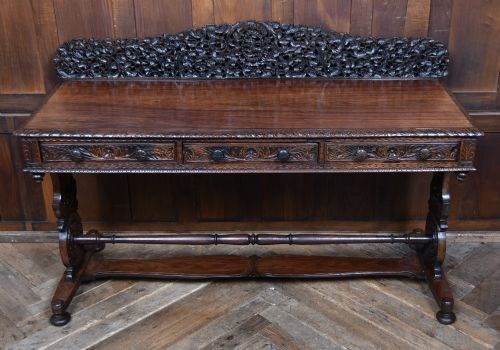
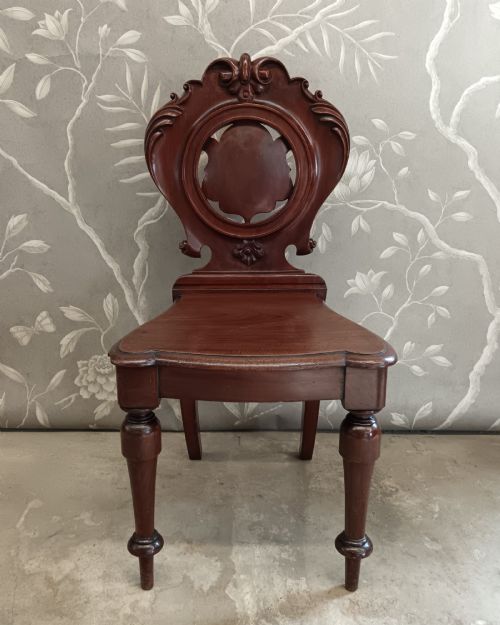
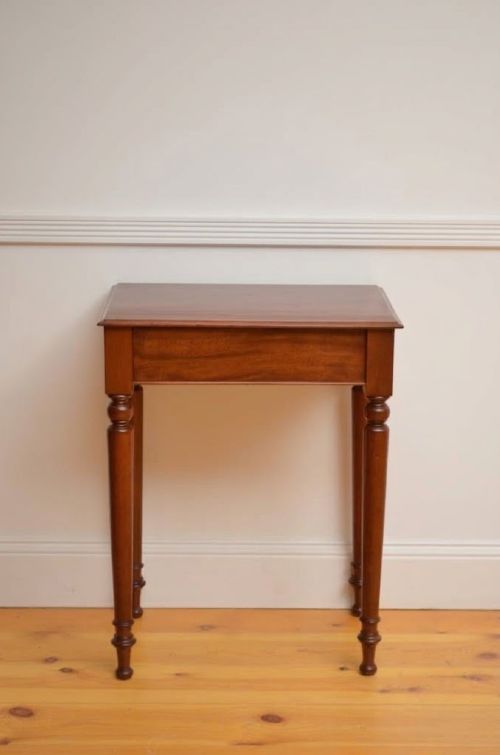
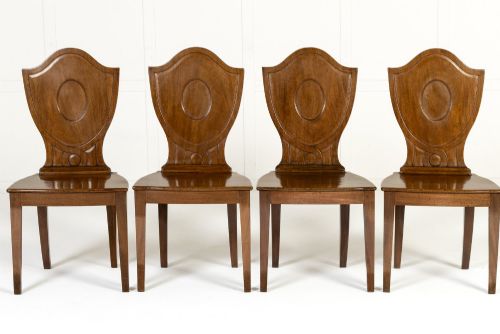
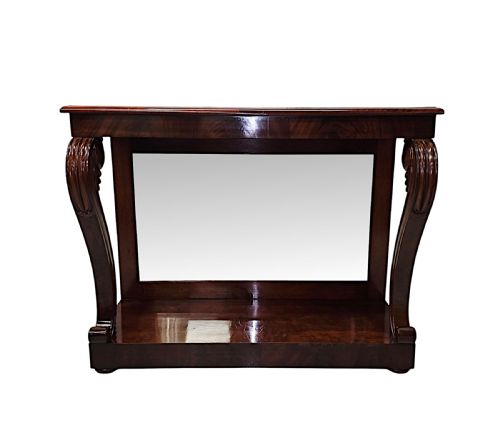
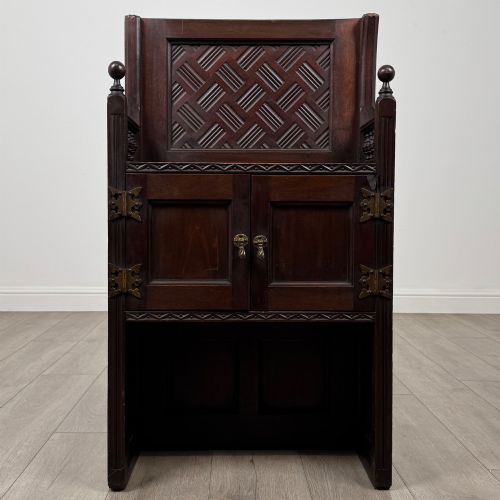
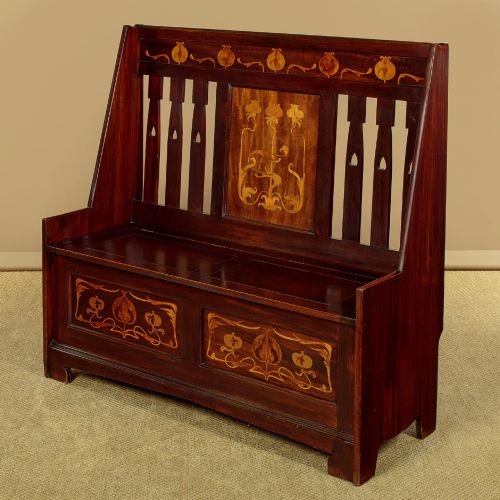
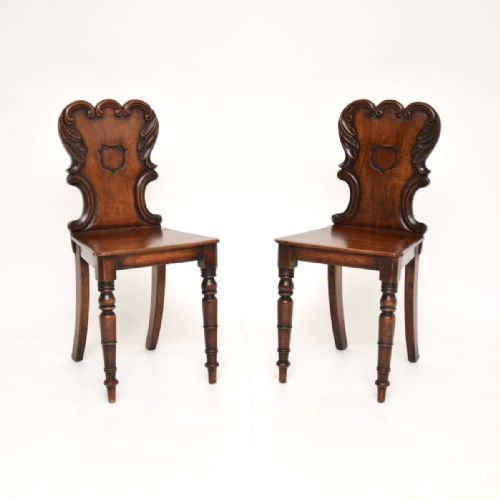
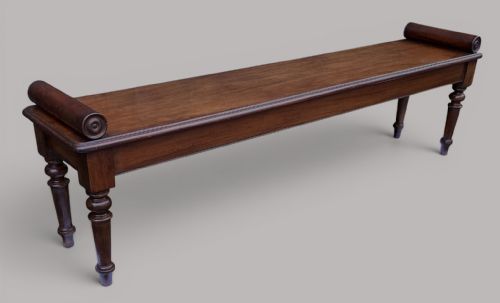
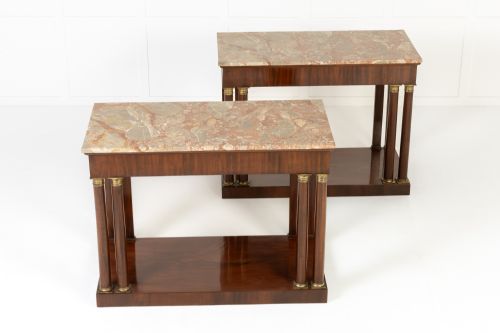
When you search for mahogany entryway furniture, you encounter practical wooden pieces designed for the hall, landing or passage. These include console tables, hall chairs, benches, settles and coat stands from the nineteenth century onwards.
The items you are most likely to meet on this page span the Regency, William IV and Victorian periods. They combine dense timber construction with specific hallway functions, such as umbrella storage, mirror panels or narrow surfaces for incoming post.
What varies in quality
Quality rests in the selection of the mahogany timber, from plain stock to highly figured flame grain. Superior pieces display crisp hand-carved ornament rather than soft, moulded details, alongside robust structural joinery that withstands heavy daily use.
The integrity of secondary materials also dictates value, such as intact original marble slabs, uncracked mirror glass and heavy cast brass hardware. Maker attribution, particularly to known workshops, elevates certain console tables and hall benches above standard workshop production.
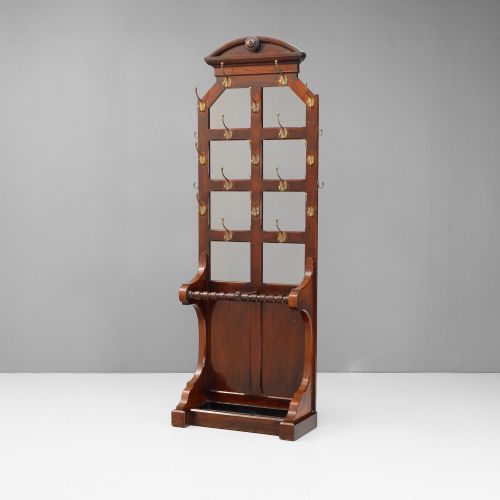
Many Victorian hall stands include built-in metal drip pans specifically designed to catch muddy puddles from gentlemen's umbrellas.
James Shoolbred and Co·Gillows·Gillingtons of Dublin
The Mahogany Entryway Furniture Glossary
- Console table
- A wall-mounted or freestanding table designed for a narrow space like a hallway. These pieces often feature marble tops and elaborate carved legs.
- Hall chair
- A rigid wooden seat intended for brief use in an entryway, frequently carved with crests or shields on the back. They were rarely designed for long periods of sitting.
- Settle
- A wooden bench with high back and solid arms to block drafts in a hallway. Some examples include built-in storage boxes beneath the seat.
- Hall stand
- A multi-functional entryway piece combining a mirror, coat hooks, hat pegs and umbrella stands. Many Victorian versions incorporate cast iron drip pans at the base.
- Flame mahogany
- A decorative wood veneer cut from branches where they join the main trunk, creating a distinctive flickering flame pattern. It was favoured for high-status furniture fronts.
Mahogany Entryway Furniture: Frequently Asked Questions
What is mahogany entryway furniture used for?
These pieces serve practical functions in hallways and corridors, providing surfaces for hats, gloves and post, alongside seating for putting on boots. Standalone furniture items also organise coats, umbrellas and walking sticks.
Console tables furnish narrow passages without blocking movement, while hall benches and chairs offer rigid seating suited to a busy entranceway.
How do I care for mahogany furniture?
Protect the timber from direct sunlight and sudden temperature shifts to prevent the wood from drying out or splitting. Dust regularly with a dry cloth and apply natural beeswax occasionally to maintain the sheen.
Avoid placing wet umbrellas or damp garments directly against unsealed wooden surfaces, especially on pieces lacking marble tops or metal drip trays.
How do I identify a Victorian hall stand?
Victorian hall stands typically combine dark mahogany frames with central mirror panels, numerous brass or iron coat hooks and umbrella wells at the base. They often feature carved pediments and heavy proportions.
Later Victorian examples from the late nineteenth century lean towards simpler, darker mass-produced formats, whereas mid-century pieces display heavier hand-carved scrollwork.
What is a Regency console table?
A Regency console table is a narrow entryway surface produced during the early nineteenth century, frequently placed against a wall beneath a mirror. They often feature flame mahogany veneers, carved animal paw feet or brass mounts.
These tables generally use marble or polished wood tops and reflect classical architectural influences popular during the early 1800s.