
English Victorian Chairs
English Victorian chairs combine sturdy vernacular traditions with formal dining rooms through varied woods and upholstered designs.
English Victorian Chairs
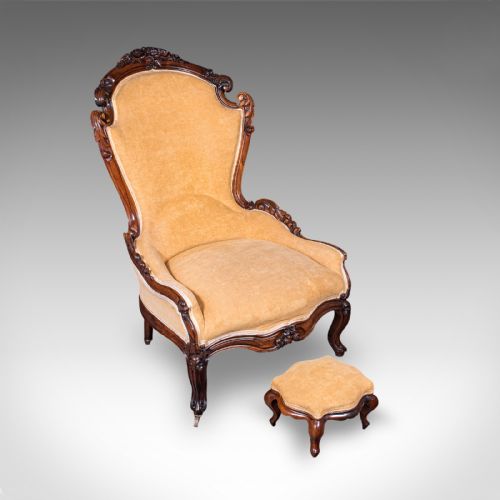
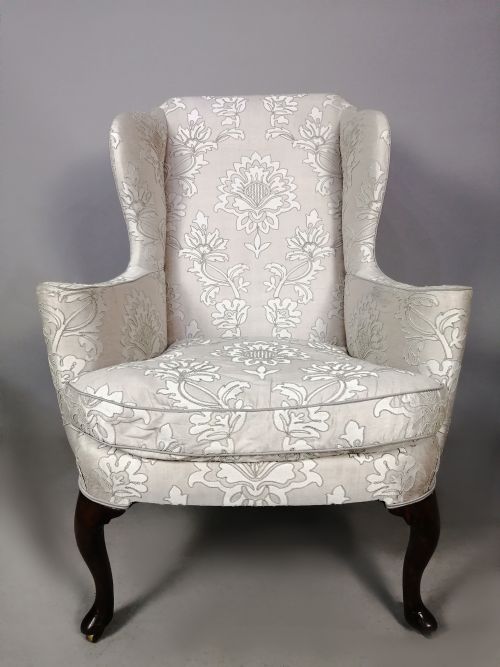
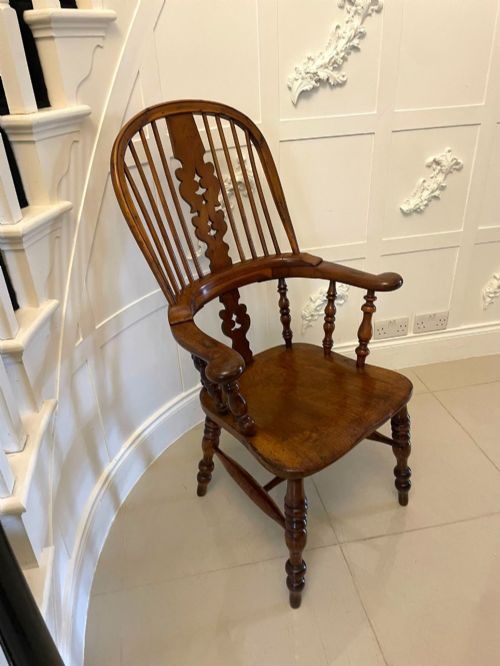
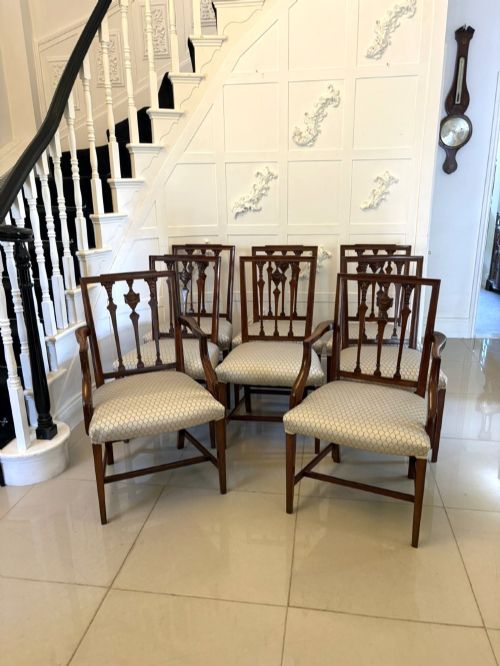
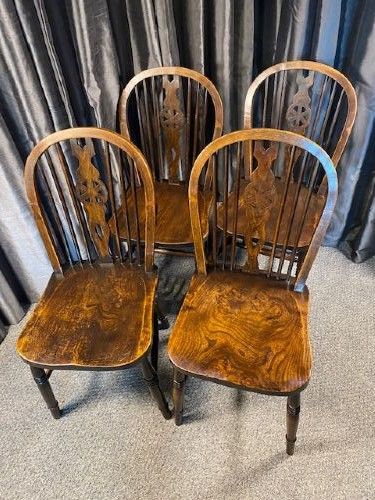
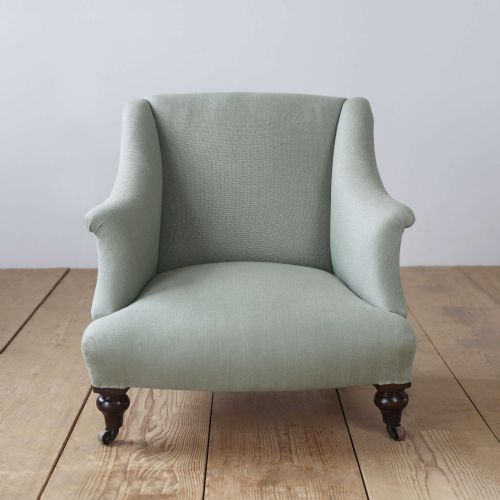
English Victorian chairs encompass a diverse group of seating furniture produced during the nineteenth century, ranging from country kitchen Windsors to formal mahogany dining sets. Buyers searching for english victorian chairs frequently encounter robust elm and ash spindlebacks alongside walnut and mahogany upholstered armchairs.
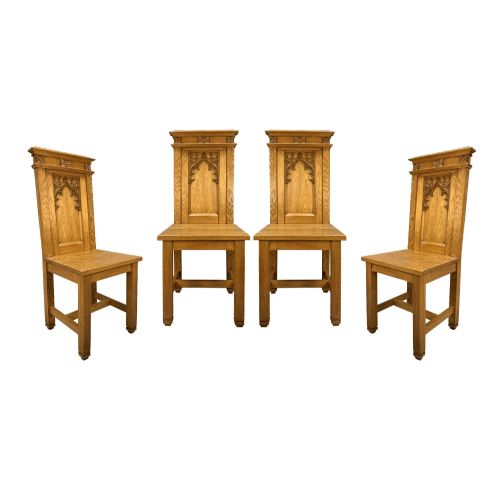
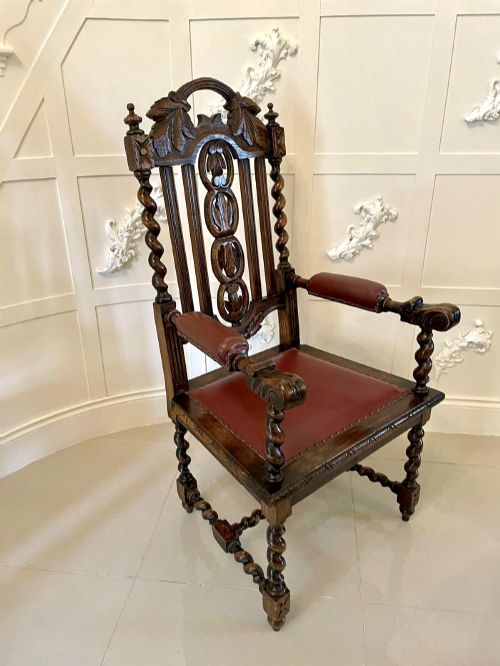
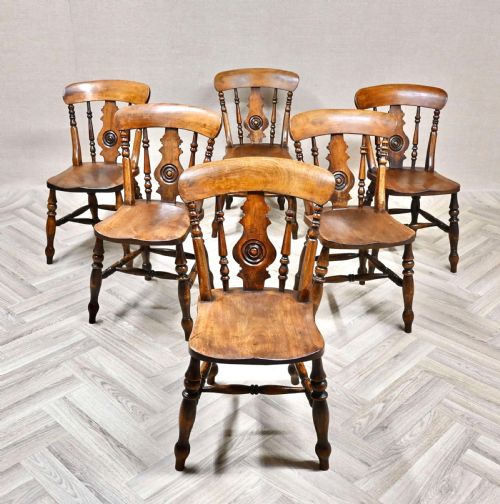
The selection includes specific regional forms such as Lancashire rush-seated ladderbacks, Windsor armchairs with wheel or comb backs, and reception hall seats carved in the Gothic Revival taste. Dining variants appear singly or in large matched sets, reflecting the domestic requirements of nineteenth-century households.
Makers and workshops utilised native hardwoods alongside imported timber to construct functional seating for kitchens, libraries, and morning rooms. These pieces survive in various states of preservation, retaining original leather upholstery or showing decades of surface patination.
How they were made
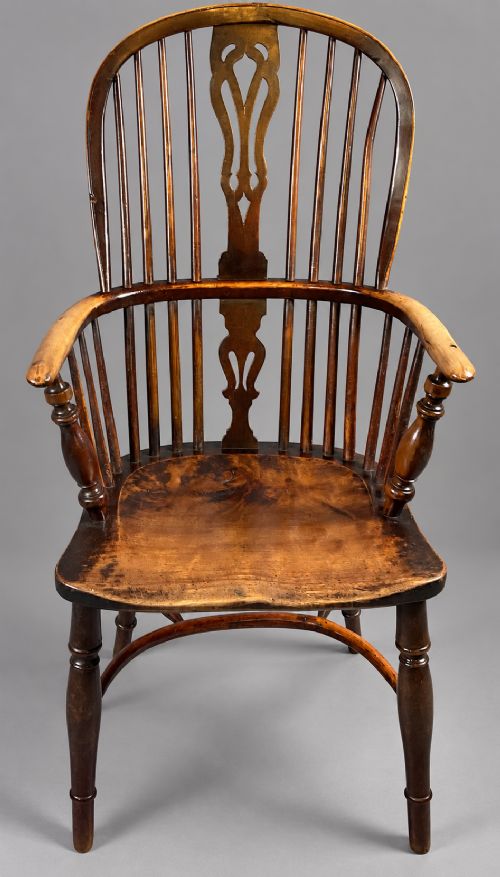
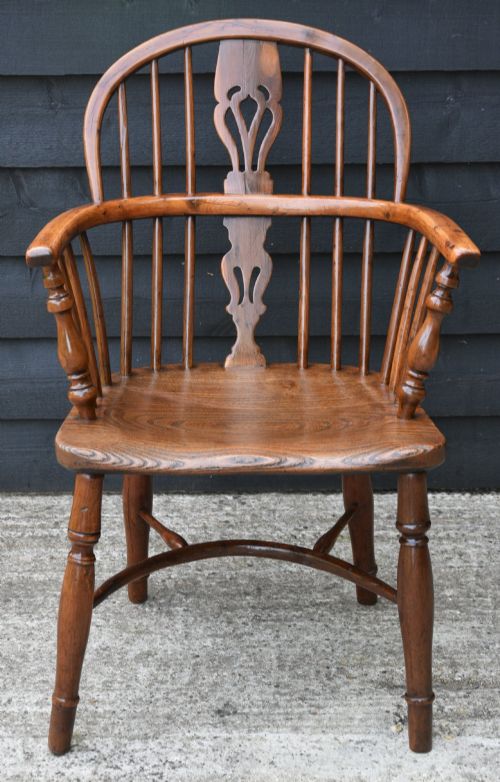
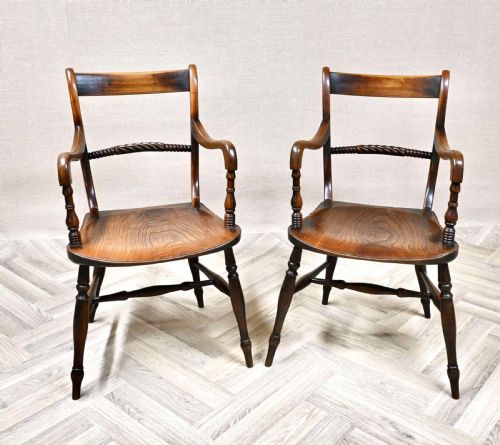
Makers constructed wooden frames using traditional joinery techniques, turning solid timbers like beech, ash, and elm on lathes for spindle and leg components. Windsor chairs combine bentwood hoops with sculpted elm seats, securing individual uprights through wedged tenons.
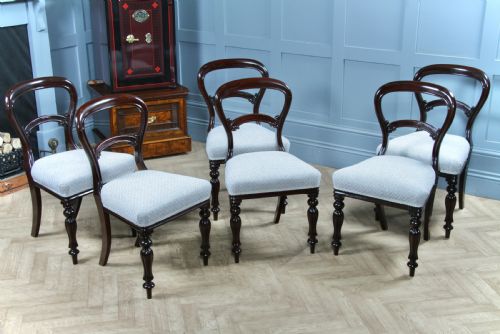
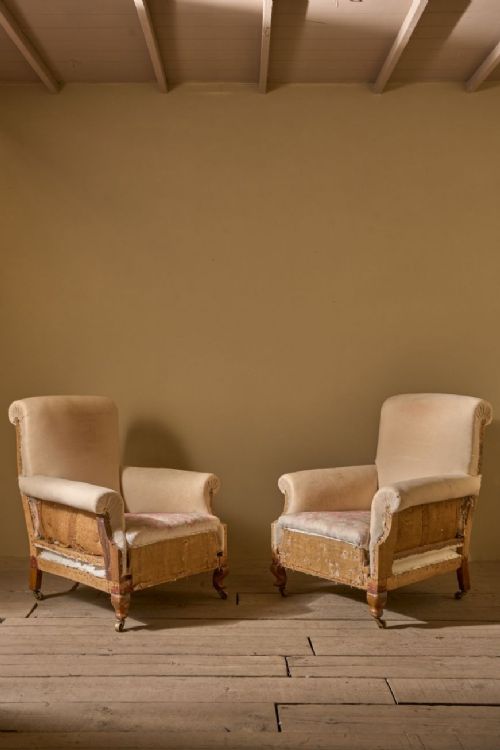
Formal seating relied upon dense mahogany and walnut, shaped into balloon, spoon, or buckle backs through steam bending and hand carving. Upholstered variants integrated horsehair stuffing and webbing secured by iron tacks beneath leather or fabric coverings.
Church pews and box settles with integrated storage containers offer sturdy seating solutions for hallways.
What varies in quality
Quality depends upon the selection of timber and the integrity of the original construction, with superior examples utilising figured mahogany or deeply grained yew wood. Master craftsmen ensured tight joints without excessive modern reinforcement, maintaining the balance of the frame.
Refining details such as hand-carved splats, crisp turning on chair legs, and stamped manufacturer marks elevate certain pieces above standard vernacular production. Uniformity across large dining sets also influences desirability among collectors.
Howard and Sons·Philip Clissett·Gillows·Gill and Reigate
The English Victorian Chairs Glossary
- Windsor chair
- A wooden chair constructed with a thick saddle-shaped seat into which the legs and back sticks are independently inserted. These pieces rely on a central bow or comb for back support.
- Balloon back
- A rounded, oval-shaped chair back resembling an inflated balloon, popular in mid-nineteenth-century dining chairs. This curved profile required precise steam bending of mahogany or walnut timber.
- Smoker's bow
- A low-backed Windsor armchair featuring a continuous curved arm rail and spindle supports, traditionally used in provincial settings and inns. They typically combine ash frames with elm seats.
- Gothic Revival
- A design style drawing inspiration from medieval architecture, characterised by pointed arches, trefoils, and heavy carved oak. This aesthetic frequently appears on nineteenth-century hall chairs and church pews.
- Spoon back
- An upholstered chair back shaped with a concave recess that mirrors the bowl of a spoon. This form provides ergonomic support in nineteenth-century drawing-room seating.
English Victorian Chairs: Frequently Asked Questions
How do I identify a Windsor chair?
Windsor chairs feature distinct wooden components socketed directly into a solid sculpted seat rather than relying on a framed skeleton. Look for turned legs, a bow back, and visible wedged joints on the underside.
Regional variations include comb backs, wheel backs, and low stick backs constructed from ash, elm, and yew.
Were these chairs used for dining?
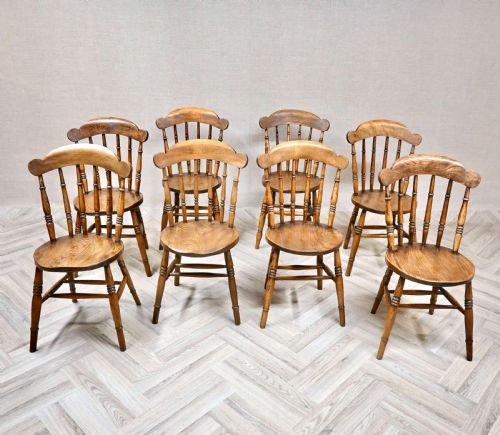
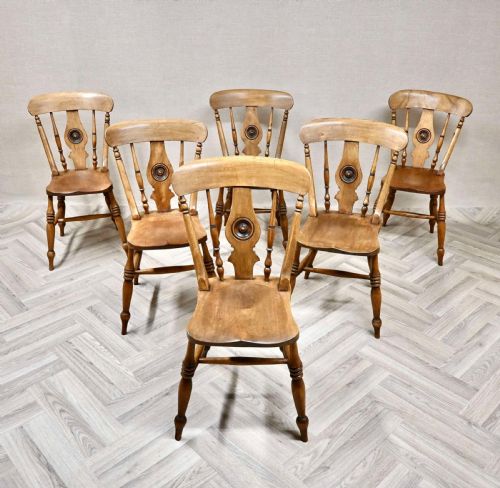
Many nineteenth-century chairs served specifically around dining tables, often produced in matched sets ranging from four to fourteen pieces. Common formal dining styles include balloon backs and carved mahogany frames.
Simpler ladderback and rush-seated versions equipped everyday farmhouse and kitchen spaces.
How should I care for antique wood?
Maintain wooden surfaces by applying traditional beeswax periodically to nourish the dry timber and preserve the historic patina. Avoid placing pieces near direct heat sources or strong sunlight which can cause warping.
Clean upholstery gently according to the specific material, protecting leather with appropriate conditioners.
What defines the Gothic Revival style?
Gothic Revival pieces incorporate medieval architectural motifs such as pointed arches, quatrefoils, and heavy carved panels into structural seating. Oak and walnut served as the primary woods for these ecclesiastical and domestic designs.
Hall chairs and library armchairs frequently displayed these pointed geometric patterns during the Victorian era.