
Mahogany Double Door Cabinet
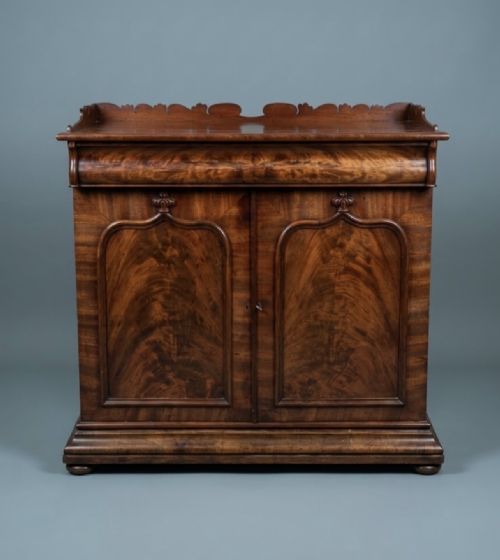
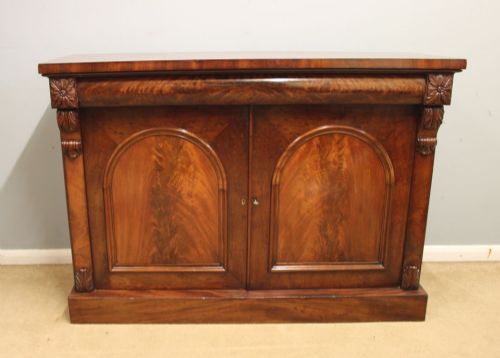
A mahogany double door cabinet brings functional British storage and timber figure into a room.
The Types Available
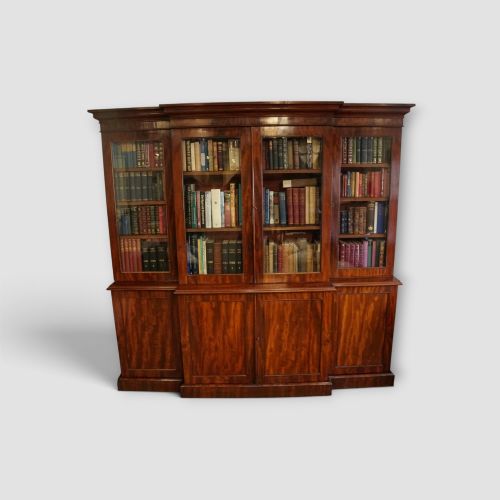
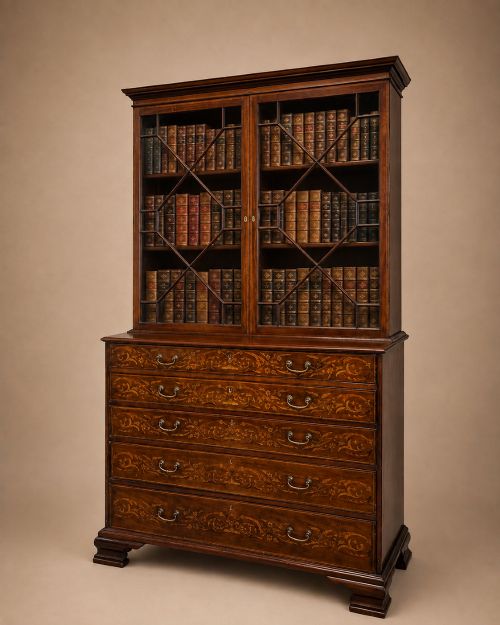
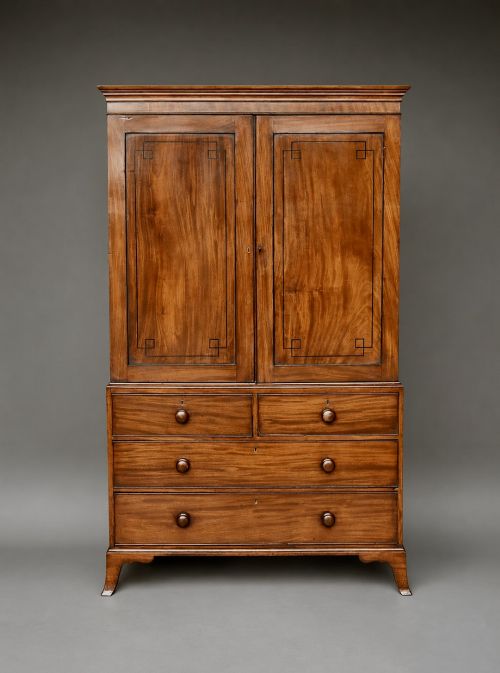
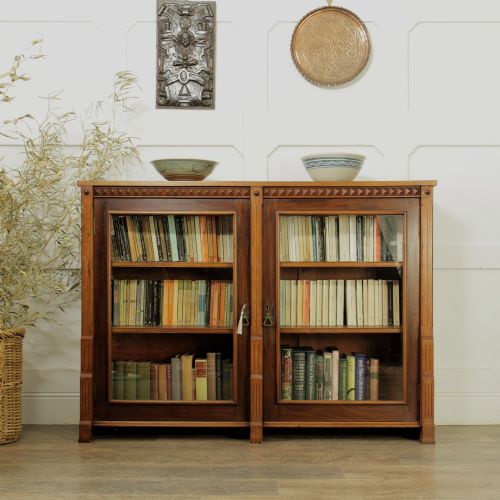
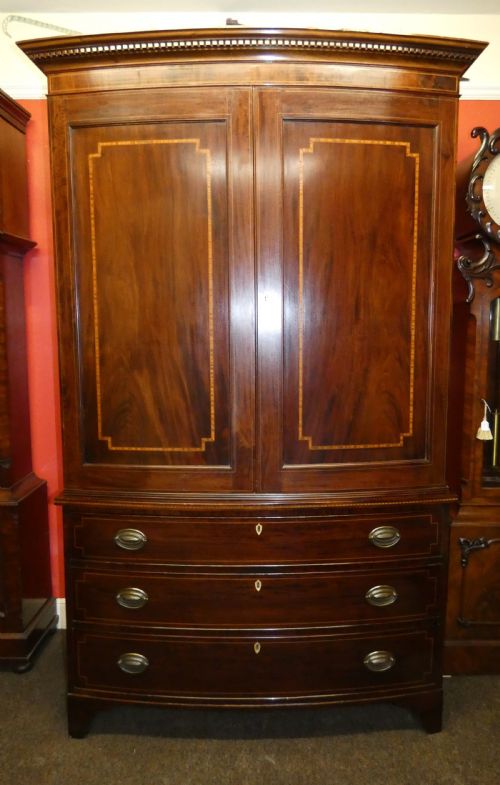
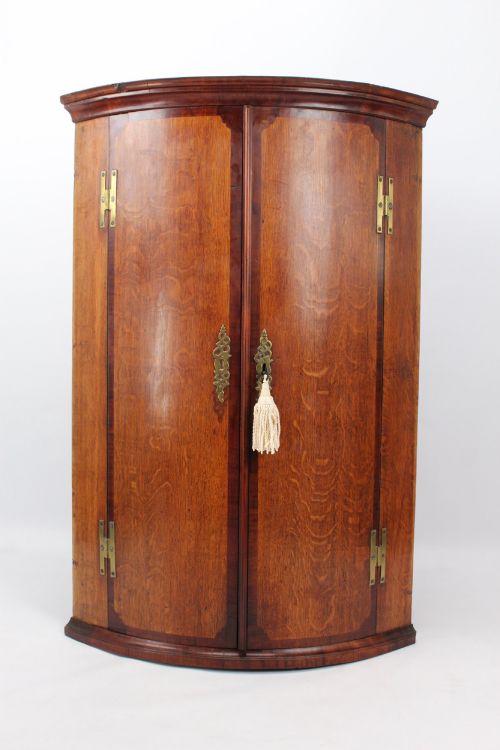
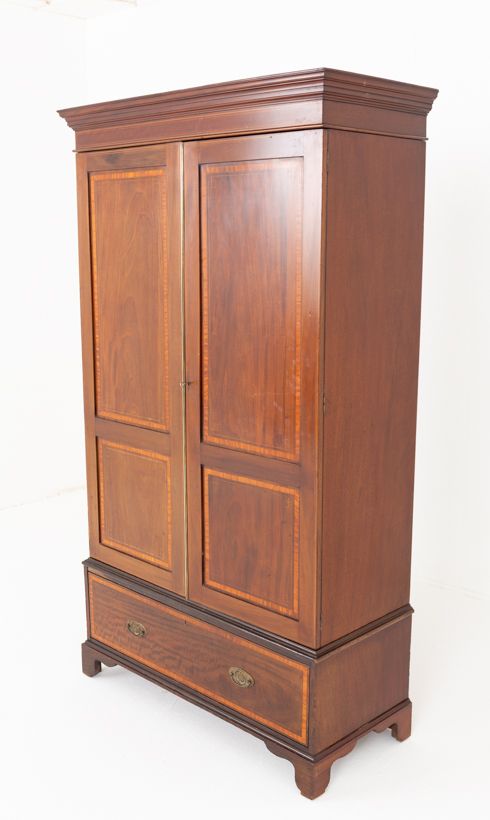
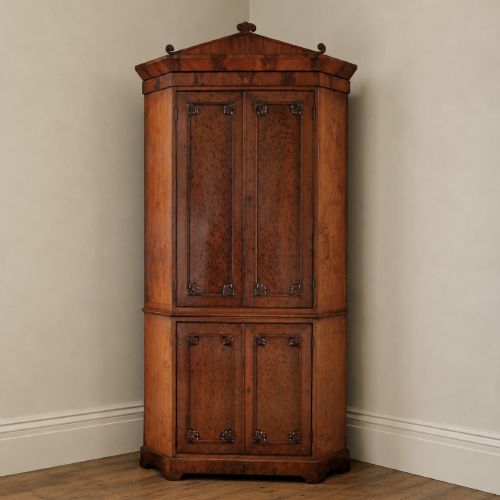
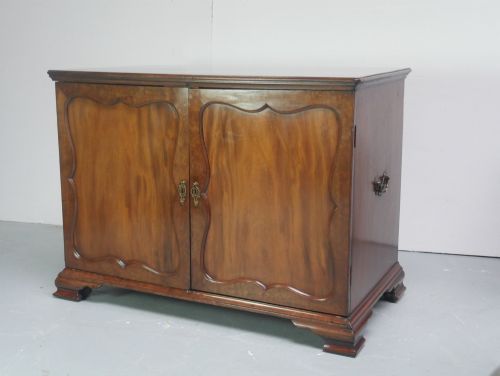
A mahogany double door cabinet appears across several forms including side cabinets, linen presses, wine chests, and bookcases on chests. These pieces emerge from the eighteenth century, the Georgian era, and the Victorian period, reflecting traditional cabinet-making traditions.
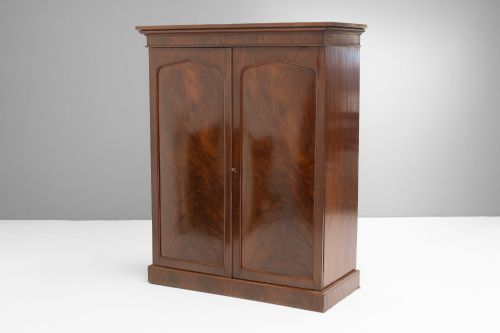
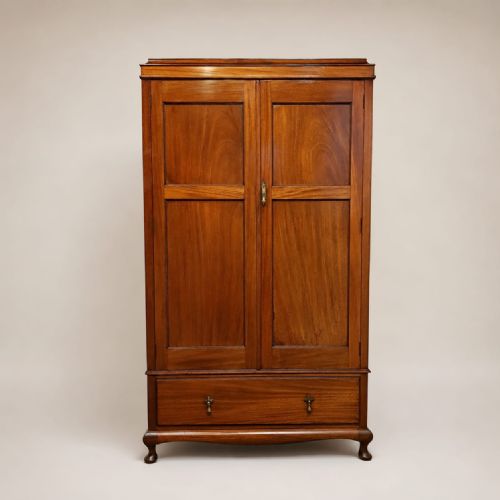
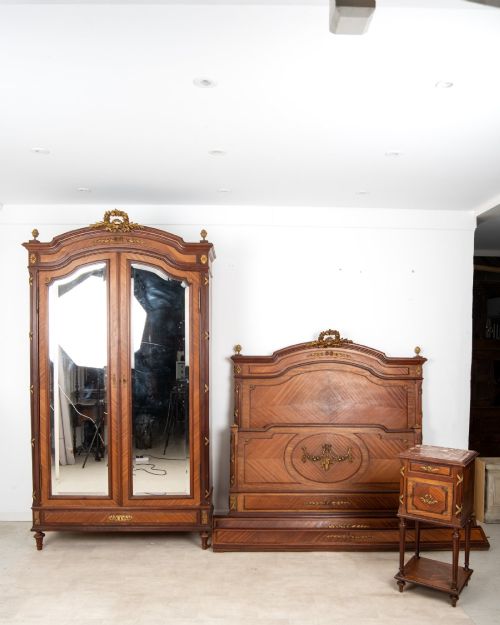
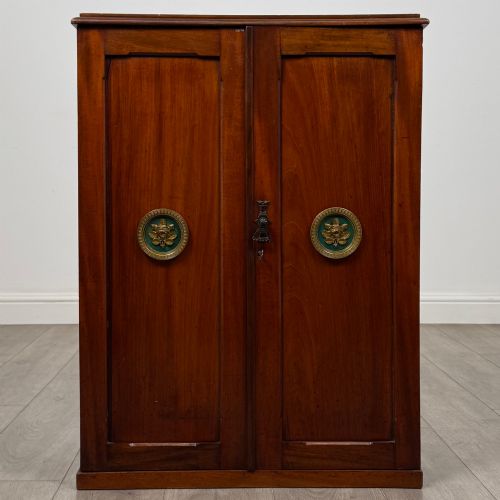
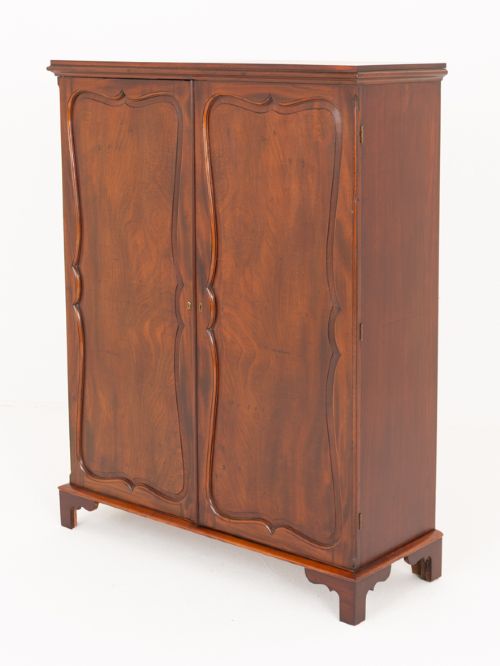
The most common examples on this page are side cabinets and cupboards featuring twin doors, constructed primarily in solid mahogany or finished with distinct flame veneers. Each version provides enclosed shelving or storage space suited to domestic use.
Construction and Materials
Workshops built these cabinets using solid timber and decorative veneers, selecting mahogany for its strength and rich grain. Selected pieces incorporate flame mahogany veneer to create striking patterns on the door panels.
Retail Price Guide 2026
Typical UK retail prices for mahogany double door cabinet, calculated from the Sellingantiques database of over a million retail prices indexed since 2003. This retail price guide relies exclusively on Sellingantiques data; no external sources or auction records are used, so the figures do not describe the wider market.
One persistent eighteenth-century cabinet arrived with an attribution to Thomas Bradshaw, proving that even wood likes to carry a famous name tag.
Judging Quality
Superior examples demonstrate careful timber selection, where the grain matching across the double doors creates a balanced visual rhythm. The deployment of figured veneers like flame mahogany distinguishes finer workshop outputs from plain utility furniture.
Architectural details such as flared cornices or well-executed carcass proportions separate exceptional pieces from simpler regional items. The integration of original brass fittings further elevates the standing of a given cabinet.
Thomas Bradshaw
The Mahogany Double Door Cabinet Glossary
- Georgian
- A style and period spanning the eighteenth and early nineteenth centuries, associated with classical proportions and balanced design. Pieces from this era often display restrained ornament.
- Victorian
- A nineteenth-century period characterised by diverse revival styles and robust domestic furniture. Cabinets from this era frequently utilise heavier proportions and pronounced cornices.
- Escutcheon
- A protective brass plate surrounding a keyhole. These metal mounts guard the wood from wear and add a decorative accent to the doors.
Frequently Asked Questions
What is a mahogany double door cabinet used for?
These pieces provide versatile storage within living spaces, dining rooms, or hallways. Interiors typically accommodate shelves for books, linen, or household items behind the panelled doors.
Historically, specific variants such as wine chests or side cabinets served specialised storage functions. Today, they function equally well as focal storage furniture in traditional or contemporary interiors.
How do I date a mahogany cabinet?
Dating relies on observing structural characteristics, timber types, and decorative vocabulary associated with particular eras. Eighteenth-century and Georgian pieces tend to exhibit lighter proportions, while Victorian items often show heavier cornices and darker finishes.
Examining the secondary timbers inside the carcass and the style of brass hardware provides additional chronological clues. Comparing construction methods against documented periods helps narrow down the decade of manufacture.
How do I care for mahogany furniture?
Maintain the timber by keeping the cabinet away from direct heat sources and strong sunlight, which can dry out or fade the polish. Regular dusting with a soft, dry cloth prevents surface build-up.
Apply a traditional beeswax polish sparingly when the wood appears dry, buffing gently to maintain the lustre. Avoid using modern silicone sprays that can permanently alter the finish.
Are these cabinets solid wood?
Construction methods combine solid timber frames with decorative veneers applied to secondary woods. This technique prevents warping while showcasing highly figured grain patterns on the exterior surfaces.
Materials recorded across these listings include solid mahogany alongside specialised flame mahogany veneer. The combination ensured both structural stability and visual elegance.