

Mahogany Chair Frame
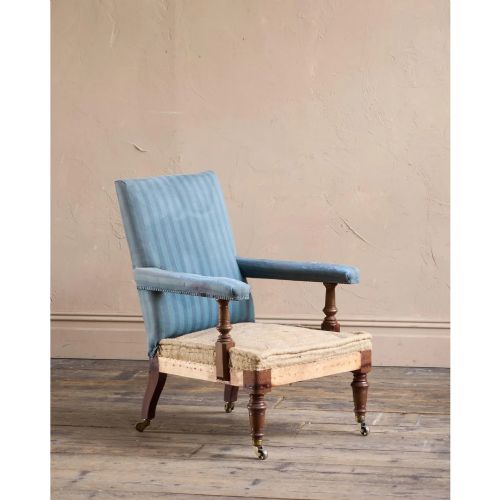
A mahogany chair frame forms the sturdy structural skeleton of seating that ranges from library armchairs to nursing chairs across the centuries.
Mahogany Chair Frame
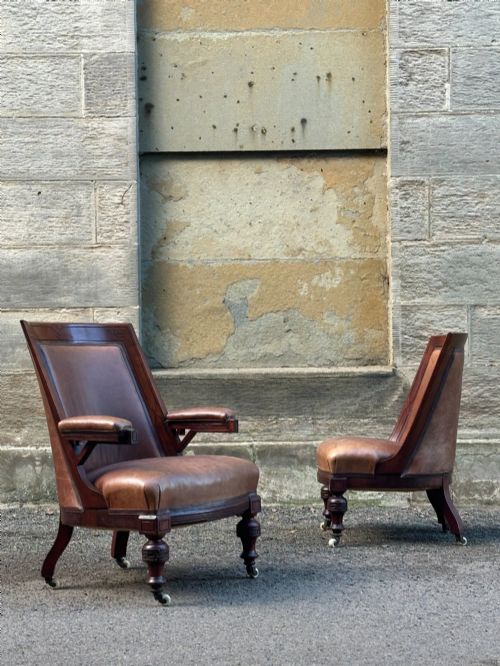
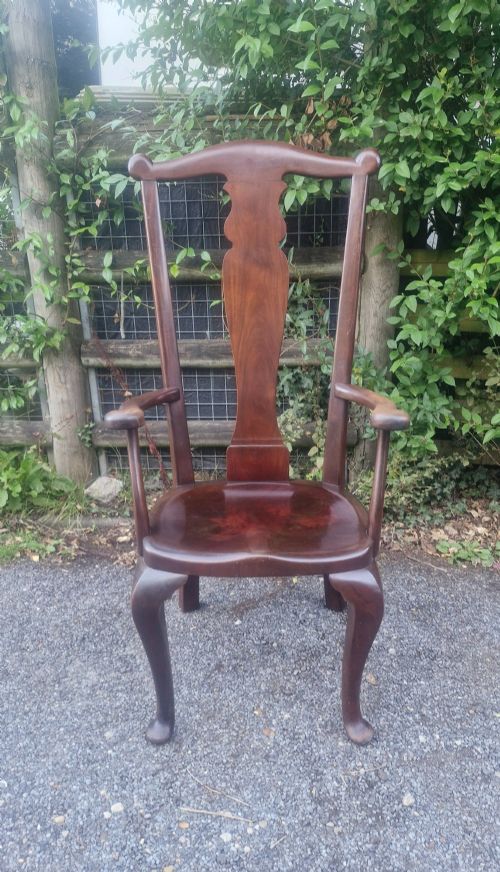
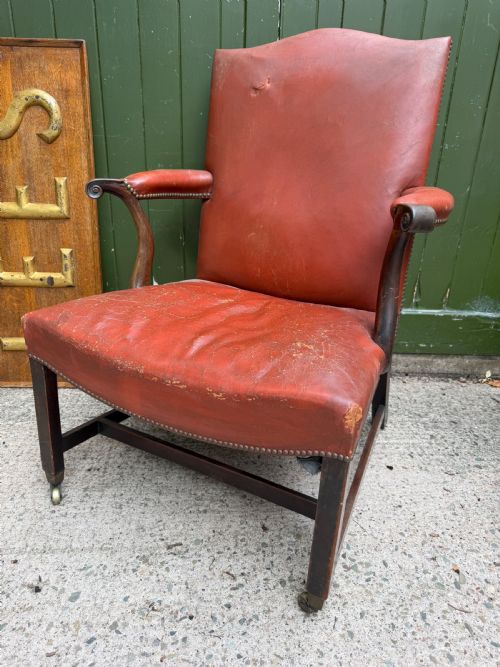
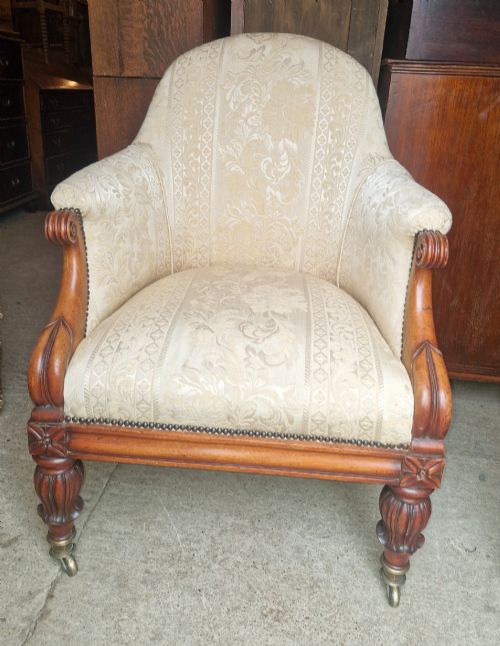
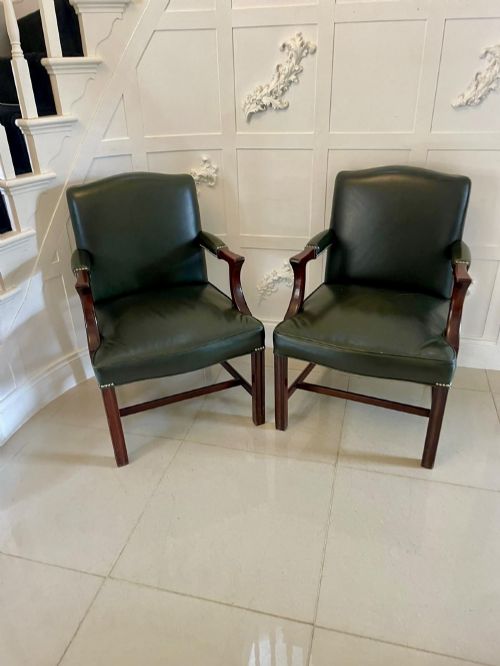
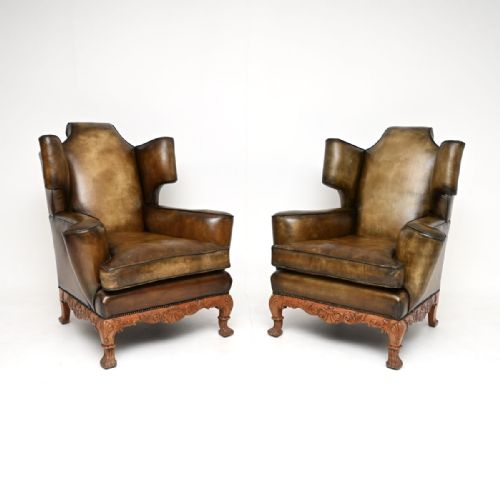
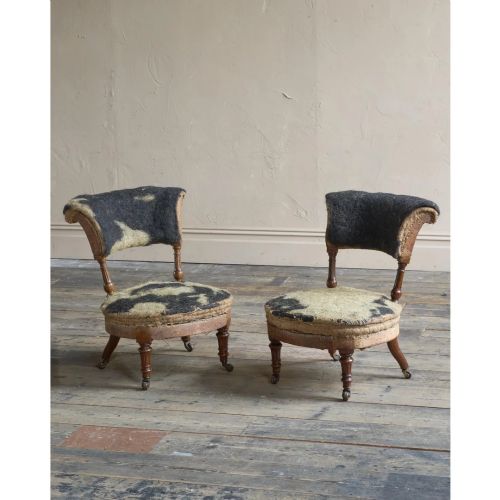
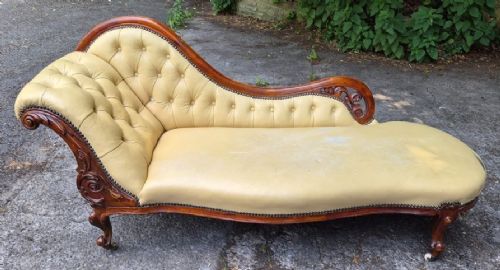
A mahogany chair frame provides the essential timber armature for seating designed across Georgian, Regency, and Victorian periods. Buyers encounter everything from formal library armchairs and Gainsborough styles to dining chairs and low-slung nursing chairs.
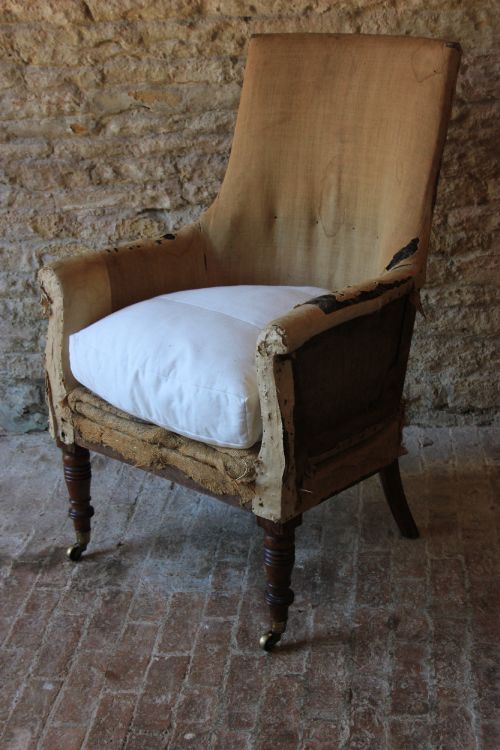
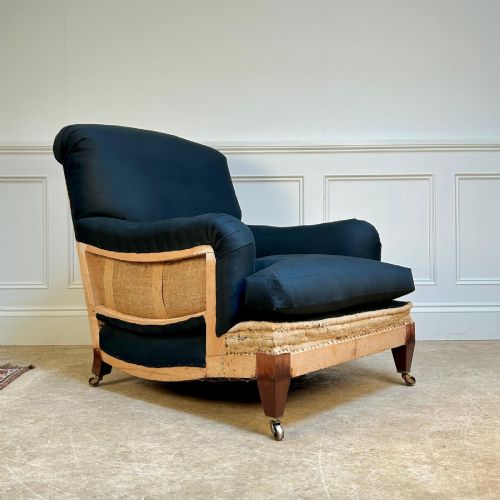
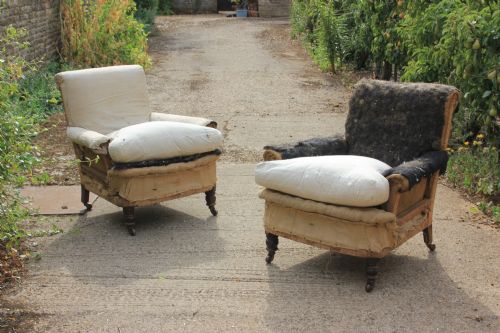
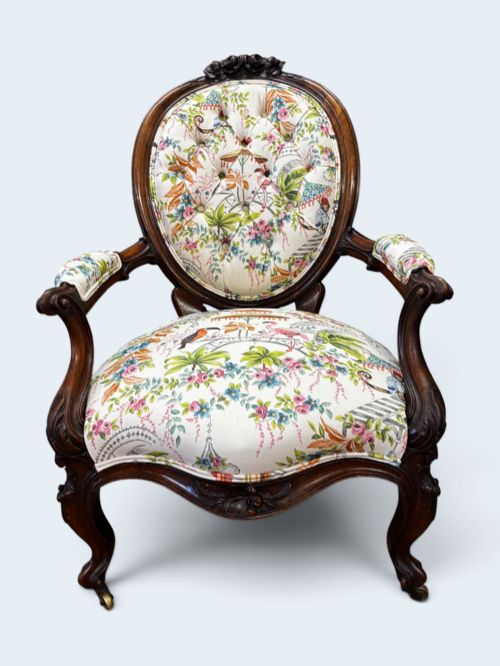
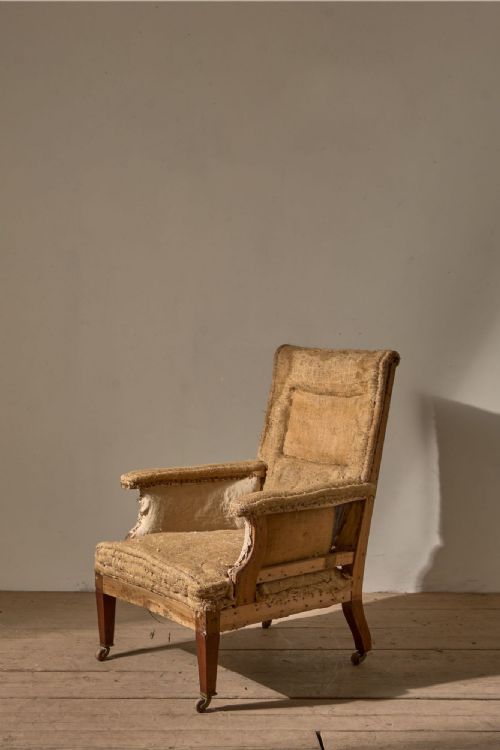
The material appears in multiple forms, including show wood frames where polished mahogany is left exposed around upholstery, and foundational skeletons hidden beneath leather, velvet, or calico. Pieces often feature structural support elements like brass castors and cabriole legs.
Originating predominantly from British domestic contexts, these frames demonstrate the evolution of domestic comfort from rigid high-backed dining seating to deep-seated country house lounging.
Materials and construction
Solid mahogany forms the primary structural timber, chosen for its density, rich grain, and capacity to hold intricate carved detail along show frames. Joinery relied on traditional mortise and tenon construction to withstand the weight and movement of daily use.
Internal support systems incorporate webbing, hessian, and iron frames or traditional iron-back construction, layered underneath upholstery fabrics like leather, horsehair stuffing, and velvet. Brass castors frequently provide mobility to heavier library and desk armchairs.
Listings feature mahogany chair frames spanning the Georgian, Regency, Victorian, and Edwardian eras, incorporating leather, brass, and caning.
Distinctions in craftsmanship
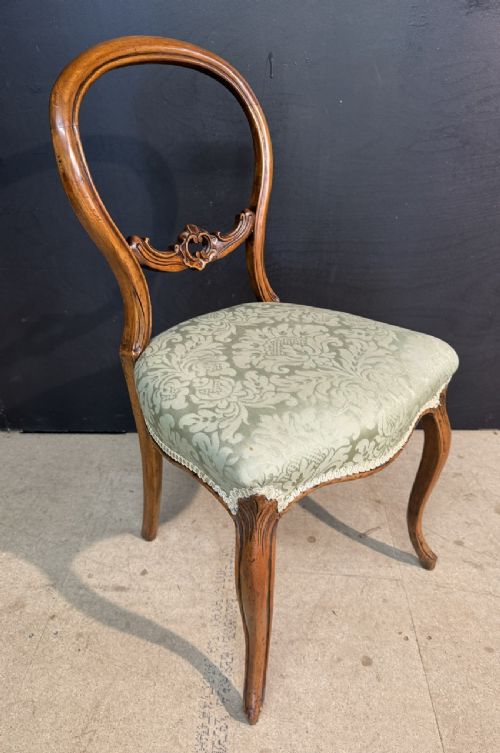
The caliber of a mahogany chair frame depends heavily on the precision of the timber selection and the depth of hand-carved ornamentation on show wood components. Finer examples display crisply defined foliage, cabriole legs, or reeded sabre legs executed by skilled makers rather than mass-produced uniformity.
Structural integrity dictates longevity, with superior pieces maintaining tight joinery and robust underlying iron or wooden framing that resists wobbling under deep seating loads. The integration of high-grade leather, canework, or period-appropriate upholstery materials further elevates the stature of the piece.
Morison and Co·Gillows·Howard And Sons·Holland and Sons·Minter·Denby and Spinks·R Whytock and Co
The Mahogany Chair Frame Glossary
- Show wood
- Timber framing left exposed around the upholstered portions of a chair. This allows the polished grain of the mahogany to contribute directly to the visual design.
- Gainsborough chair
- A wide, upholstered armchair with open padded arms, low sides, and short legs dating back to the Georgian era. It was originally designed for writing desks or libraries.
- Bergere
- An enclosed upholstered armchair featuring cane lattice work on the back or sides. The wooden frame typically outlines the woven panels.
- Sabre leg
- A gently curved, outward-sweeping furniture leg tapering toward the floor. This form is particularly characteristic of Regency dining and library chairs.
- Cabriole leg
- A furniture leg that curves outward in a convex arc at the knee and tapers inward in a concave arc toward the foot. It frequently terminates in ball and claw feet.
Mahogany Chair Frame: Frequently Asked Questions
What is a mahogany chair frame?
A mahogany chair frame is the exposed or hidden wooden skeleton of a historic seat, constructed from dense tropical hardwood to provide enduring structural support.
These frameworks define the silhouette of the chair, whether it is a grand library armchair or a delicate nursing seat.
How do I identify a Regency period frame?
Regency frames often feature characteristic elements such as reeded sabre legs, scroll arms, and dark, finely grained mahogany timbers reflecting classical revival designs.
Comparison with documented examples from makers like Gillows can also help confirm the manufacturing era.
Were these chairs used in offices?
Many mahogany frames served functional roles as desk chairs, office chairs, and library seating where durability and formal appearance were required.
They frequently incorporated swivel mechanisms, castors, or leather upholstery to suit long hours of reading and administration.
How do I care for exposed show wood?
Exposed mahogany show wood benefits from occasional dusting with a soft cloth and the sparing application of traditional beeswax to nourish the polished grain.
Keep these frames away from direct heat sources and strong sunlight to prevent the timber from drying out or fading over time.