




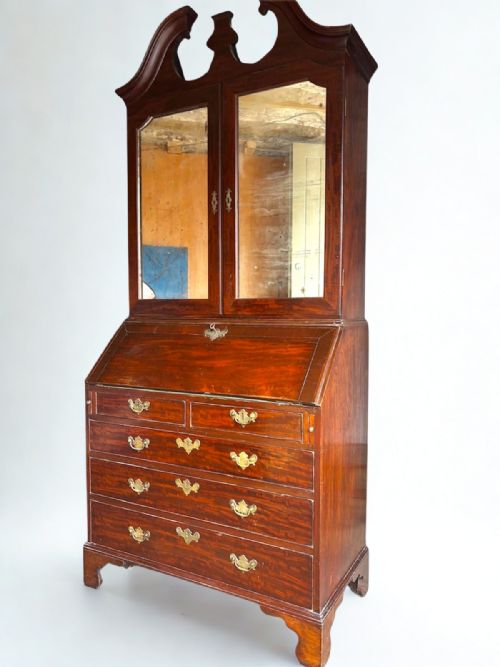


Mahogany Bureau Mirror
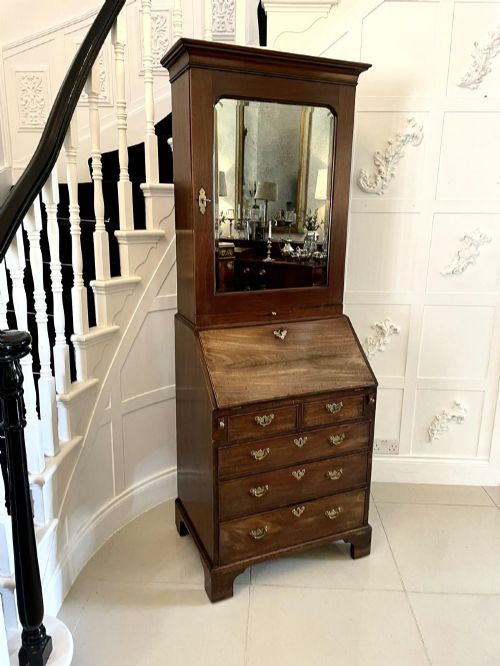
These mahogany bureau mirror examples combine practical writing surfaces and pivoting glass, offering the ideal dual-purpose piece for a period bedroom or study.
Mahogany Bureau Mirror
When you search for a mahogany bureau mirror, you encounter compact dressing table glasses and larger writing furniture that integrate pivoting mirror plates. These items span the 18th century, Georgian era, Victorian period, and Edwardian times, reflecting diverse domestic needs for grooming and correspondence.
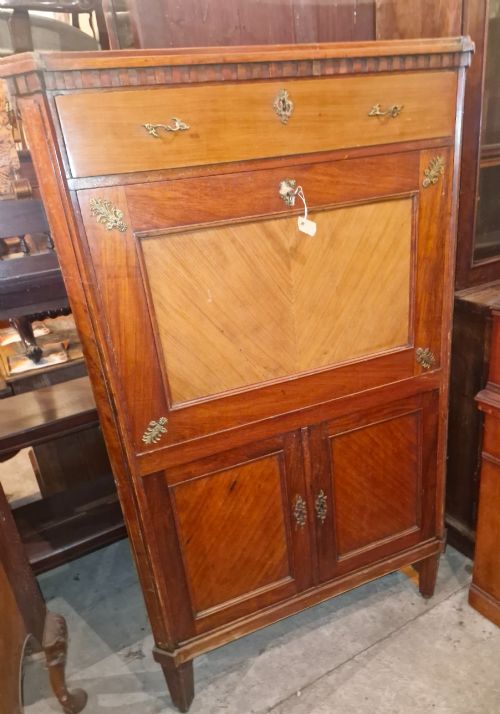
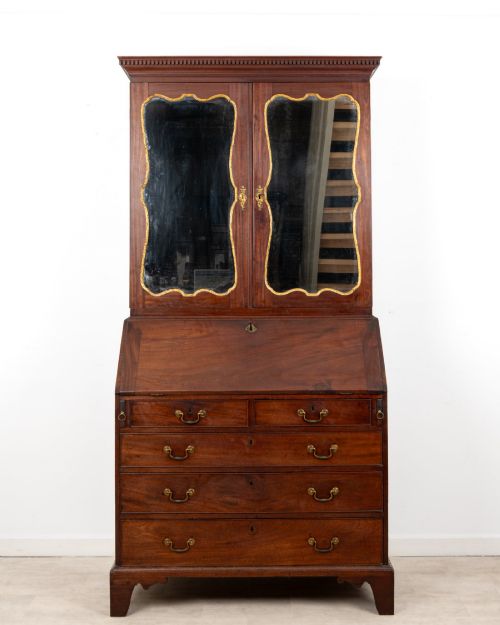
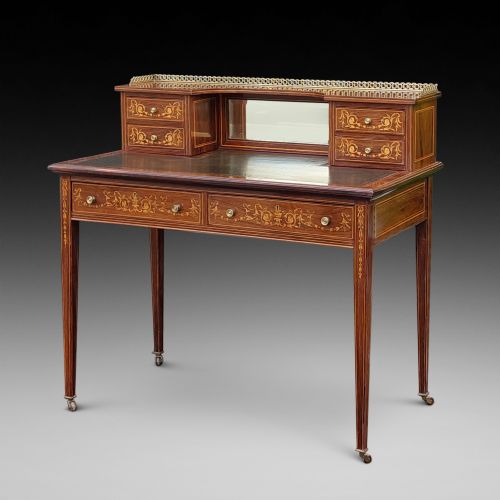
The pieces appearing on this page range from small toilet mirrors designed for chests to elaborate bureau bookcases and bonheur du jour desks featuring glass panels and writing flaps. Georgian and George III examples sit alongside later Edwardian and Victorian interpretations of the form.
Materials and construction
Cabinetmakers utilised dense mahogany, frequently incorporating Cuban mahogany variants, alongside secondary woods like oak and walnut. Surfaces often display satinwood inlay or brass hardware such as adjustable pivots and drawer pulls.
Glass plates provide the reflective surface, held within pivoting frames supported by upright arms or integrated directly into the upper doors of secretaire cabinets and bureau bookcases.
Listings feature mahogany, satinwood, oak, and walnut, spanning periods from the 18th century through the Georgian, Victorian, and Edwardian eras.
Assessing quality and execution
Quality rests in the precision of the cabinetwork, visible in the dovetail joints of the drawers and the crispness of any inlaid decoration. The selection of figured mahogany veneer determines the visual depth of the timber.
The integrity of the mirror glass and the smooth action of the pivoting mechanism or fall-front writing surface distinguish finer examples from standard production.
Maple & Co·Jas Shoolbred
The Mahogany Bureau Mirror Glossary
- Bureau mirror
- A dressing table glass or toilet mirror, often mounted on a small base containing drawers. These pieces sit atop chests or tables for personal grooming.
- Bonheur du jour
- A light lady's writing desk introduced in the 18th century, typically featuring a small cabinet, shelves, or drawers above the writing surface.
- Cuban mahogany
- A dense, dark timber harvested in the West Indies, prized by 18th-century cabinetmakers for its rich grain and capacity to hold fine carved detail.
- Secretaire
- A piece of furniture containing a concealed writing drawer or a drop-front flap that reveals small compartments and pigeonholes.
- Georgian
- A design period spanning the reigns of the first four Georges, characterised by classical proportions, solid mahogany construction, and restrained ornament.
Mahogany Bureau Mirror: Frequently Asked Questions
What is a mahogany bureau mirror?
A mahogany bureau mirror refers to pivoting dressing table glasses and multi-functional writing furniture pieces that incorporate mirror plates. They combine compact storage, writing surfaces, and adjustable glass.
These items serve dual purposes in domestic interiors, functioning as both writing desks and grooming stands across different historical periods.
How do I date a mahogany piece?
Dating involves examining construction methods, timber selection, and hardware styles. Earlier pieces from the 18th century display hand-cut dovetails and Cuban mahogany.
Later Victorian and Edwardian examples often utilise machine-sawn elements, different secondary woods, and distinct revival decorative motifs.
Where should I place it?
These pieces suit bedrooms, dressing rooms, or studies where their dual function can be utilised. Their compact footprints allow them to sit comfortably against walls or on top of matching chests.
Positioning them near natural light helps maximise the utility of the pivoting mirror plate for daily use.
Are these pieces suitable for daily use?
Solid construction and durable mahogany timber make these items robust for everyday tasks like writing or grooming. Regular dusting and careful handling of the writing flaps preserve the finish.
Maintaining stable room humidity prevents the timber and veneer from shifting over time.