
Mahogany Armchair with Castors
These mahogany armchair with castors pieces bring solid timber frames and rolling bases together for easy movement across the floor.
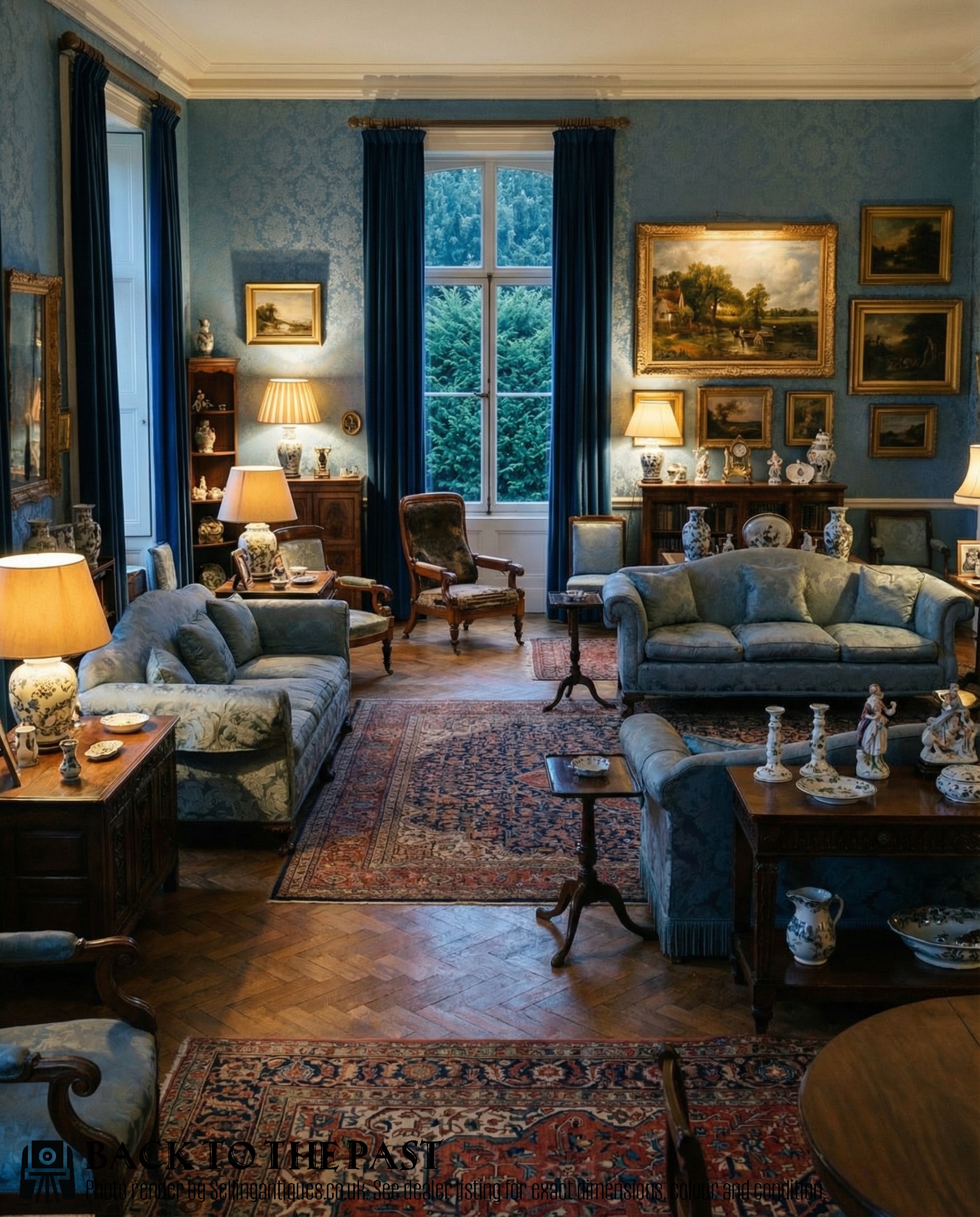
Mahogany Armchair with Castors
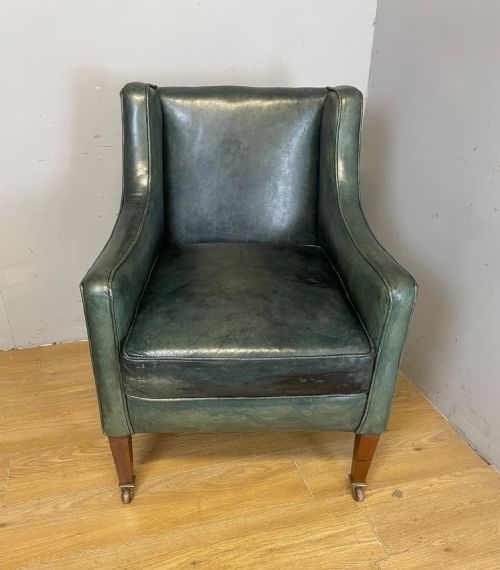
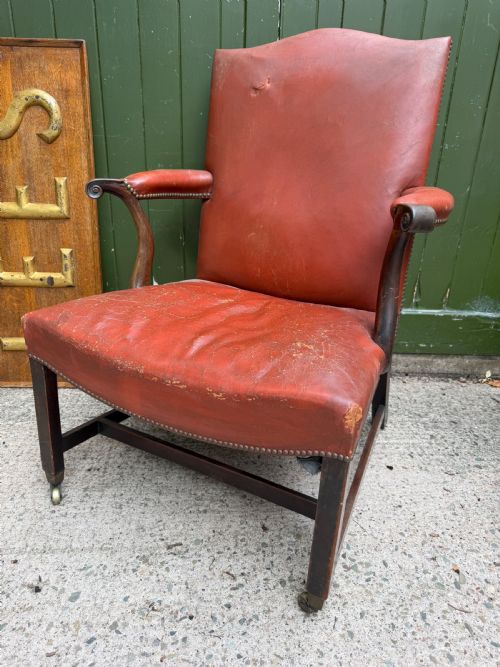
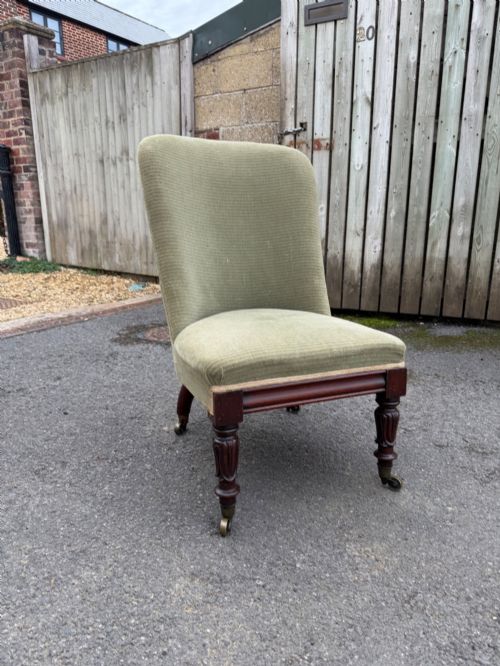
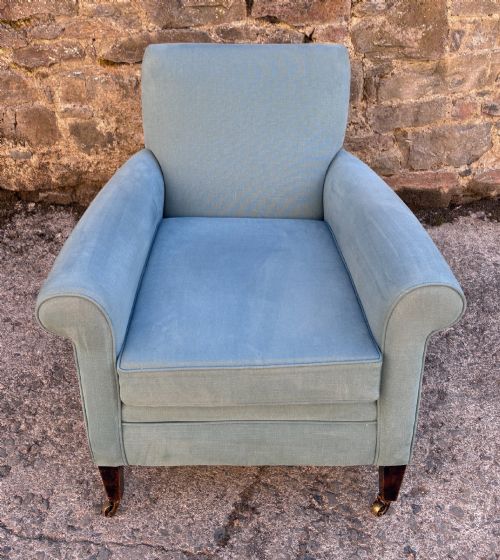
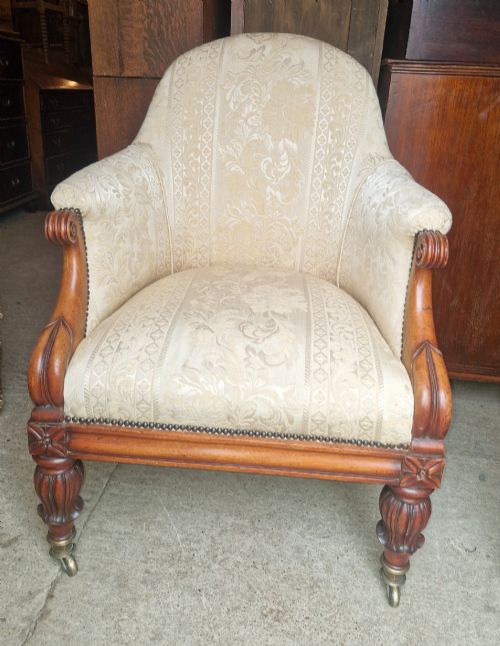
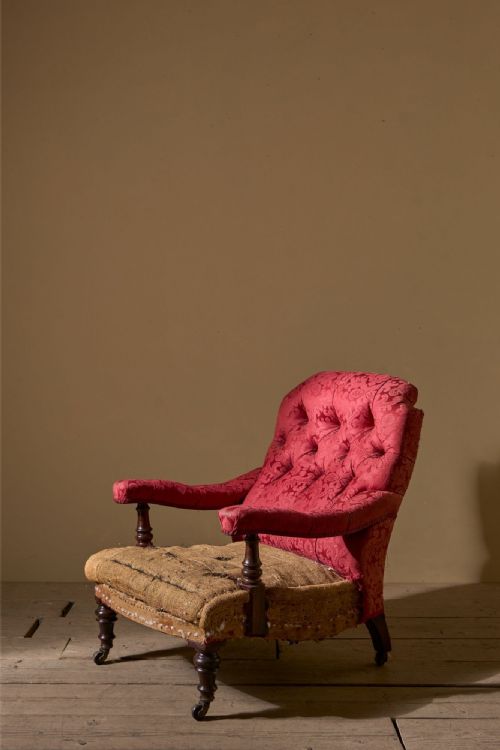
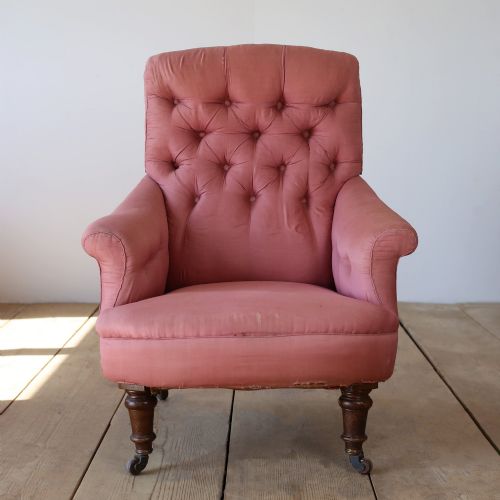
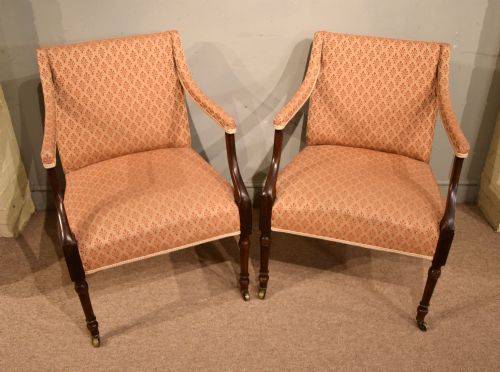
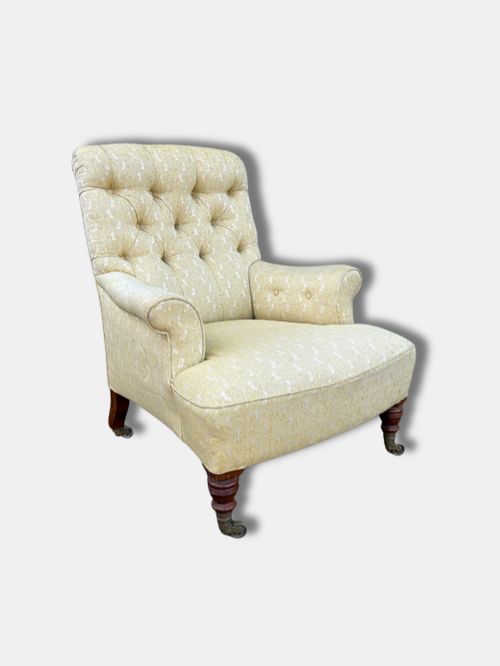
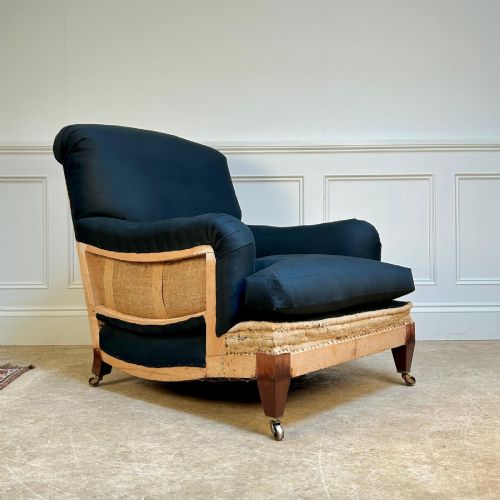
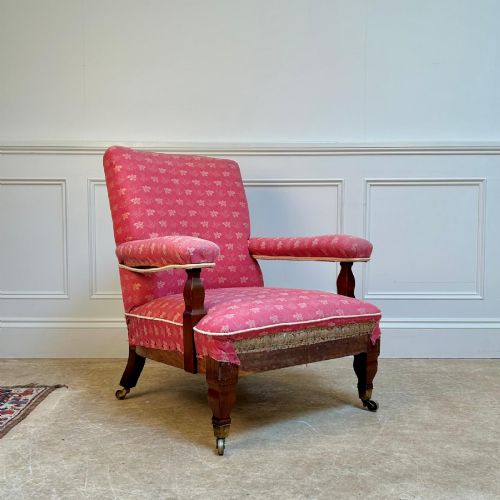
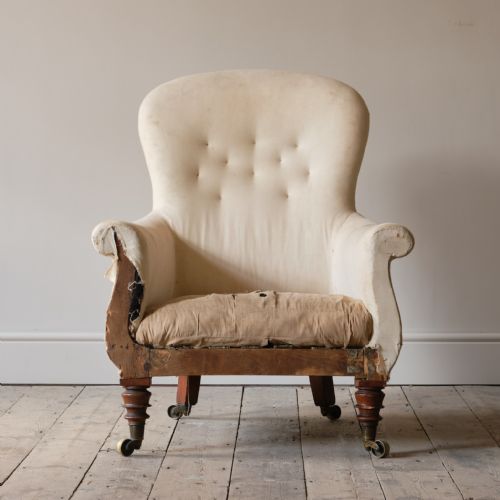
A mahogany armchair with castors sits on timber frames built during the nineteenth century, Regency, William IV, and Edwardian periods. These seats take the form of library armchairs, bergères, desk chairs, slipper chairs, and fireside armchairs designed for studies, drawing rooms, and libraries.
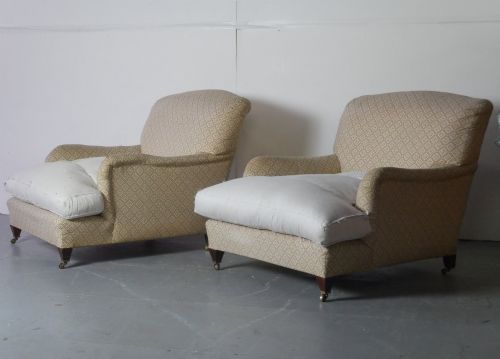
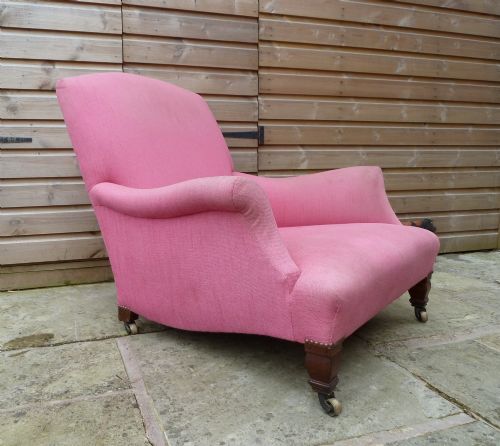
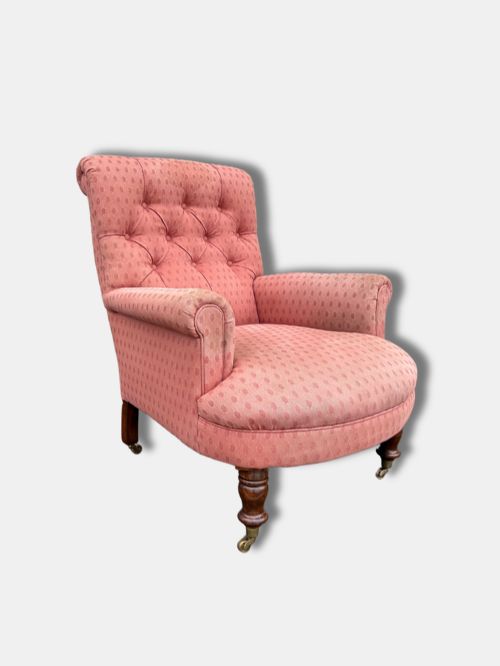
The version most commonly met on this page is the nineteenth century or Victorian upholstered armchair, often carrying deep buttoning and mounted on low rolling feet. Makers constructed these sturdy timber seats with generous proportions, open arms, and supportive backs for daily use.
How They Were Made
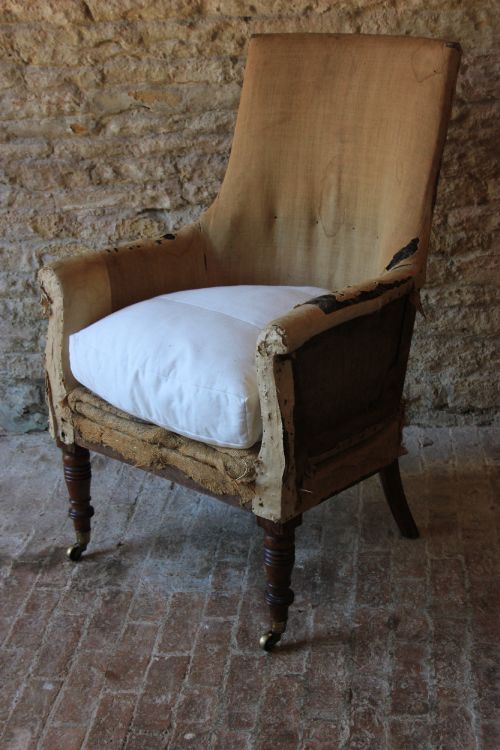
Joiners shaped solid mahogany into structural frames, supporting upholstered components filled with traditional materials like hessian, cotton, and webbing. Workshops covered these frames in fabrics including velvet, cane, leather, and fabric top covers.
Makers fitted brass castors to the base of the timber legs to allow the heavy chairs to move smoothly across carpets and floorboards without marking the surface.
The listings show frames made from solid mahogany, supported by brass castors and upholstered in materials like velvet, cane, leather, and hessian across nineteenth-century and Edwardian periods.
What Varies in Quality
The standard of a mahogany armchair with castors rests on the weight of the timber framing and the proportion of the arms and back. Better pieces show careful cabinetmaking in the joints and a well-balanced silhouette that supports the sitter correctly.
Makers who stamped their work or utilised superior brass fittings produced chairs that retained their structural integrity through decades of regular use.
Howard and Sons·James Shoolbred·J.Mills·William Birch
The Mahogany Armchair with Castors Glossary
- Castor
- A small wheel mounted on a swivel assembly fixed to the bottom of a furniture leg. This hardware allows heavy seating to roll across the floor.
- Bergère
- An enclosed upholstered armchair with wooden framing and cane or upholstered sides. This French-inspired form became popular in English libraries during the Regency period.
- Button Back
- An upholstery style where depressions are pulled into the padding using twine secured with buttons. This technique creates a diamond pattern across the inner back.
- Library Armchair
- A large, comfortable seat designed for reading rooms and studies. These chairs often feature generous padded arms and deep proportions.
- Mahogany
- A durable reddish-brown tropical hardwood used extensively for nineteenth-century furniture frames. Cabinetmakers favoured it for its strength and fine grain.
Mahogany Armchair with Castors: Frequently Asked Questions
What periods do these chairs come from?
The listings on this page span the Regency, William IV, Victorian, and Edwardian eras. Most examples date from the nineteenth century.
Craftsmen built these heavy timber frames during distinct stylistic phases, ranging from neoclassical Regency designs to robust Victorian upholstered seating.
How were these armchairs used?
These seats served primarily in libraries, drawing rooms, and studies for reading, writing, and relaxation. Their rolling bases allowed owners to reposition them easily near a desk or fireside.
Library armchairs and bergères provided substantial comfort for long hours of sitting, while smaller slipper chairs functioned in bedrooms.
How do I care for the mahogany frame?
Maintain the timber by keeping the chair away from direct heat sources and sudden humidity changes. Dust the wood regularly with a dry cloth to protect the polished surface.
Avoid commercial silicone polishes, as they build up over time and attract dirt to the grain of the mahogany.
Are the castors original?
Many chairs retain their original brass or metal castors, while others have replacement wheels fitted during later repairs. Inspecting the fixing points reveals whether the hardware belongs to the initial period of manufacture.
Stamped makers' names on the timber or brass components often confirm that the castors left the workshop together with the frame.