




Antique Recliner Chair
An antique recliner chair offers adjustable comfort through nineteenth-century mechanisms, uniting solid mahogany, oak and supple leather for daily relaxation.
Antique Recliner Chair
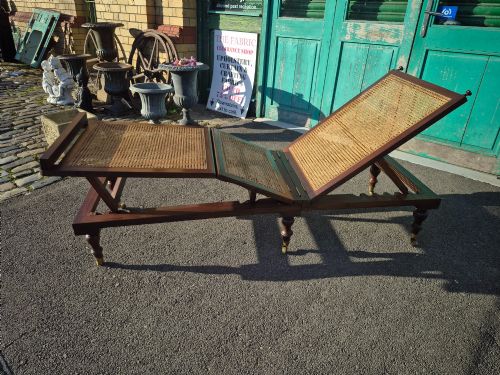
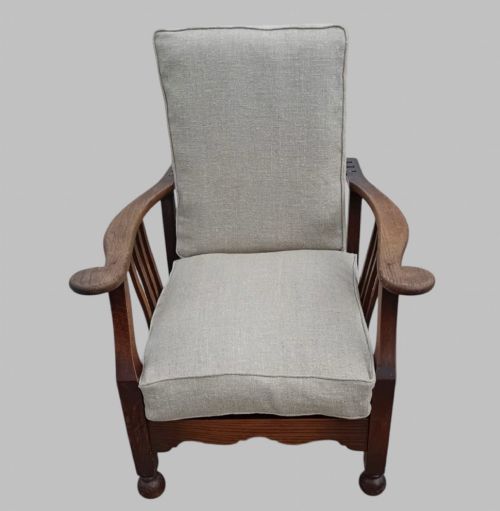
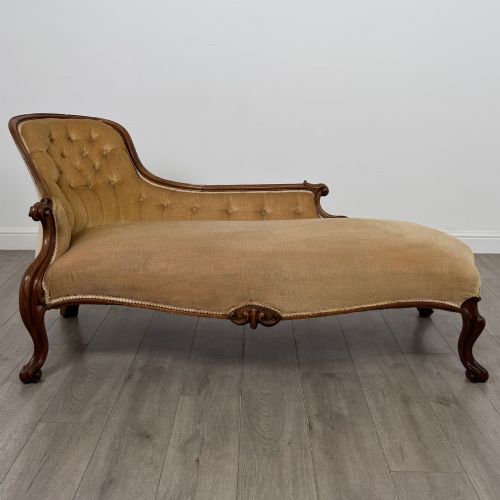
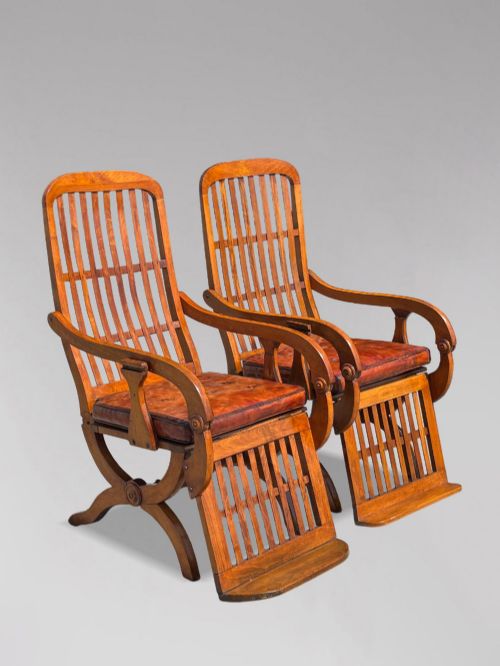
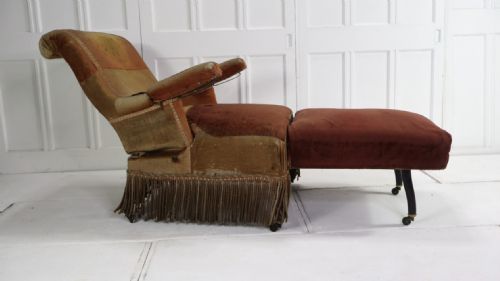
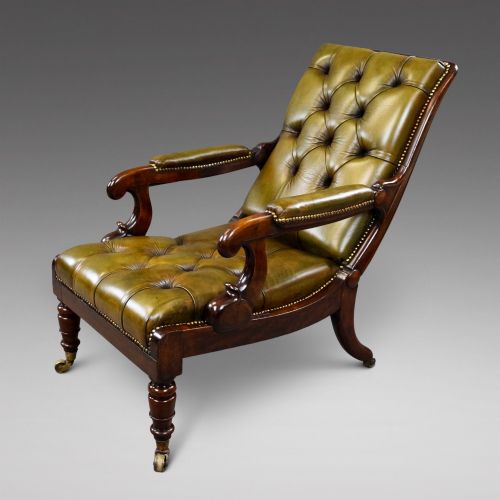
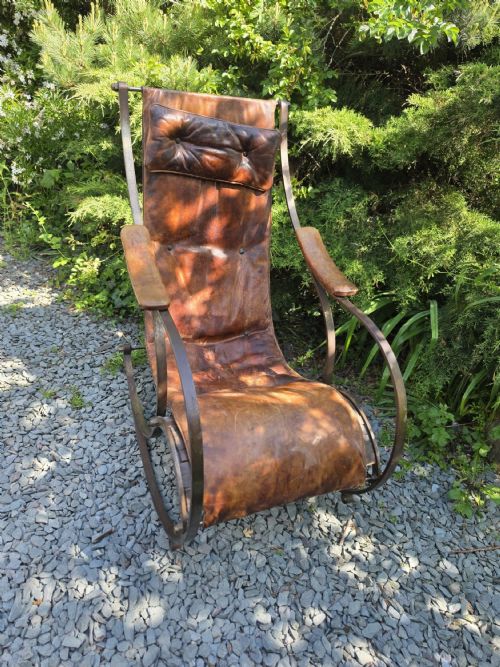
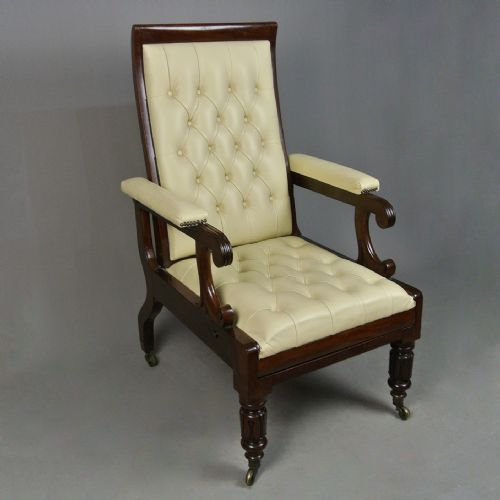
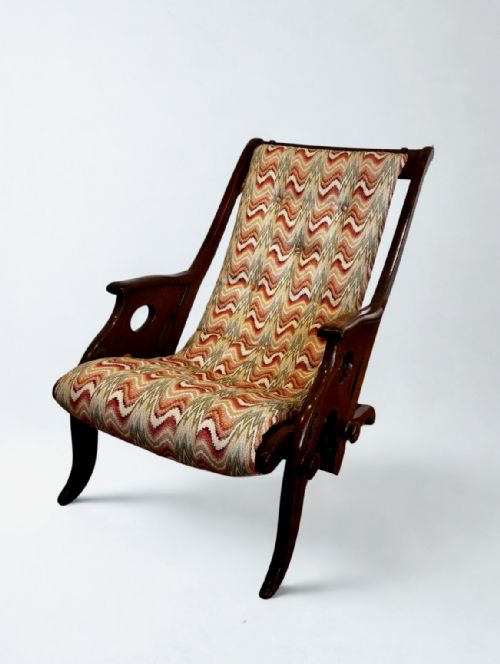
An antique recliner chair provides adjustable seating designed for relaxation, reading or rest through moveable backs and footrests. When searching for an antique recliner chair, buyers encounter diverse forms ranging from library armchairs and metamorphic seating to daybeds, campaign styles and steamer chairs.
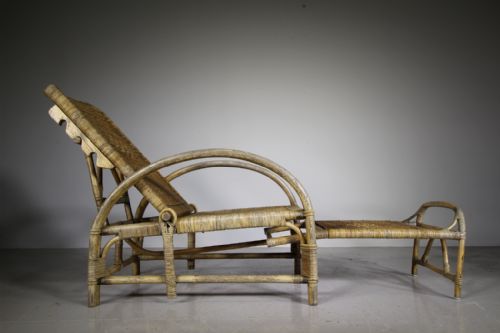
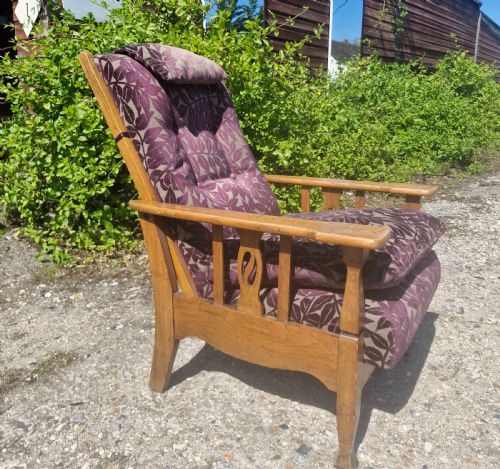
The selection includes nineteenth-century pieces from the Regency, William IV and Victorian eras, alongside early twentieth-century Arts and Crafts oak designs. Mahogany, walnut and rosewood frames appear frequently, upholstered in leather, velvet, fabric or fitted with cane panels.
Library armchairs and mechanical chairs dominate the offerings, often incorporating clever patent mechanisms for altering the seat angle. These functional seats combine traditional cabinetmaking with mechanical ingenuity to alter positions smoothly.
How they were made
Cabinetmakers constructed sturdy frames using timbers like solid mahogany, oak, walnut and rosewood, employing traditional joinery such as mortise and tenon. Brass mechanisms, ratchets, hinges and castors enabled the adjustable movement seen in mechanical library chairs and reclining armchairs.
Upholsterers built supportive seats using horsehair stuffing beneath leather, velvet, damask or fabric, often finishing the work with deep buttoning or brass studding. Caned bergère panels provided lighter alternatives for campaign use and garden seating.
Antique Recliner Chair Retail Price Guide 2026
Typical asking prices for recliner chair among the pieces listed under this phrase on Sellingantiques today, from the lower quarter to the upper quarter. They describe what is for sale here now, not the wider market.
What varies in quality
The sophistication of the mechanical action separates standard seating from high-end examples bearing maker patents or attributed designs. Original, working ratchets and smooth adjustment mechanisms demonstrate superior workshop execution.
Timber selection and carving detail dictate the standard of the frame, with dense mahogany, figured rosewood and crisp mouldings marking out better pieces. The retention of original leather, traditional stuffing and authentic castors preserves the integrity of the chair.
Angraves of Leicester·J Herbert McNair·Jas Shoolbred·Robert Daws·J Foot and Son
The Antique Recliner Chair Glossary
- Bergère
- An upholstered armchair with a wooden frame where the sides and back incorporate woven cane panels. This technique lightens the visual weight of the chair.
- Campaign chair
- Portable folding furniture designed for travel by military officers during the eighteenth and nineteenth centuries. These pieces often feature brass fittings and collapsible frames.
- Metamorphic furniture
- Items designed to transform into alternative forms, such as an armchair converting into a daybed or chaise longue. These pieces utilise clever internal hinges and pull-out footrests.
- Ratchet mechanism
- A notched metal bar and catch system used in reclining chairs to lock the backrest at various angles. It allows the user to select a preferred seating position.
Antique Recliner Chair: Frequently Asked Questions
How do adjustable mechanisms work?
Mechanical chairs rely on metal ratchets, sliding side arms or weighted pivots to alter the angle of the backrest and seat. Users lift or release the catch to shift the position before locking it into place.
Many nineteenth-century examples utilise patented systems created by makers who specialised in ergonomic library seating.
Are these chairs suitable for daily use?
Solid hardwood frames and sturdy upholstery make these chairs robust enough for everyday seating when maintained properly. Original internal webbing and horsehair stuffing provide firm, supportive comfort.
Checking the action of the reclining mechanism ensures smooth operation during daily adjustments.
How do I identify a Regency reclining chair?
Regency pieces often feature dark solid mahogany or rosewood frames, classical proportions and reeded or sabre legs. Brass inlay or mounts frequently accent the woodwork.
The mechanics on these early examples tend to be concealed within the arm supports or under the seat rails.
What is the difference between a daybed and a reclining chair?
A daybed provides an elongated surface designed primarily for reclining fully or lying down during the day. Reclining chairs offer an upright seating position with an adjustable backrest for reading or resting.
Some metamorphic designs combine both functions by incorporating extending footrests into an armchair frame.