
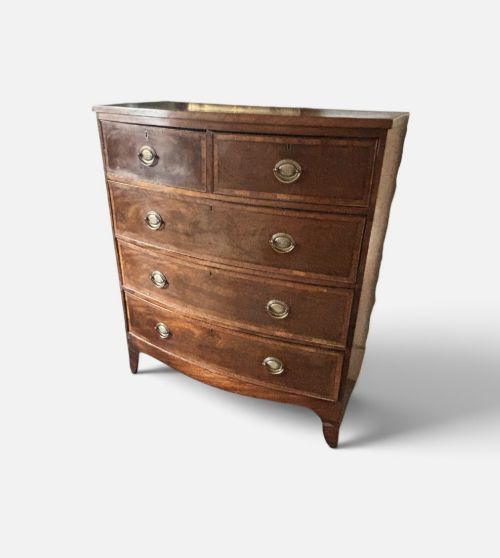
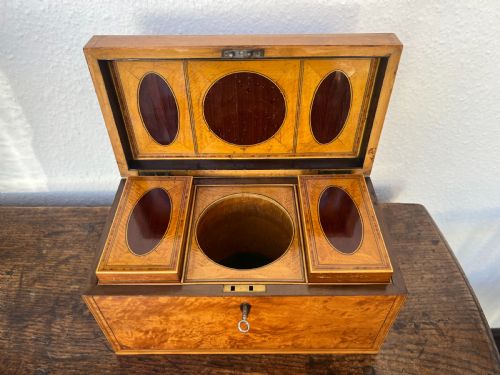
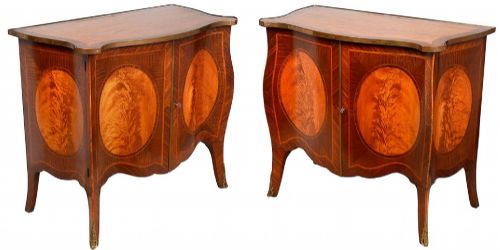
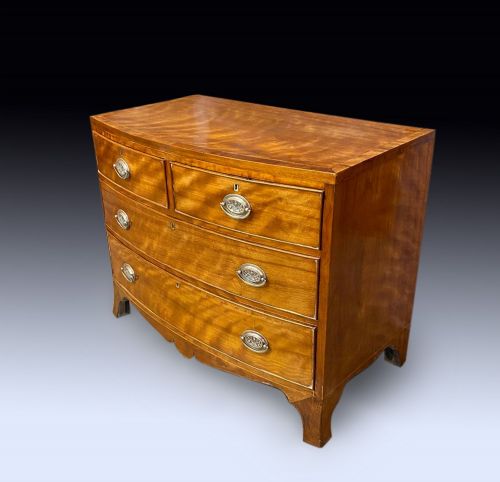



Mahogany and Satinwood Chest
These pieces unite dark timber and pale contrast to bring warmth and fine lines into a room.
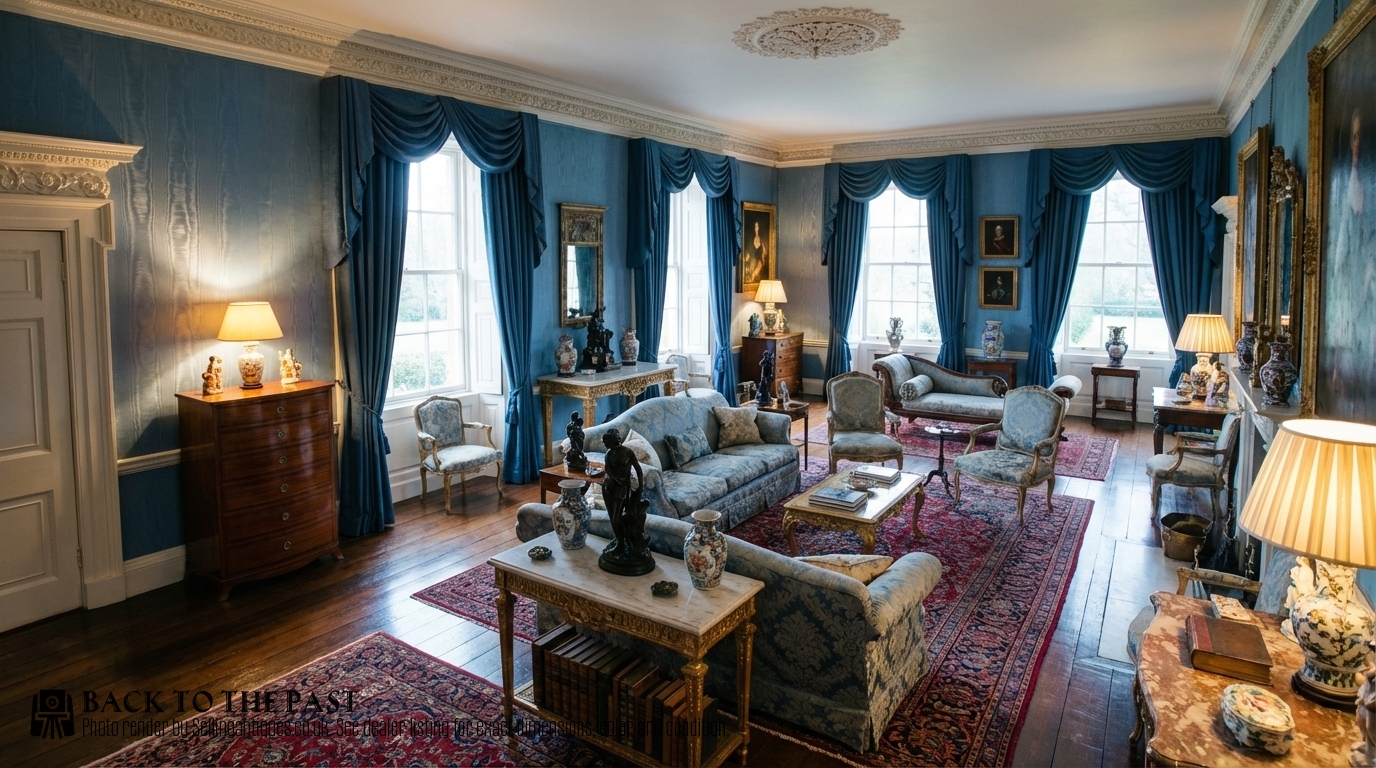
Mahogany and Satinwood Chest
A mahogany and satinwood chest pairs a deep reddish-brown carcass with pale, lustrous yellow timber inlays to create striking visual contrast. These items span multiple periods from the eighteenth century through the Edwardian era, showing how cabinetmakers continuously reinterpreted classical proportions.
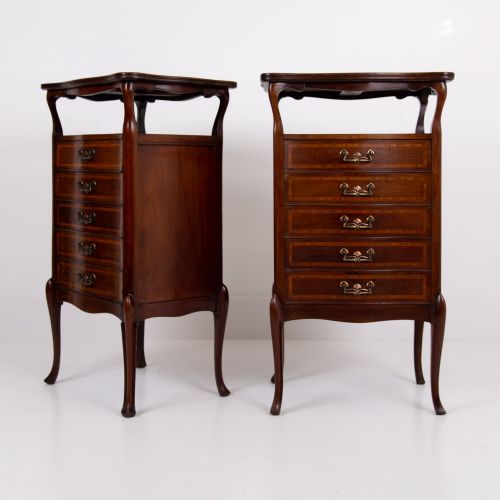
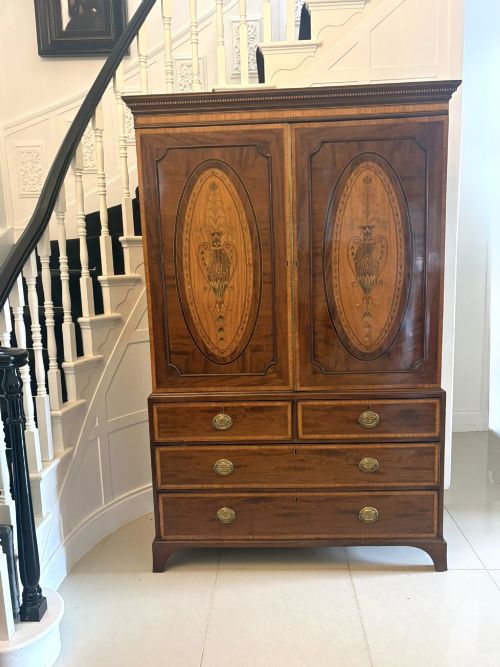
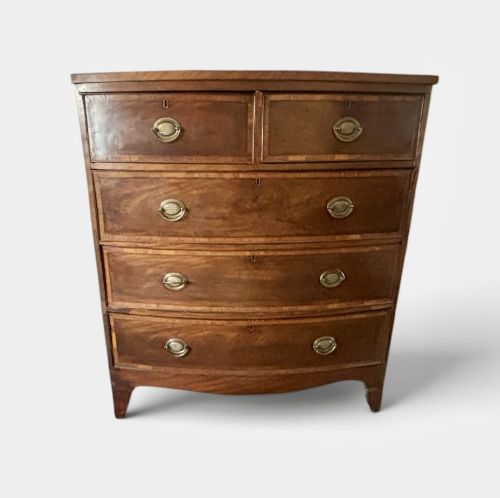
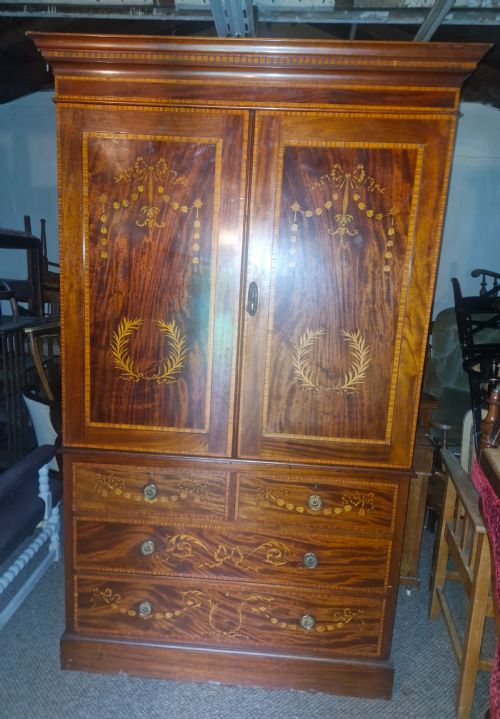
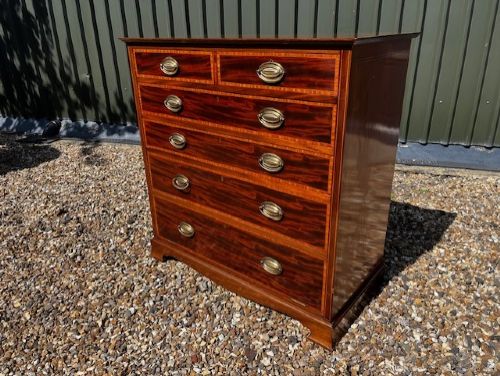
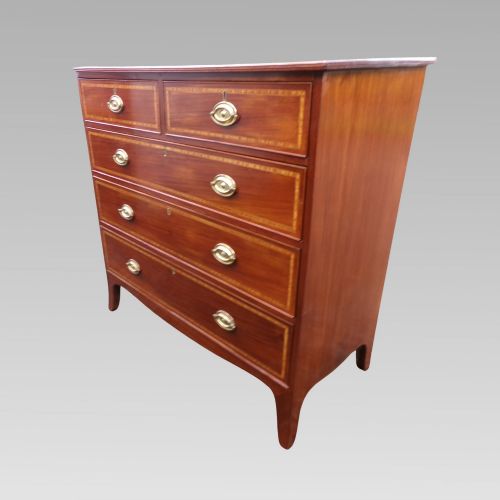
Chest forms dominate the selection, ranging from bow-front and serpentine designs to tallboys and compact bedside cabinets. Alongside standard drawers, makers applied this timber combination to linen presses, music cabinets, and secretaires.
The aesthetic bridges the architectural restraint of the Georgian period with the lighter, decorative revivals of the Edwardian decades. Buyers find both monumental case furniture and delicate smaller pieces suited to modern domestic spaces.
How they were made
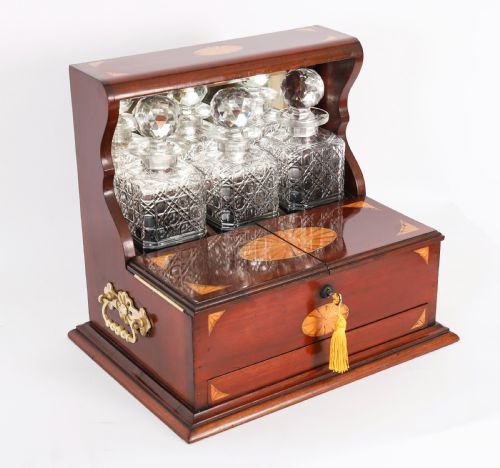
Craftsmen built structural carcasses using dense mahogany, selected for stability and rich grain, before applying thin veneers and solid borders. Satinwood served as the primary contrasting medium for geometric banding, stringing, and pictorial marquetry.
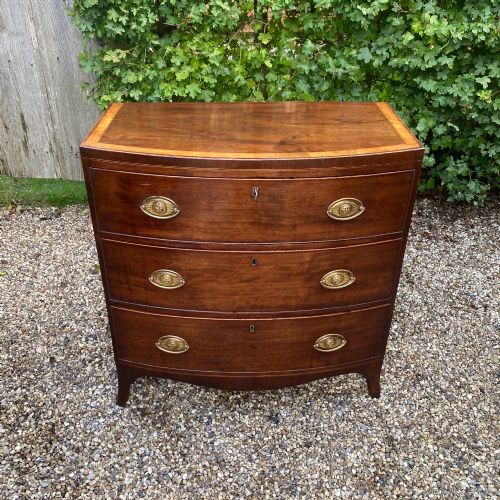
Workshops utilised meticulous crossbanding and border inlays to frame drawer fronts and tabletops, often incorporating brass hardware such as ring drop handles or key escutcheons. Joinery relied on traditional dovetailed drawer construction and stable carcase framing to endure centuries of use.
Listings feature items spanning the Georgian, Regency, Victorian, and Edwardian periods, constructed in mahogany, satinwood, and glass.
What varies in quality
The precision of the cabinetwork dictates the hierarchy of these pieces, visible in the tightness of the dovetails and the alignment of drawer runners. Superior examples display uninterrupted veneer matching and crisp, clean inlay work without gaps or filler.
Timber selection sets exceptional items apart, particularly the depth of figure in the mahogany and the natural chatoyancy of the satinwood. Maker attribution through stamps or labels from prominent firms also elevates the standing of specific pieces within the market.
Druce and Co·Edwards and Roberts·Maple and Co
The Mahogany and Satinwood Chest Glossary
- Crossbanding
- A strip of veneer laid around the border of a drawer front or tabletop so that its grain runs perpendicular to the central panel. This technique frames the primary wood and adds decorative contrast.
- Satinwood
- A lustrous, hard timber native to Ceylon and the West Indies, prized for its golden-yellow sheen and smooth texture. Cabinetmakers utilised it extensively for inlay, banding, and complete veneer surfaces.
- Banding
- Narrow strips of contrasting timber inlaid around the edges of furniture surfaces to create a framed effect. It frequently combines dark mahogany with pale satinwood.
- Serpentine
- A front shape curving outward in the centre and inward at the sides, demanding high skill from the woodworker. It creates undulating shadows across drawer fronts.
- Bow front
- A convex, outward-curving furniture front popular in Georgian and Regency design. This curved profile softens the boxy geometry of standard chests.
Mahogany and Satinwood Chest: Frequently Asked Questions
How do I date a mahogany and satinwood chest?
Examination of internal secondary woods, handle fixings, and overall carcass proportions reveals the period of manufacture. Georgian pieces display hand-cut dovetails and heavy oak or pine linings, while Edwardian revivals often utilise lighter machine-cut elements.
stylistic details such as bracket feet, plinth bases, and the intricacy of the satinwood banding further narrow down the decade of creation.
Where should I place a satinwood inlaid chest?
These chests function effectively in bedrooms, hallways, or living spaces where the rich timber tones complement existing interior palettes. Their compact bow-front and serpentine profiles allow them to occupy narrower corridors without obstructing movement.
protecting the polished surfaces from direct sunlight prevents the pale satinwood inlays from fading over time.
What is the difference between crossbanding and line inlay?
Crossbanding involves applying wider strips of veneer where the grain direction contrasts directly with the surrounding panel. This creates a distinct border frame around drawer fronts or tabletops.
line inlay uses thin threads of contrasting timber, such as satinwood set into mahogany, to trace delicate geometric outlines.
How do I care for antique mahogany furniture?
Regular dusting with a soft, dry cloth removes airborne particles that might otherwise accumulate in carved details or around brass hardware. Applying occasional quality wax feeds the timber and maintains the natural lustre of the finish.
avoiding placement near heat sources prevents the wood from drying out and the veneer from lifting.