


Lozenge Carved Oak
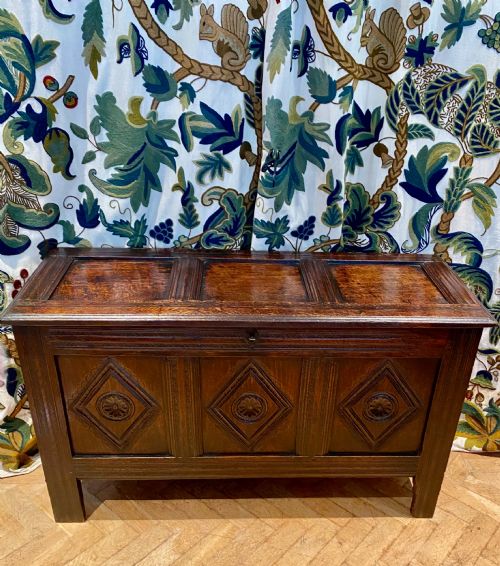
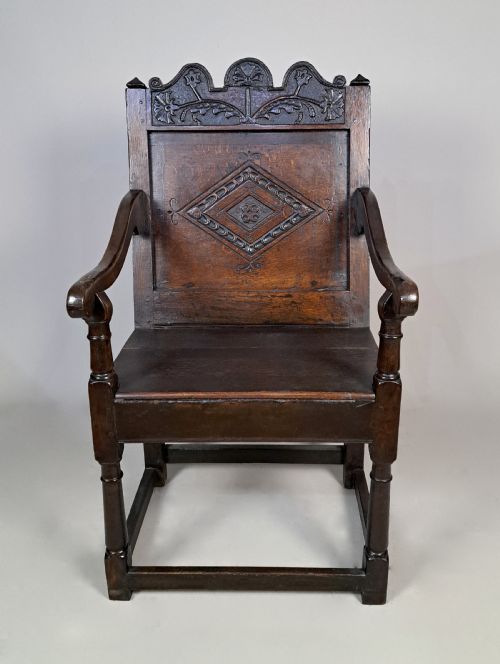
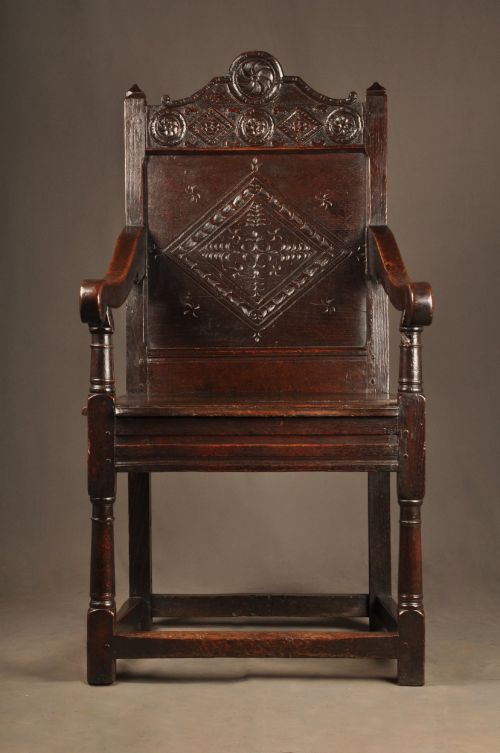
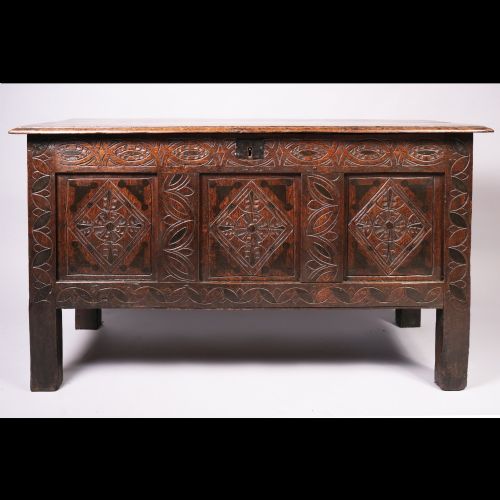
Lozenge carved oak pieces are heavy timber furniture items displaying geometric diamond motifs that bring immediate seventeenth-century texture to a room.
Lozenge Carved Oak
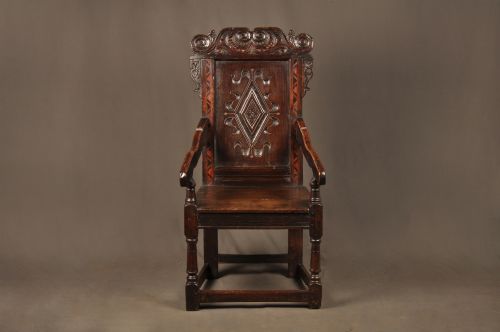
When you search for lozenge carved oak, you encounter sturdy domestic storage and seating designed to anchor traditional interiors. The selection predominantly comprises coffers, blanket chests, and wainscot armchairs originating from seventeenth-century English workshops.
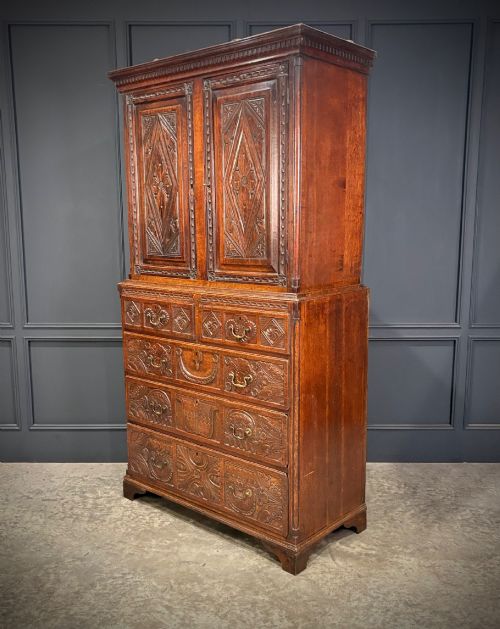
The surviving forms range from simple plank construction to multi-panelled cupboards and chests decorated with geometric diamond patterns. Regional variations appear across Yorkshire, Lancashire, Dorset, and Wales, alongside later revival pieces produced in the nineteenth century.
How they were made
Carpenters built these items using solid oak joined by mortise and tenon frames secured with wooden pegs. Some examples incorporate iron or brass hardware for hinges and locks.
Makers applied hand chisels and gouges directly to the timber surface to create recessed lozenge panels, sometimes combining the carving with ebonised wood or inlay work.
The material record for these geometric items spans solid oak, walnut, and ebonised wood, alongside iron and brass hardware.
What varies in quality
The sharpness and depth of the chisel work define the visual strength of the geometric carving. Crisp, deeply incised diamond motifs hold the eye differently than shallow or worn surface incisions.
The integrity of the timber selection and the retention of original surface patination distinguish the pieces. Uniformity in the oak grain and untouched historical construction contribute to the visual weight of the item.
The Lozenge Carved Oak Glossary
- Cofer
- A large wooden chest used for storage, typically fitted with a hinged lid. These form the primary category of surviving geometric carved timber furniture.
- Wainscot armchair
- A heavy wooden chair constructed with panelled backrests and solid seats. They date mainly from the seventeenth century and often share decorative motifs with contemporary storage chests.
- Ebonised wood
- Timber treated with a dark finish to imitate ebony. This dark treatment was utilised on select seventeenth-century pieces to create high contrast against natural oak.
- Jacobean
- The decorative style spanning the early seventeenth century. It is characterised by rectilinear forms and geometric panelling including lozenges.
- Five plank coffer
- A primitive storage chest constructed from single wooden boards joined at the edges without a frame. This represents an early method of box construction.
Lozenge Carved Oak: Frequently Asked Questions
What is a lozenge carving?
A lozenge carving is a geometric diamond shape cut into the wooden panels of furniture. This decorative motif defined much of the ornamentation on seventeenth-century English storage chests.
Carpenters used hand tools to recess these diamond patterns into the oak panels, often framing them with subsidiary leaf or daisy designs.
How were oak coffers used?
Oak coffers served primarily as secure storage for household valuables, textiles, and documents. Their heavy timber construction and iron locks protected contents from theft and dampness.
In domestic interiors, these large chests also functioned as seating benches or tables when positioned against walls in halls and chambers.
How do I date an oak coffer?
Dating relies on examining construction techniques, joinery methods, and the style of the carved decoration. Seventeenth-century examples typically employ pegged mortise and tenon frames.
Later nineteenth-century revival pieces often display machine-sawn timber marks or softer patination that distinguishes them from period items made around sixteen-forty.
Where were these pieces made?
Surviving examples originate from various English and Welsh regions, with specific regional traits recorded in Yorkshire, Lancashire, and Dorset. Local joiners utilised native timber stocks available to them.
Regional workshops developed distinct carving styles, allowing historians to attribute certain coffers and wainscot chairs to specific geographical areas of production.