
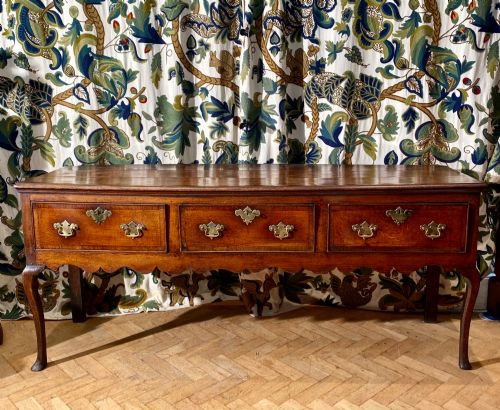
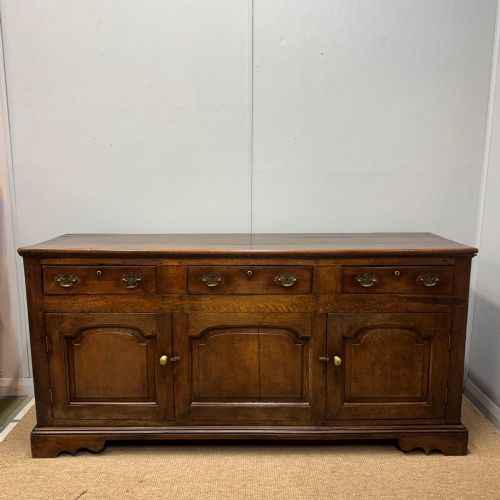
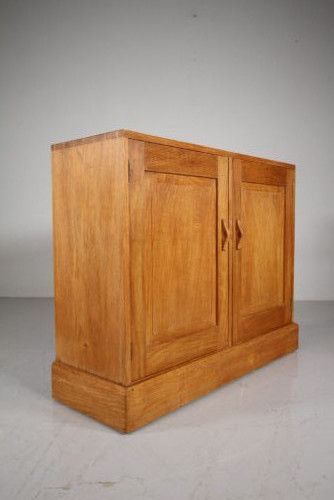
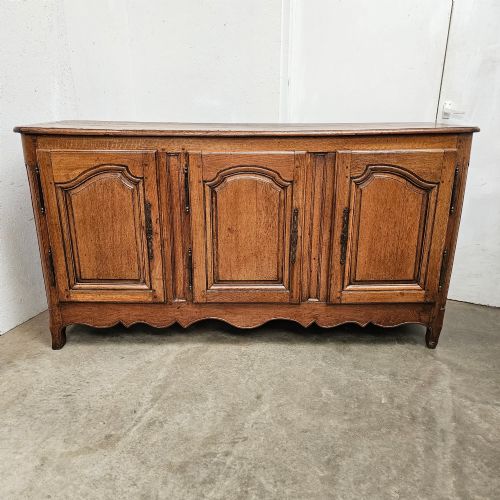
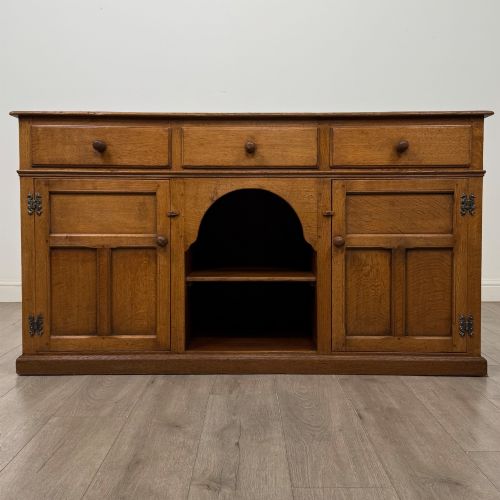
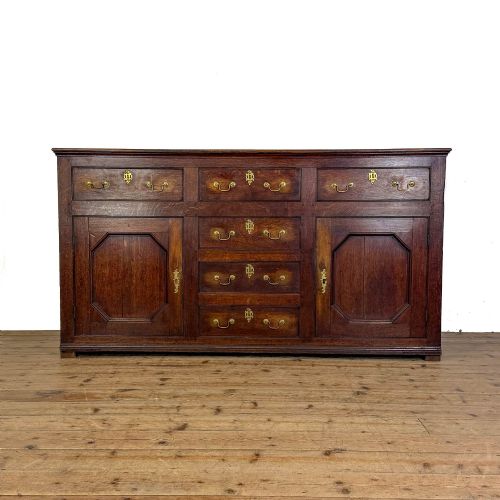
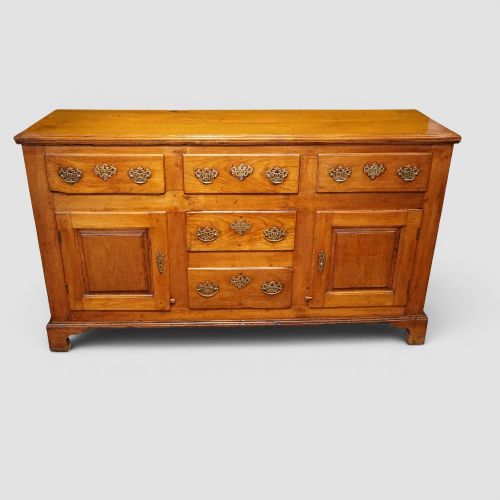

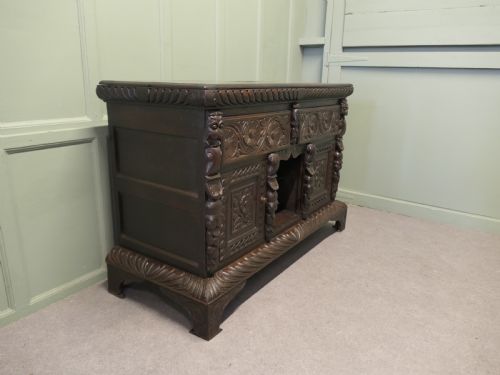
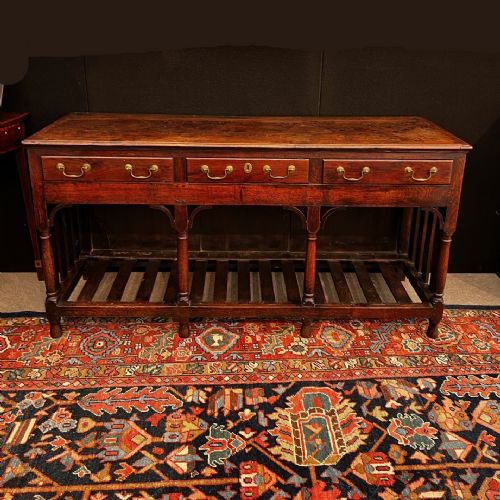
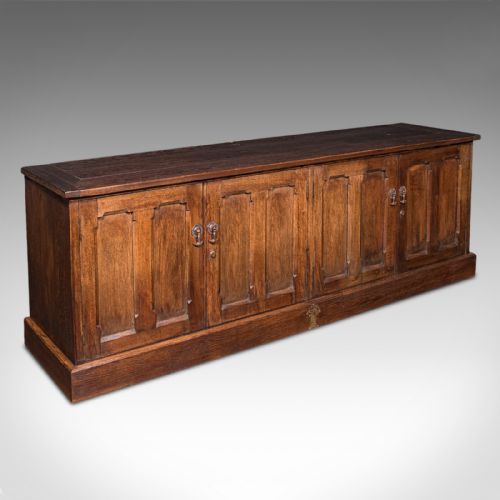

Low Oak Dresser Cabinet
These low oak dresser cabinet examples combine deep utility with centuries of regional craft.
Low Oak Dresser Cabinet
A low oak dresser cabinet serves as a heavy, grounding storage piece originating largely from seventeenth, eighteenth and nineteenth century domestic spaces. You meet forms spanning regional English country workshops, French provincial houses and Georgian country seats.
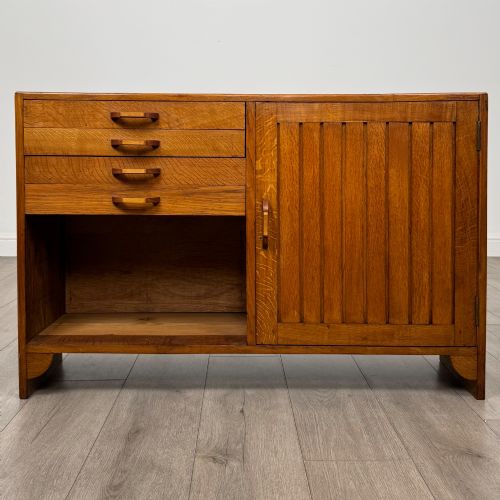
The layout typically prioritises a long, low timber surface above enclosed cupboard doors, drawers or open base compartments. Surviving iterations stretch from early joined oak constructions up to Edwardian small sideboards and Cotswold School cupboards.
Materials and construction
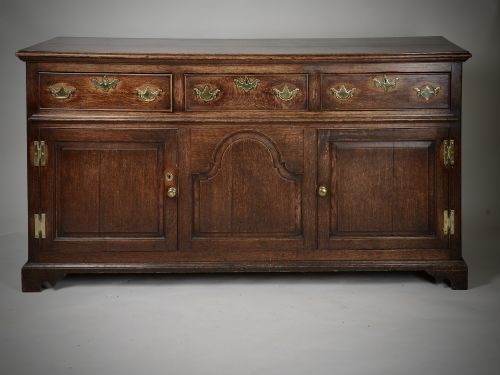
Makers relied primarily on English oak, supplemented by fruitwood, elm and burr elm marquetry for contrasting panels. Metalwork components consist of brass handles, iron hinges and wrought iron fastenings.
Joinery methods involved traditional pegged joints and heavy panel construction suited to daily rural and domestic labour.
The listings span periods from the 17th century through the 1930s, utilising oak, fruitwood, elm, brass and wrought iron.
Evaluating quality and construction
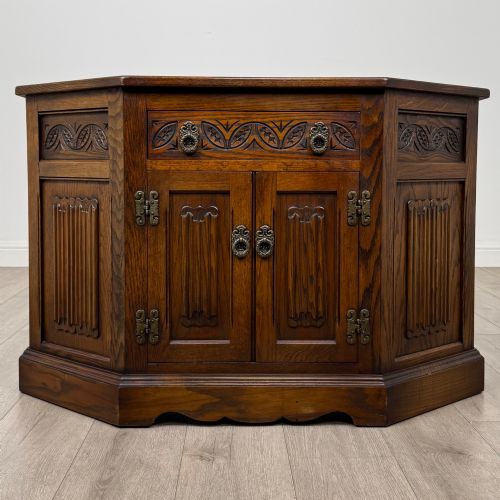
Quality rests upon timber selection, where dense English oak and figured elm command higher regard than plain utility boards. The crispness of carved details, such as linenfold panels or green man motifs, distinguishes regional masterwork from standard workshop output.
Structural integrity depends on the survival of original brass hardware, stable drawer runners and uncompromised joined bases that maintain their original low height.
The Low Oak Dresser Cabinet Glossary
- Dresser base
- A low freestanding wooden storage unit featuring drawers above cupboards, historically used for food preparation and serving.
- Enfilade
- A long sideboard or cabinet form of French origin, featuring a sequence of aligned doors across the front.
- Linenfold
- A style of relief carving imitating folded linen cloth, frequently seen on seventeenth and twentieth century cupboard panels.
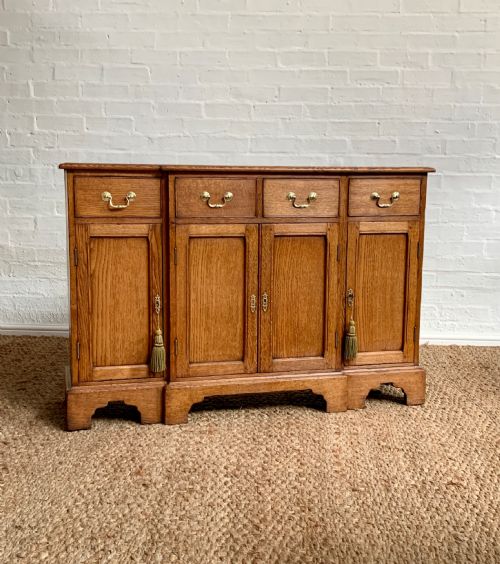
- Breakfront
- A cabinet design where the central section projects forward from the flanking outer sections.
- Joined
- A method of heavy timber construction utilising mortise and tenon joints secured with wooden pegs rather than metal nails.
Low Oak Dresser Cabinet: Frequently Asked Questions
What is a low oak dresser cabinet?
It is a heavy timber storage unit combining a low serving surface with drawers and cupboards underneath.
These pieces developed across the seventeenth through nineteenth centuries in rural English and French homes.
How were they used historically?
Families utilised them in kitchens and dining halls for food storage, meal preparation and holding serving vessels.
The low surface allowed extra workspace while the lower cupboards stored heavy pottery and linens.
How do I date an oak dresser?
Dating relies on examining the timber grain, tool marks, joinery techniques and hardware style.
Early pieces show hand-riven oak boards and pegged joints, whilst later nineteenth and twentieth century examples incorporate machine-sawn elements.
Where did regional styles originate?
Different areas developed distinct characteristics based on local timber availability and workshop traditions.
Welsh and border counties favoured joined oak, whereas French provincial makers incorporated fruitwood alongside native oak.