
Louis XVI Style Light
Louis xvi style light pieces combine neoclassical forms with rich metalwork, offering an opulent illumination choice for period interiors.
Louis XVI Style Light
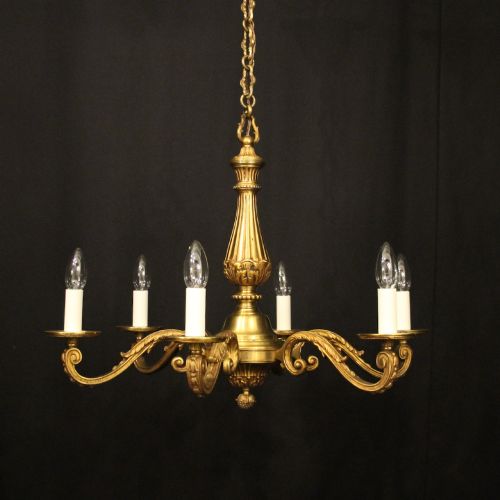
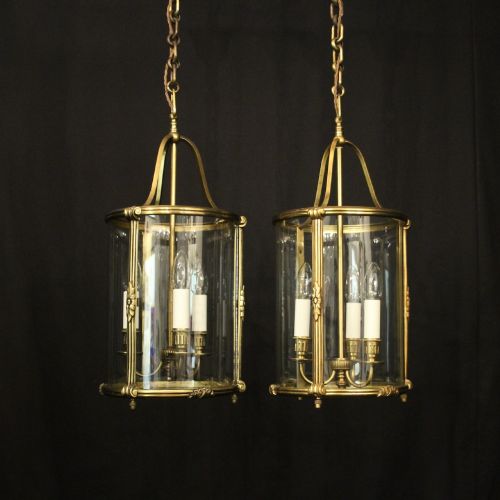
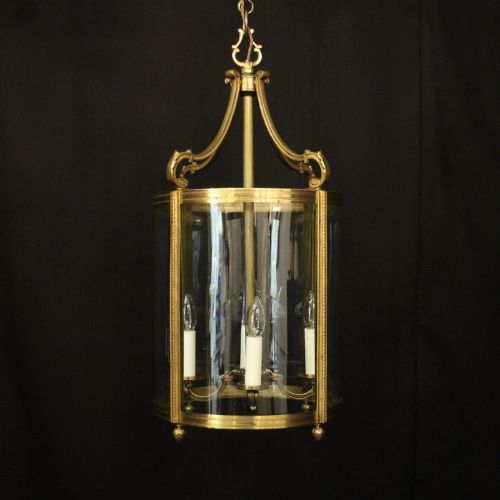
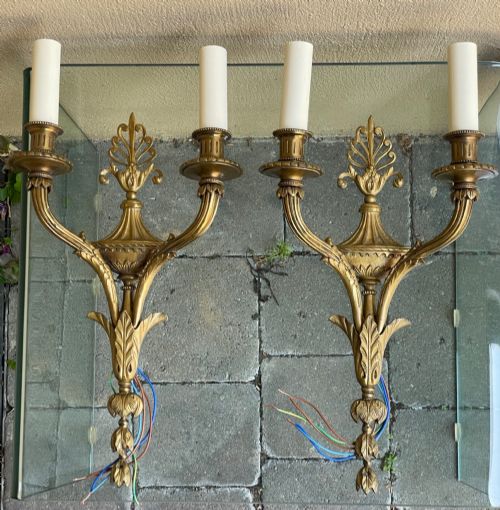
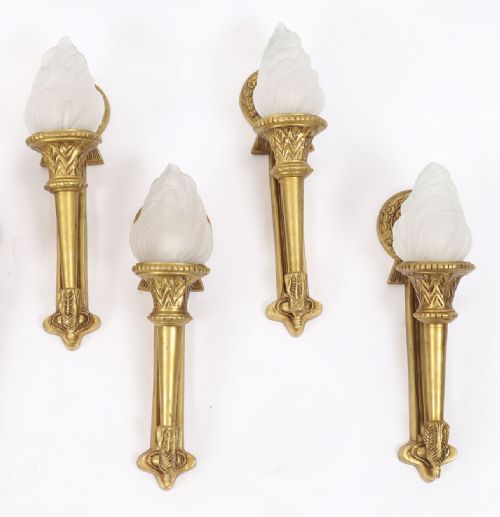
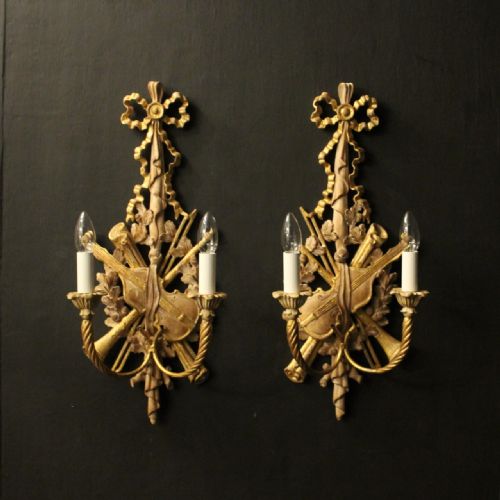
A louis xvi style light encompasses chandeliers, wall lights, candelabra, and table lamps drawn from French neoclassical traditions spanning the eighteenth century through the twentieth century.
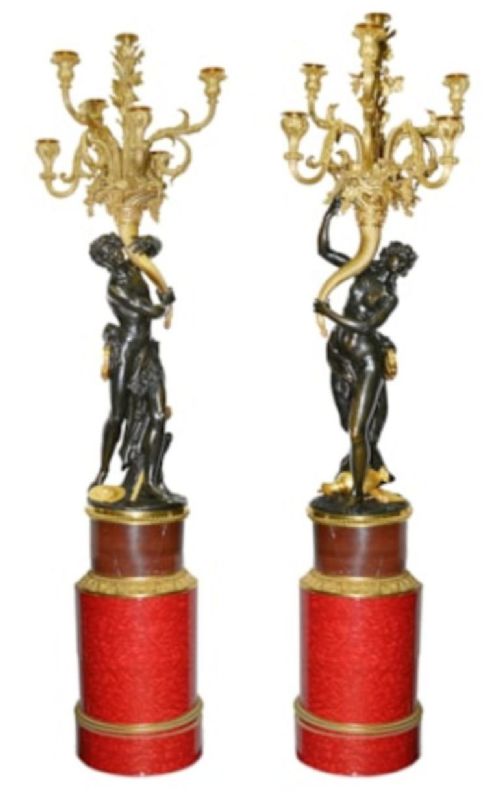
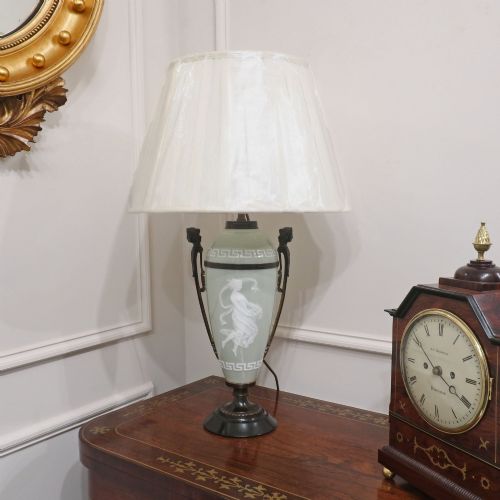
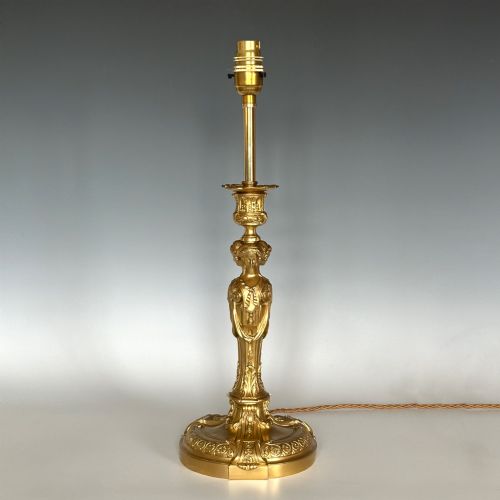
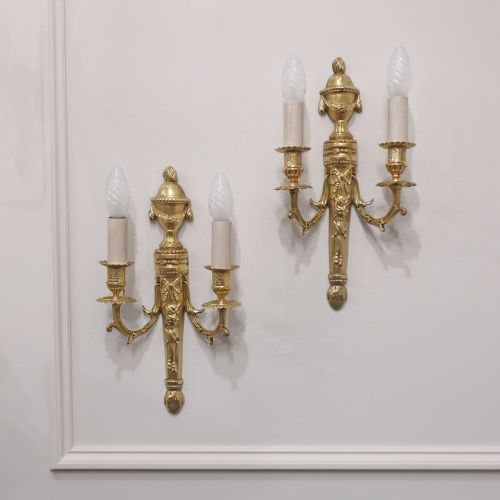
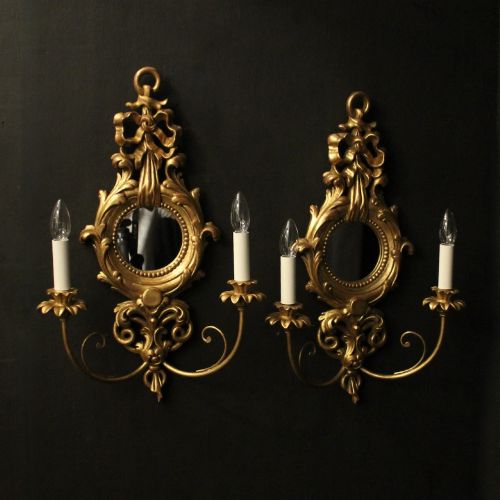
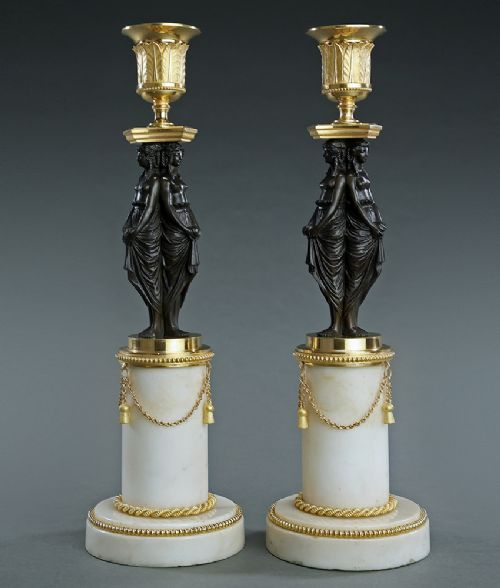
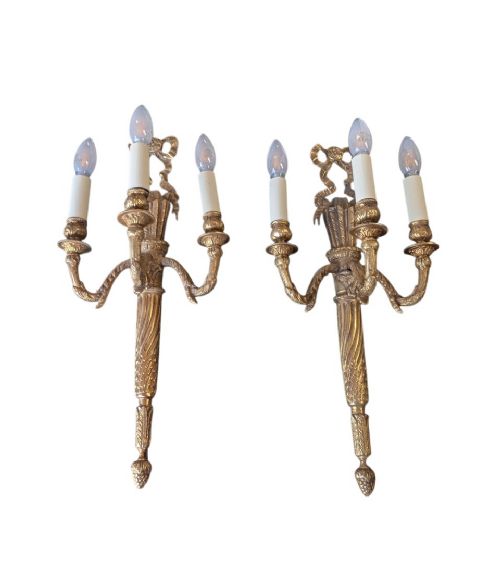
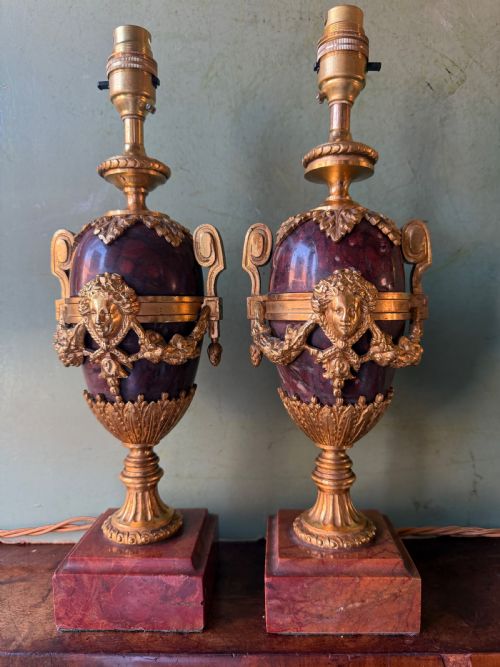
Buyers frequently encounter pairs of gilt bronze or ormolu wall sconces and marble table lamps bearing classical motifs like ram head masks and caryatids.
The selections range from nineteenth century revival interpretations to pieces produced across the early decades of the twentieth century.
Materials and Technique
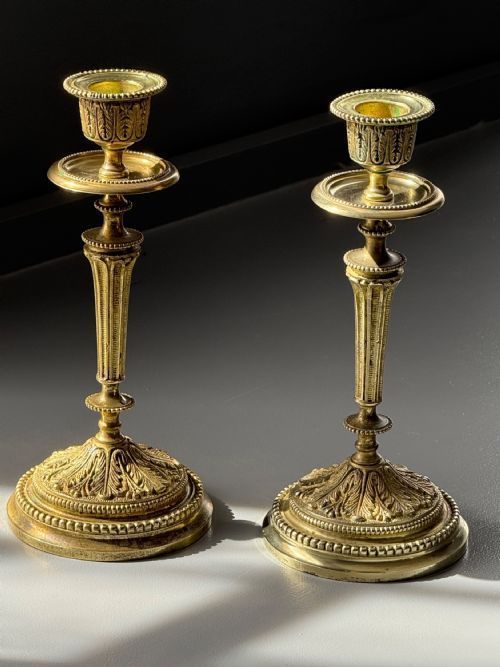
These pieces rely heavily on cast bronze, ormolu, and brass, often paired with rouge marble, cut glass, and occasionally porcelain or fluorspar.
Metal components undergo intricate chasing and gilding to achieve bright reflective surfaces, whilst marble bases and columns provide heavy structural support.
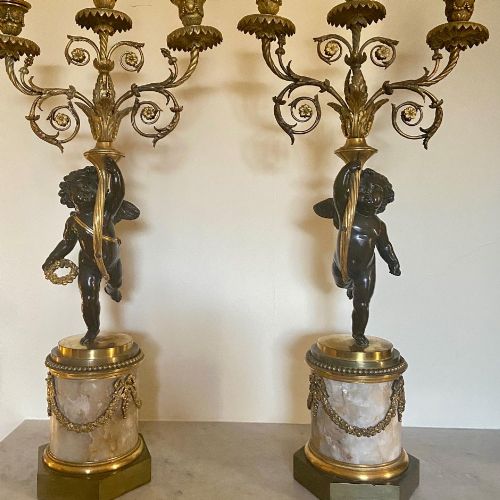
Several pieces feature bronze putti holding up light sources.
Craftsmanship and Detail
Quality rests in the crispness of the bronze casting and the depth of the hand chiselling on mounts and figures.
Superior examples display precise joinery between heavy marble sections and meticulously fitted cut glass or crystal elements.
Francois Redmond·Casier·Dugourc
The Louis XVI Style Light Glossary
- Ormolu
- A technique of applying finely ground high-carat gold to an bronze object, creating a bright metallic finish. It defines the rich surface lustre of many neoclassical light fittings.
- Cassolette
- A decorative vessel or vase, often mounted in ormolu and marble, that converts into a lamp or stands alongside lighting fixtures.
- Girandole
- A branched wall light or sconce fitted with a mirror or polished backplate to multiply the illumination. These fixtures frequently incorporate cut glass pendants.
- Caryatid
- A sculpted female figure serving as an architectural support or pillar. In these light fittings, they form the stems of candlesticks and lamps.
Louis XVI Style Light: Frequently Asked Questions
What periods do these lights cover?
The selection spans authentic eighteenth century items alongside nineteenth century revival works and early twentieth century interpretations.
Craftsmen across these eras reused classical vocabulary, making exact chronological attribution dependent on material wear and casting style.
How were these fixtures used?
Wall lights and girandoles provided ambient room illumination when mounted in pairs or larger sets across drawing rooms.
Table lamps and candelabra sat on sideboards and desks to offer task lighting before the widespread adoption of electricity.
How do I live with these metals?
Gilt bronze and ormolu require gentle dusting with a dry microfibre cloth to preserve the surface gilding.
Avoid chemical polishes that strip the gold layer from the underlying bronze alloy.
How do I spot neoclassical motifs?
Look for symmetrical designs featuring architectural columns, urns, floral swags, and classical masks.
These elements distinguish the formal restraint of the style from later, more exuberant decorative periods.