




Edwardian Cut Glass Shade
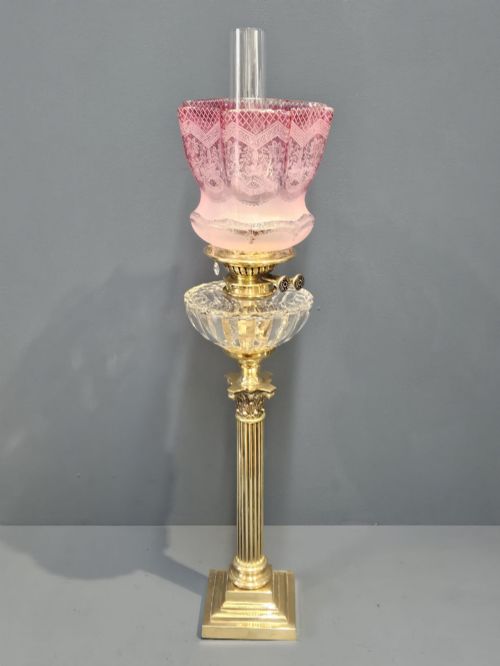
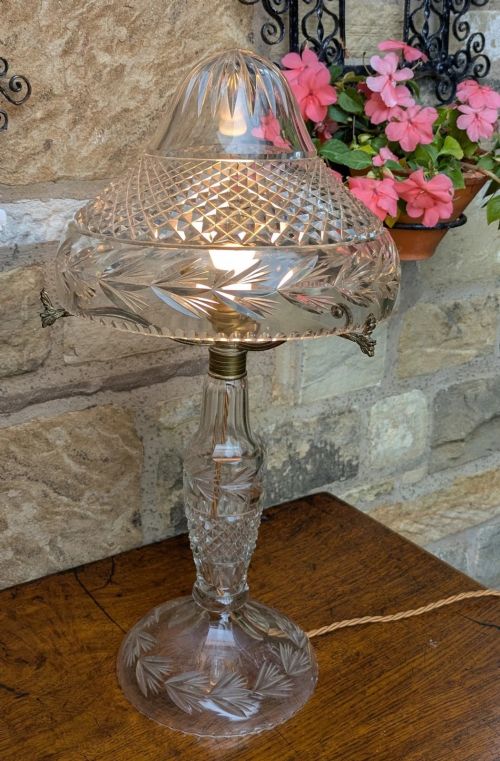
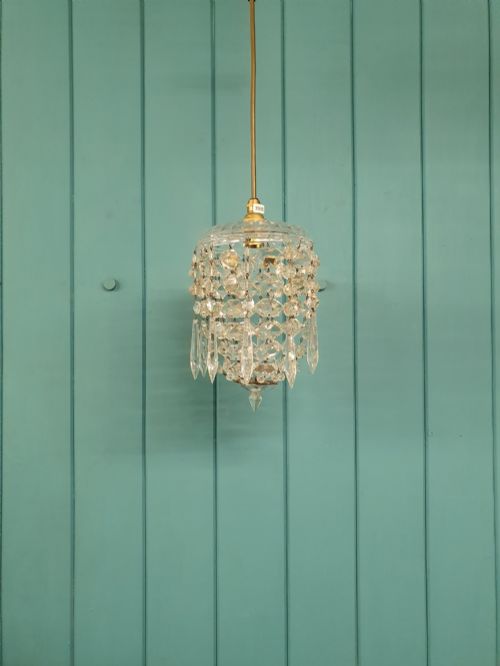
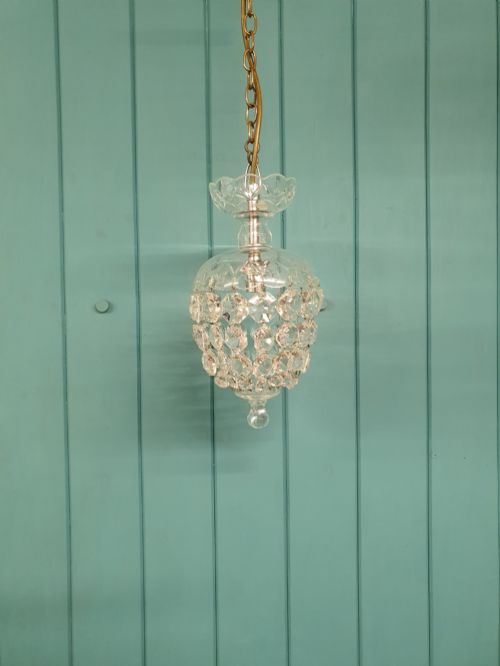
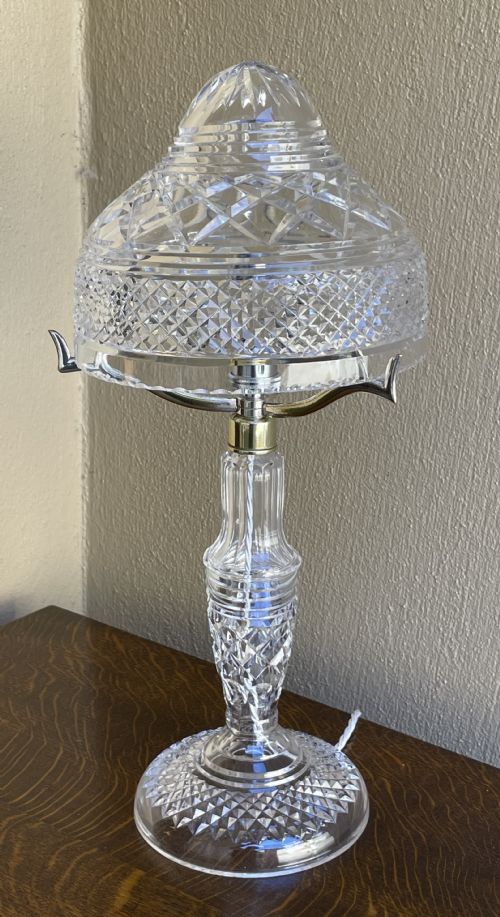
An edwardian cut glass shade brings a sharp, brilliant refraction of light to a room, formed from heavy crystal and set in brass or silver plate.
Edwardian Cut Glass Shade
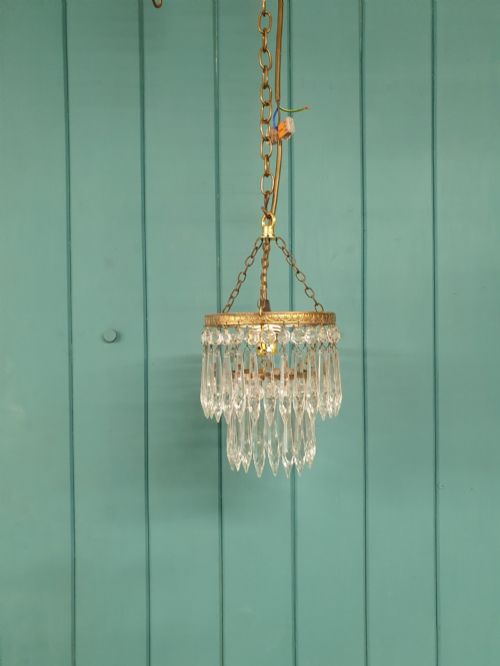
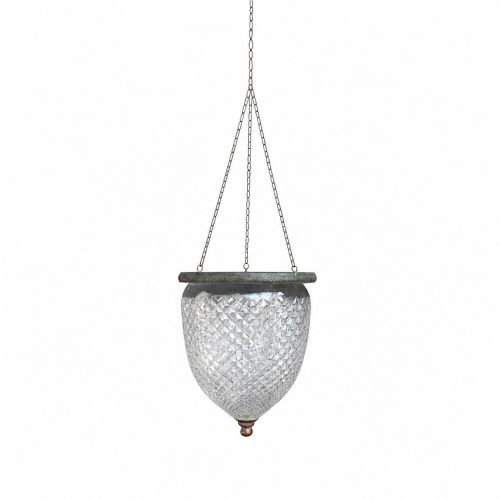
When you search for an edwardian cut glass shade, you encounter functional ceiling lights, pendants, and dome top chandeliers intended for domestic illumination. The Edwardian period dominates the selection, accompanied by Victorian, 1900, 1930, and 19th-century examples that share similar glass-working traditions.
The forms span small spike and dome chandeliers, acorn plafonniers, oval lanterns, and dish lights, often paired with brass, bronze, or silver-plated mountings. These fittings reflect an era when interior lighting shifted towards sophisticated refractive glass mounted close to the ceiling or suspended on slender chains.
How they were made
The components rely heavily on cut glass, crystal, and lead crystal, shaped by hand and wheel before being mounted in brass, bronze, or silver plate. Artisans cut geometric patterns into the thick glass blanks to maximise the dispersion of light from early electric bulbs or oil burners.
Supporting metalwork involves cast brass and bronze components, alongside silver-plated mounts and occasional cranberry glass additions. These materials are joined to suspend heavy glass domes, bowls, and shades securely from ceilings and walls.
Materials paired with the cut glass include brass, bronze, silver plate, and cranberry glass across pendant and ceiling light forms.
What varies in quality
The depth and crispness of the wheel-cut facets dictate the visual weight and brilliance of the glass when illuminated. Finer pieces demonstrate precise, clean edges on the crystal cut, whereas simpler items show softer or shallower incisions.
The substance and detailing of the metal mounts, whether cast brass, bronze, or silver plate, separate standard production from exceptional examples. Substantial framing and attribution to known makers elevate the integrity of the completed light fitting.
F. & C. Osler·Messengers·Harrods
The Edwardian Cut Glass Shade Glossary
- Plafonnier
- A ceiling light fixture with a bowl-shaped shade mounted close to or directly against the ceiling. This form directs light downward while diffusing it through patterned glass.
- Lead crystal
- Glass containing lead oxide, which increases the weight, refractive index, and clarity of the material. This composition allows for deeper and sharper cutting.
- Silver plate
- A base metal, often brass or copper, coated with a thin layer of silver. This technique provided the appearance of solid silver for structural mounts and decorative trim.
- Cranberry glass
- Transparent glass coloured by the addition of gold chloride while molten, producing a distinct pinkish-red hue. It appears in oil lamp reservoirs and decorative accents.
- Spike chandelier
- A hanging light fixture featuring a central vertical spindle surrounded by glass drops or prisms. The configuration creates a concentrated sparkle beneath the suspension point.
Edwardian Cut Glass Shade: Frequently Asked Questions
How do I hang a heavy glass shade safely?
Suspension requires a sturdy ceiling joist and a metal hook capable of supporting the combined weight of the thick glass and metal mountings. Professional installation ensures the electrical wiring and chain or cord are properly rated for the load.
Heavier pieces like dish lights and multi-branch chandeliers demand secure ceiling fixings rather than standard plasterboard anchors. Check that the internal brass or bronze hanging loops remain structurally sound before mounting.
Can these old lights use modern bulbs?
Most surviving fixtures accept standard modern LED or incandescent bulbs once rewired to current safety standards. The interior fittings accommodate contemporary Edison screw or bayonet cap holders depending on past updates.
Ensure the wattage matches the thermal tolerances of enclosed glass shades and older sockets. Low-heat LED bulbs preserve the fragile glass and original brass components from heat damage.
How do I clean cut glass shades?
Washing the glass in lukewarm water with mild soap removes accumulated dust and restores the refractive sparkle of the facets. Remove the shade from the metal mounting whenever possible to avoid stressing aged brass or silver plate.
Dry the crystal thoroughly with a lint-free cloth to prevent water spots on the deep cuts. Avoid harsh chemical cleaners that can pit the glass surface or strip patinated metalwork.
How do I distinguish Edwardian from Victorian glass?
Edwardian glass often exhibits lighter, airier forms and crisper geometric cutting suited to early electrical illumination. Victorian examples frequently include heavier proportions and darker metal mounts designed for oil lamps or gas lighting.
Stylistic shifts toward Arts and Crafts or early Art Nouveau appear across both eras, making metal hardware and mounting techniques reliable clues for dating. Examine the construction joints and screw threads for signs of period manufacturing methods.