

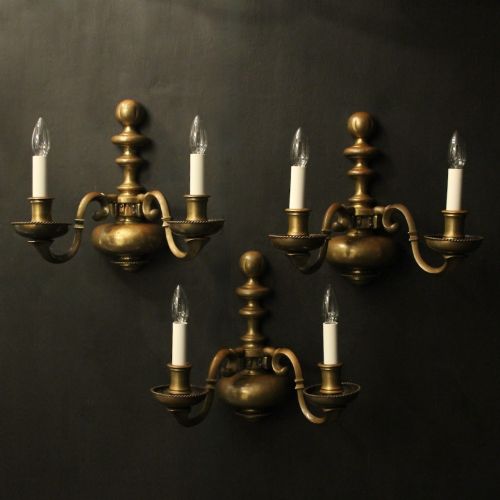
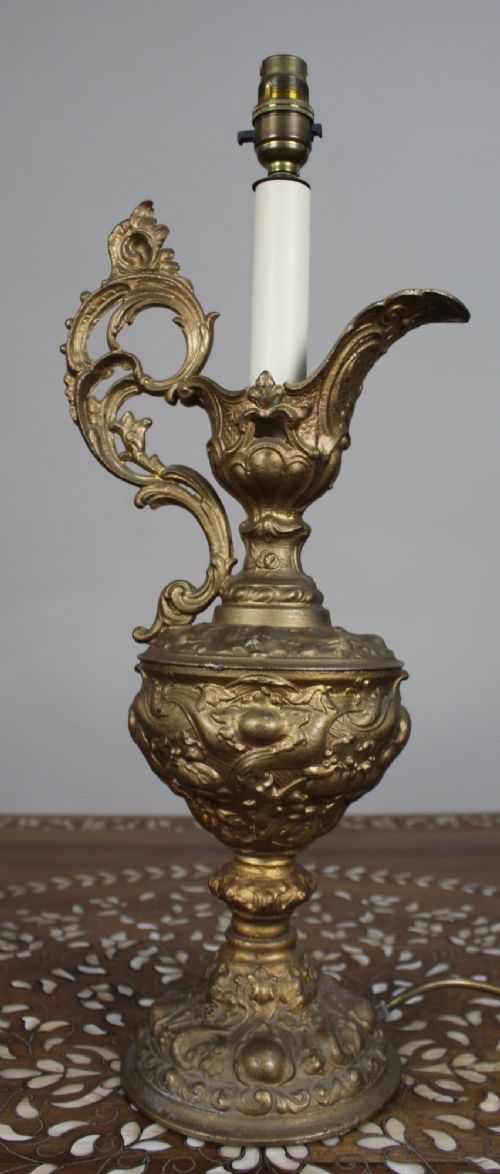
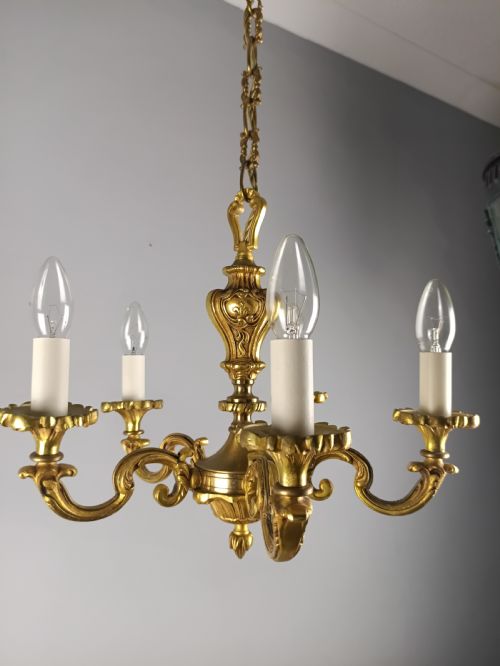
Vintage Bronze Light Fitting
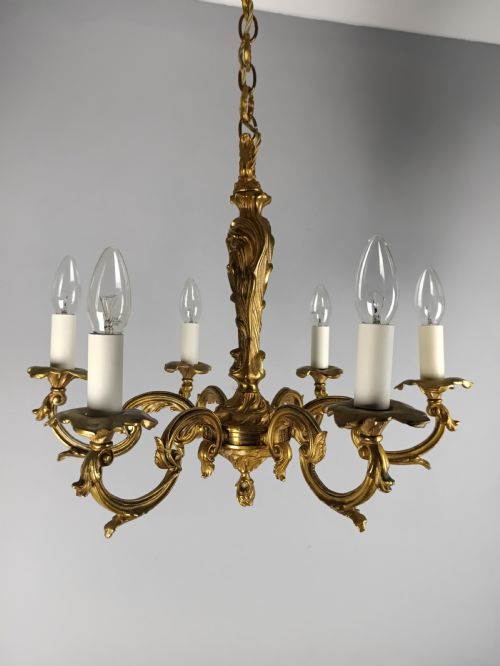
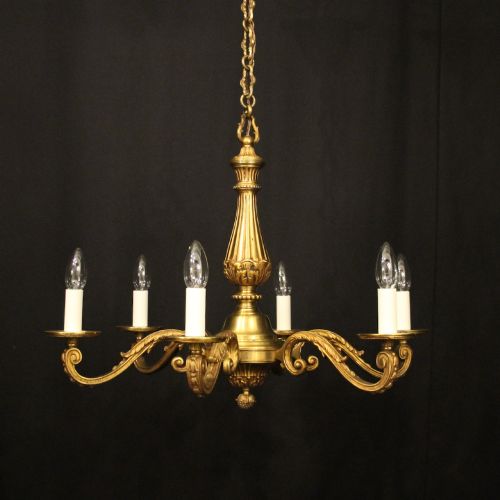
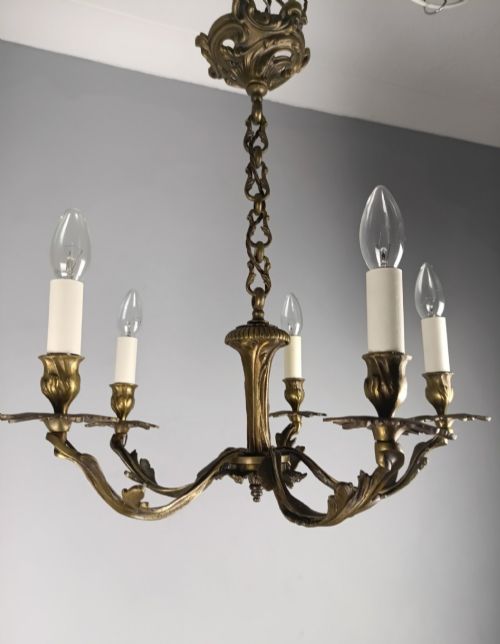
A vintage bronze light fitting brings solid weight and warm metal tones to a room, offering functional illumination through historic design.
Vintage Bronze Light Fitting
A vintage bronze light fitting encompasses heavy metal ceiling lights, chandeliers, and wall lamps produced across the nineteenth and twentieth centuries. Buyers searching this phrase encounter numerous French pieces alongside English examples, reflecting traditional domestic lighting forms.
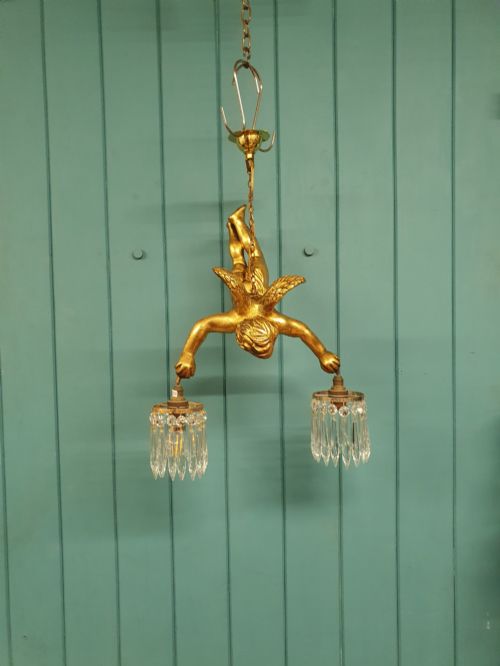
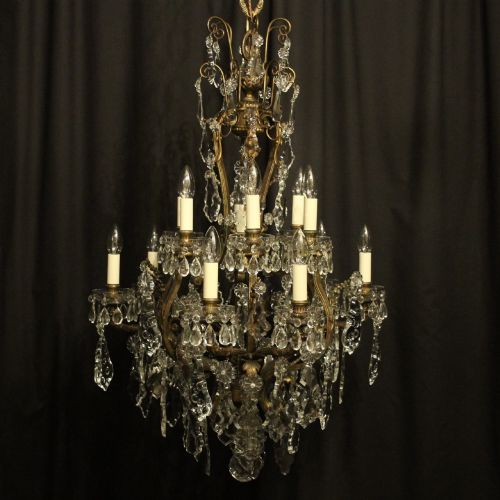
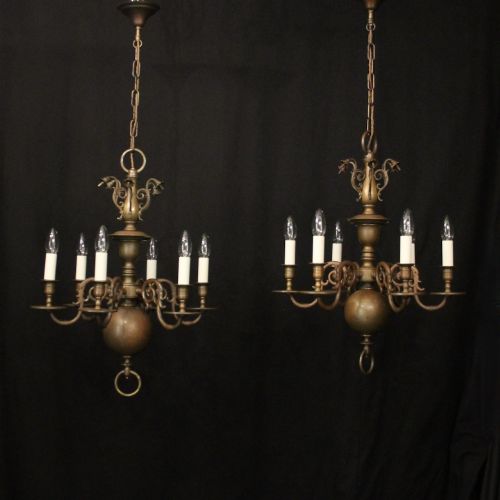
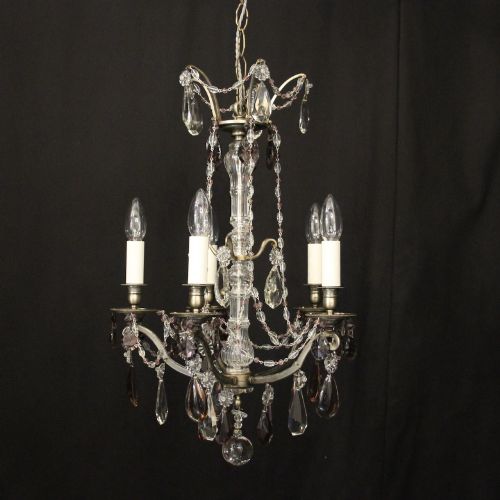
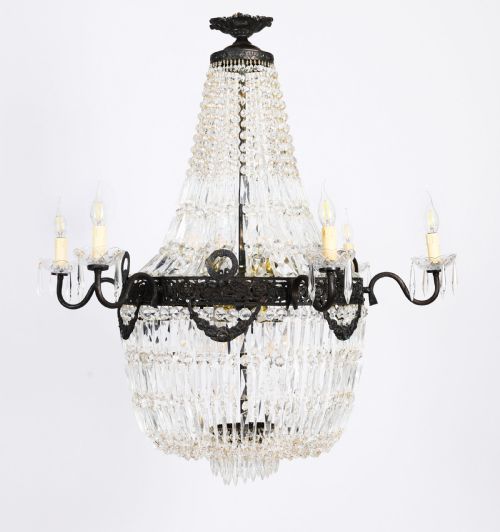
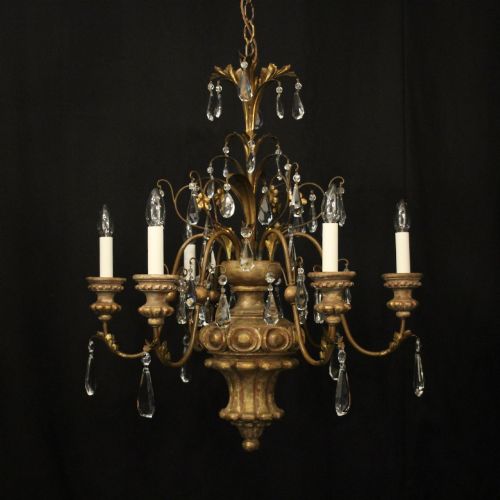
Chandeliers dominate the selection, ranging from simple multi-light fixtures to elaborate tent and waterfall designs carrying cut glass and crystal drops. Wall lights and table lamps also appear, providing matched lighting options for period interiors.
The materials span standard bronze, dark bronze, and gilt bronze, often paired with glass or alabaster components. Dating stretches from Victorian and 1890s production through the Art Deco era and into the 1930s.
Materials and construction
Foundry work forms the foundation of these pieces, utilising bronze, brass, and spelter shaped into arms, frames, and ornamental mounts. Gilt finishes and silver gilding frequently coat the metal surfaces to reflect candle or electric light.
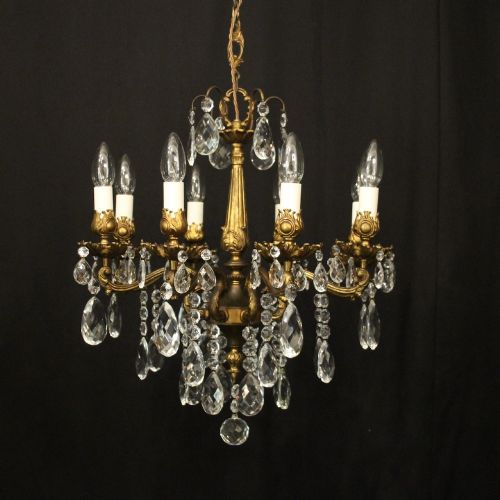
Cut glass and crystal drops append to frames via wire loops, creating the tent and waterfall arrangements seen in larger chandeliers. Alabaster and glass bowls integrate into specific pendant and lamp designs of the twentieth century.
Listings span the nineteenth century, Victorian era, and twentieth-century decades up to 1930, showcasing bronze, brass, and gilt finishes.
Assessing quality
The definition of the metal casting dictates the clarity of ornamental detail, separating sharply rendered foliate mounts from softer commercial production. Heavy gauge bronze and brass provide structural rigidity that lighter metal assemblies lack over decades of suspension.
The completeness and quality of the crystal or glass components influence the overall impact, where hand-cut drops refract light differently than moulded glass. Original gilding and surface patination retain historic character that heavy modern cleaning can diminish.
G.E.C
The Vintage Bronze Light Fitting Glossary
- Ormolu
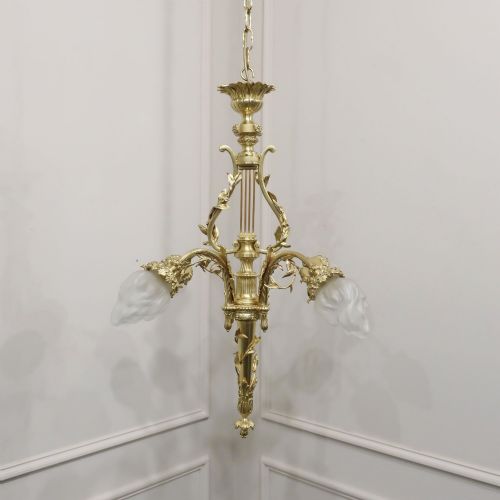
- Gilt bronze, created by applying a finely ground gold-mercury amalgam to a bronze base and heating the metal to drive off the mercury. This technique produced a durable, rich golden surface seen on French chandeliers and wall lights.
- Spelter
- A zinc alloy used as a cost-effective substitute for bronze in decorative metalwork. It frequently accepts finishes that mimic heavier metals.
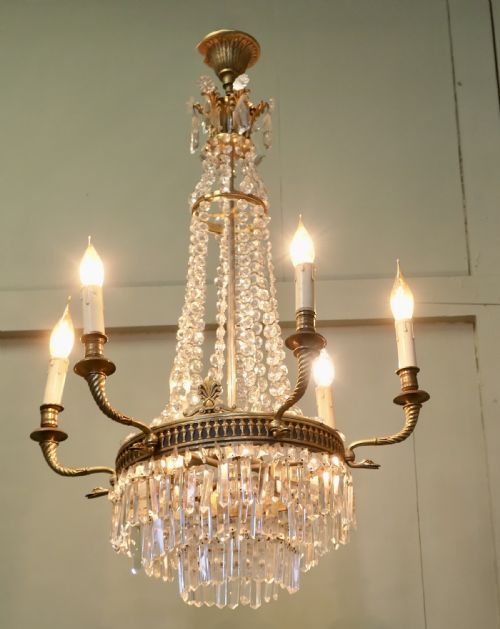
- Tent and waterfall
- A chandelier configuration where strings of glass beads form a triangular canopy above a tiered array of cascading crystal drops. The arrangement maximises light refraction from a central cluster of bulbs.
- Alabaster
- A fine-grained stone used for bowls and shades in twentieth-century lighting. It diffuses light with a soft, even glow.
- Lyre
- A symmetrical frame shaped like an ancient stringed instrument, frequently incorporated into the central body of Neoclassical light fittings.
Vintage Bronze Light Fitting: Frequently Asked Questions
How do I hang a heavy bronze chandelier?
Heavily weighted metal fixtures require secure anchoring directly into ceiling joists using a rated steel hook and electrical junction box.
Professional installation is necessary to support the total weight of bronze frames and crystal components safely.
Can these vintage lights use modern bulbs?
Most vintage fittings accept standard screw or bayonet lampholders that accommodate contemporary LED globes.
Rewiring by a qualified electrician ensures the internal circuitry meets current safety standards while preserving the exterior metalwork.
How do I clean gilt bronze and crystal?
Dust bronze surfaces gently with a dry, soft cloth and avoid abrasive polishes that strip historic surface patination and gilding.
Crystal drops can be washed in warm soapy water while attached, provided the electrical components remain completely dry.
How do I date a bronze light fitting?
Stylistic clues such as Empire symmetry, Neoclassical motifs, or Art Deco geometric lines provide initial chronological markers.
Manufacturing methods, screw threads, and wiring channels offer further evidence for distinguishing nineteenth-century work from 1930s production.