
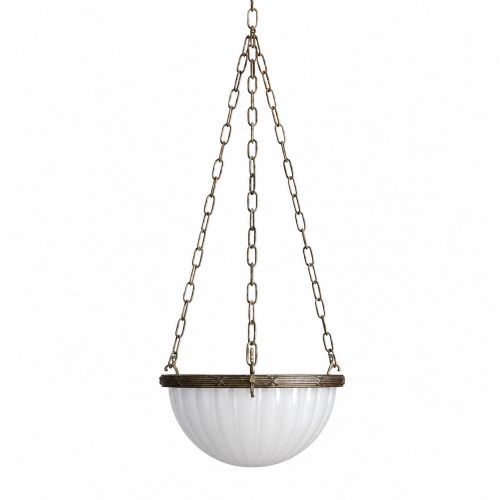


Antique Ceiling Bowl Light
These antique ceiling bowl light fixtures offer a suspended wash of illumination, bringing period character and diffusing light across a room.
Antique Ceiling Bowl Light
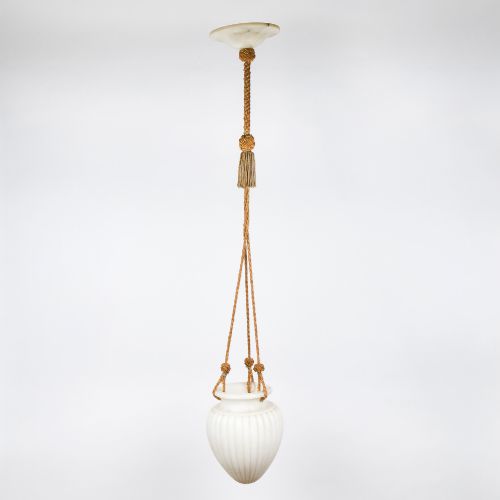
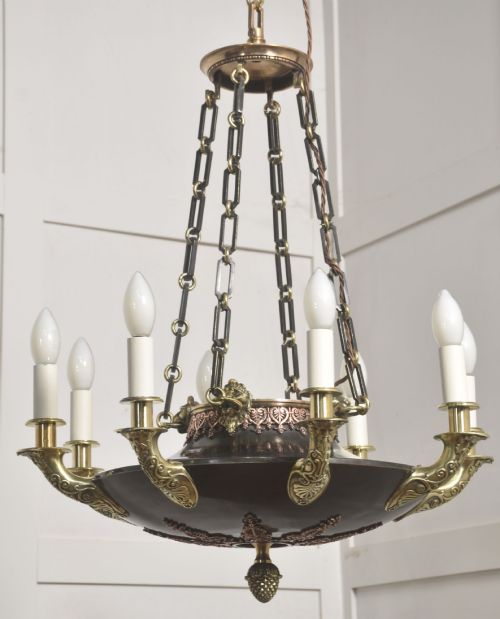
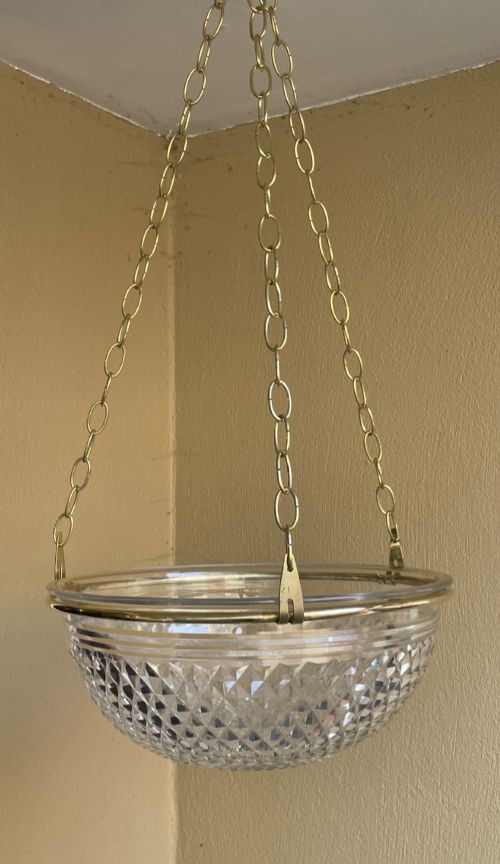
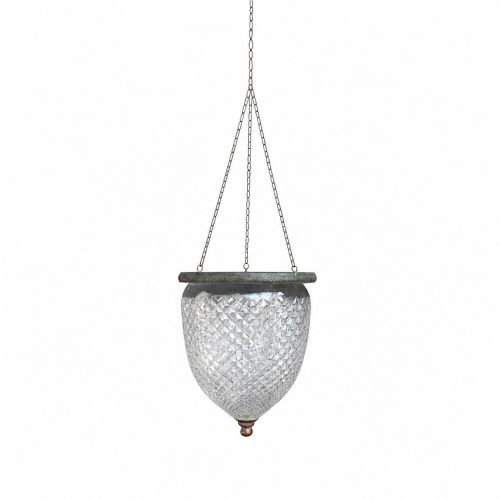
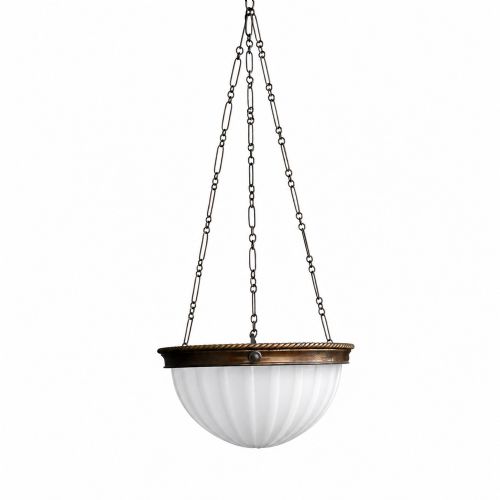
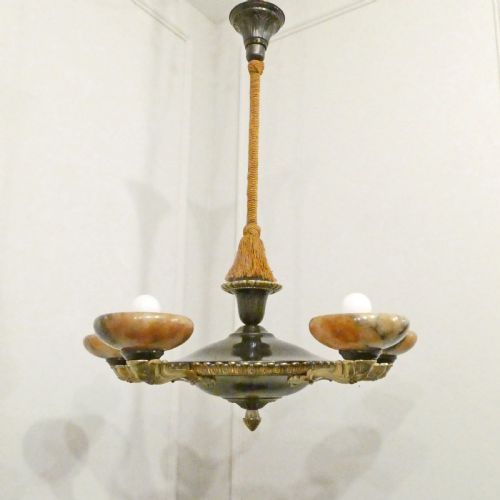
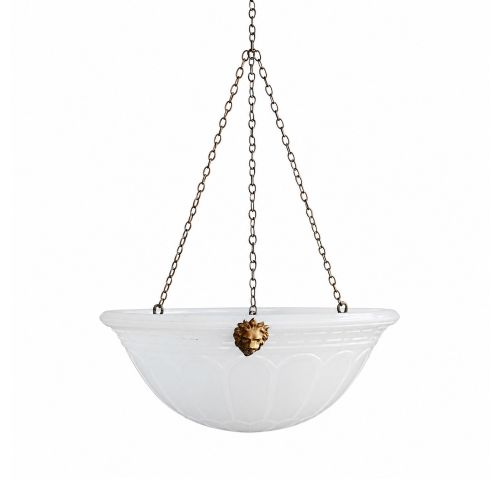
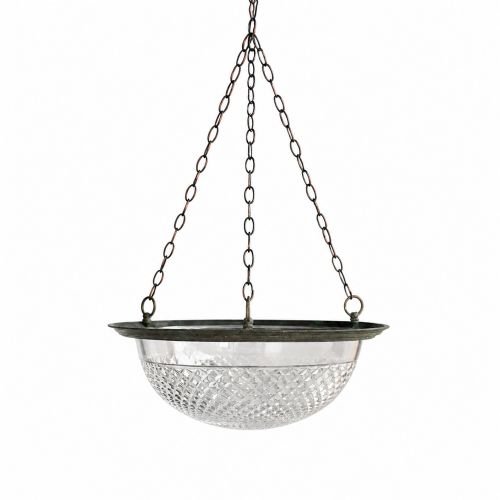
When you search for an antique ceiling bowl light, you find a range of suspended fixtures featuring glass, alabaster, or crystal bowls hung by chains, cords, or metal mounts. The forms span ceiling lights, pendant lights, chandeliers, and plafonniers designed to distribute ambient illumination downward and outward.
The most common versions on this page date from the 1920s and 1930s, displaying distinct Art Deco styling in carved alabaster, pressed satin glass, and opalescent materials. Edwardian and Victorian examples also appear frequently, often constructed from cut glass and brass or bronze.
Origins include English workshops alongside continental European pieces, reflecting tastes from Neoclassical and Empire revivals to Arts and Crafts and Art Nouveau aesthetics. These bowls serve as both functional overhead illumination and sculptural decorative centrepieces in period interiors.
How they were made
Makers utilised cast metals such as brass, bronze, copper, and silver plating to form the structural frames, suspension rings, and decorative mounts. These metal elements support the glass or stone bowls using chains, rods, or fabric cords.
The bowls themselves were shaped from carved natural alabaster, or produced via glassmaking techniques including pressing, cutting, enamelling, and opalescent moulding. Artisans also worked with moonstone, mirrored glass, and crystal to achieve specific translucent or reflective optical qualities.
Several bowls feature sculpted rams' heads, proving that antique sheep made surprisingly good lighting consultants.
What varies in quality
The distinction between tiers rests upon the choice of raw materials and the sophistication of the manufacturing technique, such as the depth of hand-cut facets in crystal or the fine veining within carved alabaster. Superior examples employ heavier gauges of bronze and brass for their structural mounts, ensuring balance and durability.
Design execution also separates standard production items from exceptional work, seen in the crispness of cast decorative details like rams' heads or neoclassical motifs and the artistic merit of signed glass bodies. The integration of high-grade opalescent, moonstone, or pressed satin glass elevates the visual impact when illuminated.
René Lalique·Verrerie Des Vosge·Tiffany
The Antique Ceiling Bowl Light Glossary
- Plafonnier
- A ceiling-mounted or shallow-suspended bowl light that sits close to the ceiling surface. This French term typically describes fixtures where the glass or alabaster bowl conceals the interior bulb fittings.
- Alabaster
- A fine-grained, translucent stone carved into bowls and dishes for soft light diffusion. Its natural veining patterns mean no two carved shades share an identical appearance.
- Opalescent glass
- Glass containing ingredients that cause it to milky-blue scatter light while appearing warm amber or orange when lit from within. It gained popularity during the Art Deco and Art Nouveau periods.
- Moonstone glass
- A type of semi-translucent white glass designed to mimic the soft, glowing appearance of the moon. It diffuses overhead glare effectively in early twentieth-century pendant configurations.
- Cut glass
- Glass decorated by grinding facets or patterns into the surface using a rotating wheel. This technique maximises the sparkle and refraction of light within Edwardian and Victorian chandeliers.
Antique Ceiling Bowl Light: Frequently Asked Questions
How do I hang a heavy bowl light?
These fixtures require secure ceiling joist fixings or dedicated ceiling roses to support the combined weight of stone, glass, and metal frames. Professional installation ensures the suspension chains or rods bear the load safely.
Heavier alabaster bowls and large crystal chandeliers demand independent structural support rather than relying solely on standard electrical junction boxes.
What is the difference between a pendant and a plafonnier?
A pendant light hangs lower on a longer drop of chain, cord, or metal rod, acting as a prominent focal point in the room. A plafonnier hugs the ceiling much closer as a shallow bowl.
Plafonniers suit rooms with lower ceiling heights where a hanging pendant might obstruct movement, while pendants work well over dining tables or in entrance halls.
How do I clean antique glass and alabaster?
Alabaster is a soft, porous stone that absorbs moisture easily, so it requires gentle dusting with a dry cloth rather than wet washing. Glass bowls can be detached from their metal mounts and washed in lukewarm soapy water.
Care must be taken around antique silver-plated or bronze metalwork to avoid harsh chemical cleaners that strip patination.