

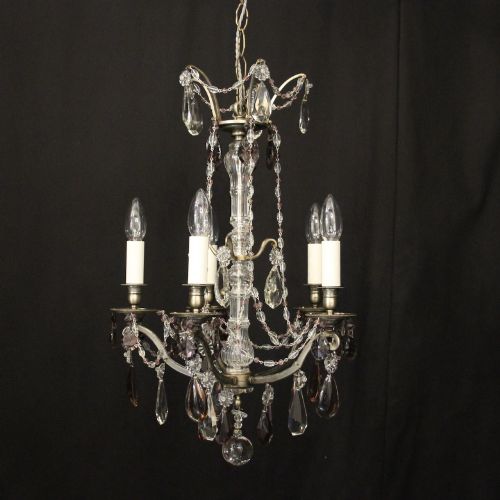
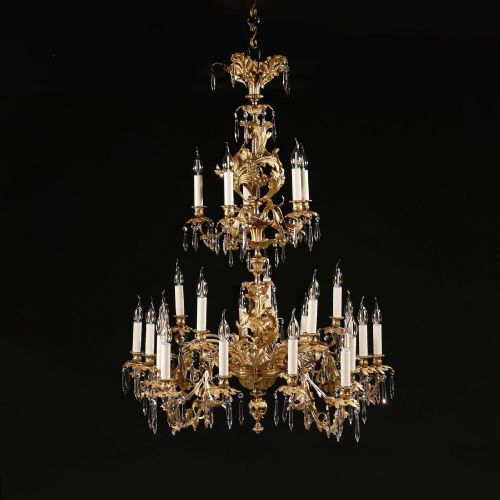
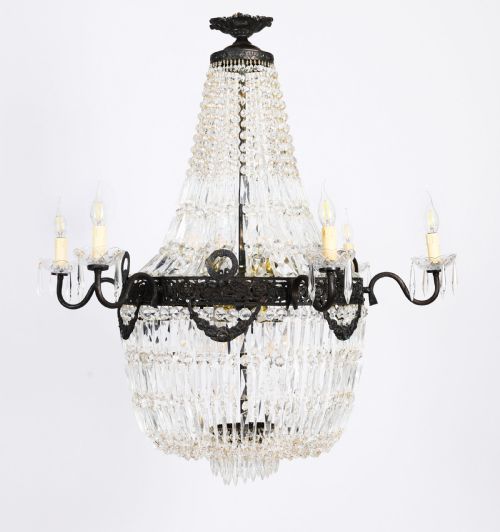
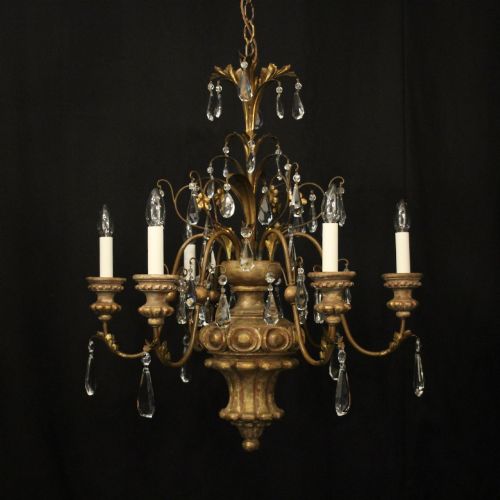
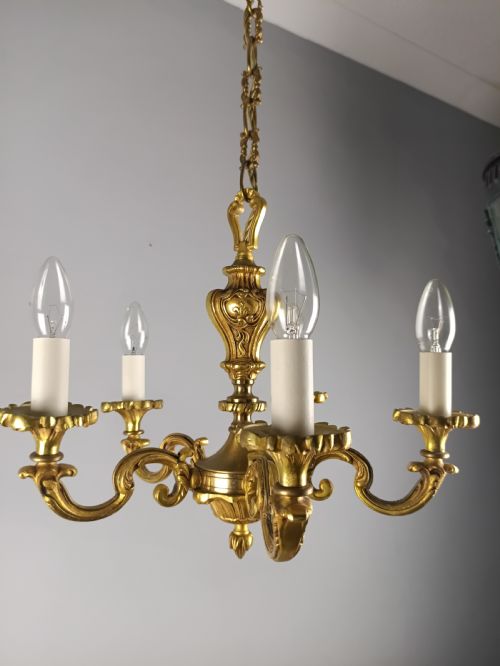
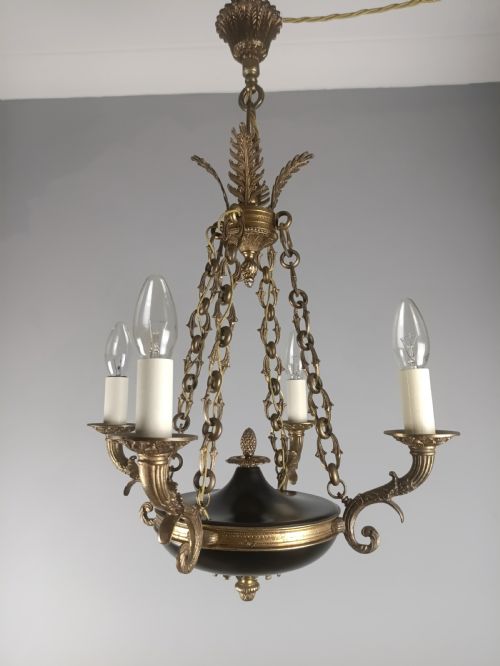
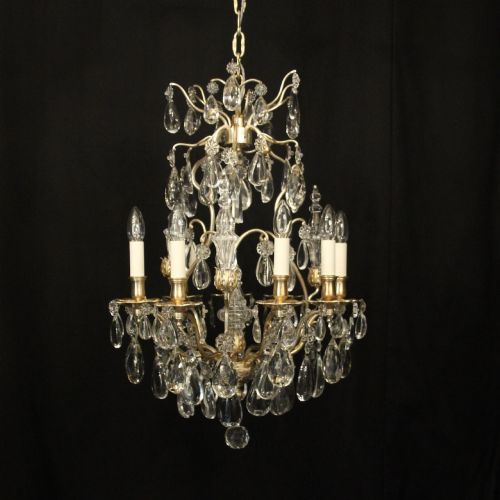
Antique Bronze Ceiling Fitting
An antique bronze ceiling fitting brings substantial weight and period character to a room, offering enduring metalwork and warm illumination.
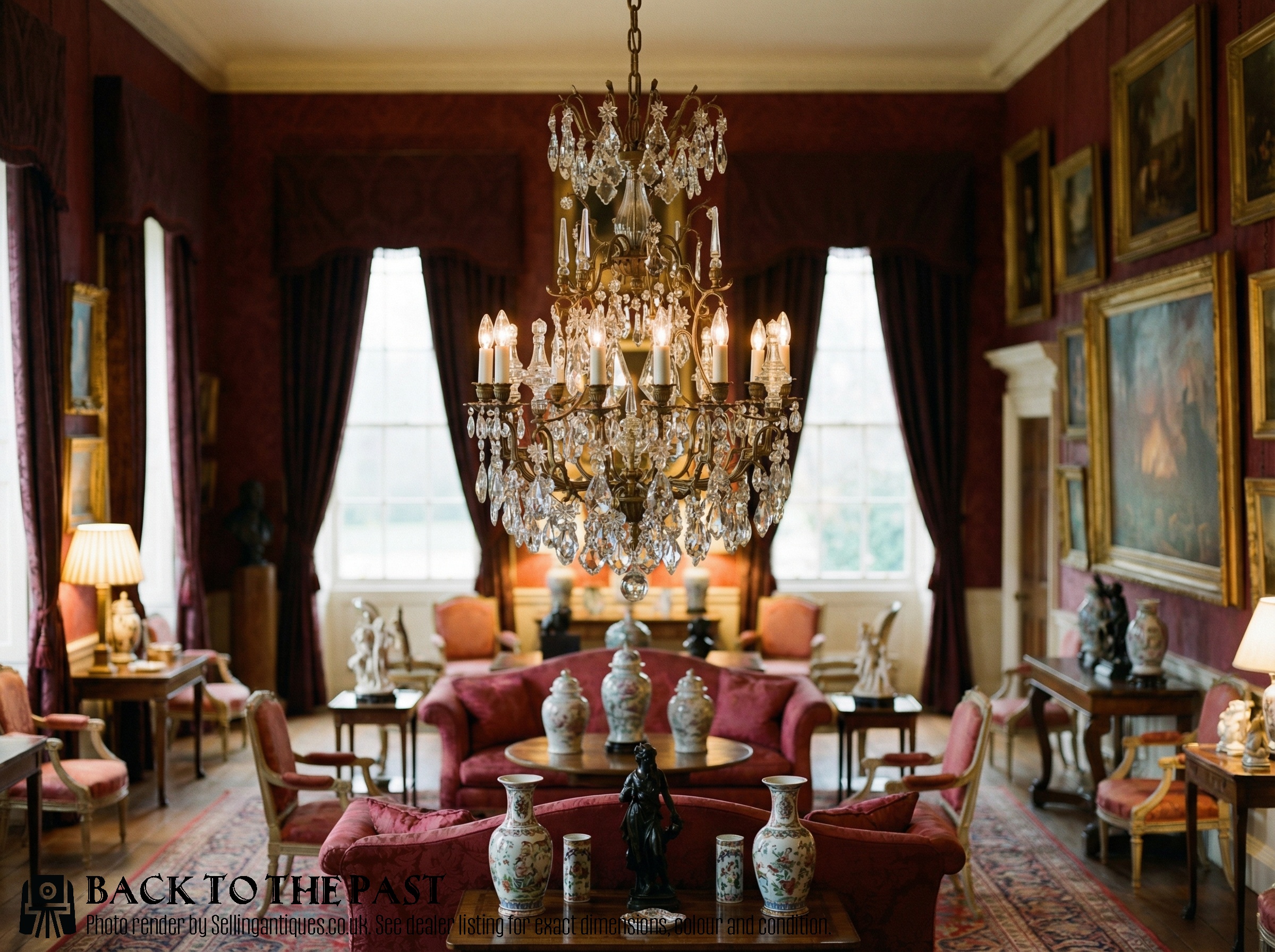
Antique Bronze Ceiling Fitting
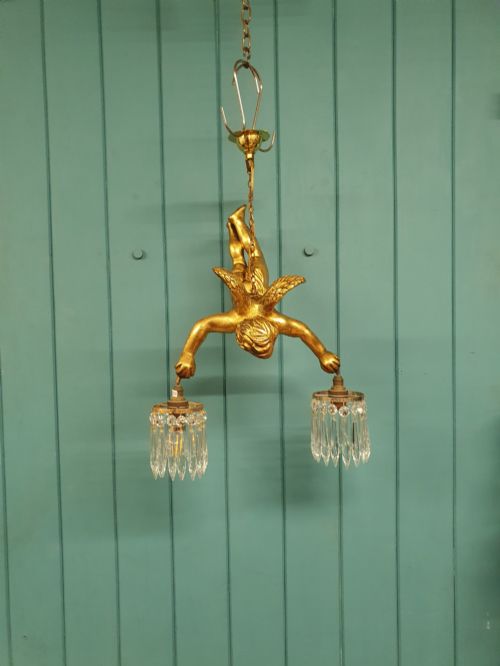
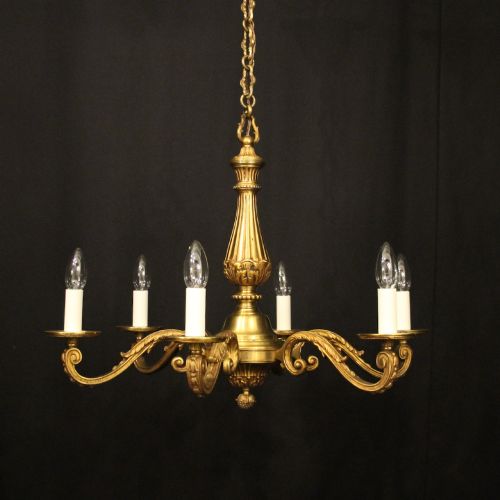
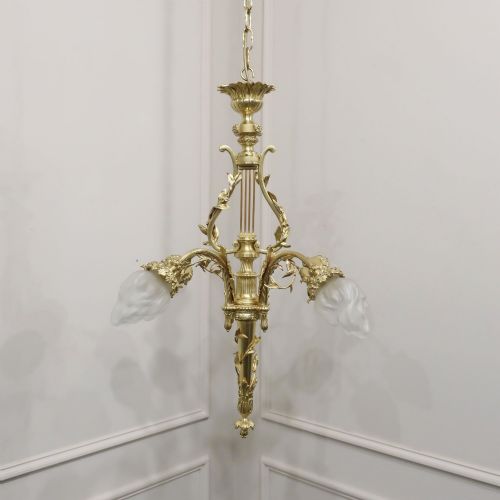
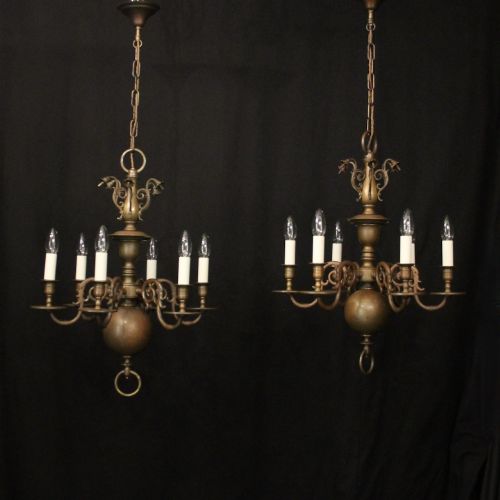
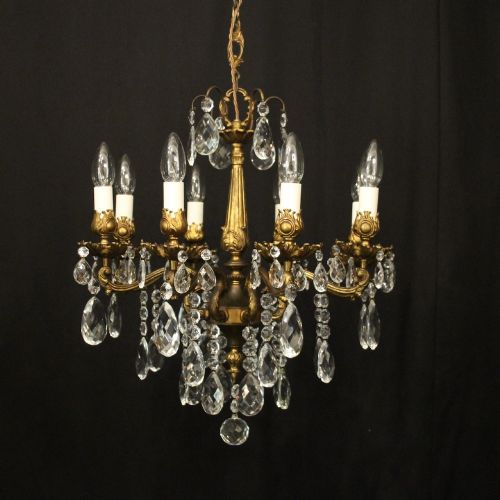
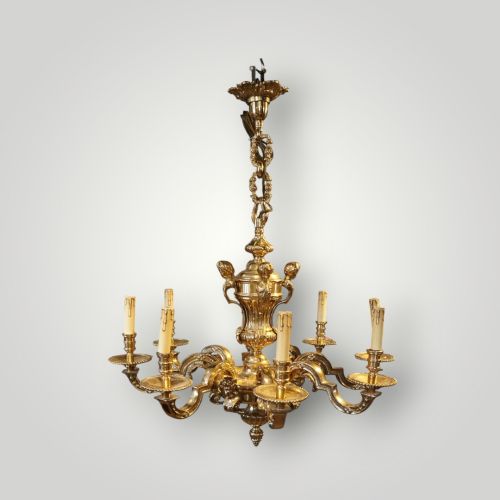
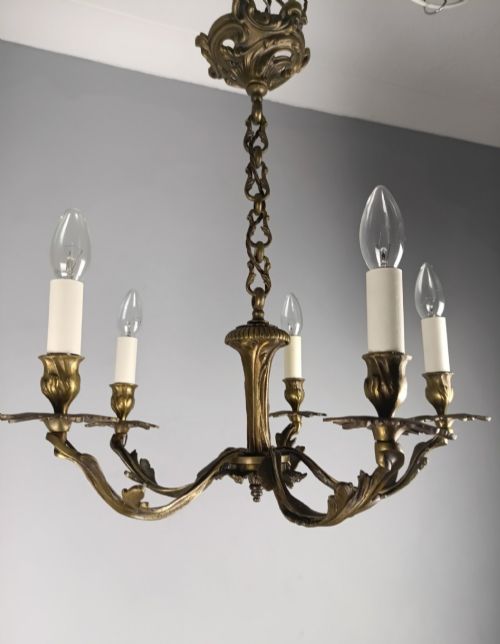
An antique bronze ceiling fitting encompasses chandeliers, hall lanterns, and ceiling lights forged primarily in bronze, gilt bronze, and brass. These fixtures serve as central illumination pieces that dominate a room's architecture.
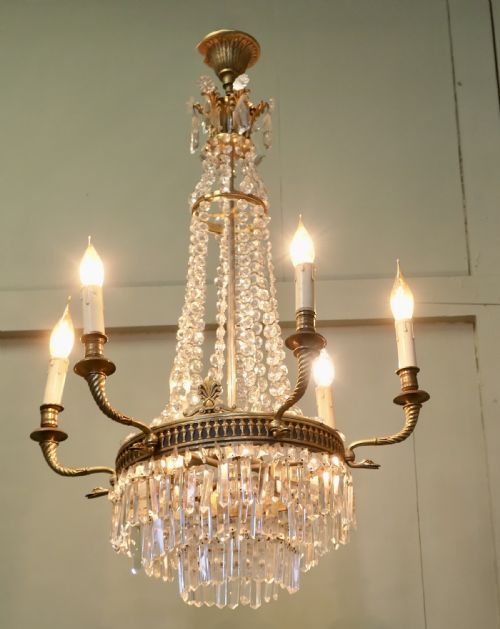
The selections encountered most frequently on this page originate from French workshops spanning the nineteenth century through the Art Deco period of the 1930s. Buyers will regularly find stylistic expressions ranging from restrained Empire designs to elaborate Rococo and Neoclassical forms.
Forms vary from compact hall lanterns to multi-tiered chandeliers carrying upwards of twenty-five lights. Many incorporate cut glass and crystal drops that catch and refract the light across adjacent walls.
Materials and construction methods
The backbone of these pieces relies on cast bronze, brass, or gilt metal combined with cut glass and crystal elements. Metal components are frequently gilded, silver-gilded, or left with a dark bronze patina.
Artisans employed traditional casting and chasing techniques to produce intricate figural details, leaf motifs, and structural arms. Crystal drops and spikes were individually hand-cut and wired into place using metal pins.
Listings feature periods spanning from the Victorian era and the nineteenth century through to the 1930s.
Markers of distinction and quality
Quality rests in the crispness of the metal chasing and the depth of the original gilding or patina. Finer examples display sharp definition in cast foliate details and figural elements rather than softened, mass-produced contours.
The integration of high-grade cut glass or crystal drops elevates an assembly, especially when prisms retain their original sharpness and refractive brilliance. The structural rigidity of the frame and the harmonious balance of the branching arms dictate the overall presence of the fitting.
G.E.C
The Antique Bronze Ceiling Fitting Glossary
- Gilt bronze
- Bronze that has been coated with a thin layer of gold or gold leaf to produce a lustrous golden finish. This technique protects the underlying metal while adding considerable visual warmth.
- Tent and waterfall
- A specific chandelier configuration where strings of crystal beads form an upper triangular tent above a cascading downward shower of crystals. This arrangement maximises light dispersion across large spaces.
- Spelter
- A zinc alloy frequently used as a cost-effective substitute for bronze in decorative figures and mounts. It takes a bronze-like plating effectively.
- Hall lantern
- An enclosed ceiling fixture designed primarily for entrance halls and corridors. These pieces protect the internal light source within glazed panels framed in metal.
- Chasing
- The manual process of refining a cast metal surface using hammers and punches. Skilled chasing sharpens details and removes casting imperfections.
Antique Bronze Ceiling Fitting: Frequently Asked Questions
How do I clean an antique bronze ceiling fitting?
Dust the metal surfaces gently using a dry, soft microfibre cloth to prevent the accumulation of grime. Avoid chemical polishes that can strip away historic patinas or damage delicate gilt surfaces.
Crystal components can be cleaned in situ with a mild soapy solution applied via a cloth, taking care not to dampen internal electrical wiring. Ensure the power supply is completely switched off before undertaking any maintenance.
Are these fittings wired for modern electricity?
Most antique ceiling fixtures found on the market have been adapted for modern electrical supplies at some point in their history. Rewiring is often recommended to ensure current safety standards are met.
Qualified electricians should inspect the internal channels and lampholders prior to installation. Many fixtures use standard candelabra base lamps that accommodate modern LED alternatives.
How do I determine the period of a chandelier?
Dating relies on stylistic clues, manufacturing techniques, and the type of metal alloys utilised. Neoclassical and Empire pieces display strict symmetry and classical motifs, whereas later twentieth-century examples embrace geometric Art Deco lines.
Examining the fixings, screw threads, and wiring channels provides further clues regarding manufacture age. Stylist revivals often mirror earlier eras, requiring careful inspection of casting quality to separate nineteenth-century originals from later interpretations.