




Gilded Brass Pendant Lamp
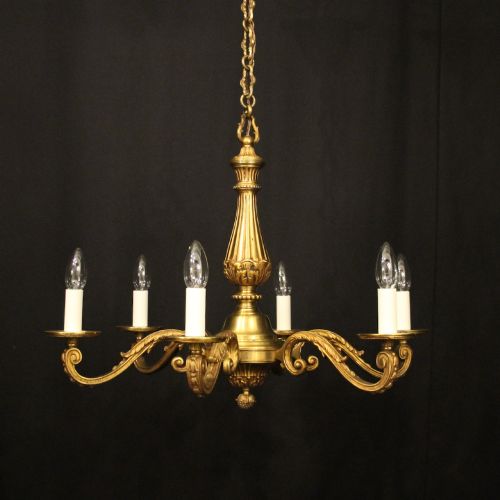
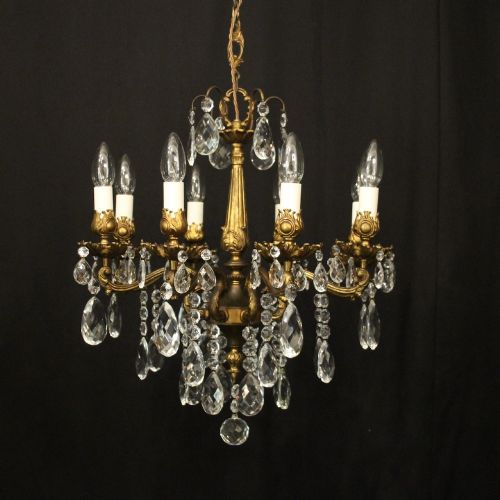
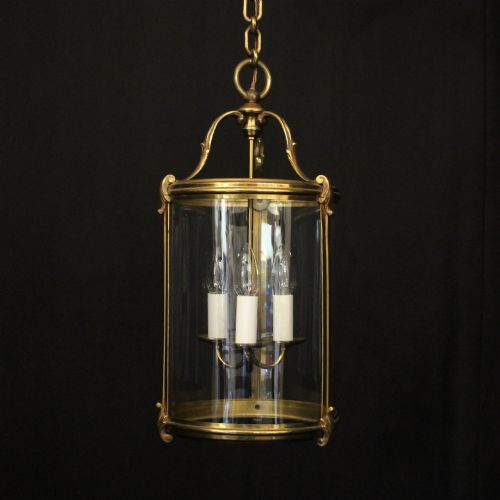
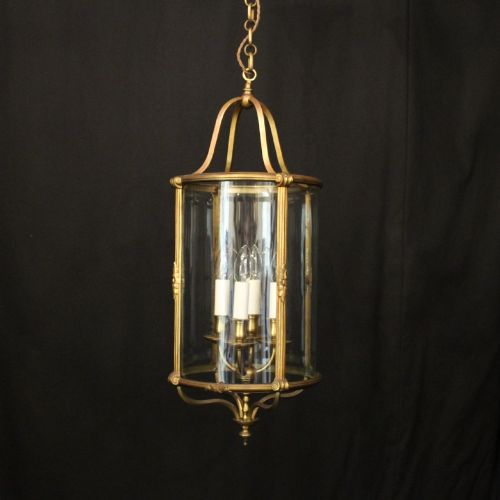
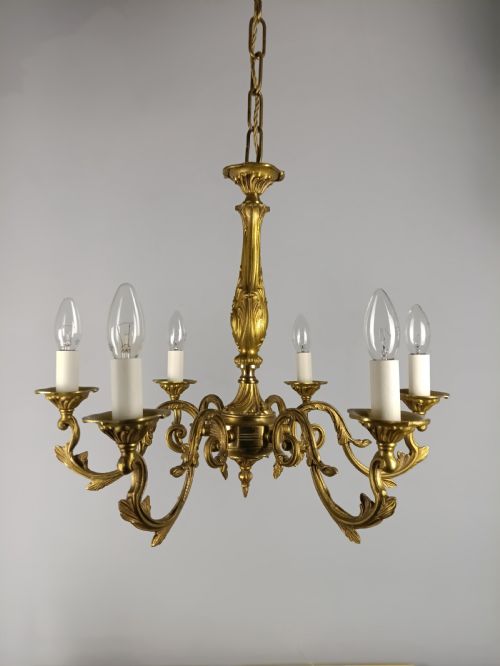
When you want a gilded brass pendant lamp, you are looking at French chandeliers and hall lanterns crafted across the nineteenth and twentieth centuries.
Gilded Brass Pendant Lamp
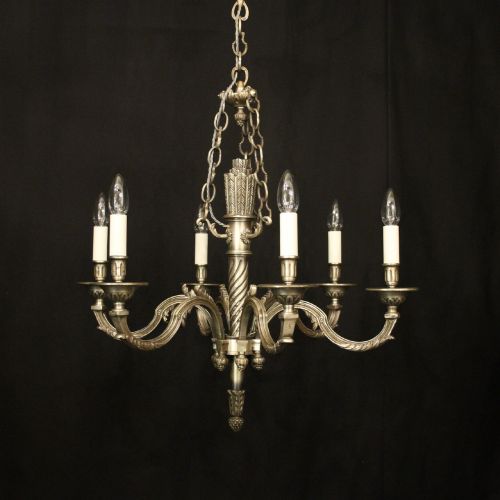
A gilded brass pendant lamp brings historic illumination to a room, appearing in forms such as multi-light chandeliers and enclosed hall lanterns. The pieces gathered here predominantly reflect French design traditions, spanning the nineteenth century through the nineteen-thirties.
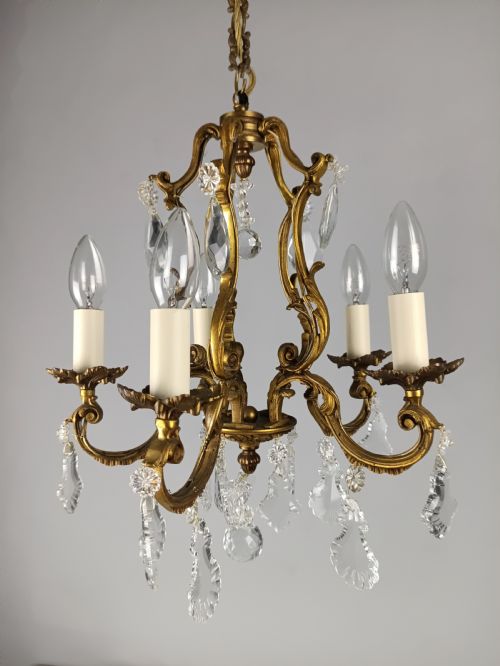
Buyers encounter variations ranging from simple four-light fixtures to grand sixteen-branch chandeliers dressed with crystal drops. Styles stretch from Gothic Revival and Victorian to French Rococo and neoclassical interpretations.
How they were made
Metalwork forms the structural backbone of these fixtures, utilising cast brass, bronze, and gilt metal shaped into arms, frames, and mounts. Gilding is applied to the metal surfaces to provide a lustrous golden finish.
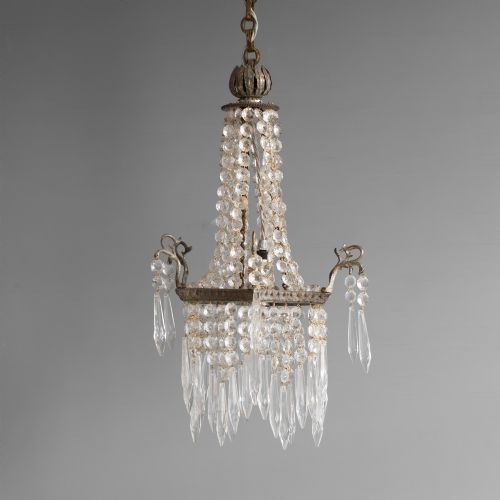
Transparent elements complete the construction, incorporating cut glass, crystal drops, and decorative glass panels. These glass components refract the light cast by the internal bulbs or candles.
Listings feature items spanning the nineteenth century, Edwardian era, and nineteen-thirties, incorporating both brass and bronze metals.
What varies in quality
The refinement of the casting and chasing on the bronze or brass framework separates standard work from exceptional examples. Finer pieces display crisp botanical motifs, cherubs, or architectural detailing rather than soft or blurred edges.
The integration of the crystal and glass components also dictates the tier of the piece. Superior fixtures employ hand-cut crystal drops and heavy lead glass that hold a sharper refractive sparkle.
The Gilded Brass Pendant Lamp Glossary
- Ormolu
- A technique of applying finely ground high-carat gold to a bronze object using mercury. This creates a durable and rich golden surface often seen on French lighting.
- Chandelier
- A branched ceiling-mounted lighting fixture designed to hold multiple light sources. They range from simple small frames to large multi-tiered designs.
- Hall Lantern
- An enclosed hanging light traditionally placed in entryways or corridors. These feature glass panels set within a metal framework.
- Tent and Bag Chandelier
- A lighting form where strings of crystal beads form an upper tent shape above a gathered bag of glass drops below. This style creates a cascade of reflected light.
- Gilt Bronze
- Bronze metal that has been coated with a layer of gold. It provides the structural strength of bronze with the appearance of solid gold.
Gilded Brass Pendant Lamp: Frequently Asked Questions
How do I hang a heavy pendant lamp safely?
Heavy chandeliers and lanterns require direct anchoring into the ceiling joist rather than relying solely on plasterboard or lath. A professional electrician should install a proper steel ceiling hook and junction box rated for the specific weight of the fixture.
Ensuring the drop chain and internal wiring are inspected prior to installation guarantees both structural security and electrical safety in older homes.
What periods do these lamps come from?
The lighting fixtures available span from the nineteenth century through the early twentieth century, encompassing Victorian, Edwardian, and interwar periods. French workshops produced the majority of these surviving designs.
Stylistic cues such as neoclassical symmetry or ornate rococo curves help identify the design era of each individual lamp.
Can I adjust the drop length of a pendant light?
Adjusting the drop length typically involves altering the suspension chain and shortening the electrical flex. Many period fixtures retain links that can be opened and closed to change the overall height.
Consulting a specialist ensures that the weight distribution remains balanced and the wiring stays concealed within the canopy.
How should I clean gilded brass and crystal?
Dusting crystal drops regularly with a soft feather duster prevents grime accumulation. Gilded brass surfaces should be wiped gently with a dry or very slightly damp cloth without abrasive chemical cleaners.
Harsh polishes will strip the historical gilt layer from the metal over time.