

Gilt Bronze Ceiling Fixture
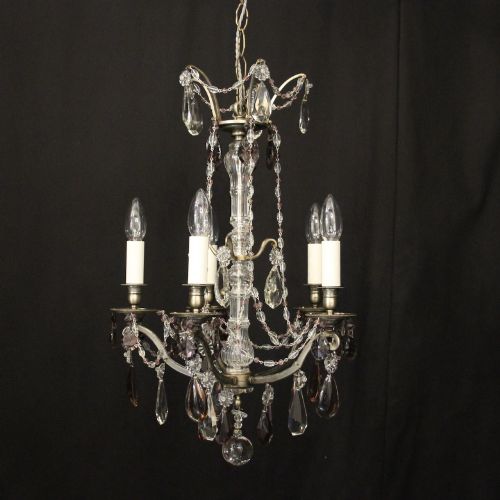
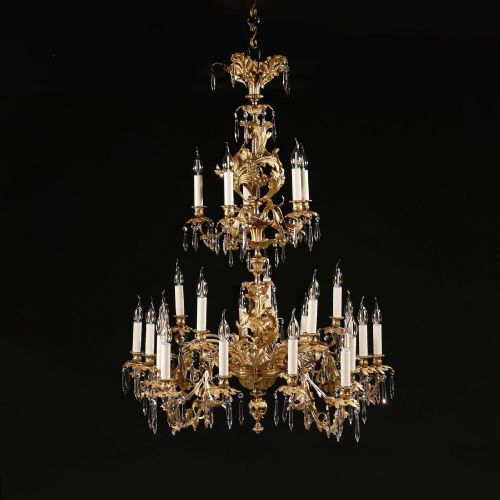
A gilt bronze ceiling fixture brings warmth and French elegance to a room through cast metal and hanging crystal.
Gilt Bronze Ceiling Fixture
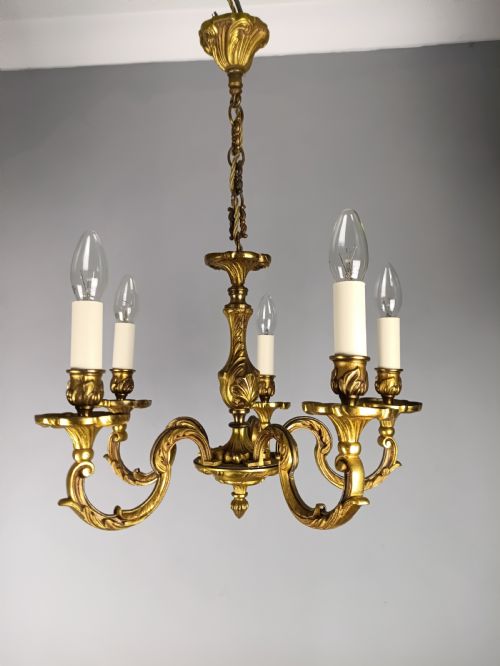
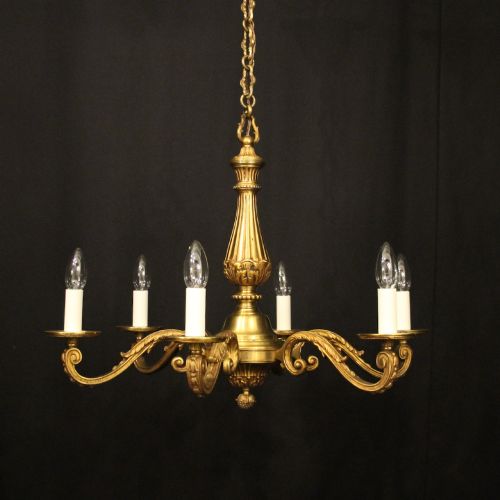
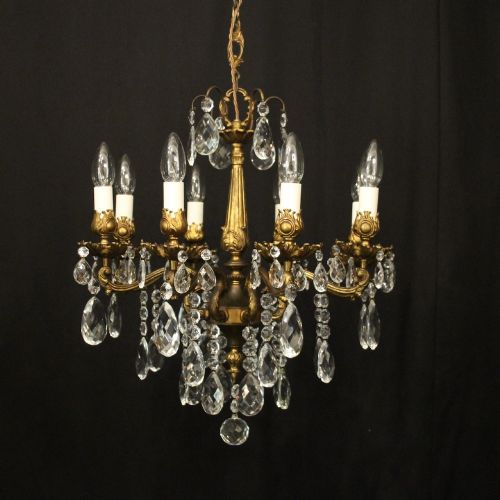
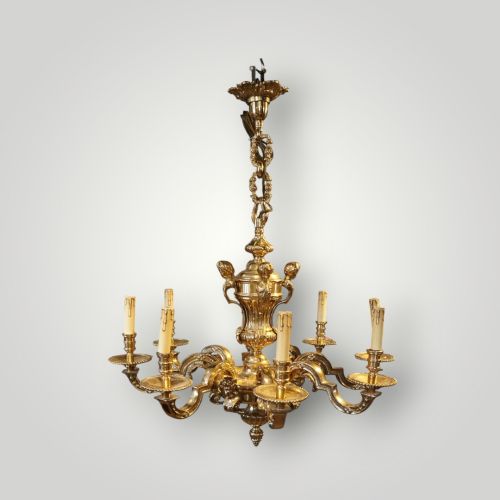
When you search for a gilt bronze ceiling fixture, you encounter lighting designed to suspend from the ceiling and illuminate large spaces. The pieces gathered here span the nineteenth century through the early decades of the twentieth century, with a strong representation of nineteen-twenties French lighting.
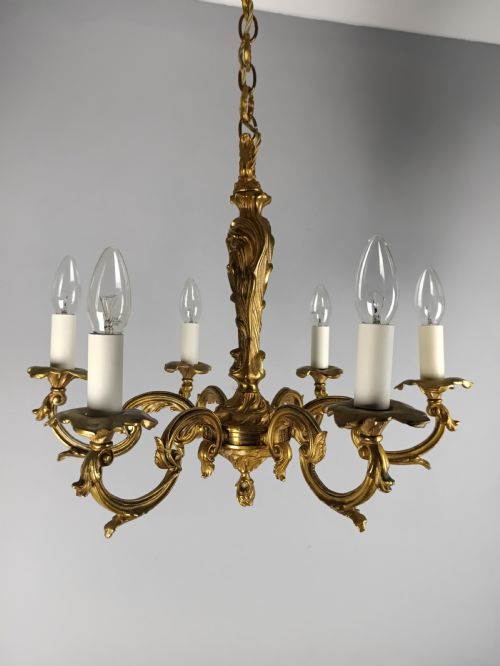
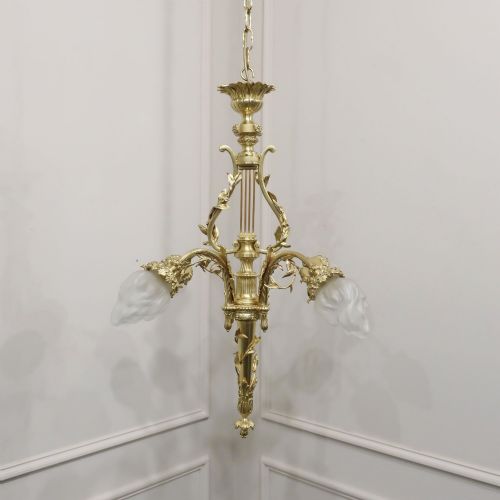
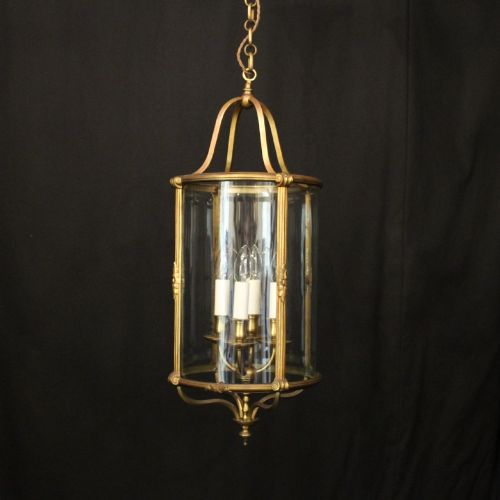
You will most commonly meet multi-light chandeliers and hanging hall lanterns shaped in French styles such as Rococo, Neoclassical, Empire, and Louis XVI. These fixtures originate primarily from French workshops, though Italian Florentine pieces also appear among the selections.
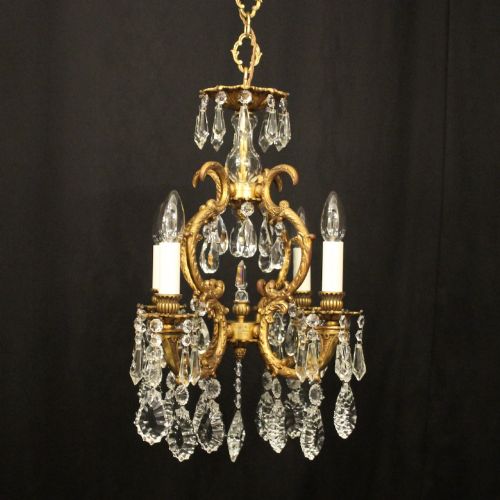
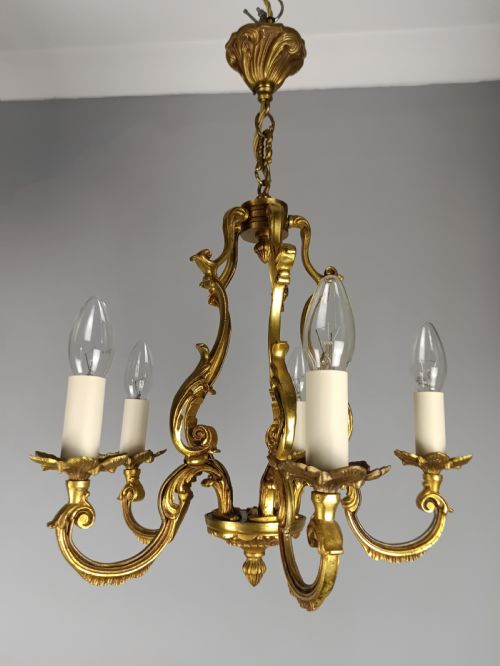
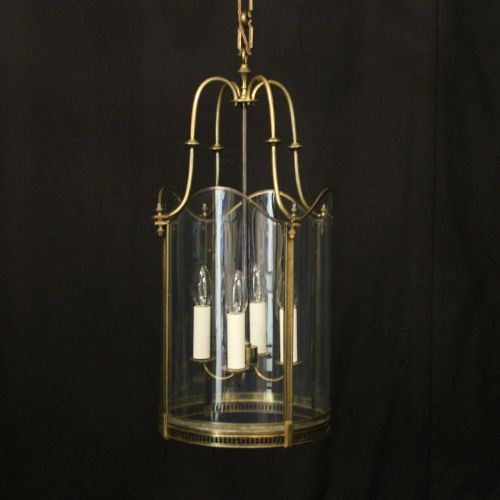
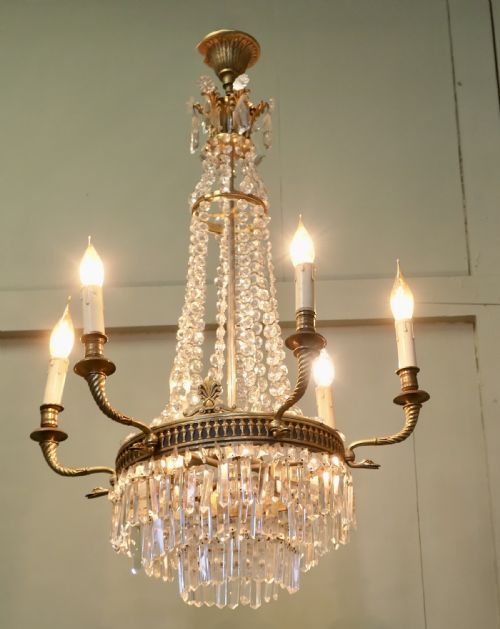
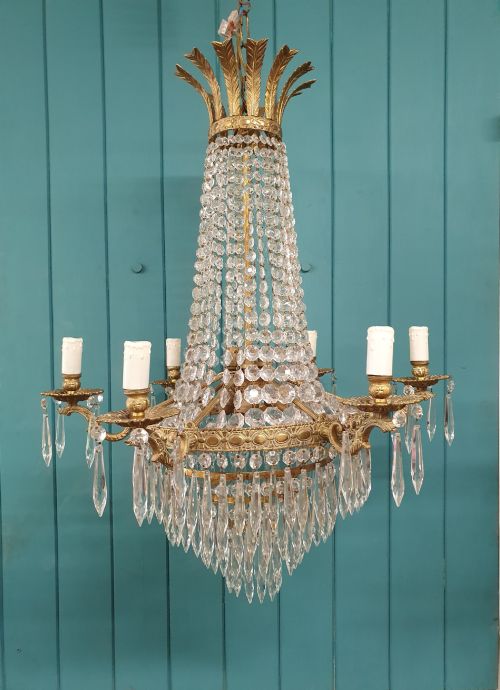
The forms range from compact three-light pendants to elaborate multi-branch chandeliers hung with crystal drops and tent-and-waterfall structures. Hall lanterns with convex glass panels offer another distinct variation designed for entryways and corridors.
How they were made
The primary structure relies on cast bronze, brass, or spelter, finished with a layer of applied gilding or silver gilding to create a brilliant metallic surface. Metal components are cast in sections, chased by hand to sharpen the leaf and scroll ornamentation, and screwed or pinned together.
Glass and crystal elements, including cut glass drops, spikes, and convex lantern panels, complement the metalwork by reflecting and refracting the light. Chandeliers often incorporate wired candle tubes or candle-form holders nestled within the bronze arms.
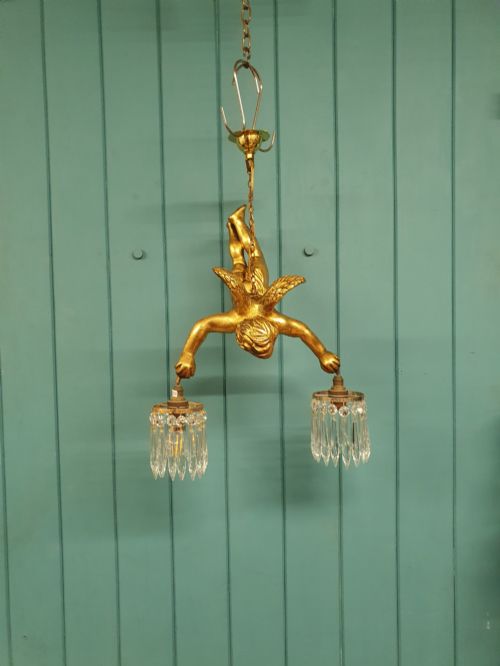
Keep an eye out for flying cherubs dangling amid cut glass crystal spikes.
What varies in quality
The depth and crispness of the casting and manual chasing separate ordinary pieces from superior examples. Better fixtures show clean, sharp definition in leaf decoration, cherubs, and scrollwork without softness in the metal contours.
The integration of glass also marks a distinction, as heavy, hand-cut crystal prisms and well-fitted convex panels demonstrate superior craftsmanship compared to plain pressed glass or mismatched components.
The Gilt Bronze Ceiling Fixture Glossary
- Gilt bronze
- Bronze that has been coated with a layer of gold leaf or applied gold paint. This finish provides a bright, reflective surface that resists tarnishing over decades.
- Tent and waterfall
- A chandelier design where strings of crystal beads form an upper conical tent above a cascading waterfall of further crystals. This configuration creates a dense display of refracted light.
- Hall lantern
- An enclosed hanging light fixture suspended by a chain, often featuring glass panels. These were traditionally placed in entrance halls to protect the flame from drafts.
- Chasing
- The manual finishing of a metal casting using small punches and hammers. This technique refines surface details and sharpens the decorative motifs.
Gilt Bronze Ceiling Fixture: Frequently Asked Questions
How do I hang a heavy antique chandelier safely?
Suspension requires fixing directly into the ceiling joist or using a heavy-duty metal hook rated for the total weight of the bronze and crystal. Professional installation ensures the electrical wiring meets modern standards while supporting the substantial load.
Most fixtures arrive with a matching ceiling cap and suspension chain that can be adjusted to suit your ceiling height. Take care to balance the fixture during installation so the arms hang level.
What periods do these ceiling fixtures come from?
The lighting options span the nineteenth century, the Victorian era, and early twentieth-century decades up to nineteen-thirty. French provincial and revival styles dominate these periods.
Stylistic cues such as Neoclassical symmetry or Rococo asymmetry help indicate the specific era of manufacture. Many pieces reflect earlier French design reigns reinterpreted by later makers.
Where were these fixtures originally placed in a home?
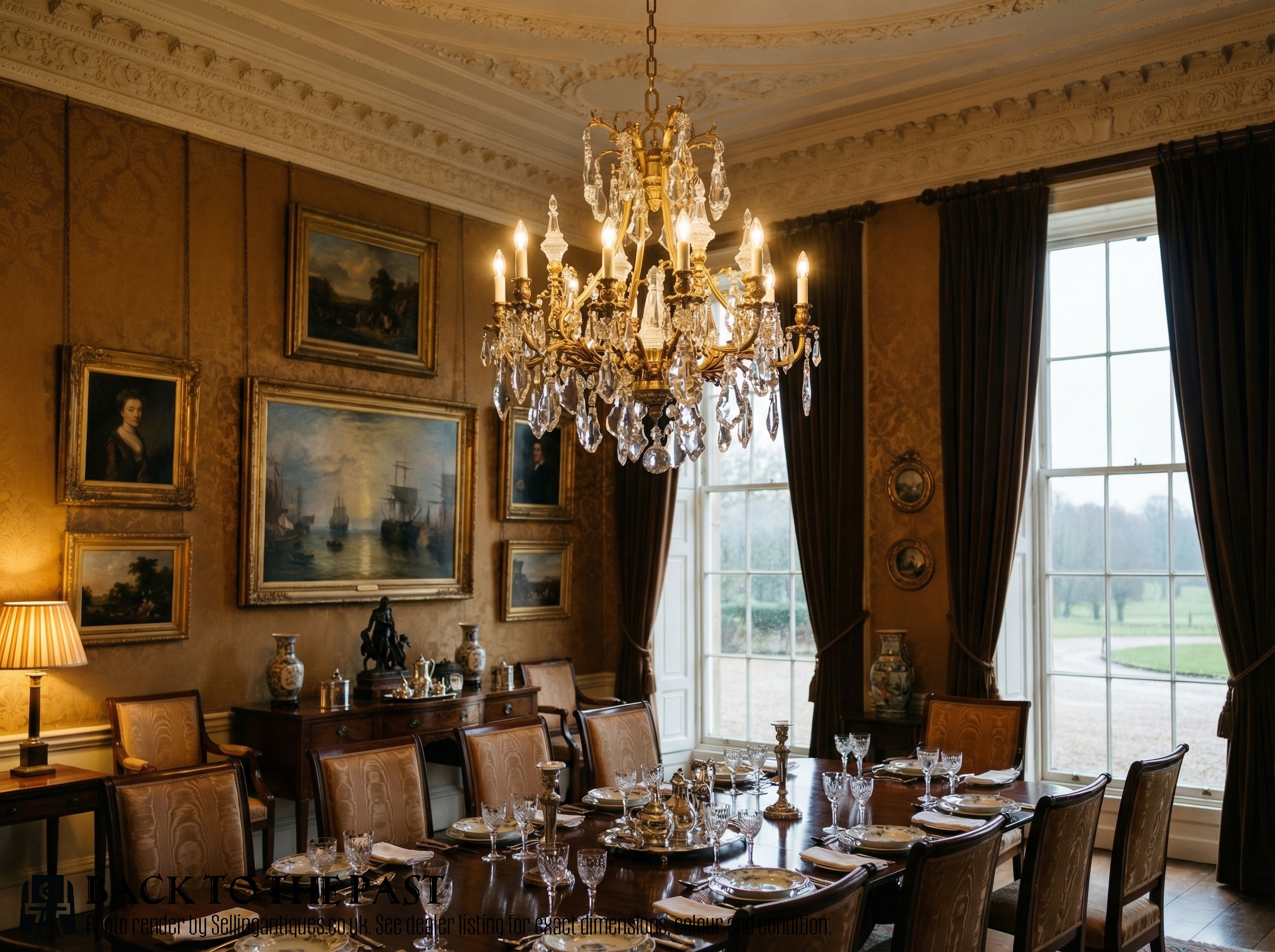
Chandeliers typically illuminated principal reception rooms, salons, and formal dining spaces where their multi-light capacity provided ample illumination. Smaller lanterns found their natural home in hallways and vestibules.
The scale of the fixture usually dictates its historic placement, with twenty-five light chandeliers serving grand public rooms and compact four-light versions intended for intimate spaces.