
Six Arm Ceiling Light
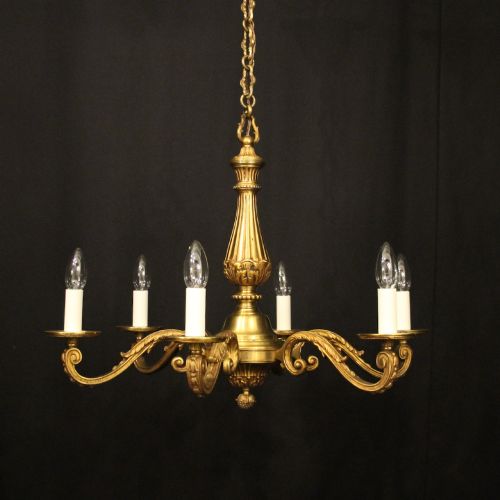
A six arm ceiling light brings balanced illumination and period presence to a room, drawing the eye upward with brass, bronze, and crystal.
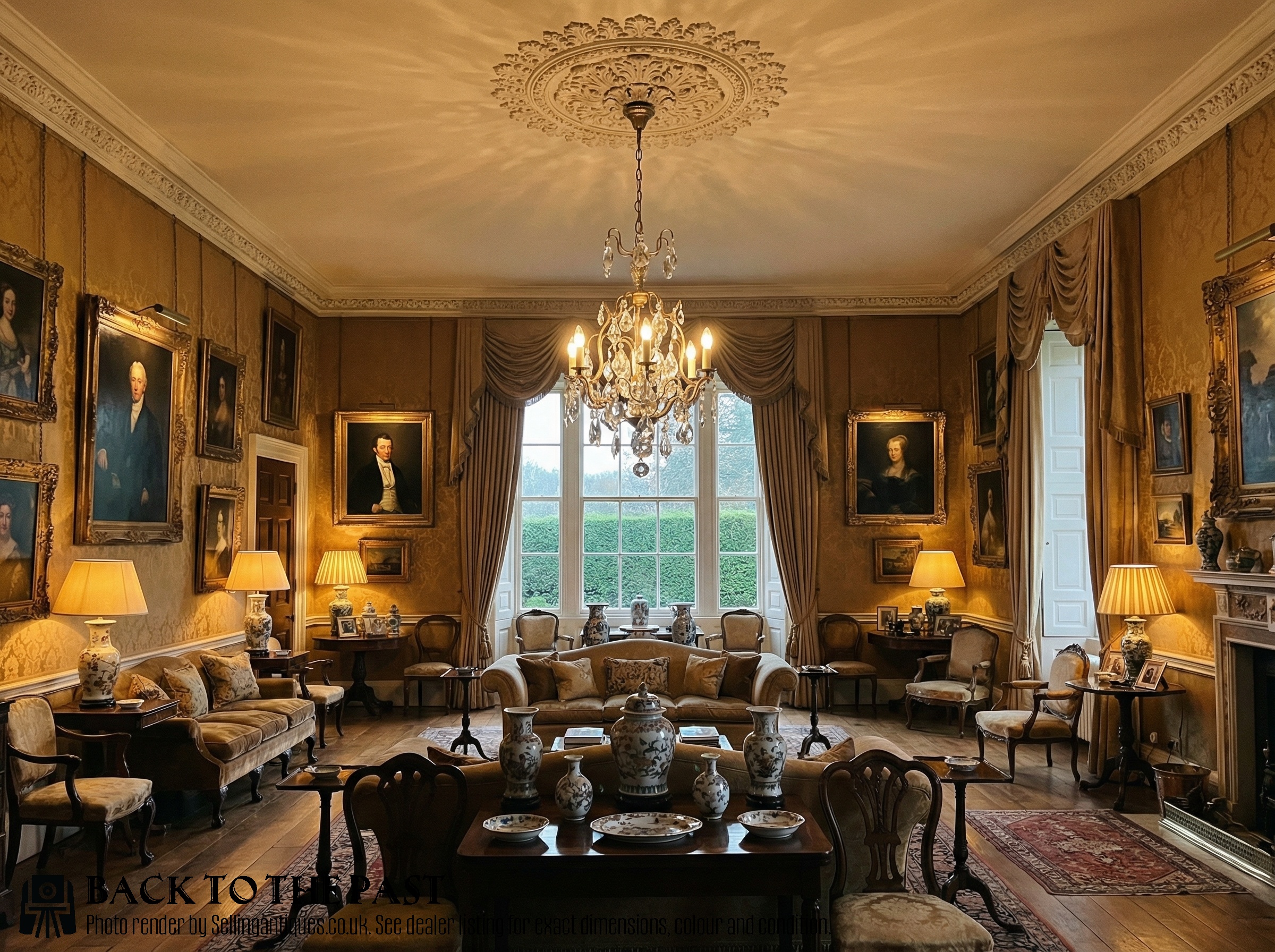
Six Arm Ceiling Light
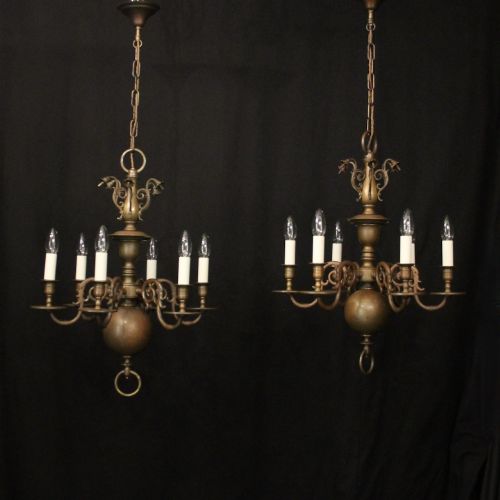
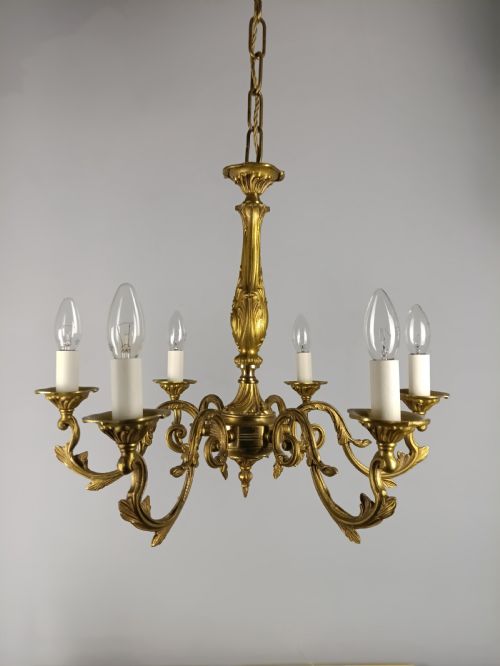
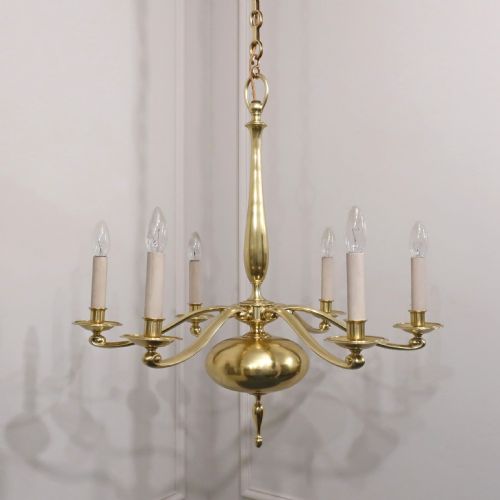
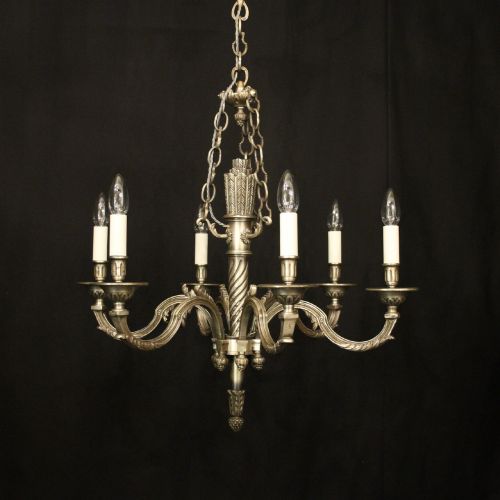
When you search for a six arm ceiling light, you are looking at chandeliers spanning the nineteenth century through the early twentieth century. The selection leans heavily toward French and Italian designs, alongside English examples from periods such as the Edwardian era.
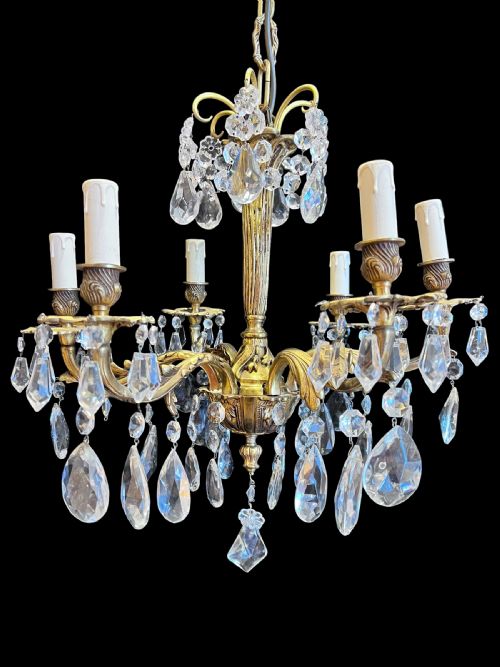
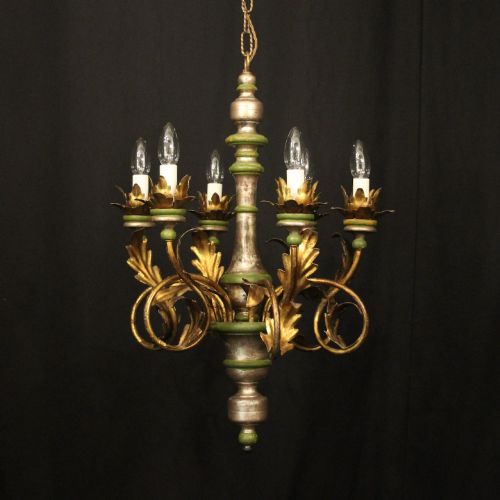
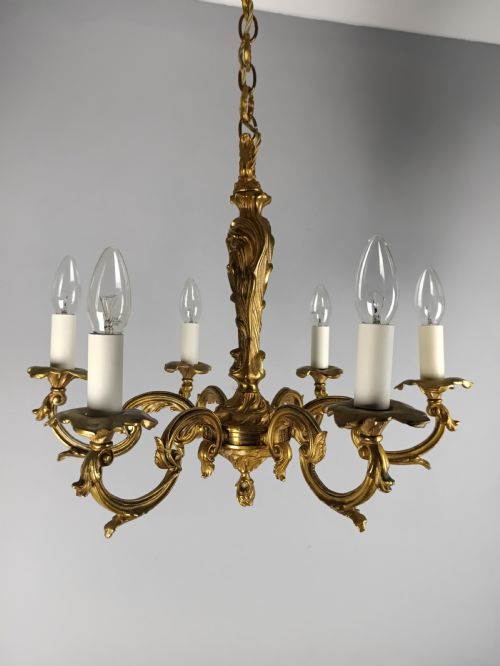
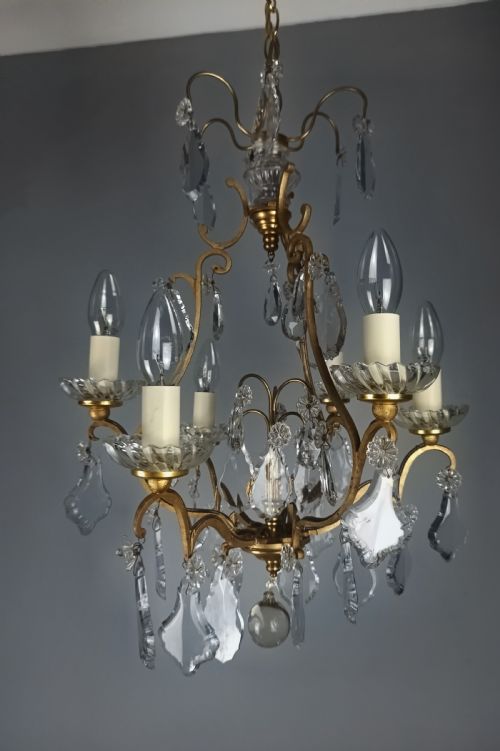
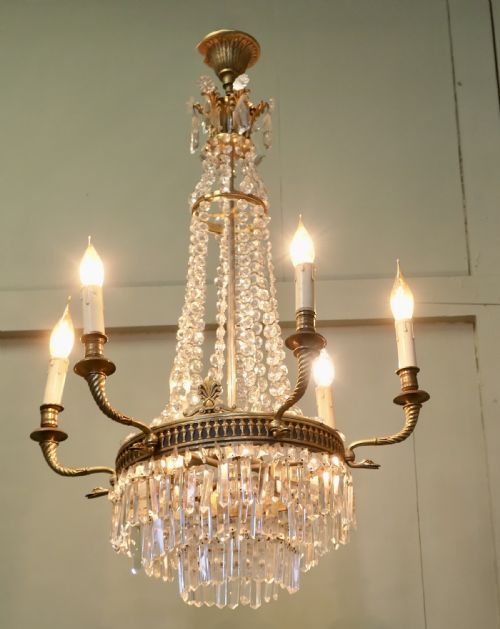
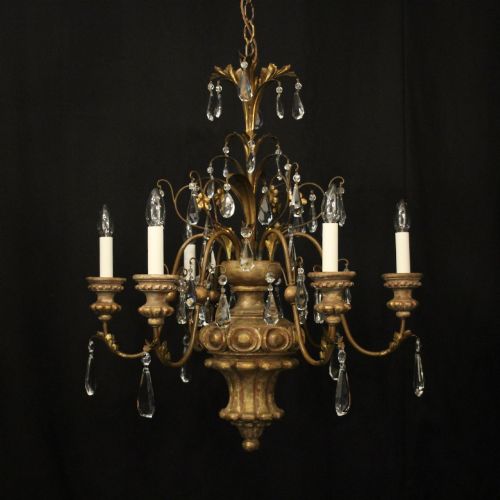
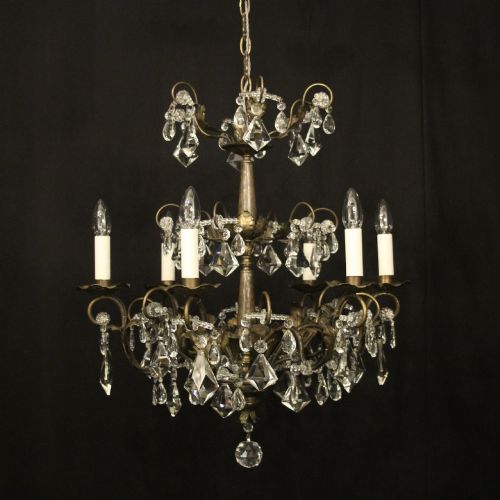
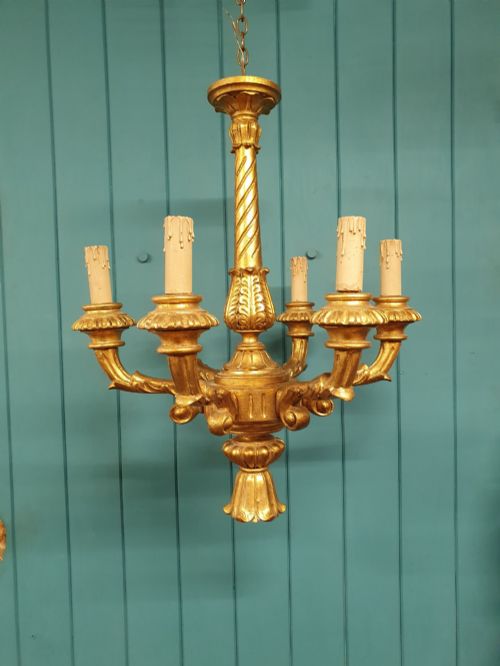
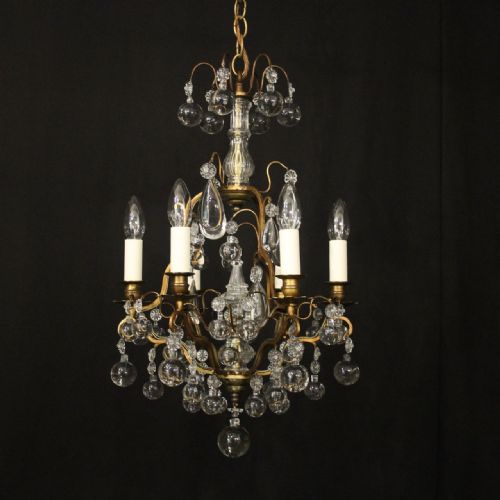
You will encounter forms ranging from heavy brass and bronze frames to gilded birdcage constructions and crystal-hung fixtures. Styles stretch from French Neoclassical and Rococo Revival to Art Deco and Florentine Baroque.
How they were made
These fixtures rely on cast metals such as brass, bronze, and gilt metal to form the structural arms and central body. Artisans chased and gilded these metal surfaces, or applied silver gilding and polychrome paint.
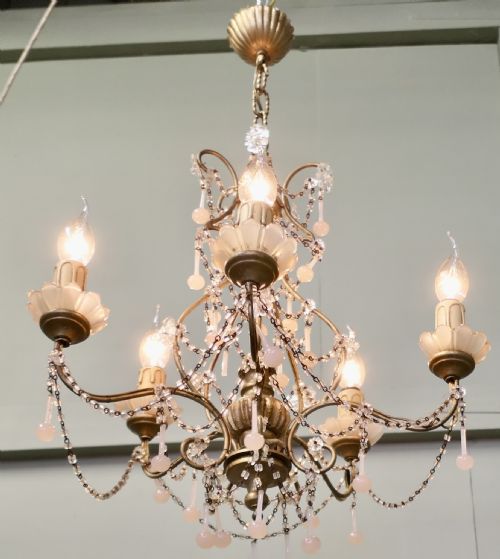
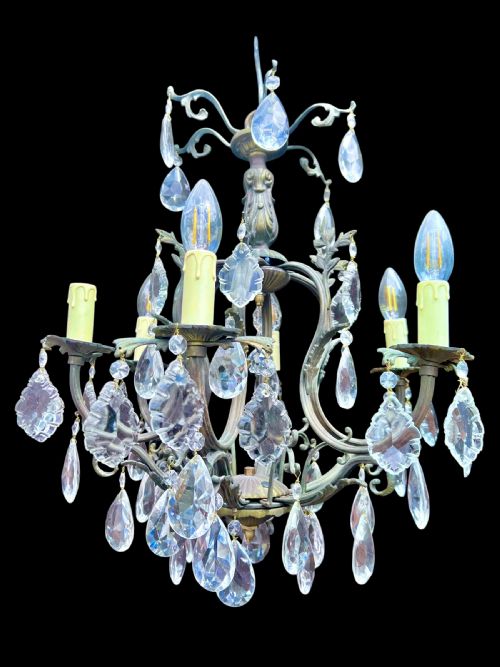
Many examples incorporate glass and crystal elements, including cut glass drops, cascades, and Venetian art glass components. Frames are constructed with welded or bolted arms radiating from a central stem to support the six lights.
Some playful Italian and French designs include chandeliers hung with coloured glass fruits among the crystal drops.
What varies in quality
Quality rests in the crispness of the metal casting and the depth of the gilding or patination. Finer examples show careful hand-finishing on the bronze and brass components rather than flat, uniform surfaces.
The integration of the glass and crystal elements also defines the tier of the piece. Superior chandeliers use hand-cut crystal drops that refract light cleanly, mounted securely to robust frames.
G.E.C
The Six Arm Ceiling Light Glossary
- Birdcage chandelier
- A skeletal metal frame resembling a birdcage, enclosed by strings of crystal beads or drops. This form became popular in grand French and Italian interiors.
- Tent and waterfall chandelier
- A design featuring a tent-like upper canopy of crystals dropping down to a wider bowl or ring below. The cascading crystal strands create a dramatic silhouette.
- Gilt bronze
- Bronze that has been coated with a thin layer of gold or gold-coloured alloy. It offers a rich metallic lustre that resists tarnishing over decades.
- Polychrome
- Decorated in multiple colours, often seen on Italian Florentine and French wrought iron pieces. This finish adds painted floral or decorative motifs to the metal or wood frame.
Six Arm Ceiling Light: Frequently Asked Questions
How do I choose the right size?
Consider the proportions of your room and the ceiling height. Smaller fixtures measuring around fifteen inches suit compact spaces, while larger thirty-inch chandeliers require higher ceilings to hang comfortably.
Ensure there is adequate clearance beneath the lowest point of the chandelier for foot traffic, particularly in hallways or over dining tables.
What periods do these lights come from?
The pieces span the nineteenth century and the early twentieth century, including Edwardian and Art Deco eras. Dates range from the late 1800s through the 1930s.
Stylistic cues such as streamlined geometric lines or ornate rococo scrolls help indicate the specific decade of manufacture.
How do I clean a crystal chandelier?
Dust the frame and crystal drops regularly with a soft duster or microfibre cloth. For a deeper clean, apply a specialist glass cleaner to a cloth and wipe each crystal individually.
Avoid spraying liquids directly onto the metal frame or electrical components to protect the antique finish and wiring.