
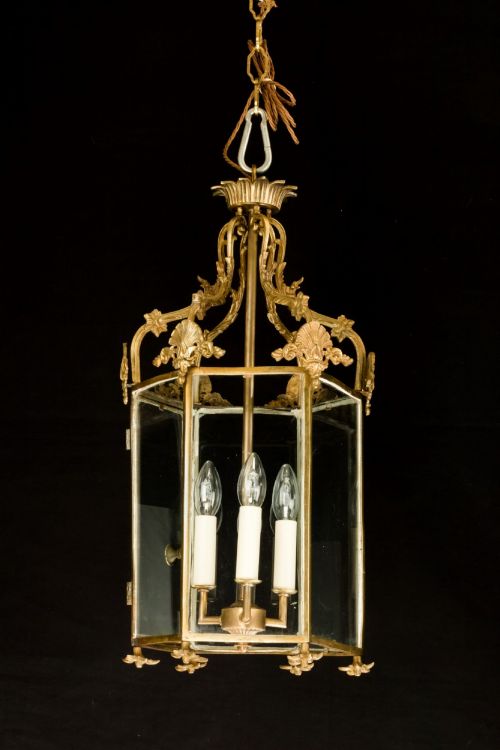
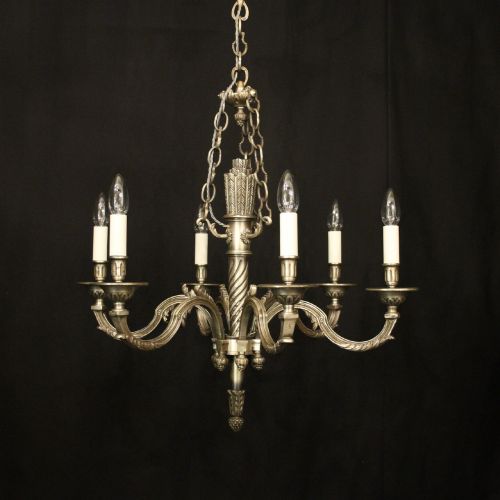

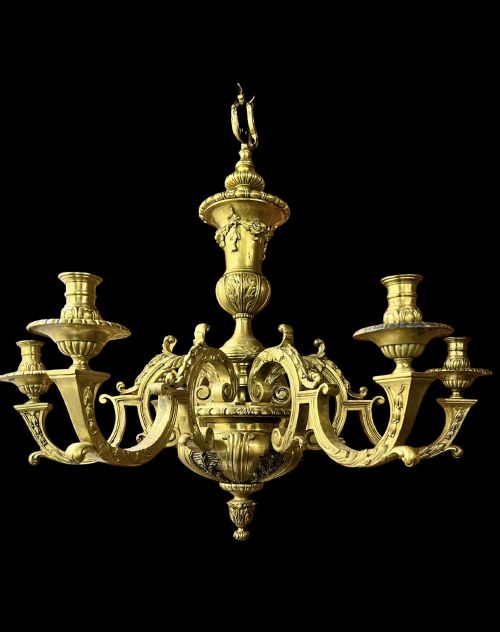


Neoclassical Brass Chandelier
These neoclassical brass chandelier pieces bring classical symmetry and warm metal tones to high ceilings.
Neoclassical Brass Chandelier
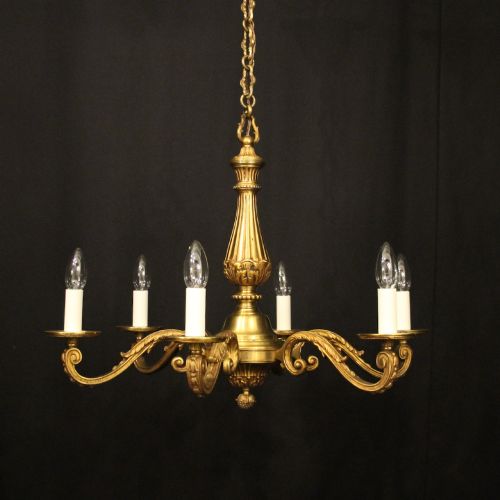
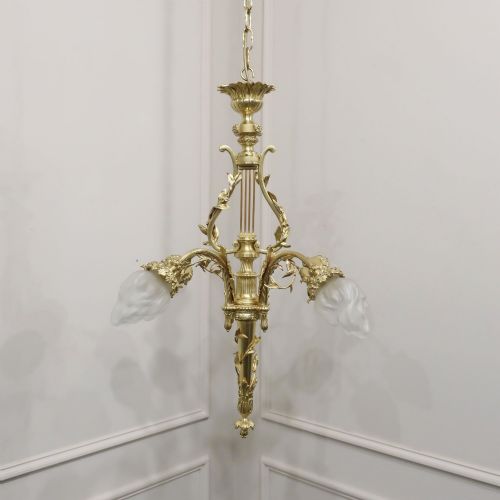
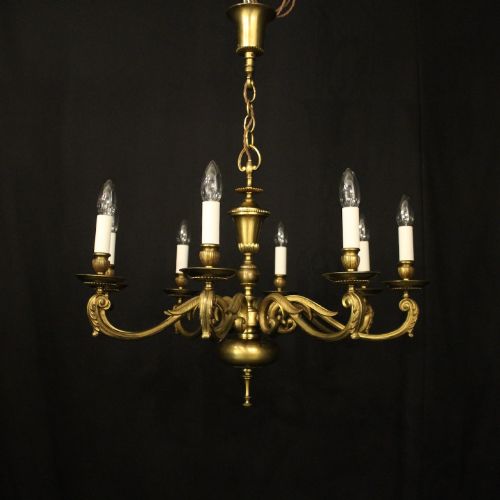
A neoclassical brass chandelier provides structured overhead illumination rooted in classical decorative motifs and architectural proportions. When you search this phrase, you encounter multi-armed ceiling fixtures and hanging lanterns designed to anchor grand rooms.
The selections span the nineteenth century through the mid-twentieth century, with French and English interpretations appearing frequently. Forms range from simple multi-armed branch lights to elaborate tent and basket configurations hung with glass.
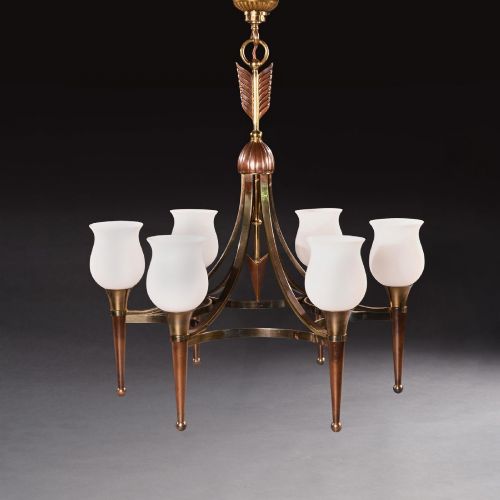
Makers and designers also adapted classical vocabulary into modernist contexts by the middle of the twentieth century. These later pieces sit alongside nineteenth-century works influenced by the Empire style and the Palace of Versailles.
Markers of Quality
The refinement of the casting work separates standard production from superior pieces. Crisp detailing in foliate mounts, lyres, and figural elements indicates skilled workshop execution.
The choice of finish and the integration of glass components dictate the overall presence of the fixture. Heavy gauge metalwork and harmonious proportions across multiple tiers distinguish the finest examples.
Neoclassical Brass Chandelier Retail Price Guide 2026
Typical asking prices for neoclassical brass chandelier among the pieces listed under this phrase on Sellingantiques today, from the lower quarter to the upper quarter. They describe what is for sale here now, not the wider market.
Listings span periods from the nineteenth century through the 1950s, recording materials including gilt bronze, ormolu, glass, and plain brass.
Maison Jansen·Andre Arbus
The Neoclassical Brass Chandelier Glossary
- Ormolu
- Gilded bronze produced by applying a mercury-gilding amalgam to a bronze base. This technique creates a rich, durable surface sheen found on high-end French chandeliers.
- Tent and basket
- A chandelier configuration featuring an upper canopy of strings of glass beads shaped like a tent, dropping into a lower basket enclosing the lights. Cut crystal elements are often integrated into this design.
- Lyre
- A symmetrical musical instrument shape utilised as a central decorative motif in neoclassical frames. It appears frequently in openwork brass and bronze backplates.
- Convex lantern
- A hanging light fixture featuring curved glass panels that distort and diffuse the internal illumination. These enclose single or multiple burner arrangements within metal frames.
Neoclassical Brass Chandelier: Frequently Asked Questions
What rooms suit a neoclassical brass chandelier?
These chandeliers suit dining rooms, hallways, and high-ceilinged reception spaces where vertical drop and balanced illumination matter. Their classical proportions anchor formal interiors effectively.
Smaller lantern variations fit well in entrance passages or stairwells where multi-armed fixtures would overwhelm the floor plan.
How do French and English styles differ?
French examples often lean towards Empire or ornate gilt bronze ornamentation, incorporating figurative elements like cherubs or specific motifs such as lyres. They tend to emphasise rich surface gilding and complex casting.
English interpretations generally present a more restrained brass construction, focusing on clean lines and balanced arm distribution while retaining classical symmetry.
How do I distinguish nineteenth-century pieces?
Nineteenth-century pieces display heavier cast bronze and ormolu construction with hand-chased surface details. The patination on the metal reflects prolonged oxidation consistent with age.
Twentieth-century reproductions or later stylistic adaptations often utilise lighter gauge brass and machine finishing rather than traditional foundry methods.
How do hanging lanterns differ from standard chandeliers?
Hanging lanterns enclose the light source within glazed panels, typically forming hexagonal or convex glass structures. They project a contained, directional glow suitable for transitional spaces.
Standard chandeliers utilise exposed arms radiating from a central axis, spreading light openly across a room from multiple bulbs or candles.