
Louis XV Provincial Chest
A louis xv provincial chest brings rustic charm and flowing curves to a room, offering practical storage with distinct regional character.
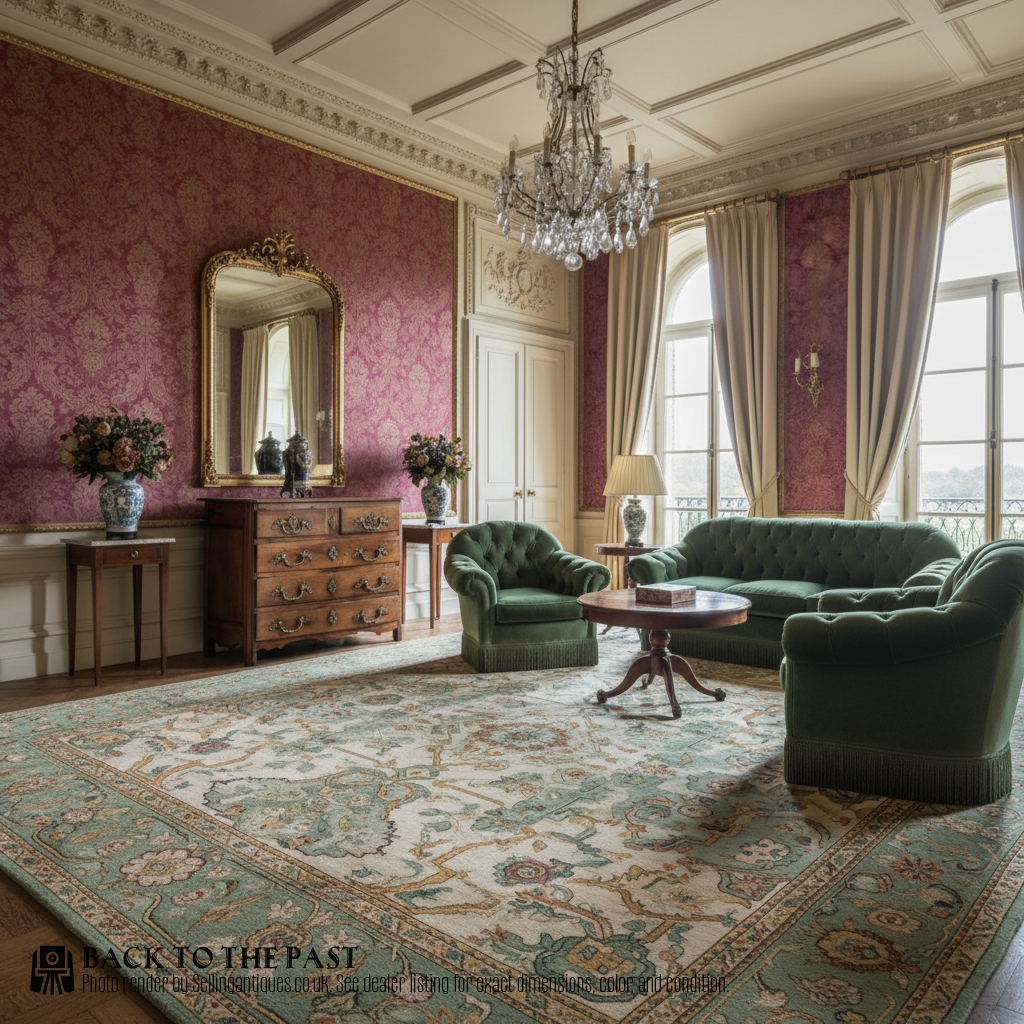
Louis XV Provincial Chest
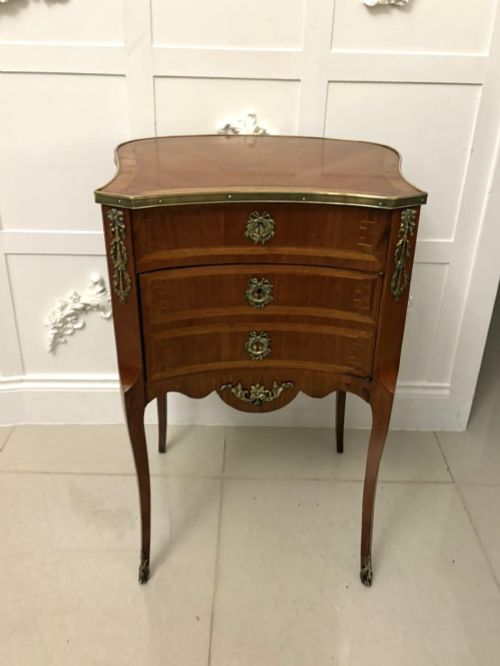
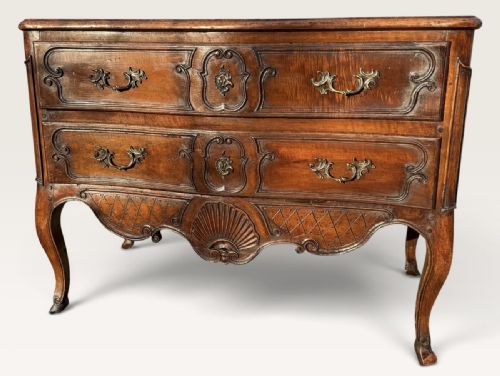
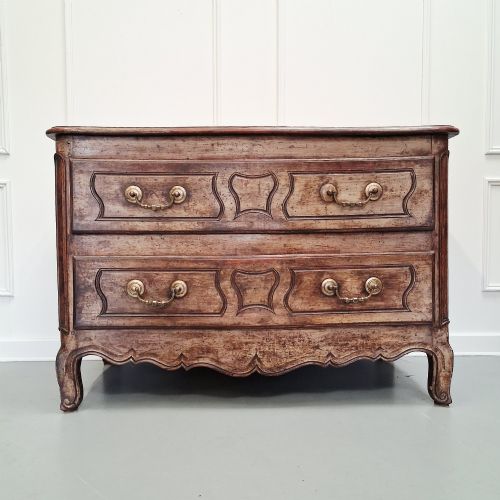
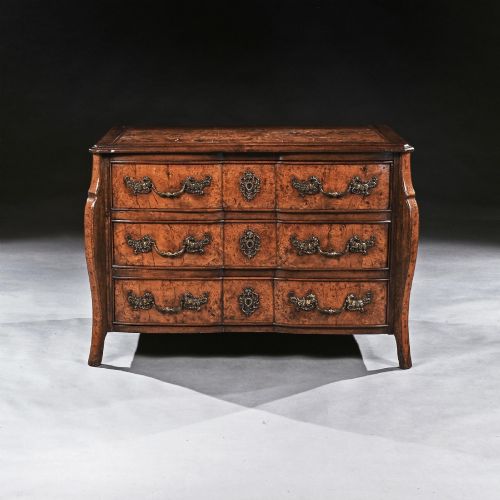
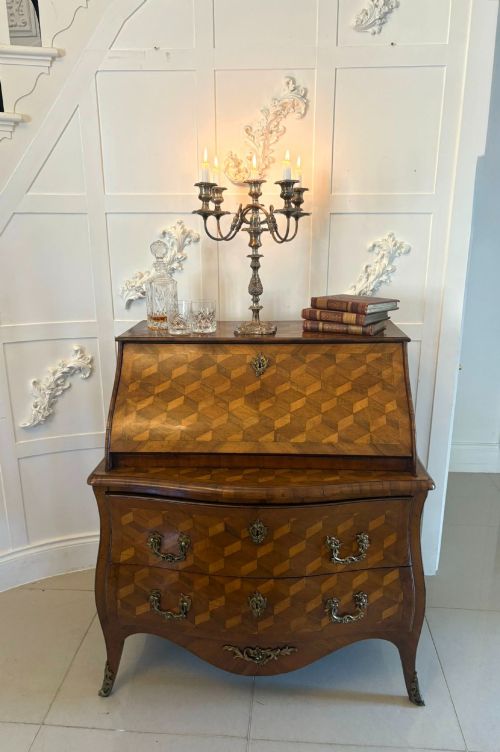
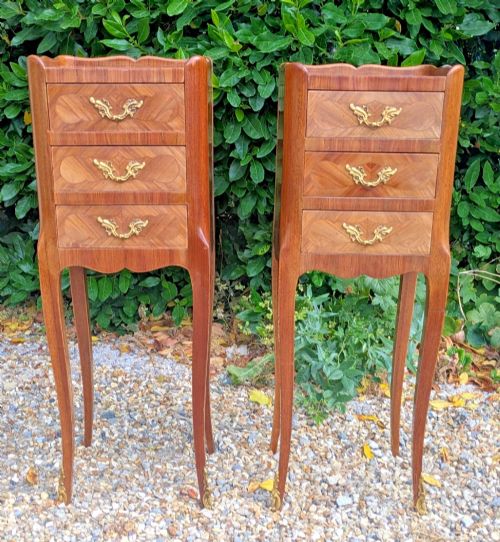
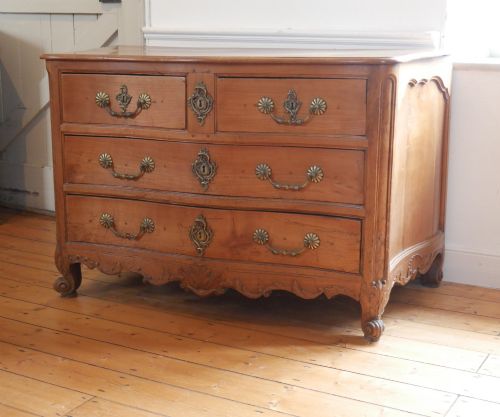
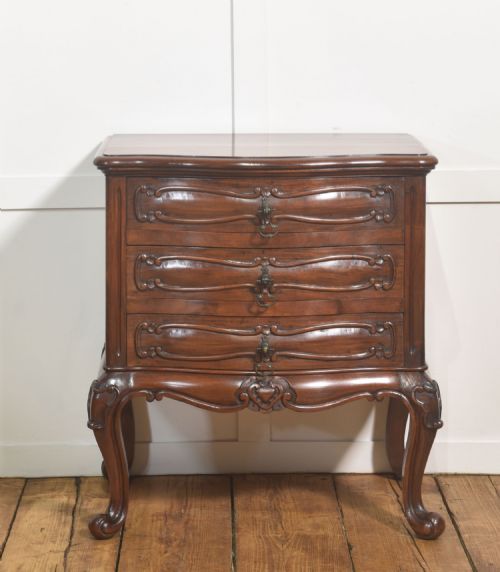
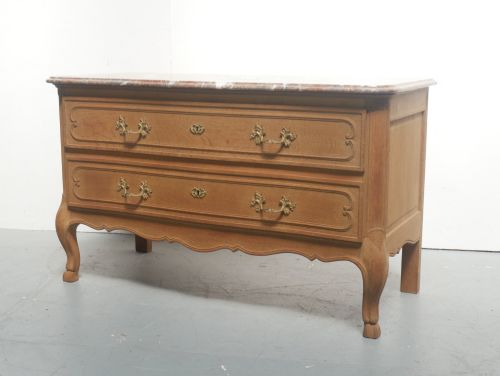
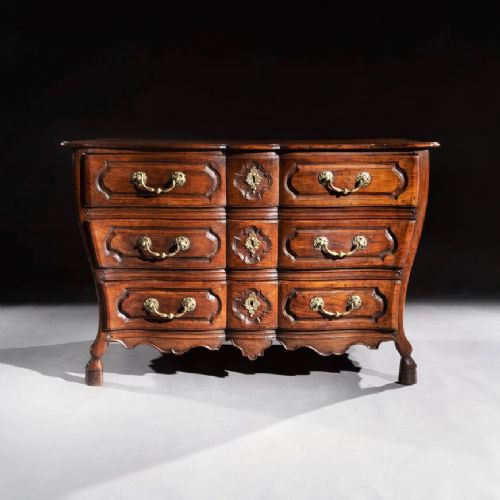
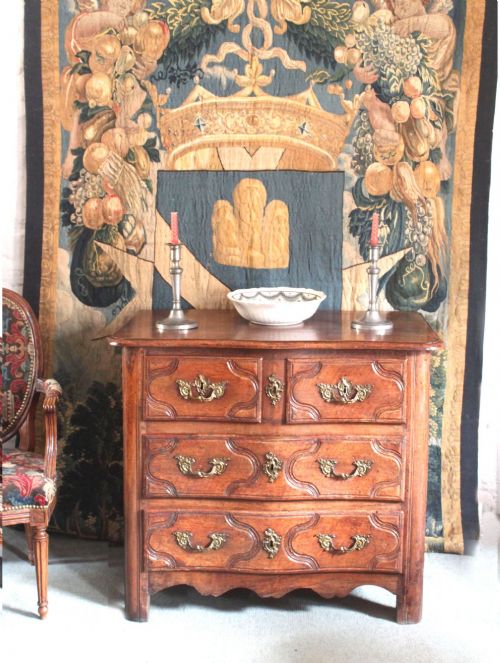
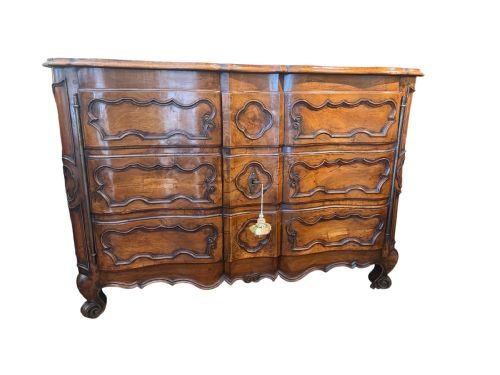
When you search for a louis xv provincial chest, you find pieces designed with the characteristic serpentine lines and subtle asymmetry of the period, made outside the capital by regional craftsmen. These items include commodes, bedside cabinets, and bureaus spanning from the eighteenth century into later revival periods.
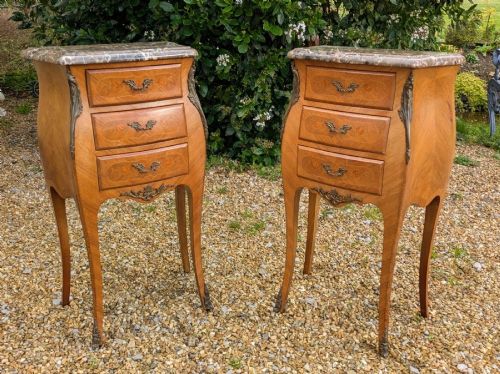
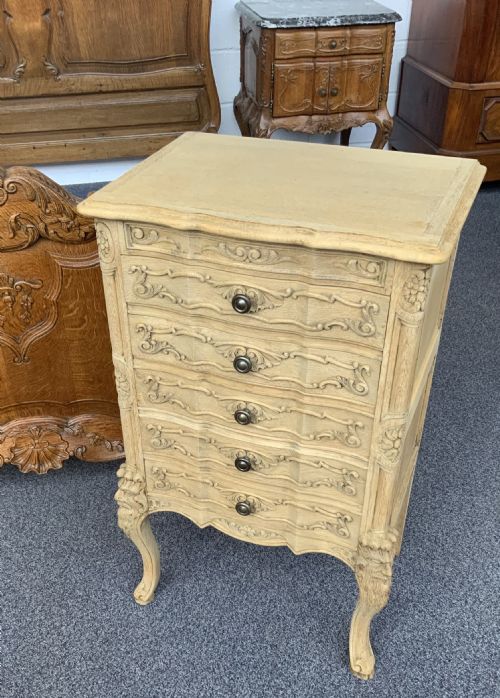
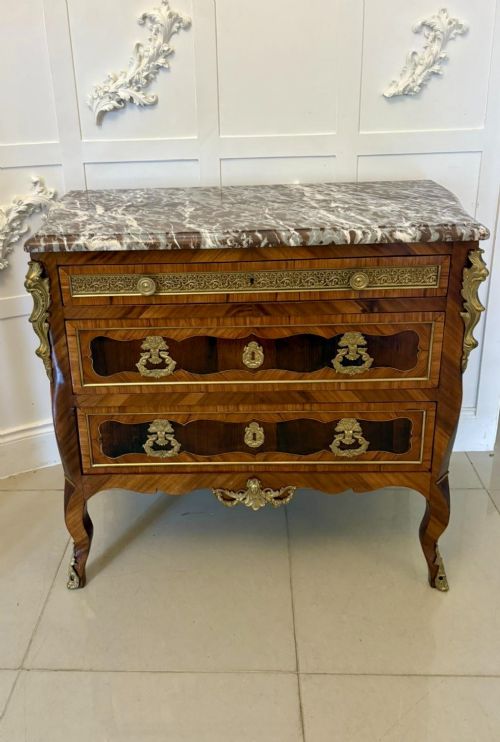
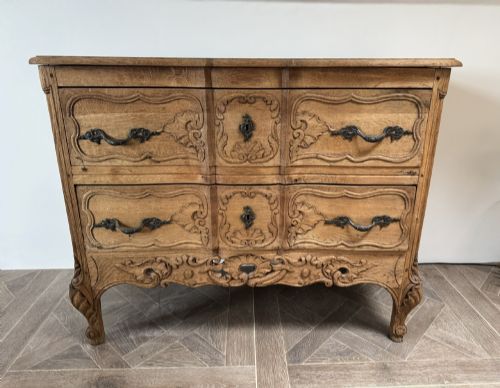
You are most likely to encounter eighteenth-century walnut examples alongside later oak, cherrywood, and painted pieces from the nineteenth and early twentieth centuries. The forms range from serpentine commodes with marble tops to neat bedside tables and side cabinets reflecting French provincial taste.
Materials and construction
Cabinetmakers utilised regional timbers such as walnut, oak, chestnut, and cherrywood, often shaping them into bombe or serpentine profiles through careful carving and joinery. Marquetry and parquetry veneers in woods like kingwood and satinwood appear on finer revival pieces alongside solid construction.
Brass handles, escutcheons, and ormolu mounts punctuate the timber surfaces, while marble tops provide durable working or display surfaces on many commodes and bedside cabinets.
Distinctions in quality
The degree of refinement in the carved cabriole legs and the fluidity of the serpentine or bombe shaping separate standard regional items from exceptional examples. Timber selection and the intricacy of inlay, such as detailed marquetry patterns, indicate the level of craftsmanship invested in a piece.
Proportion and scale dictate the visual success of the furniture, where neat dimensions and balanced proportions distinguish finer country workshops from heavier utility items.
The Louis XV Provincial Chest Glossary
- Commode
- A low chest of drawers or cupboard, typically standing on legs, which developed in France during the eighteenth century as a principal form of storage.
- Bombe
- A bulging or swelling shape to the front and sides of a cabinet, requiring advanced woodworking skill to achieve the curved profile.
- Serpentine
- A curved line that undulates inwards and outwards, commonly seen along the front edges and drawer fronts of regional chests.
- Parquetry
- Geometric patterns formed by fitting small pieces of veneer together on a surface, often utilising contrasting timbers.
- Ormolu
- Gilded bronze used for decorative mounts and furniture hardware during the eighteenth and nineteenth centuries.
Louis XV Provincial Chest: Frequently Asked Questions
What is a provincial commode?
A provincial commode is a regional French chest of drawers featuring the curved lines of court furniture executed in local timbers by country craftsmen.
These pieces typically offer deep drawers and display the natural grain of walnut, oak, or chestnut rather than elaborate court lacquering.
How do I style a chest?
Place the chest against a plain wall to allow the serpentine or bombe contours to catch the light and define the space.
Keep the top uncluttered with perhaps a simple mirror or lamp to maintain the focus on the timber grain and brass hardware.
Are marble tops original?
Marble tops appear frequently on both eighteenth-century commodes and later revival pieces to provide a robust and cooling surface.
Many period examples retain their original shaped marble slabs, though replacement tops occur in the history of these heavily used functional items.
How do I spot a revival piece?
Revival pieces dating from the nineteenth and twentieth centuries often employ machine-cut dovetails and standardised hardware alongside distinct revival styles.
Examining the interior construction timbers and backboards helps distinguish eighteenth-century workshop production from later interpretations.