
Louis XV Glazed Vitrine
A louis xv glazed vitrine brings the fluid curves and light-filled display of the Rococo revival straight into a modern room.
Louis XV Glazed Vitrine
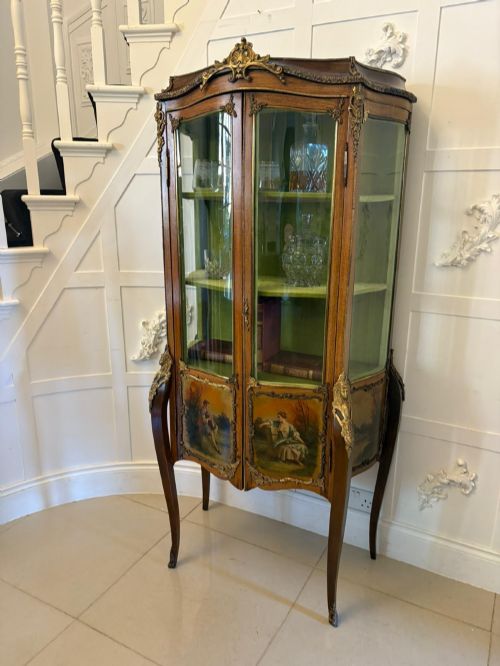
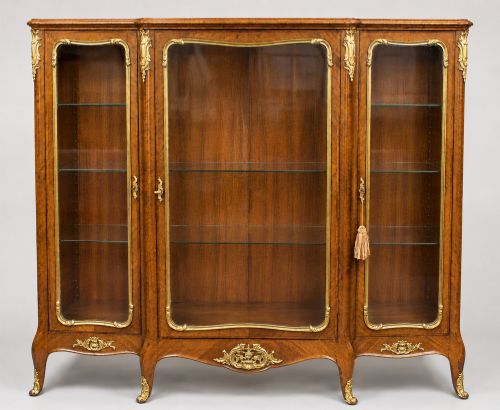
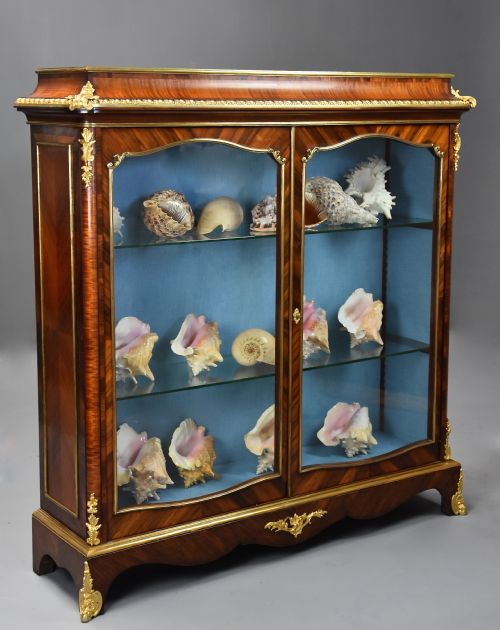
A louis xv glazed vitrine is primarily a display piece designed to showcase porcelain, books, or small treasures behind glass panels. The examples encountered on this page stem mostly from the nineteenth century, including Victorian and Edwardian interpretations, alongside later pieces from around nineteen hundred to nineteen thirty.
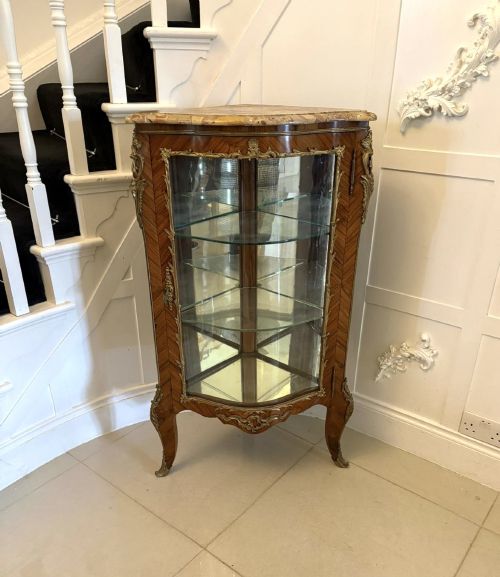
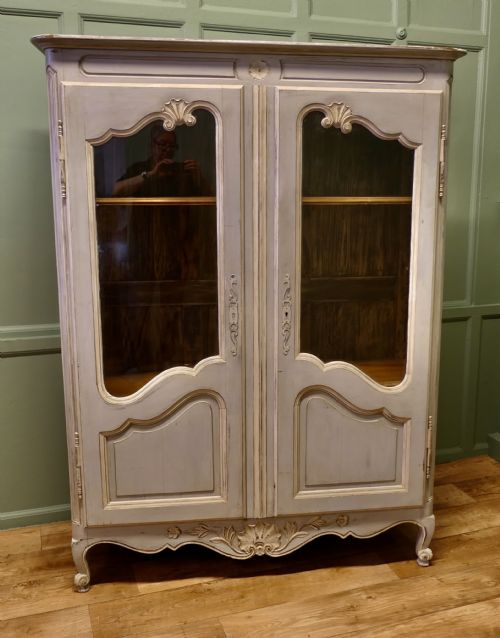
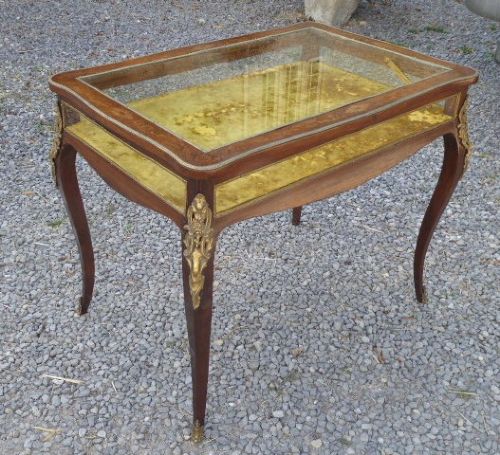
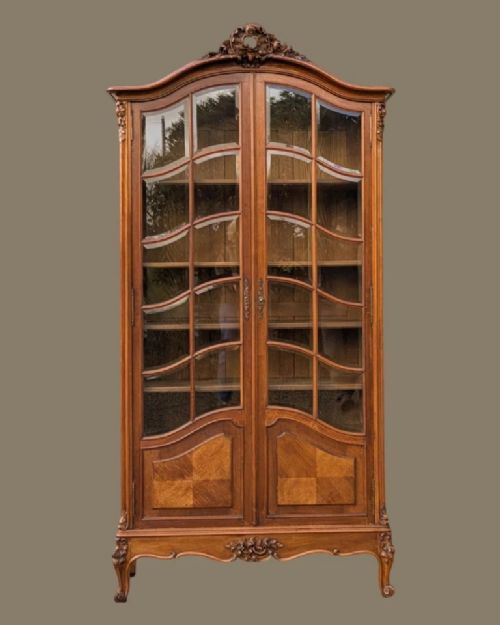
Forms range from serpentine corner display cabinets and wall-hanging vitreens to large double-door bookcases and table-top sedans. The prevailing aesthetics draw heavily upon French Rococo revival and Louis XV style, characterised by sweeping lines and glazed sides that maximise the play of light.
Materials and Construction
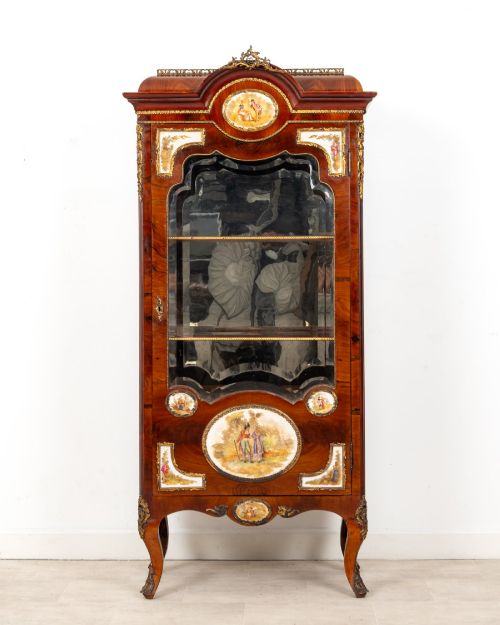
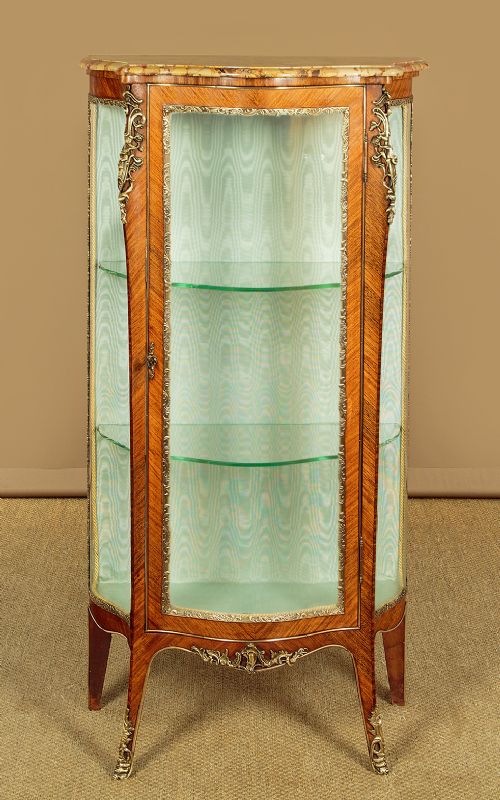
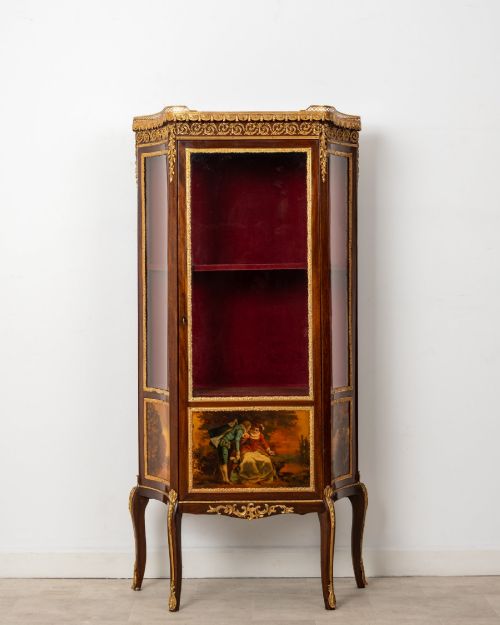
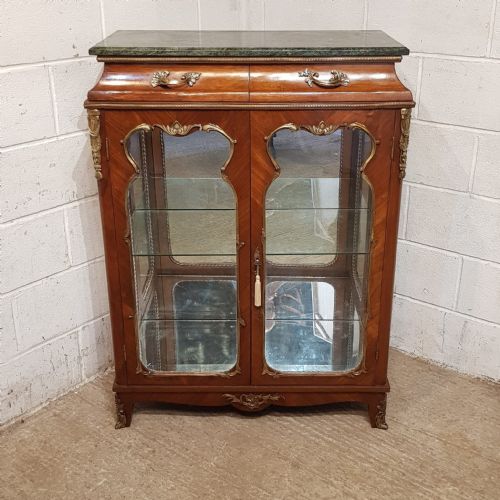
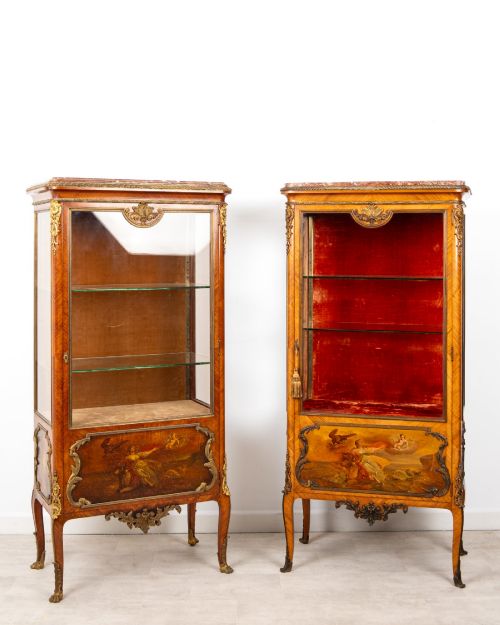
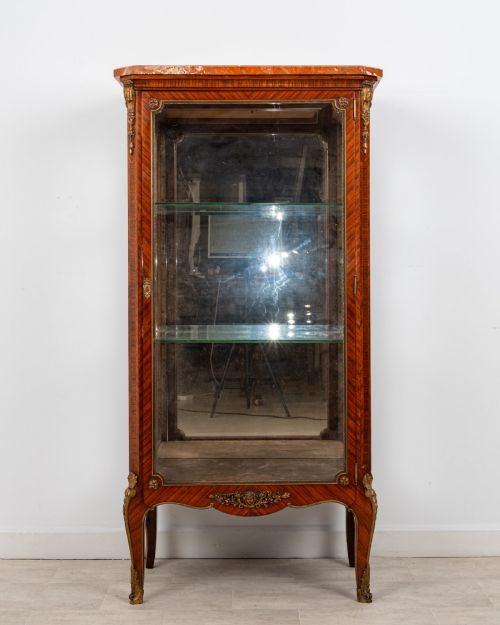
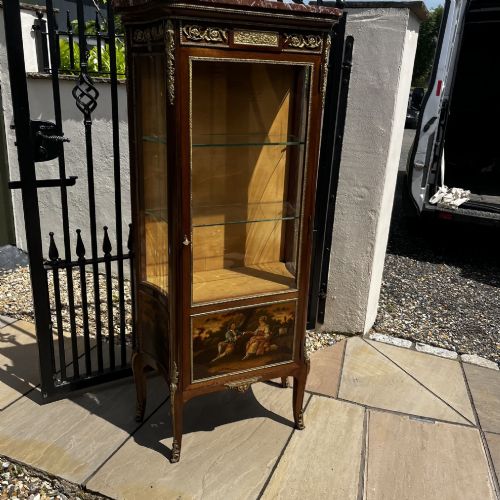
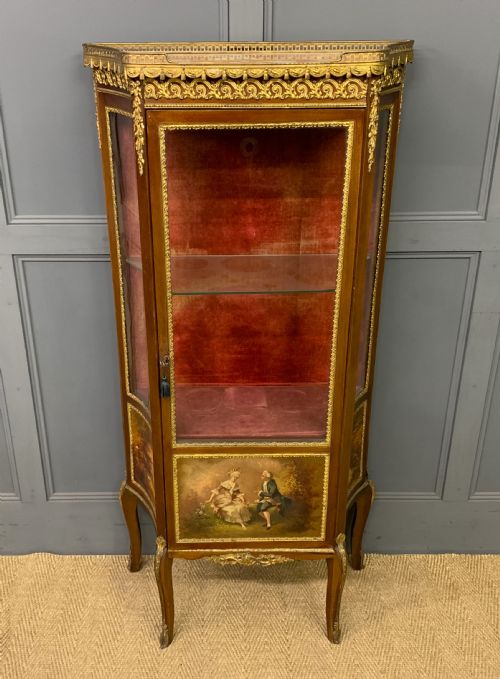
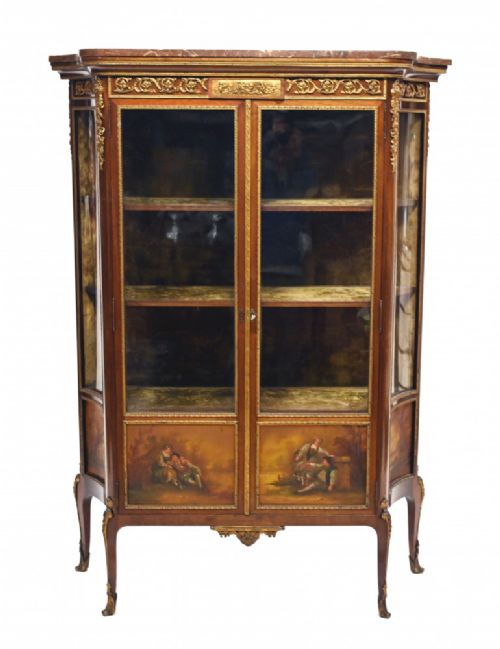
Cabinetmakers utilised dense hardwoods like kingwood, mahogany, walnut, and occasional oak as the structural carcase, frequently applying intricate marquetry, parquetry, or Vernis Martin painted panels to the surfaces. Marble tops provide a robust and cooling contrast to the timber frames.
Gilt bronze and ormolu mounts punctuate the exterior, tracing the serpentine outlines and accentuating corners with cast foliate scrolls. Glass panels are fitted into doors and sides, sometimes curved or concave, requiring precise carpentry to maintain the fluid silhouettes demanded by the style.
Table-top sedan vitrines let miniature treasures travel in stationary luxury.
Assessing the Pieces
Quality rests in the crispness of the ormolu mounts and the depth of the cabinetwork. Finer examples show hand-chased bronze details bolted securely rather than glued, and timber veneers selected for striking grain patterns matched symmetrically across the doors.
The integration of the glazed panels and the finesse of any painted Vernis Martin scenes further distinguish standard production from exceptional workshop output. Attention to internal details, such as fabric linings in velvet and adjustable shelving, marks the difference in execution.
François Linke·G. Durand·Paul Sormani
The Louis XV Glazed Vitrine Glossary
- Ormolu
- Gilded bronze mounts applied to furniture for decoration. This technique adds metallic highlights that catch the light against dark wood.
- Vernis Martin
- A type of simulated Japanese lacquer developed in France. Artisans applied successive coats of varnish to create polished painted panels.
- Serpentine
- A shape involving a wavy line of alternate convex and concave curves. It defines the undulating fronts and sides of advanced cabinet designs.
- Bijouterie
- A specialised display table or cabinet with a glazed compartment. It was historically used to exhibit small jewels, watches, and trinkets.
Louis XV Glazed Vitrine: Frequently Asked Questions
What fits inside a louis xv glazed vitrine?
These cabinets suit porcelain figures, glassware, and small collectibles that benefit from all-around visibility through glass sides. The interior shelves hold delicate items safely away from dust.
Larger double-door variants accommodate books or larger decorative objects, while table-top models serve smaller collections of bijouterie.
How do I place a corner cabinet?
Serpentine corner display cabinets use otherwise idle room junctions to showcase collections without blocking floor space. Their angled backs sit flush against meeting walls.
They work effectively in reception rooms where light from windows can strike the glass panels and illuminate the contents.
How do I care for marble tops?
Marble surfaces require simple wiping with a damp cloth and mild soap to remove dust and prevent staining. Avoid acidic liquids like citrus juice or vinegar near the stone.
Routine dusting keeps the polished finish intact without needing harsh chemical polishes.
How do I identify a revival piece?
Nineteenth-century revival pieces borrow the asymmetrical curves and ormolu mounts of eighteenth-century French furniture. Construction methods and secondary timbers inside the carcase generally reveal the later nineteenth-century date.
Stylistic markers include Rococo motifs combined with Victorian timber choices like mahogany and walnut.