

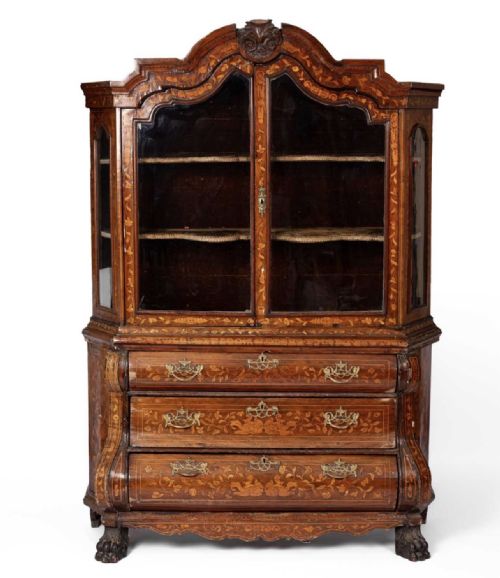
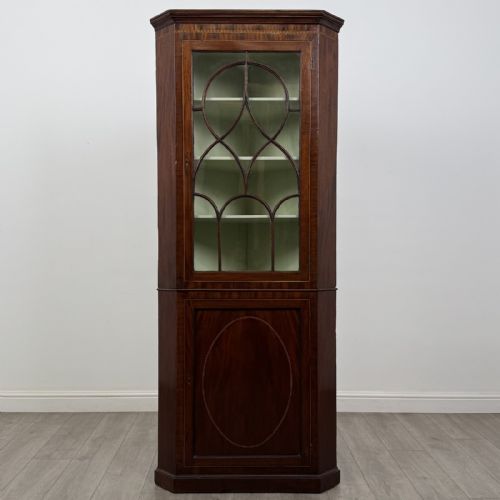
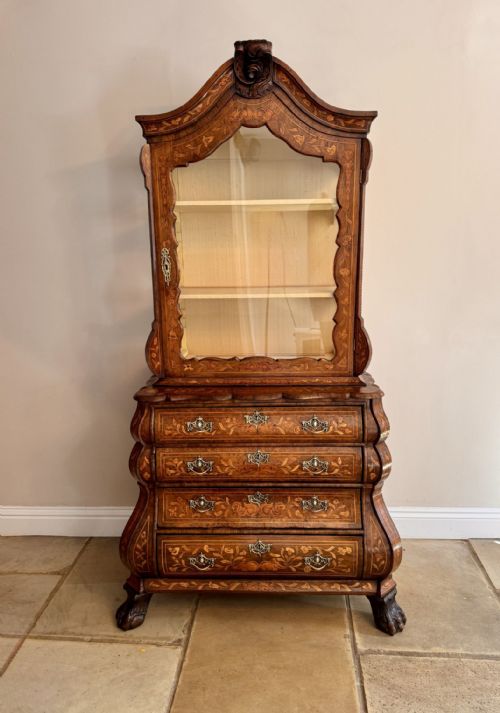
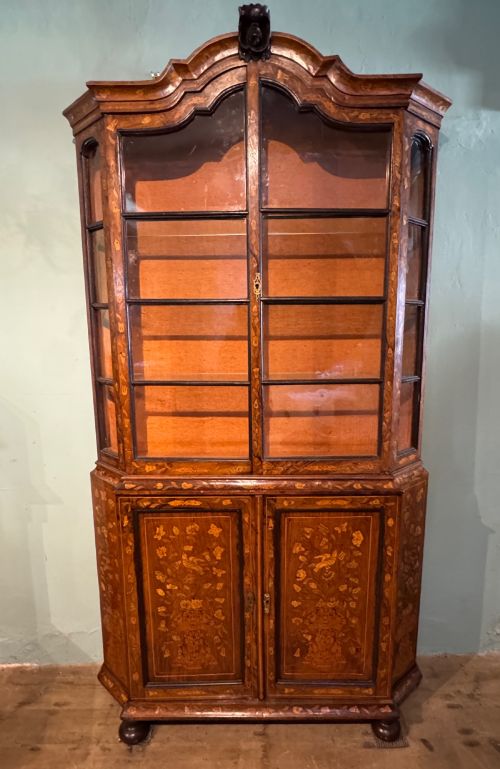




18th Century Glazed Vitrine
An 18th century glazed vitrine is a refined display piece designed to protect and showcase precious objects, bringing historical elegance into a modern room.
18th Century Glazed Vitrine
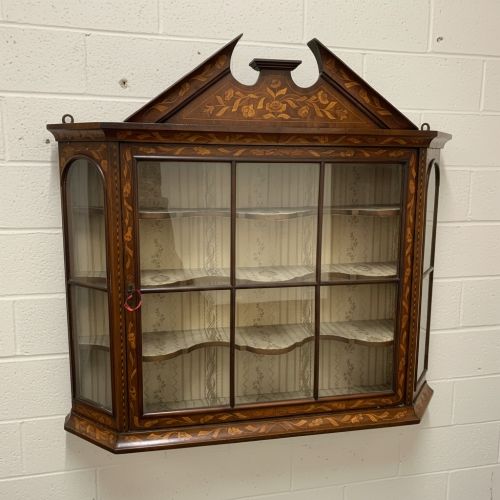
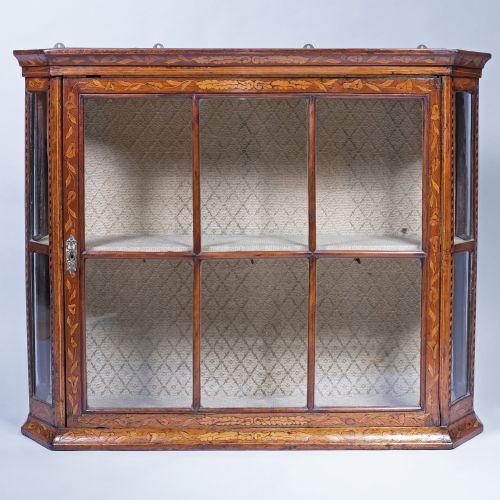
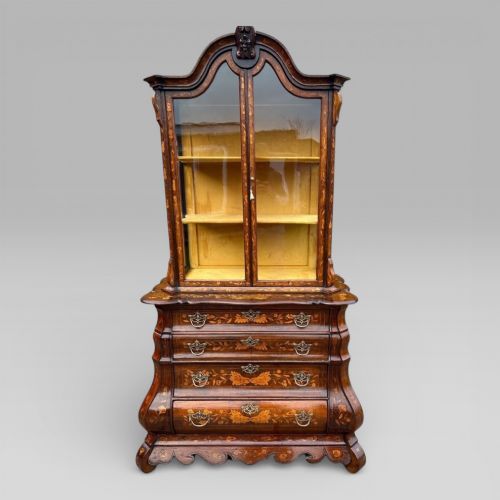
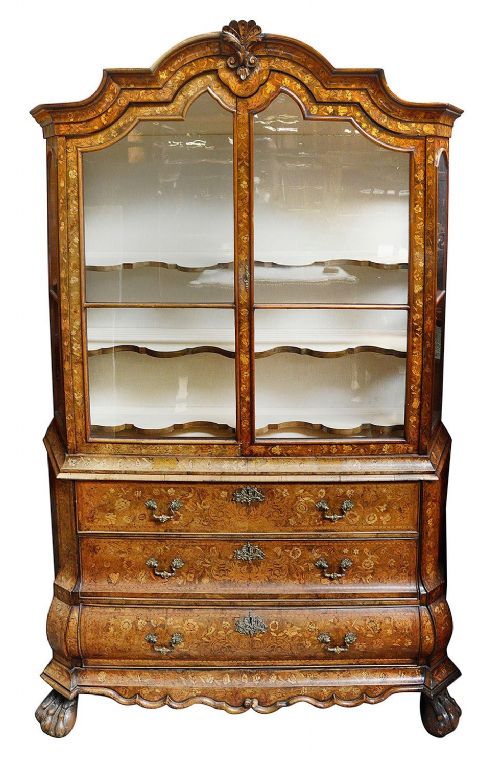
An 18th century glazed vitrine encompasses various forms designed to display valued possessions, most frequently appearing on this page as Dutch marquetry display cabinets, corner cabinets, and wall-mounted cupboards.
The selections span distinct regional traditions and periods, ranging from Georgian mahogany corner cabinets to French provincial oak commodes and cupboards combined with display cases.
Buyers encounter numerous variations in silhouette, including bombe-shaped walnut cabinets and tall display cases resting upon chests or stands.
How They Were Made
Cabinetmakers constructed these pieces primarily using dense timbers such as walnut, oak, mahogany, and fruitwood, often applying intricate floral marquetry inlay across the surfaces.
Glass panels were fitted into wooden frames to form the upper display doors, whilst brass hardware such as hinges and escutcheons secured the doors and drawers.
Certain examples feature painted wood finishes, while interiors occasionally incorporate fabric linings behind the shelving.
18th Century Glazed Vitrine Retail Price Guide 2026
Typical asking prices for 18th century glazed vitrine among the pieces listed under this phrase on Sellingantiques today, from the lower quarter to the upper quarter. They describe what is for sale here now, not the wider market.
Listings feature multiple timber types including walnut, mahogany, oak, and fruitwood alongside painted wood finishes.
What Varies in Quality
The standard of an 18th century glazed vitrine depends heavily on the precision of the cabinetwork and the intricacy of the marquetry inlay across the walnut or fruitwood surfaces.
Proportion and silhouette dictate overall appeal, where swelling bombe contours or sophisticated cornices exhibit superior craftsmanship compared to simpler regional vernacular pieces.
The integrity of the original glass, the weight and detail of the brass mounts, and the preservation of the timber finish further differentiate higher grades of cabinetry.
The 18th Century Glazed Vitrine Glossary
- Vitrine
- A glass-fronted cabinet designed specifically for displaying porcelain, curiosities, or books. These pieces protect delicate objects from dust while offering clear visibility from multiple angles.
- Bombe
- A swelling, outwardly curved furniture shape characteristic of continental European cabinetry. This technique requires considerable skill from the woodworker to shape the timber smoothly.
- Marquetry
- The decorative art of applying small pieces of veneered wood to form intricate pictorial patterns. Craftsmen utilised various woods like walnut and fruitwood to create floral and geometric designs.
- Corner Cabinet
- A specialised storage unit built to fit snugly into the internal angle of a room. These items maximise floor space while providing display shelving in domestic interiors.
- Chippendale
- A style of British furniture design originating in the 18th century, named after the prominent London cabinetmaker. It draws on Gothic, Chinese, and Rococo influences.
18th Century Glazed Vitrine: Frequently Asked Questions
How are 18th century glazed vitrines cleaned?
Dust the timber surfaces gently with a soft, dry cloth without applying modern silicone polishes. Clean the glass panels using a minimal amount of glass cleaner applied to a cloth rather than sprayed directly onto the wood.
Inspect the brass hardware periodically to ensure no verdigris develops. Maintain stable room humidity to protect the antique wood veneers and marquetry.
Where should a vitrine be placed?
Position the cabinet away from direct sunlight and strong heat sources to prevent the timber from drying out or warping. Place it against a stable interior wall where heavy foot traffic will not cause vibrations.
Ensure there is adequate ambient light in the room to appreciate the displayed objects through the glass panels. Corner cabinets work particularly well to utilise unused architectural angles effectively.
How do I identify a Georgian corner cabinet?
Examine the timber species, as genuine Georgian examples commonly utilise dense mahogany or oak. Look for traditional joinery techniques and period-appropriate brass hinges inside the cabinet doors.
Check the glazing bars within the door frame for the slender proportions typical of 18th-century construction. The overall aesthetic should reflect classical architectural proportions rather than later revival styles.
What items belong inside a display cabinet?
Traditional contents include porcelain figurines, antique glassware, small silver items, and miniature portraits. The original purpose was to safeguard delicate cabinet curiosities from household dust.
Arrange objects with consideration for height and scale to maintain visual balance across the shelves. Avoid overcrowding the interior so each piece remains clearly visible through the glass.