





Louis XV Carved Sideboard
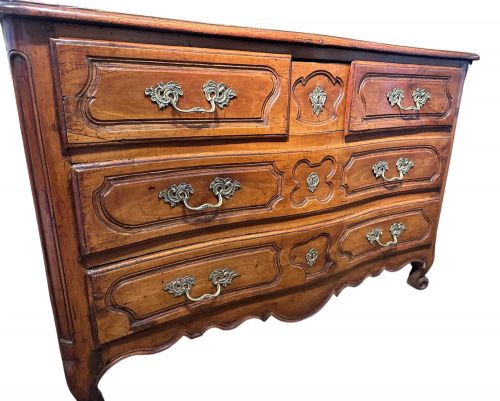
A louis xv carved sideboard brings fluid rococo curves and rich timber grain into a room, offering practical storage beneath decorative lines.
Louis XV Carved Sideboard
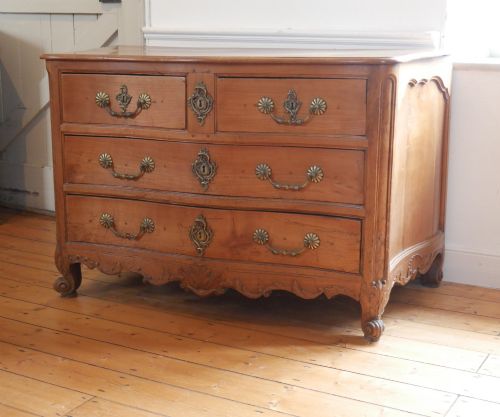
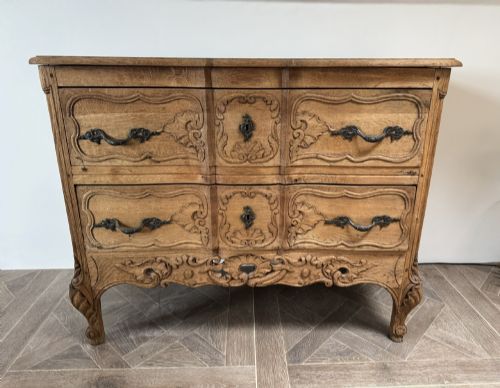
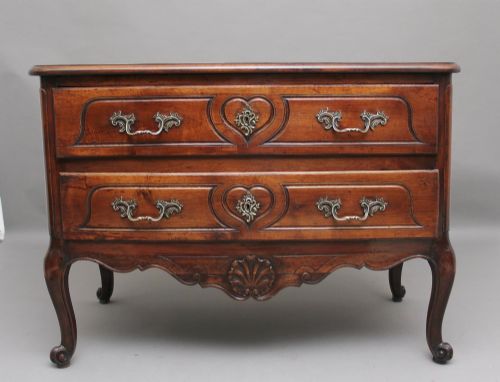
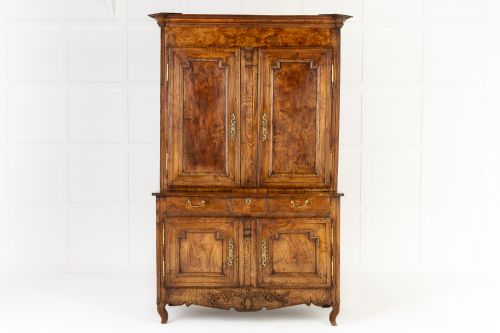
When searching for a louis xv carved sideboard, buyers encounter forms ranging from 18th century walnut buffets and commodes to later revival sideboards, cabinets, and console tables. The pieces on this page span the 18th century through to the 1930s, capturing authentic period craftsmanship alongside later French provincial and chateau interpretations.
The most common versions met here are oak and walnut buffets, commodes, and sideboards displaying characteristic serpentine fronts and panelled construction. These storage pieces originate from French workshops, showing regional variations from provincial cherrywood commodes to grand walnut buffet a deux corps.
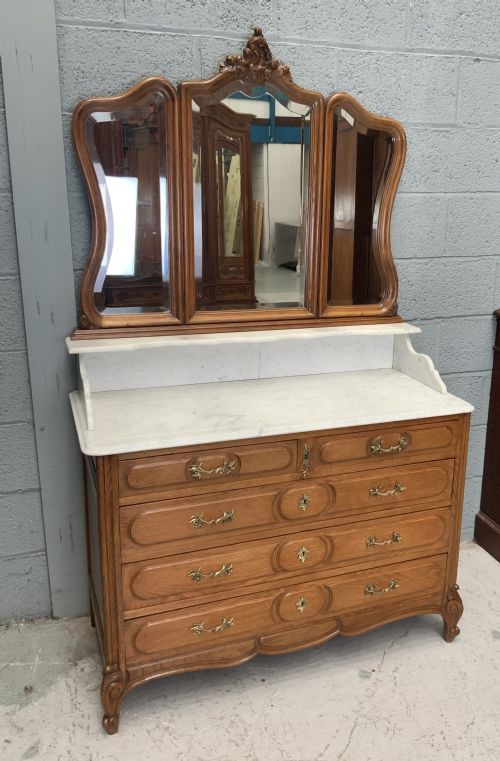
Object types include sideboards and buffets, chests of drawers, cabinets, and credenzas, many topped with marble or featuring marquetry and parquetry. Buyers find both 18th century originals and 19th or 20th century revival pieces that adapt the fluid Louis XV style to diverse domestic interiors.
Materials and technique
Construction relies heavily on native timbers such as walnut, oak, cherrywood, ash, and fruitwood, often shaped into serpentine or bombe contours through skilled joinery. Craftsmen built these carcasses using traditional panelled methods, frequently pairing the warm timber tones with contrasting marquetry, parquetry, or painted finishes.
Surface details include carved floral and scroll motifs executed directly into the solid wood, alongside decorative elements in brass, ormolu, and iron. Many pieces incorporate fitted marble tops in various shades, resting upon heavy timber bases and carved cabriole legs characteristic of the period and its later revivals.
The collection spans four centuries of cabinet making, from 1750s originals to revival pieces dated around 1930.
Judging quality
Quality rests upon the depth and crispness of the hand-carving in the timber, where sharp, fluid lines distinguish superior cabinet work from mechanical or later imitation. The selection of wood also determines standing, with burr walnut, figured elm, and richly grained cherry commanding attention for their natural movement and colour.
Construction integrity separates standard utility items from exhibition grade pieces, visible in the snug fit of dovetailed drawers, the weight of marble tops, and the integration of original brass or ormolu mounts. The harmony of proportions across serpentine fronts and bombe profiles dictates the overall visual success of the piece.
KRIEGER of Paris
The Louis XV Carved Sideboard Glossary
- Commode
- A low chest of drawers or cabinet originating in France, typically featuring a decorative top surface.
- Buffet
- A large sideboard or storage cabinet used for serving food and displaying dining ware, often built in two sections.
- Ormolu
- Gilded bronze mounts and decorative details applied to furniture, adding metallic contrast to the timber surface.
- Serpentine
- A shaped furniture front or top curving outward at the centre and inward at the sides in an undulating line.
- Marquetry
- The art of applying small pieces of veneer to a structure to form decorative patterns and pictorial designs.
Louis XV Carved Sideboard: Frequently Asked Questions
How do I style a french sideboard?
Styling a french sideboard involves balancing its heavy timber presence and ornate carving with simpler objects on top. A large mirror or framed artwork hung above anchors the piece within the room.
To maintain proportion, place ceramic lamps, glass decanters, or bronze objects upon the marble or wooden surface. The natural grain and carved details require minimal clutter to allow the craftsmanship to stand out.
Are these sideboards original 18th century pieces?
The inventory includes authentic 18th century pieces alongside 19th century revival works and early 20th century interpretations. Each listing specifies the exact period and material used in its construction.
18th century examples show period joinery and mature timber patination, while Victorian and 1930s revival pieces adopt the same stylistic vocabulary with their own distinct manufacturing traits.
What is the difference between a buffet and a commode?
A buffet is typically a taller, larger storage cabinet designed for dining rooms to hold tableware and food. A commode functions primarily as a decorative chest of drawers suited for bedrooms or reception rooms.
Both pieces share the signature curved lines and carved ornamentation of the style, but their internal configurations and overall heights differ according to their original domestic purpose.