


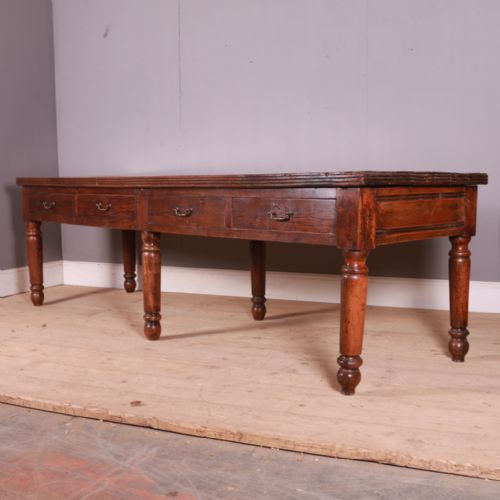
Long Pine Server
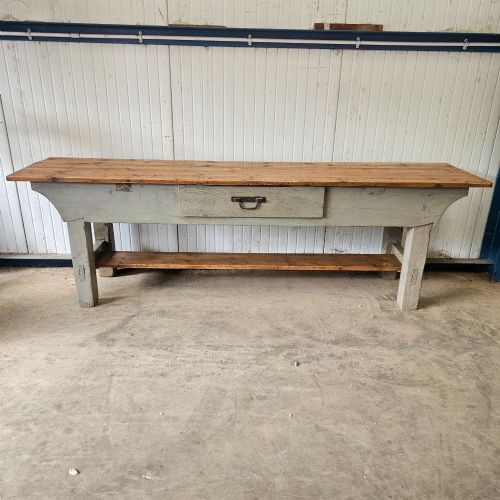
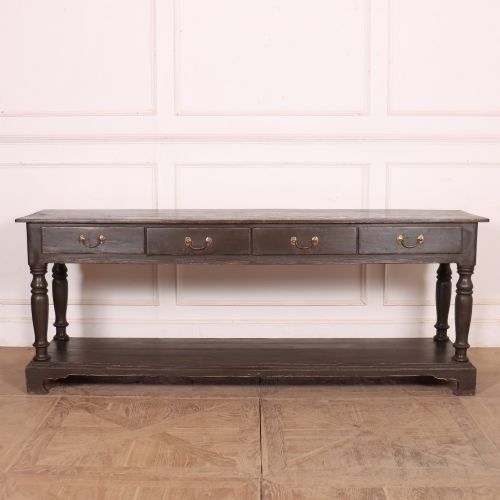
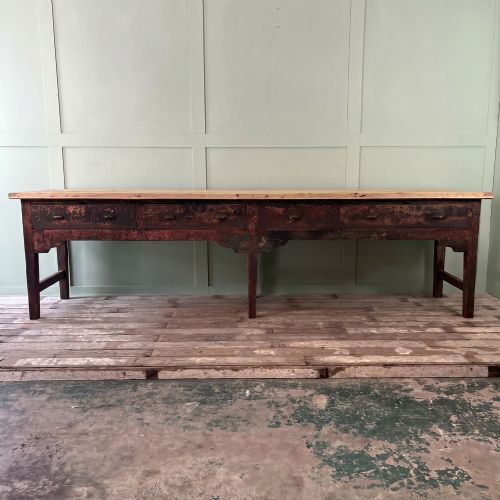
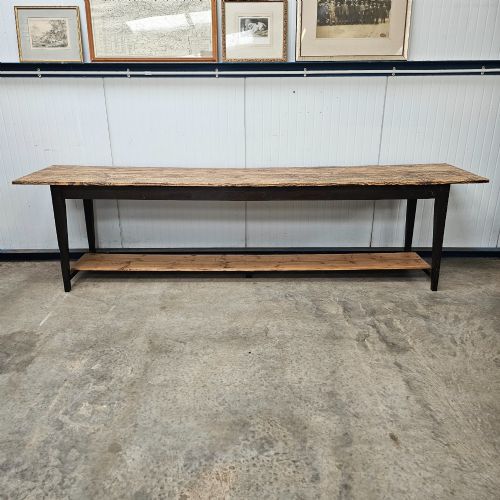
A long pine server provides substantial surface space and honest utility, drawing its character from practical domestic work.
Long Pine Server
A long pine server brings together utilitarian forms designed for food preparation, storage, and service in domestic spaces. When you search for a long pine server, you encounter robust furniture that served working kitchens, dining rooms, and shops across the nineteenth century. These pieces encompass serving tables, dresser bases, console tables, and preparation tables built from timber.
The nineteenth-century examples on this page span English, French, and Scandinavian country traditions, reflecting regional approaches to utility. You will find items ranging from painted timber consoles and harvest tables to large pitch pine cupboards and kitchen preparation tables. Each form prioritises surface area and sturdy construction over ornamentation, suiting contemporary spaces that require functional utility.
Materials and construction methods
Makers built these pieces primarily using solid pine, pitch pine, and occasionally oak for structural strength or contrasting surfaces. Timber selection relied on local availability, resulting in dense grain and durable construction capable of withstanding heavy daily use in kitchens and dining rooms. Secondary woods sometimes appear in drawer linings and internal framing.
Surface finishes include original paint, painted timber, and natural wood showing decades of honest wear. Metal components such as brass or iron appear on hardware like drawer pulls and hinges, fulfilling purely functional roles. Joinery techniques focused on strength, employing pegged joints and solid board construction to ensure stability over generations of service.
Distinguishing quality in construction and surface
Quality in these pieces rests upon the integrity of the original construction and the character of the timber. Better examples retain their original proportions and sturdy joinery without excessive structural intervention. The presence of untouched surface treatments, whether aged paint or natural wood patination, elevates the standing of a piece.
Proportion and scale also dictate distinction, particularly in longer formats where maintaining structural rigidity without sagging requires skilled carpentry. Pieces that balance substantial length with refined legibility in their drawers or lower tiers demonstrate superior workshop execution. The harmony between utilitarian purpose and refined proportion separates standard utility furniture from exceptional examples.
The Long Pine Server Glossary
- Pine
- A softwood commonly utilised for nineteenth-century country furniture due to its availability and workability. It accepts paint well and develops a rich patination over years of use.
- Pitch pine
- A heavier, harder variety of pine containing high resin content, known for its distinct grain pattern and exceptional durability. It frequently appears in large cupboards and heavy-duty tables.
- Dresser base
- A lower storage unit featuring cupboards and drawers beneath a flat top surface, historically used for food preparation and storing tableware. These pieces form a primary category of large serving furniture.
- Preparation table
- A heavy-duty wooden table designed for kitchen tasks such as kneading dough or butchery, characterised by a thick top and sturdy legs. They provide expansive surface areas suited to active workspaces.
- Harvest table
- An elongated dining or work table built to accommodate large groups during seasonal agricultural work. Their exceptional length makes them sought after for modern dining spaces.
Long Pine Server: Frequently Asked Questions
What is a long pine server used for?
These pieces function as large sideboards, serving tables, or prep surfaces in kitchens, dining rooms, and hallways. Their generous length provides ample surface area for displaying objects or serving food.
Historically, they supported domestic chores and food preparation in busy country houses and farmhouses. Today, they adapt readily to modern interiors requiring robust storage and surface space.
How do I identify a nineteenth-century pine server?
Nineteenth-century pieces display construction methods typical of the period, including hand-cut joints, solid timber boards, and traditional fixings. Tool marks and timber shrinkage offer reliable indicators of age.
Examining the interior timber and hardware helps confirm the period. Original paint layers and natural patination also point to nineteenth-century origin.
Are painted finishes original on these tables?
Many pieces retain historic or original painted finishes applied to protect the softwood and suit regional aesthetic traditions. Paint applied over generations often shows distinct wear patterns and crackle.
Distinguishing between early paint layers and later decorative applications requires close inspection of the surface texture and underlying timber oxidation.
How do English and French styles differ?
English country furniture typically prioritizes straightforward utility, featuring robust pine or oak construction with minimal decorative embellishment. These pieces often take the form of dresser bases and serving tables.
French provincial examples, such as drapers tables and console tables, frequently incorporate softer lines, elegant drawer configurations, and painted timber finishes suited to formal country interiors.
How do I care for antique pine furniture?
Antique pine benefits from stable indoor humidity and temperature levels to prevent timber movement or splitting. Regular dusting with a dry cloth protects the surface finish.
Applying appropriate natural waxes helps nourish unpainted wood surfaces over time. Avoid placing these pieces in direct sunlight or near heat sources.