



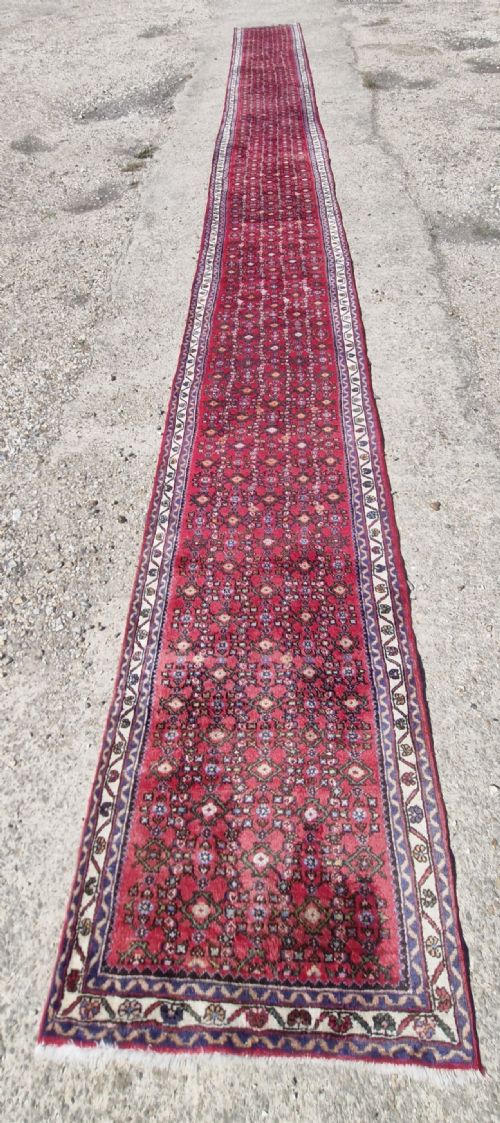
Long Corridor Carpet
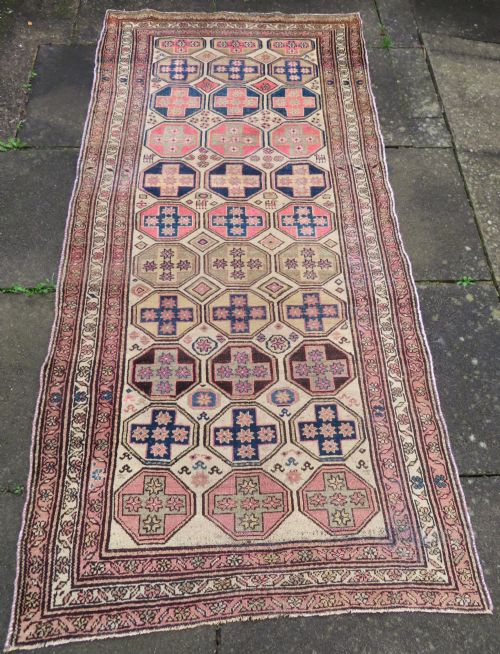
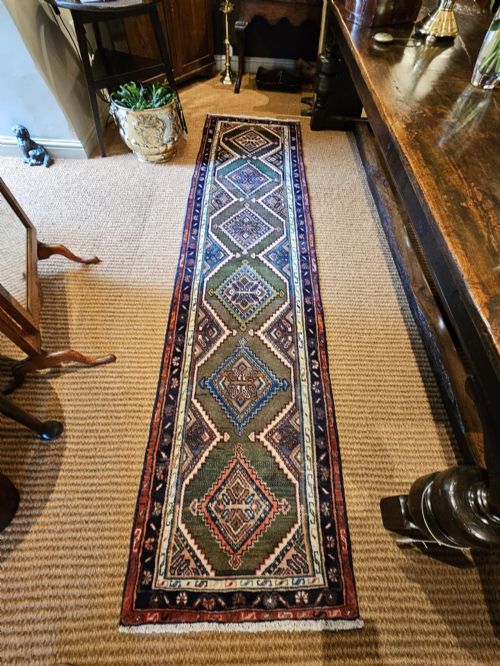
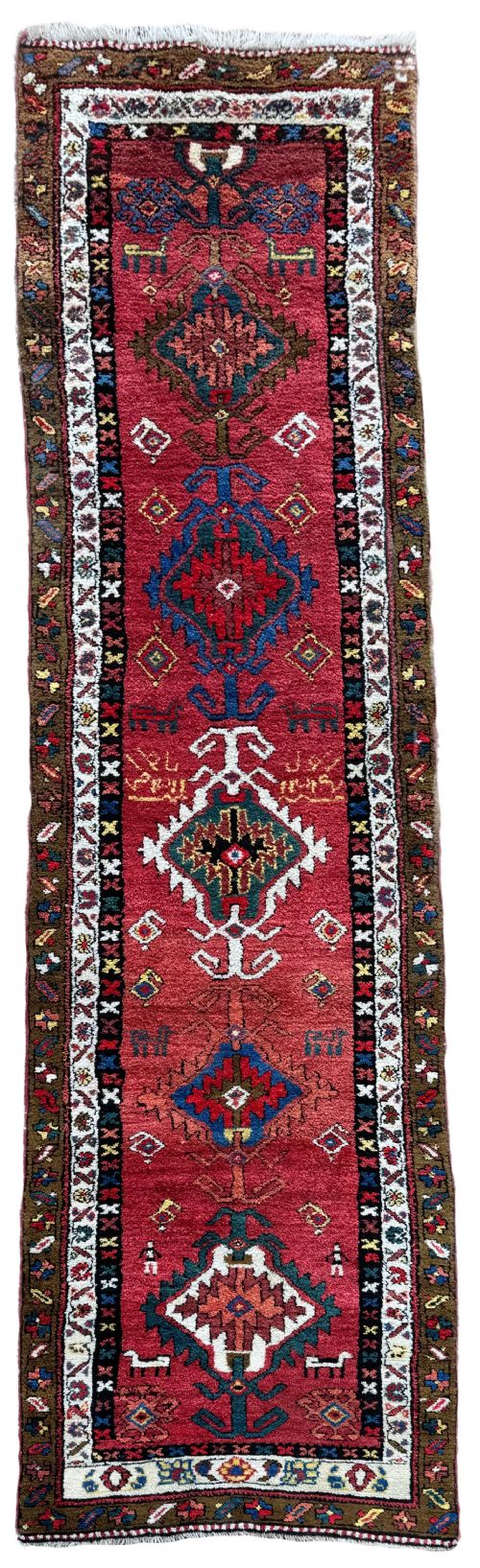
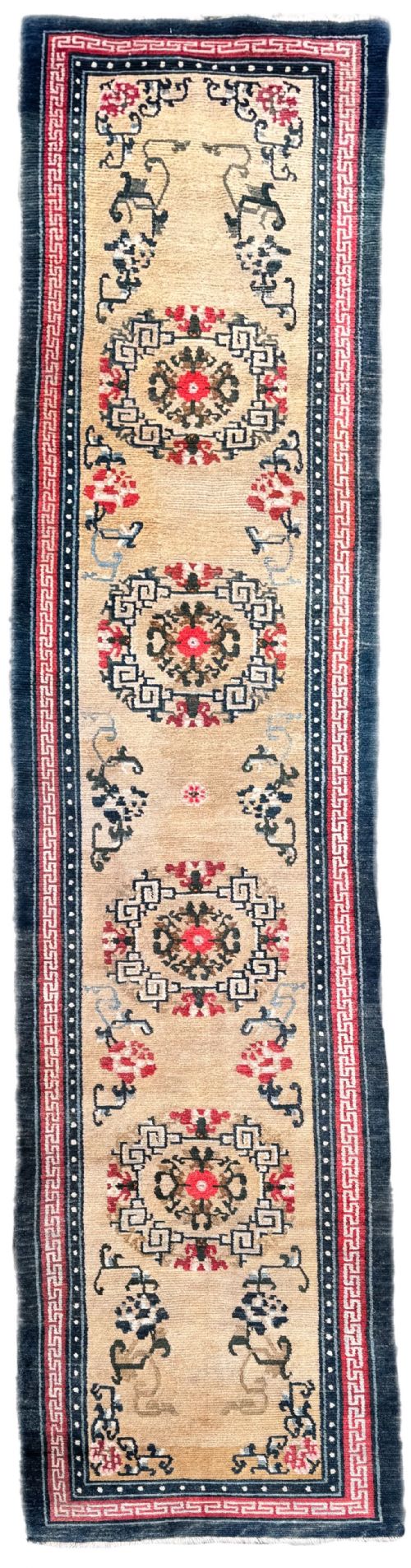
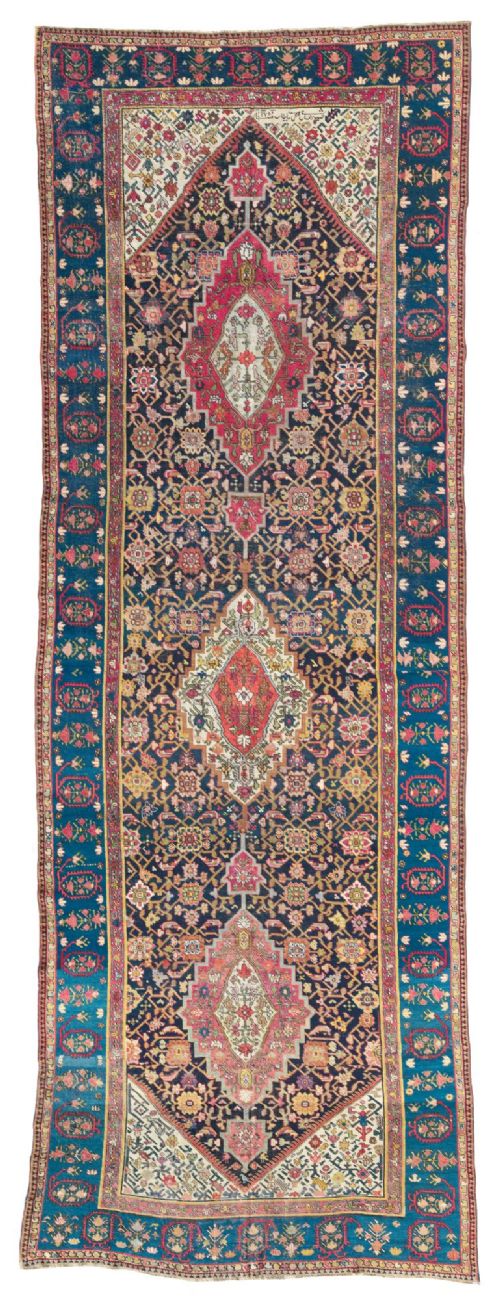
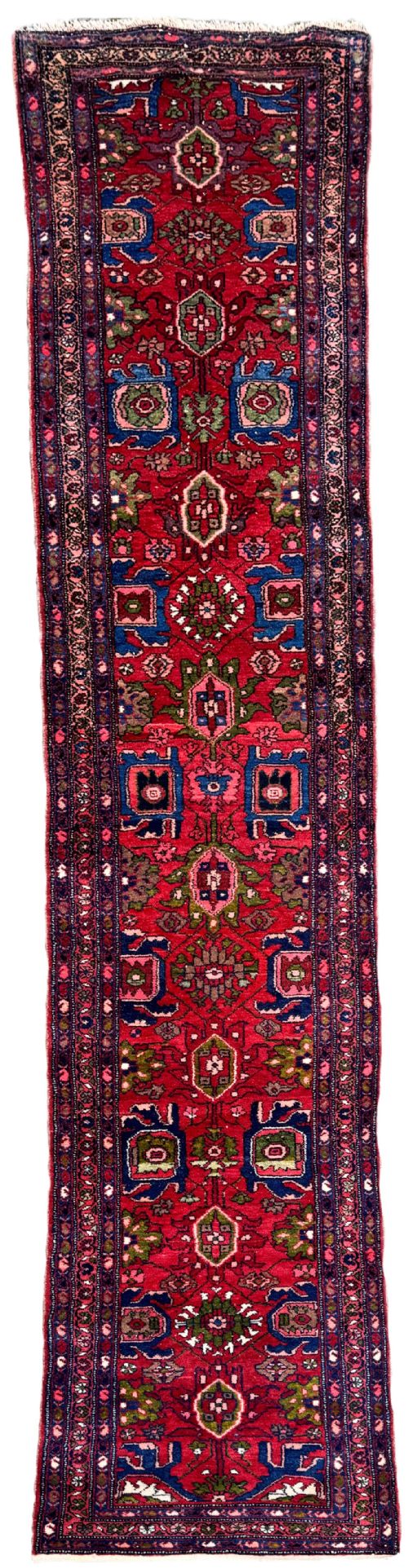
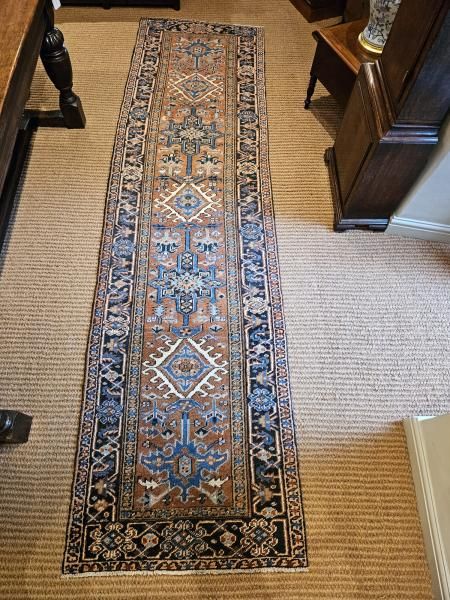
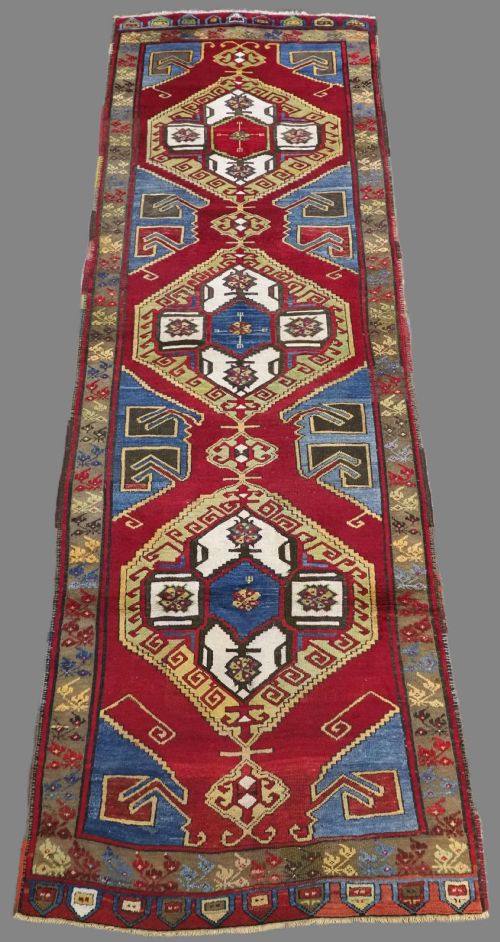
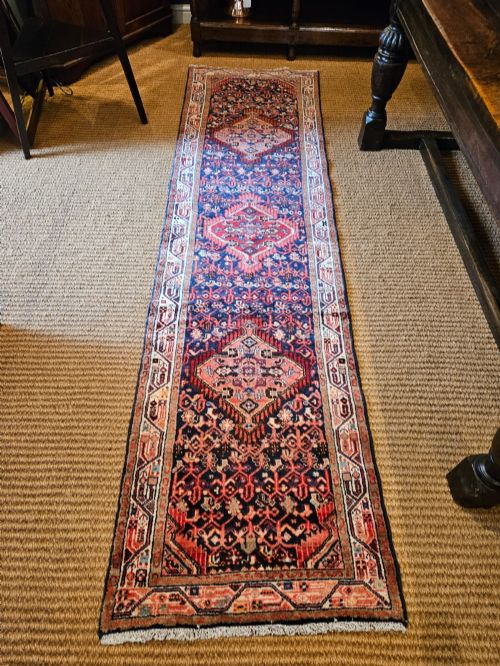
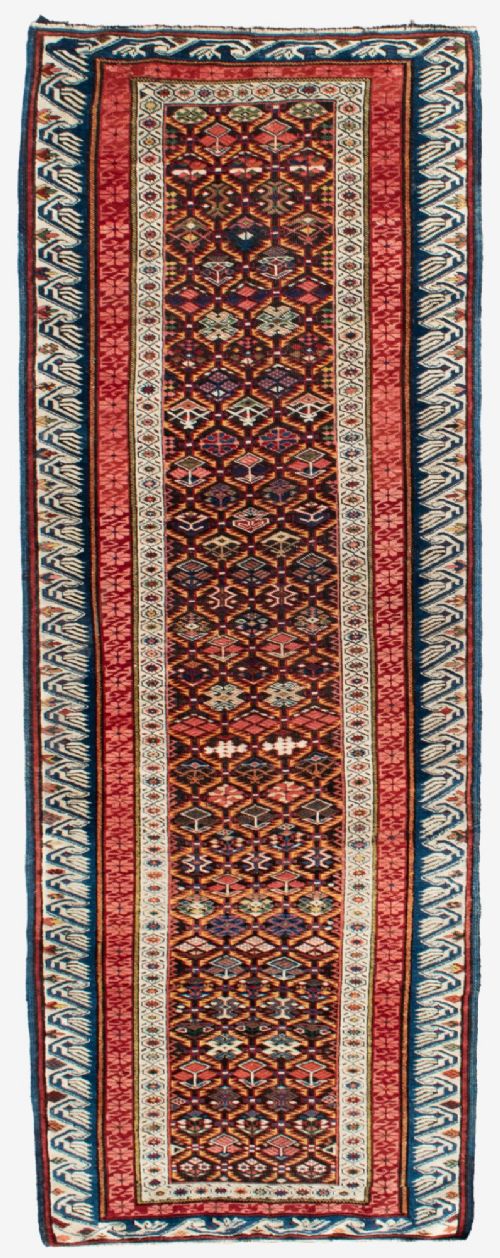
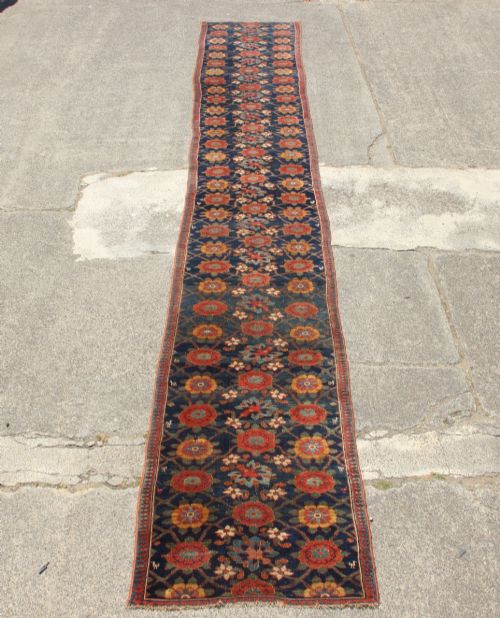
These long corridor carpet examples are substantial wool and cotton floor coverings designed to anchor narrow spaces with deep traditional patterns.
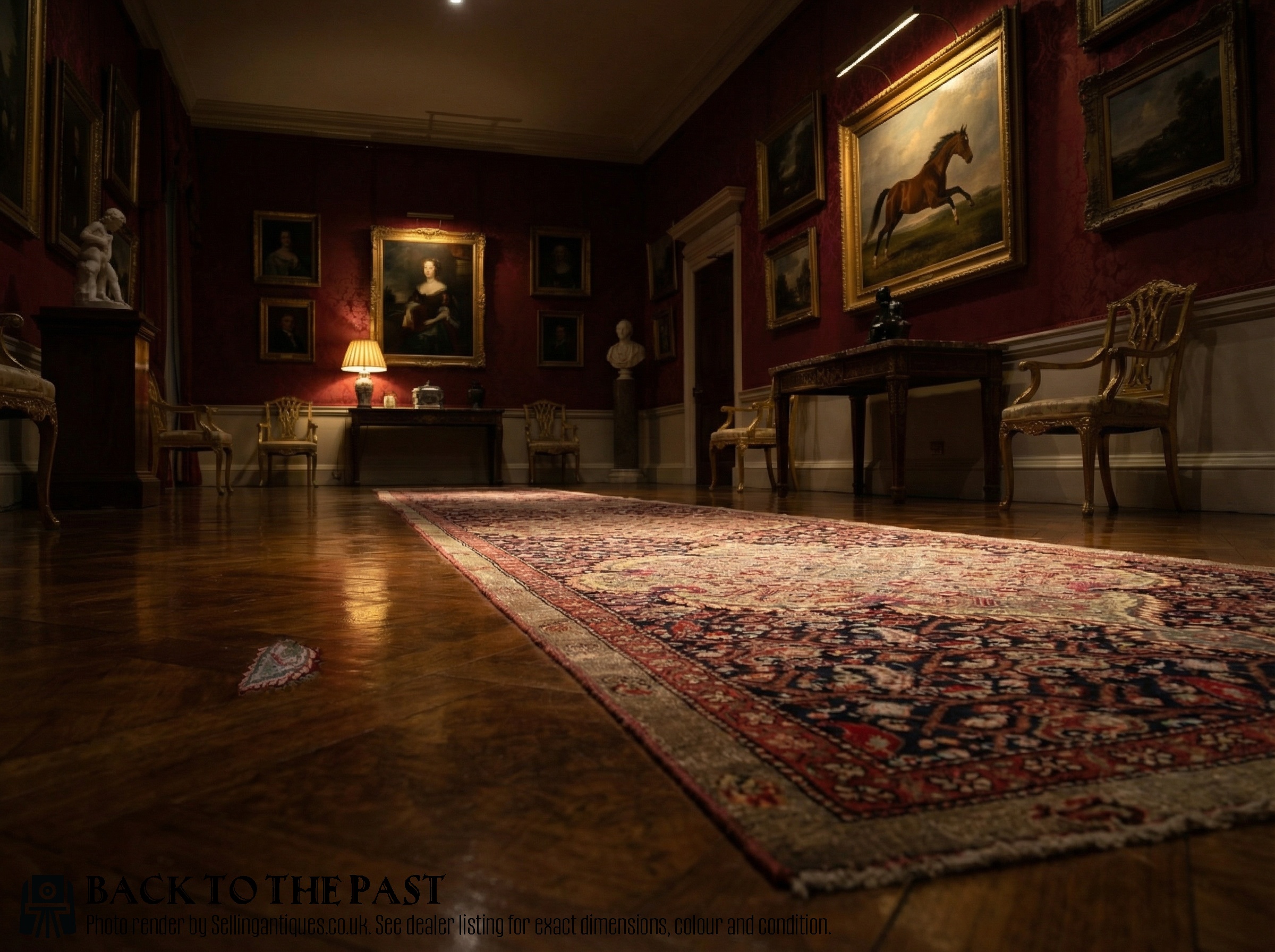
Long Corridor Carpet
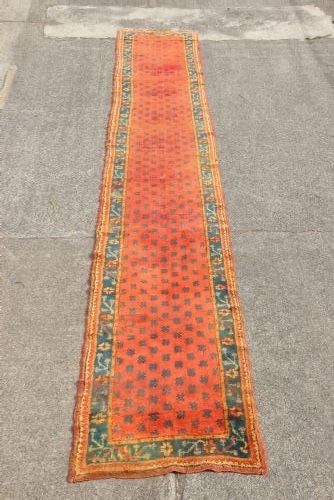
The inventory on this page consists primarily of resilient runner formats and substantial Kurdish or Iranian floor coverings intended for heavy traffic areas. These elongated textiles bring authentic nineteenth-century craftsmanship directly into long architectural spaces.
How They Were Made
Weavers constructed these carpets using durable wool piles knotted onto sturdy cotton foundations to withstand continuous foot traffic in domestic halls. Natural dye traditions provided rich, saturated colour palettes that developed distinct patinas over generations.
Village and tribal workshops employed traditional hand-knotting techniques without mechanical assistance, ensuring individual irregularities in design layout and border execution.
Long Corridor Carpet Retail Price Guide 2026
Typical asking prices for long corridor carpet among the pieces listed under this phrase on Sellingantiques today, from the lower quarter to the upper quarter. They describe what is for sale here now, not the wider market.
Early Kurdish weavers frequently hid small intentional irregularities in their geometric borders to ward off the evil eye.
What Varies in Quality
The hierarchy of quality rests upon knot density, the precision of geometric or medallion drawing, and the depth of the wool pile. Finer urban or established village workshops achieved crisper line work, whereas tribal pieces lean towards expressive, unhurried irregularity.
Material selection and dye saturation further divide standard utility rugs from exceptional collector-grade pieces. Superior examples retain full pile height and vibrant secondary hues that indicate careful initial selection of raw materials.
The Long Corridor Carpet Glossary
- Runner
- A long, narrow carpet format specifically proportioned for corridors, hallways, and staircases. These pieces balance architectural length with manageable widths.
- Kelleh
- A large rectangular carpet format traditionally positioned alongside standard room-size rugs in Persian households. They offer greater width than a typical corridor runner.
- Heriz
- A style of Persian carpet known for bold geometric medallions and robust structural wool. These pieces originate from the Heris region in northwestern Iran.
- Malayer
- A rug-producing district in western Iran famous for varied room-size and runner formats featuring stylised floral motifs. Local weavers combined Kurdish and Kurdish-Luri influences.
- Pile
- The upright yarn loops that form the tactile surface of a knotted carpet. Pile height indicates how much wear a textile has absorbed over its lifetime.
Long Corridor Carpet: Frequently Asked Questions
Where should I place a long corridor carpet?
These elongated textiles suit narrow architectural spaces such as hallways, grand corridors, and galleries where standard rectangular rugs fail to fit. Their robust wool construction handles daily foot traffic while adding warmth to stone or wooden flooring.
Ensure you use a quality underlay beneath the carpet to prevent slipping and to cushion the foundation against hard subfloors. This protects the cotton warp and weft from excessive friction over time.
How do I care for nineteenth-century wool runners?
Vacuum these carpets gently using suction attachments rather than rotating brush rolls, which can pull delicate knots from the cotton foundation. Lift and shake smaller runners outdoors periodically to dislodge embedded dust without damaging the fibres.
Keep them away from prolonged direct sunlight to prevent natural dye fading, and address spills immediately by blotting with a dry cloth rather than rubbing.
How can I tell tribal carpets from town pieces?
Tribal weaves typically display more geometric, asymmetrical motifs and spontaneous colour shifts because weavers worked from memory rather than strict paper cartoons. Their wool tends to feel heavier and more rustic in hand.
Town and established village pieces, such as Heriz or Malayer examples, show greater symmetry, finer knot counts, and more deliberate floral or medallion structures.
What does the term kelleh mean?
A kelleh is a specific regional format that sits between a standard runner and a full room-size carpet, offering an elongated rectangular shape. These pieces were traditionally woven for specific domestic room layouts in Persia.
They provide substantial floor coverage in larger hallways or open-plan areas where a narrow runner might appear lost.