



London Sterling Silver Spoon
A London sterling silver spoon carries centuries of assay office history, offering a tangible link to Georgian dining tables and Victorian rituals.
London Sterling Silver Spoon
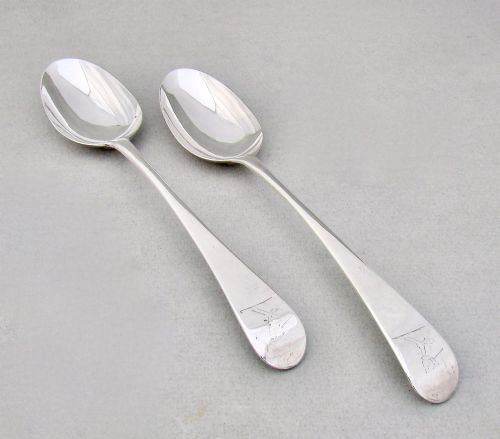
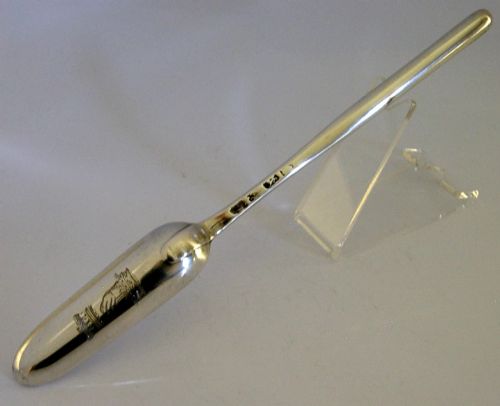
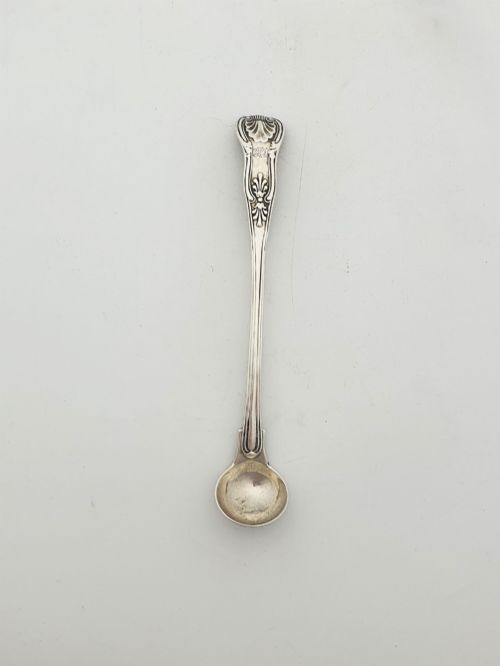
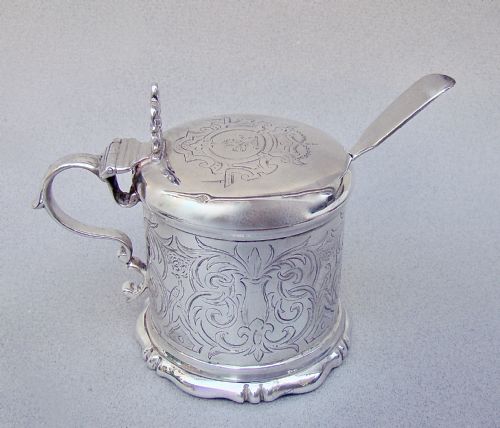
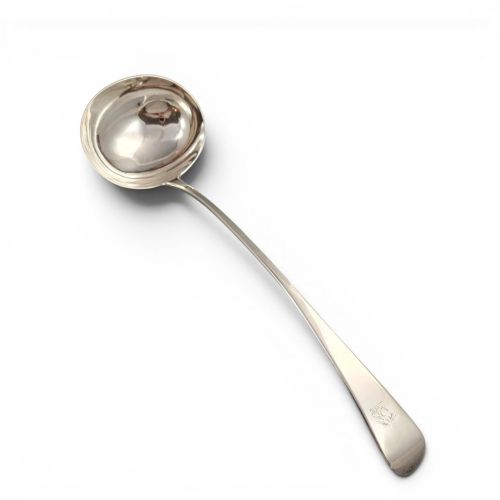
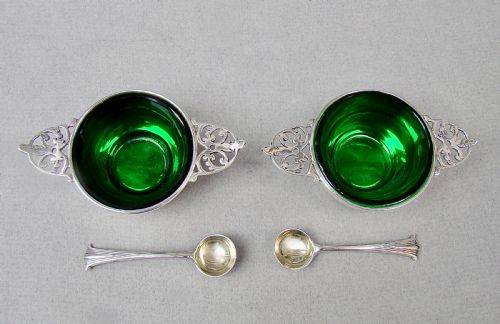
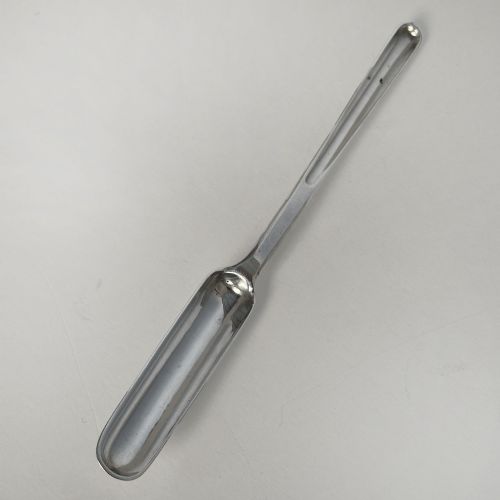
When searching for a london sterling silver spoon, collectors encounter forms ranging from heavy Georgian soup ladles and marrow scoops to delicate Victorian condiment spoons and caddy spoons. The material is solid sterling silver, occasionally accented with parcel gilt or silver gilt.
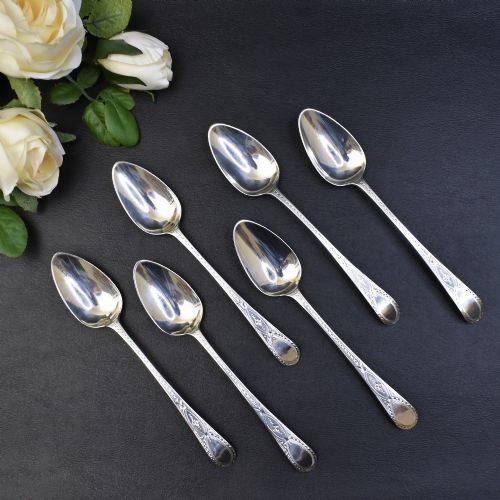
The assortment spans centuries, touching periods from the seventeenth century through to Edwardian novelties. Standard table patterns like Old English, Kings and Fiddle appear alongside specialised implements such as medicine spoons and bright-cut teaspoons.
Materials and Craftsmanship
Silversmiths shaped these pieces from sterling silver, employing techniques of hammering, casting and piercing. Handles frequently display hand-engraved crests, monograms or bright-cut patterning specific to the period.
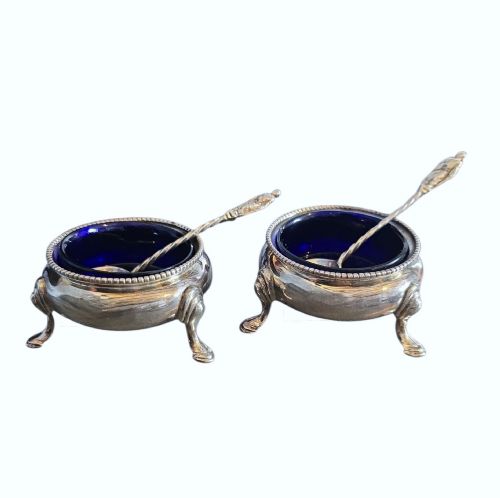
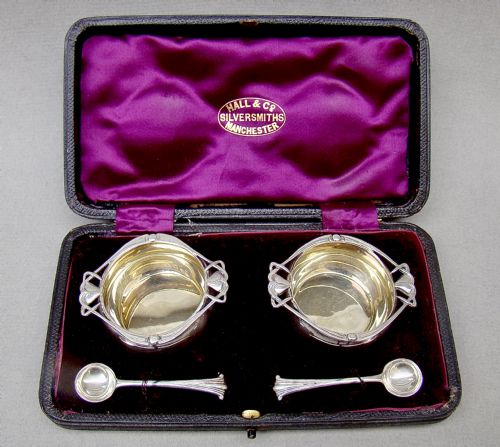
Certain serving pieces incorporate functional elements like cobalt glass liners, silk and velvet within fitted presentation cases. Structural integrity relies on solid metal construction, sometimes enhanced with parcel gilding to highlight specific design motifs.
London Sterling Silver Spoon Retail Price Guide 2026
Typical asking prices for london sterling silver spoon among the pieces listed under this phrase on Sellingantiques today, from the lower quarter to the upper quarter. They describe what is for sale here now, not the wider market.
Some silver spoons doubled as medical dispensers, featuring narrow spouts designed to help strict Victorians take their liquid remedies precisely.
Assessing Quality and Execution
Quality rests in the crispness of the hallmarks, the weight of the metal and the depth of any hand-engraved family crests. Maker attribution also plays a role, with identifiable assay marks from notable silversmiths elevating a piece.
Condition separates standard examples from superior ones, particularly regarding the retention of original form in delicate items like caddy spoons and marrow scoops. The preservation of surface detail dictates the standing of each piece.
Walter Tweedie·Josiah Williams & Co·Charles & George Fox·P A W Bateman·Henry Holland
The London Sterling Silver Spoon Glossary
- Hallmark
- Official marks stamped on precious metals to guarantee purity and origin. These marks indicate the assay office, date letter and maker.
- Caddy Spoon
- A short-handled spoon used for measuring loose tea leaves into a caddy. These often feature decorative bowls shaped like leaves or shells.
- Bright-Cut
- An engraving technique utilising faceted cuts to create a sparkling geometric pattern. It was particularly popular on late eighteenth-century flatware.
- Trefid Spoon
- An early form of flatware featuring a three-lobed terminal handle. This style dates primarily to the seventeenth century.
London Sterling Silver Spoon: Frequently Asked Questions
How do I date a silver spoon?
Dating relies primarily on the stamped hallmarks found on the reverse of the handle or bowl. These include a specific letter code corresponding to the year of assay.
Additional clues come from the handle pattern, such as Old English or Fiddle, which gained popularity during distinct historical eras.
What is a marrow scoop used for?
A marrow scoop served dining rooms during the seventeenth and eighteenth centuries for extracting marrow from bones. The dual-ended design accommodated different bone sizes.
Today, these substantial silver pieces survive as functional tableware or collectible display items.
How should I clean antique silver?
Cleaning requires a soft microfiber cloth and a mild, non-abrasive silver polish formulated for antiques. Avoid harsh scrubbing that can wear away hand engravings and crisp hallmarks.
Regular handling helps maintain a natural lustre without resorting to frequent chemical cleaning.
Why are some spoons gilt?
Gilding involves applying a thin layer of gold to the silver surface, known as silver gilt or parcel gilt. This technique protected the metal from acidic foods such as mustard or fruit.
It also added a decorative contrast to bowls and interior details of caddy spoons and condiment sets.