

Locking Chest of Drawers
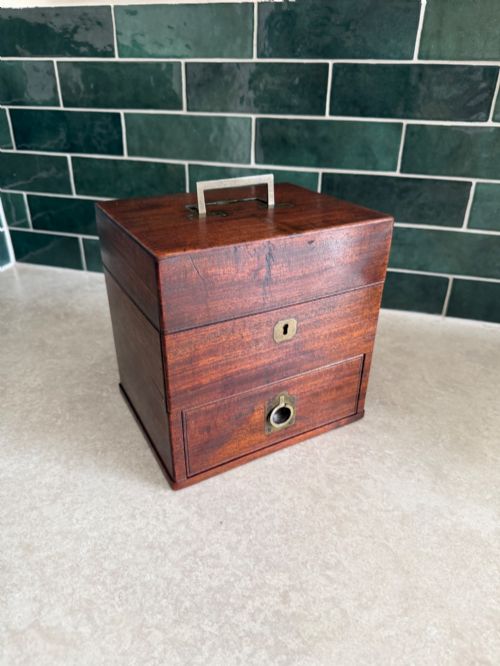
A locking chest of drawers is a secure storage piece prized for its hidden mechanism, keeping valuable papers and personal items safe.

What a Locking Chest of Drawers Is
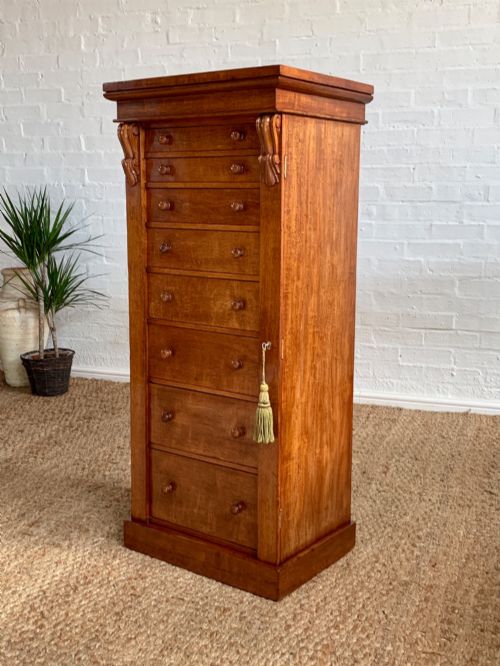
A locking chest of drawers provides secure storage through ingenious locking mechanisms integrated into the cabinet framework. Buyers searching this phrase encounter tall, slender forms designed for efficient bedroom storage.
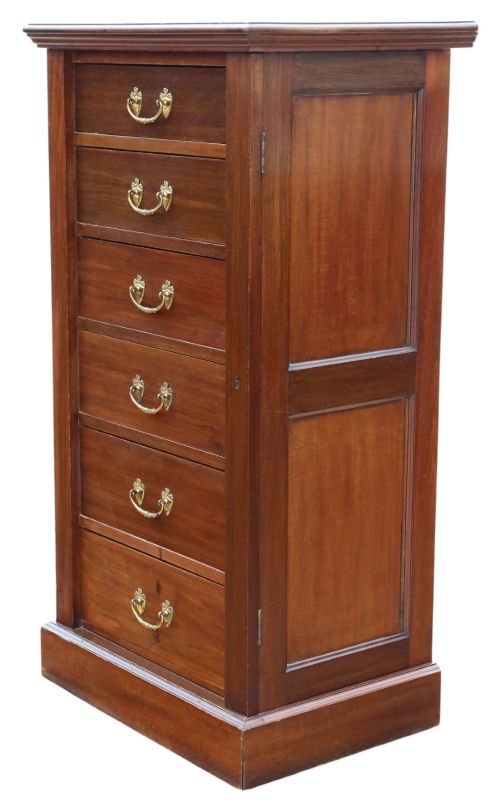
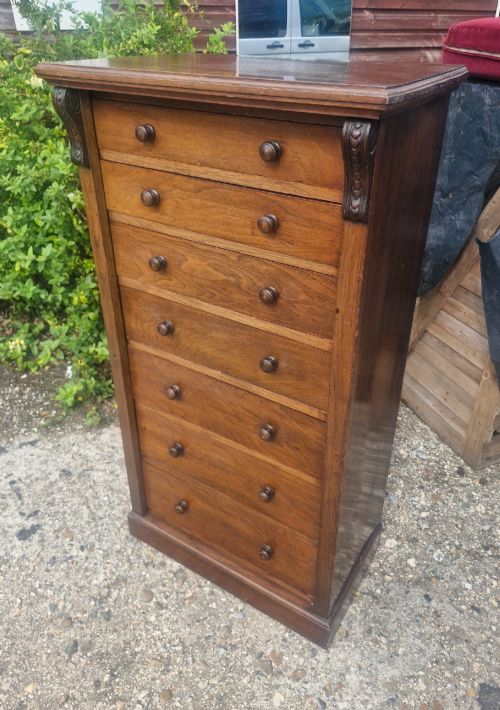
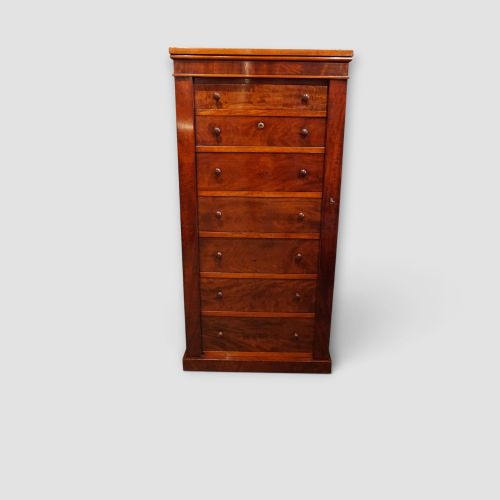
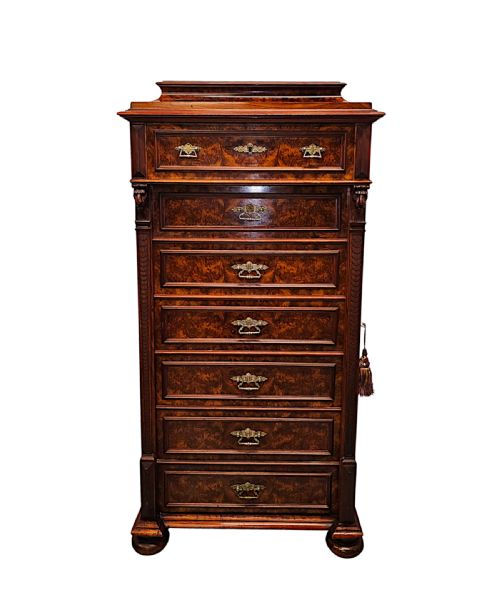
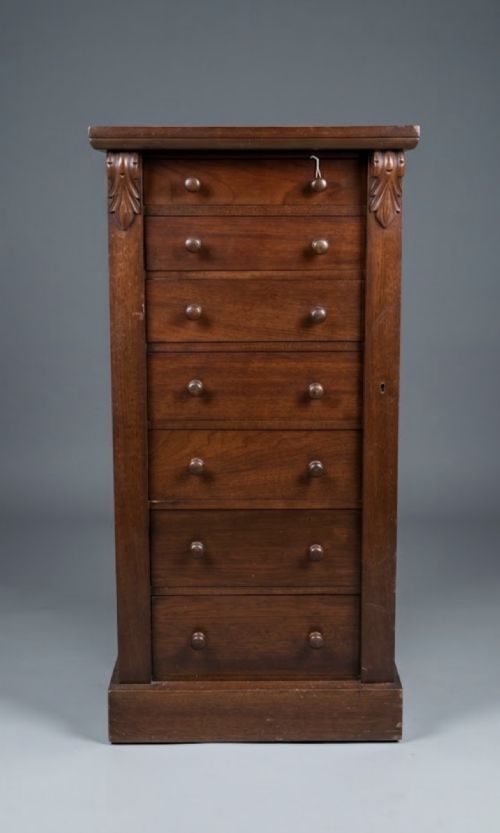
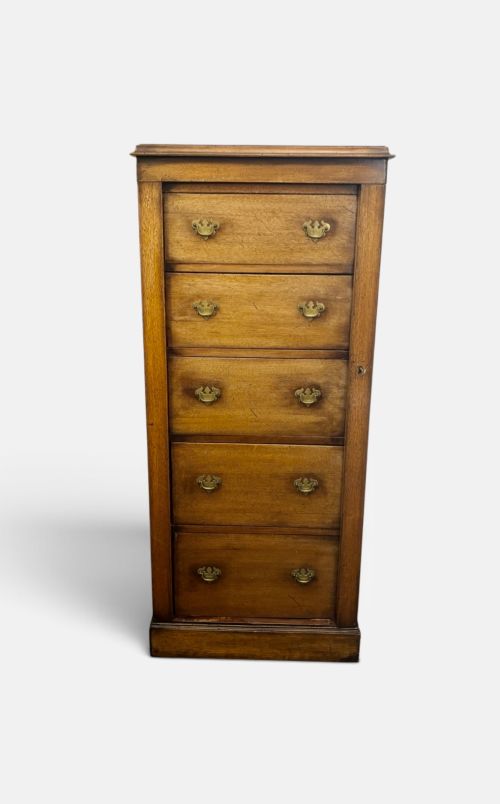
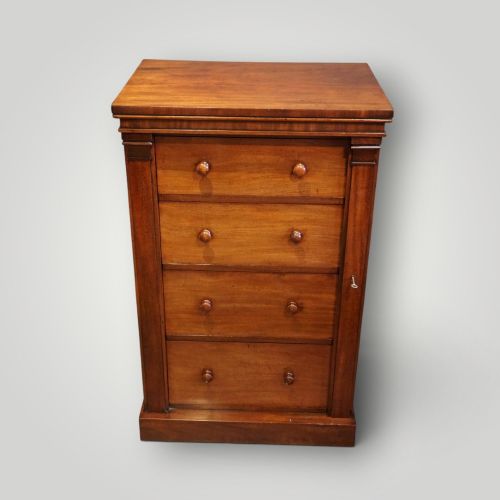
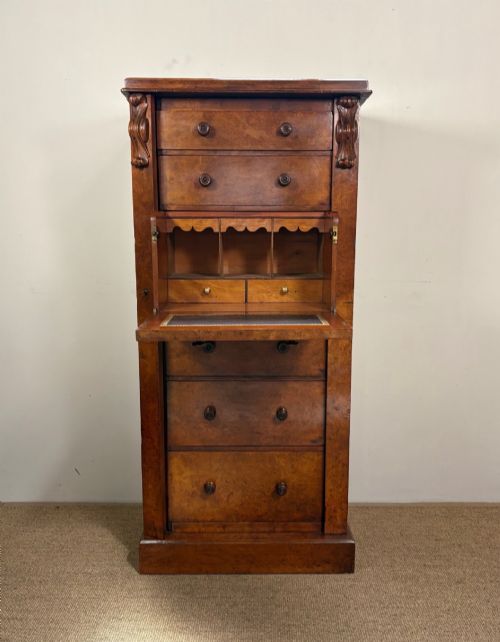
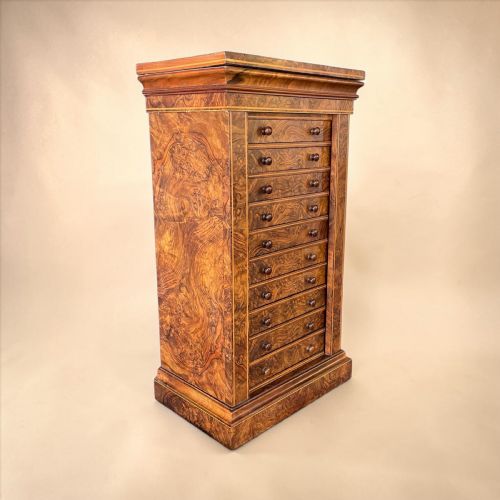
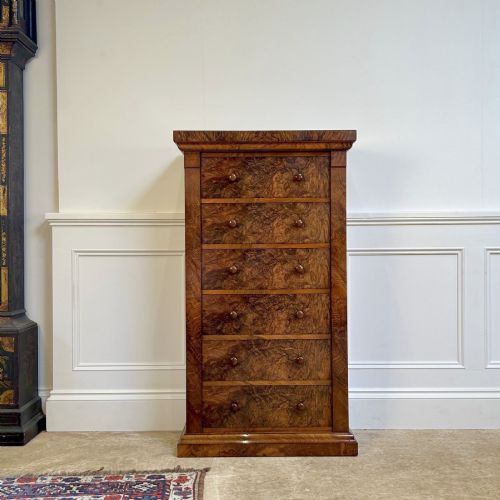
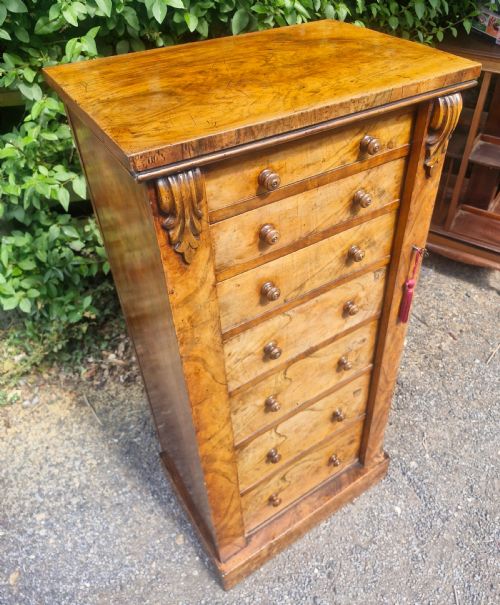
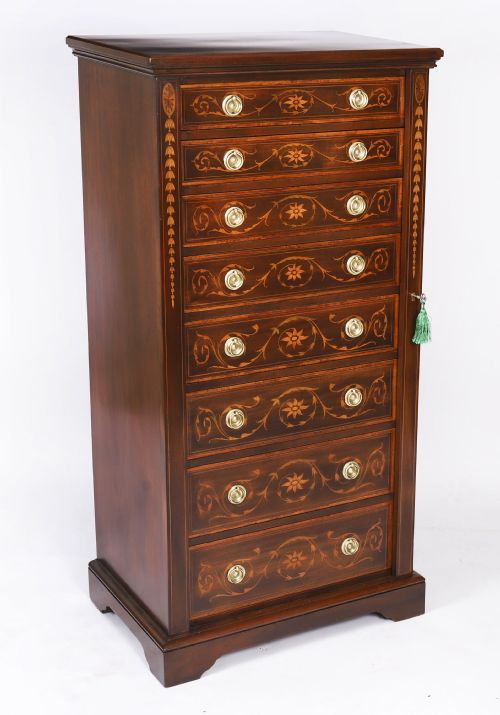
The versions most frequently met on this page are Wellington chests and secure mahogany or rosewood tall chests. These pieces originate from the Victorian and Edwardian eras, alongside examples from the nineteenth century.
Makers constructed these cabinets with multiple drawers stacked vertically, secured by a hinged locking stile on one side. This specialised design prevents drawer access until the main side bar is unlocked with a key.
How They Were Made
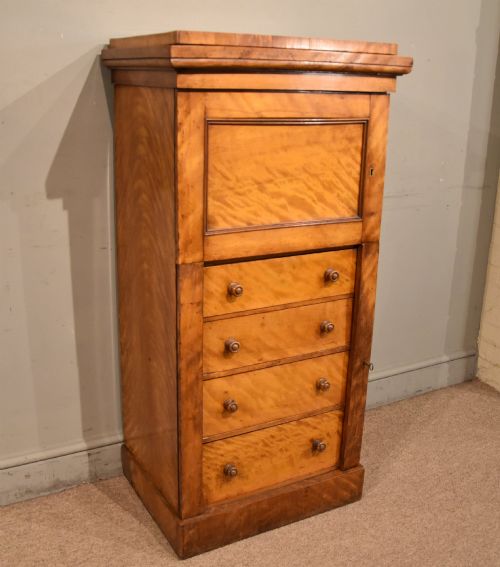
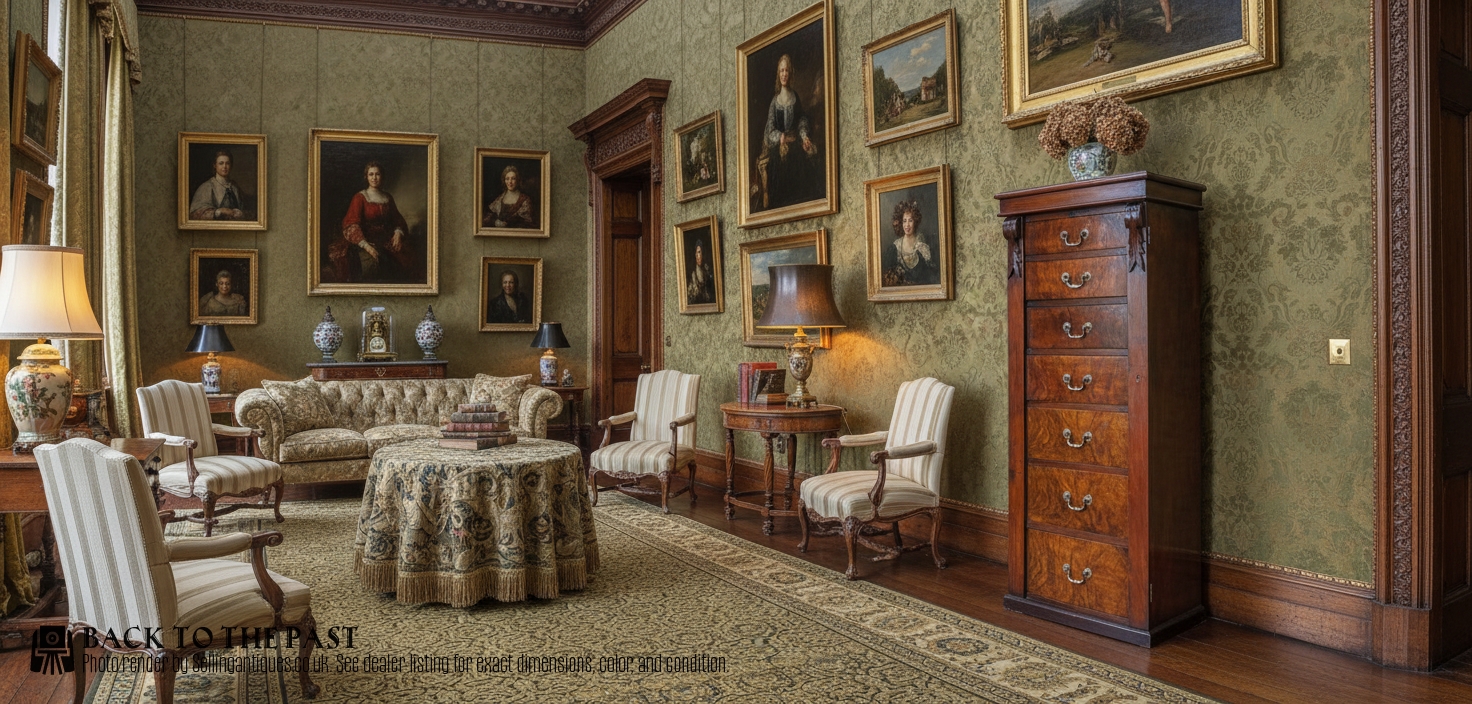
Cabinet makers utilised dense hardwoods such as mahogany, rosewood, and walnut for the primary carcass and drawer construction. Artisans frequently selected figured timber veneers, including fiddleback mahogany, to cover visible surfaces with striking grain patterns.
Retail Price Guide 2026
Typical UK retail prices for locking chest of drawers, calculated from the Sellingantiques database of over a million retail prices indexed since 2003. This retail price guide relies exclusively on Sellingantiques data; no external sources or auction records are used, so the figures do not describe the wider market.
Listings feature items from the Victorian and Edwardian periods, constructed in mahogany, rosewood, walnut, and brass.
What Varies in Quality
The choice of timber veneer dictates much of the visual hierarchy, with highly figured fiddleback mahogany sitting at the upper end of the scale. Plain timber finishes and simpler construction details appear on more utilitarian examples.
The sophistication of the internal locking action separates standard utility pieces from finer cabinet work. Smooth operation of the hinged locking flap and tight drawer joints demonstrate superior historical craftsmanship.

The Locking Chest of Drawers Glossary
- Wellington chest
- A tall, narrow chest of drawers secured by a hinged locking stile on the vertical edge. This specific form originated in the nineteenth century and typically contains six or more drawers.
- Fiddleback mahogany
- A premium cut of mahogany timber displaying wavy, undulating grain patterns resembling the back of a violin. Cabinet makers prized this wood for high-status furniture.
- Stile
- A vertical framing member of a cabinet or door. In these chests, the stile acts as the locking bar that holds all drawers shut.
- Escutcheon
- A flat plate of brass surrounding a keyhole. It protects the surrounding wood from wear and adds a decorative finish.
Frequently Asked Questions
What is a locking chest of drawers?
A locking chest of drawers is a tall storage cabinet where a single locking mechanism secures every drawer simultaneously. A hinged side bar covers the drawer edges until released by a key.
These pieces emerged strongly during the nineteenth century as secure furniture for valuables. Their narrow footprint made them popular in bedrooms and studies.
What woods were used for these chests?
Makers relied on dense tropical hardwoods like mahogany and rosewood, alongside native British walnut. Selected pieces feature decorative veneers such as fiddleback mahogany across the drawer fronts.
These timbers provided the structural stability required to support tall, narrow drawer stacks. The dense grain also took a fine polish under historical finishing techniques.
How do I date a Victorian locking chest?
Examine the secondary woods inside the drawer linings and the style of the brass locking hardware. Victorian examples often display hand-cut dovetail joints and rich mahogany or rosewood surfaces.
Later Edwardian pieces show subtle shifts in proportion and timber selection, while earlier nineteenth-century items retain heavier proportions. Consulting the construction details inside the carcase reveals the manufacturing period.