



Lockable Wooden Tea Box
A lockable wooden tea box secures dried leaves under a key, holding the heritage of domestic tea ceremonies in Georgian and Victorian parlours.
Lockable Wooden Tea Box
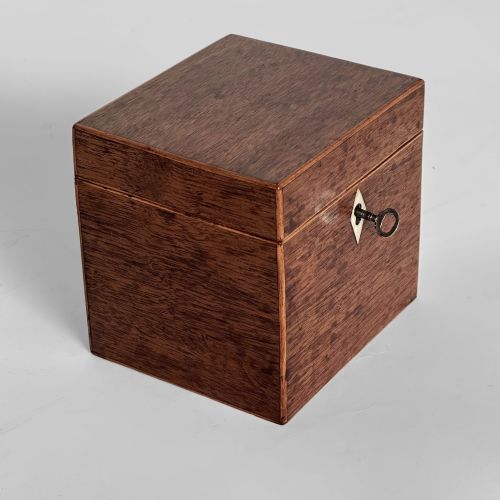
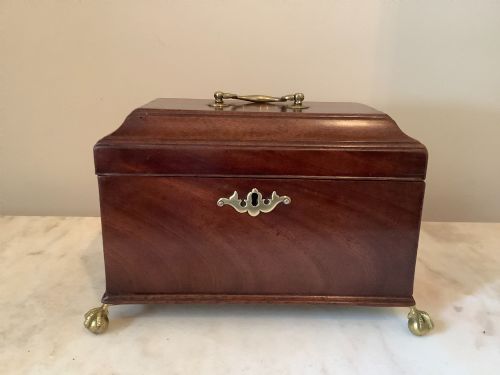
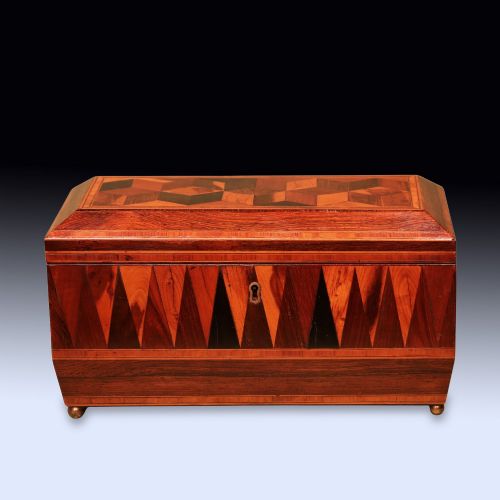
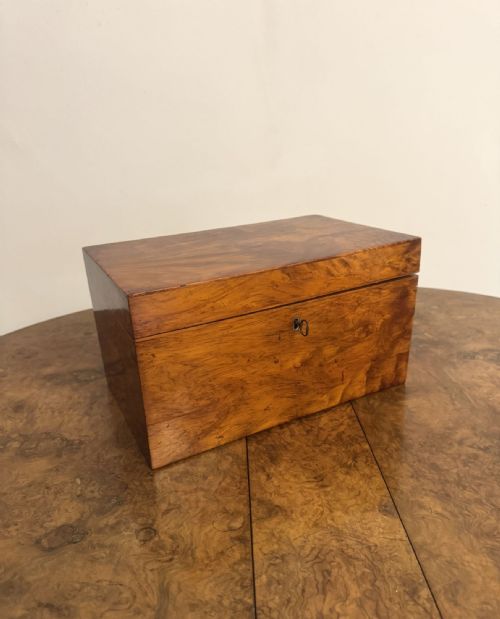
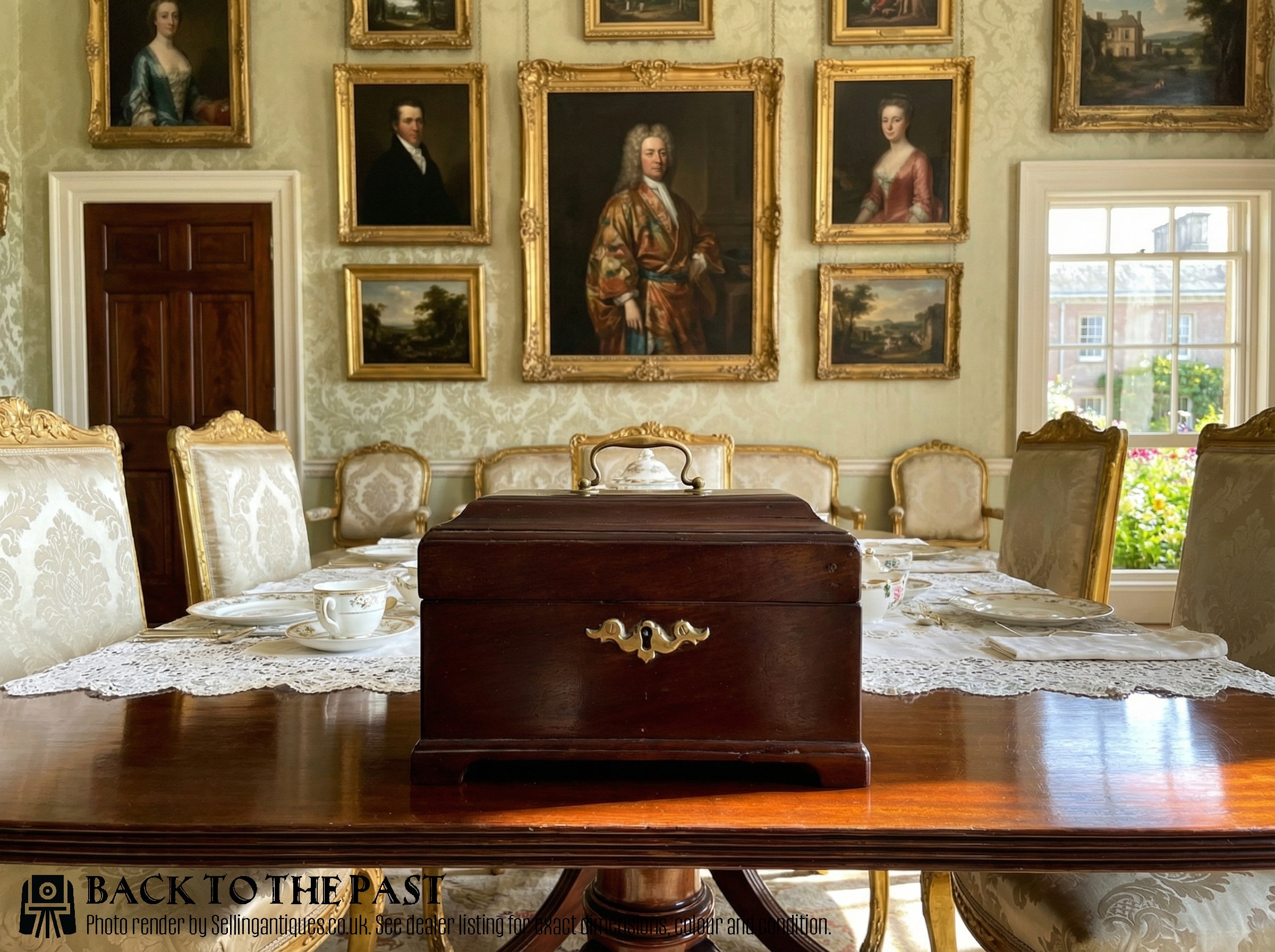
A lockable wooden tea box appears in various silhouettes across Georgian, Regency, and Victorian eras, functioning as a secure storage container for precious dry leaves. Buyers frequently encounter rectangular boxes, sarcophagus shapes, and dome top forms originating from the eighteenth and nineteenth centuries. These vessels often incorporate internal compartments for dual leaves alongside central mixing glasses or loose leaf canisters.
The selection ranges from early walnut and mahogany examples to later rosewood and parquetry pieces outfitted with functioning brass locks and keys. Many surviving specimens display decorative inlay work such as shell motifs, star designs, or contrasting veneers like satinwood and amboyna. Makers adapted classical architectural proportions to domestic storage, producing portable cases intended for parlour display.
Materials and construction methods
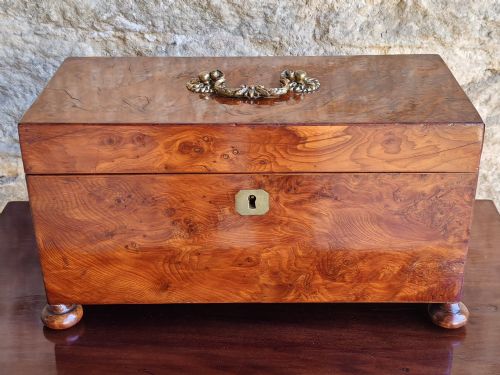
Craftsmen built these containers using dense hardwoods including mahogany, rosewood, walnut, and yew, frequently applying fine veneers over secondary woods. Surfaces gain ornamentation through contrasting stringing, parquetry, and marquetry executed in boxwood, ebony, and harewood. Metal hardware, notably brass escutcheons, drop handles, and lion mask fittings, secures the structural joints and assists portability.
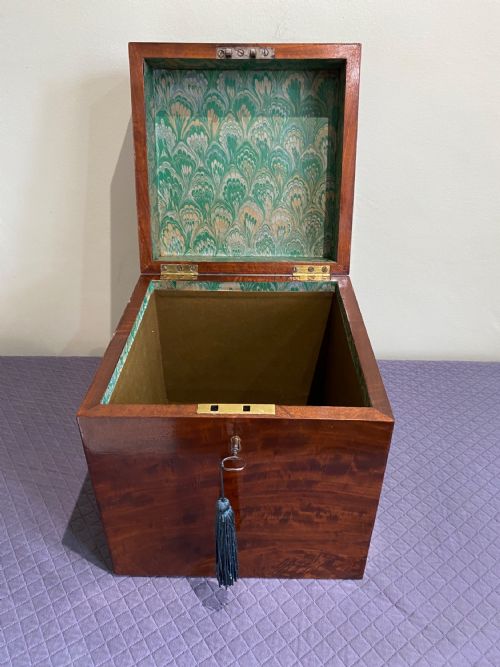
Interior compartments frequently feature fitted wooden lids or foil linings designed to preserve aroma, accompanied by glass mixing bowls for blending varieties. Joinery relies on precise corner joints and fitted base boards, housing internal locking mechanisms operated by small iron or brass keys. Cabinetmakers utilised shell inlay and painted decoration to elevate the visual detail of exterior surfaces.
Current listings feature eighteenth and nineteenth century periods alongside materials such as brass, mahogany, rosewood, bone, boxwood, satinwood, metal, and ebony.
Distinctions in construction and detail
Quality rests upon the selection of timber figures, such as burr walnut or quilted mahogany, and the precision of inlaid parquetry and stringing. Superior examples maintain intact original interiors, complete with mixing glasses, loose leaf canisters, and functioning locks with matching keys. Lesser specimens display replaced hardware, compromised veneer work, or missing internal divisions.
The sophistication of the joinery and the sharpness of decorative details separate standard production from master craftsmanship. Refined execution shows in tightly mitred corners, perfectly fitted secret drawers, and harmonious grain matching across the lid and sides.
The Lockable Wooden Tea Box Glossary
- Sarcophagus form
- A box design featuring a steep, sloping lid and a tapered body resembling a traditional stone coffin. This architectural silhouette gained popularity during the Regency and Victorian periods.
- Parquetry
- A geometric mosaic of wood veneers arranged in repeating patterns across the exterior surface. Craftsmen used contrasting timbers like boxwood and ebony to create visual depth.
- Escutcheon
- A protective brass plate surrounding the keyhole of the lock. It shields the surrounding wood from wear caused by repeated use of the key.
- Mixing glass
- A removable glass bowl fitted into the centre of the interior compartment. This vessel allowed users to blend different tea varieties before serving.
- Canister
- A separate lidded compartment within the box designed to hold individual leaf grades securely. These internal containers often feature secondary wooden lids with small turned pull knobs.
Lockable Wooden Tea Box: Frequently Asked Questions
What are lockable wooden tea boxes?
These historical containers were built to store and protect valuable dry tea leaves under lock and key in domestic parlours. Wealthy households kept their leaves secure from domestic staff and visitors.
Surviving examples date primarily from the Georgian, Regency, and Victorian eras, reflecting the changing interior tastes of those periods. They range from simple rectangular mahogany chests to elaborate sarcophagus forms veneered in rosewood and walnut.
How were tea leaves used historically?
Tea was an expensive commodity in the eighteenth and nineteenth centuries, requiring careful measurement and safe storage by the head of the household. The mistress of the house typically kept the key to control distribution.
Leaves were spooned from internal canisters into a central mixing glass to combine different origins before brewing. This practice allowed hosts to tailor blends to the preferences of their guests.
How do I identify a Georgian tea box?
Georgian specimens generally exhibit clean rectangular or oval outlines with restrained decorative elements like stringing, shell inlay, or star motifs. Mahogany, walnut, and satinwood dominate this period of production.
Later Victorian versions frequently adopt bolder architectural silhouettes, including sarcophagus and dome top shapes. They tend to utilise heavier exotic timbers such as rosewood alongside more complex parquetry.
Can I use these boxes for modern storage?
These lidded containers adapt well to holding small personal items, jewellery, or keepsakes on a dressing table or desk. Their internal compartments and fitted lids keep contents organised.
Care should be taken to protect antique wood surfaces from moisture and direct sunlight. Preserving the original interior linings maintains the historical integrity of the piece.