





Light Oak Sideboard
A light oak sideboard brings grain and warmth to a room, offering practical storage alongside the character of older timber.
Light Oak Sideboard
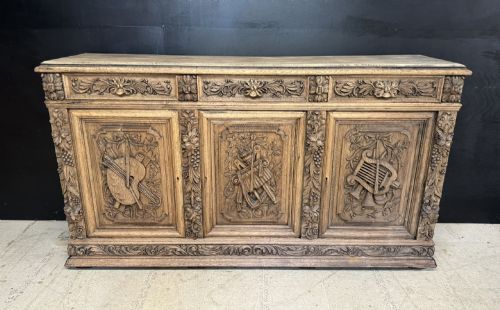
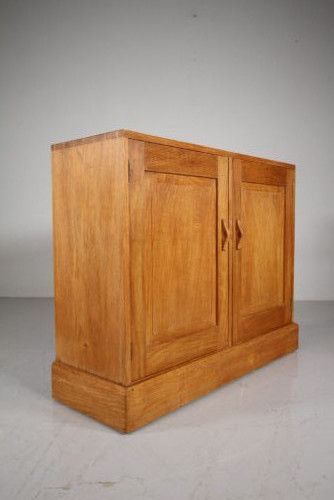
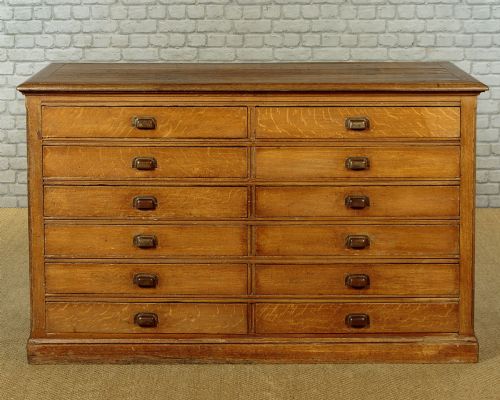
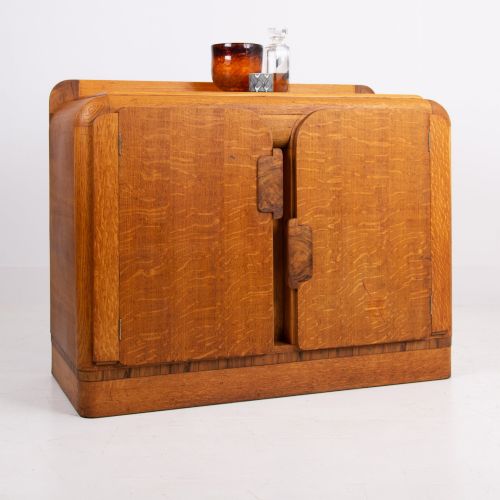
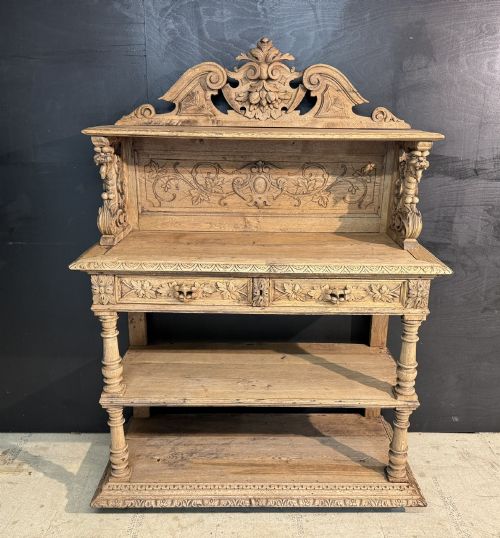
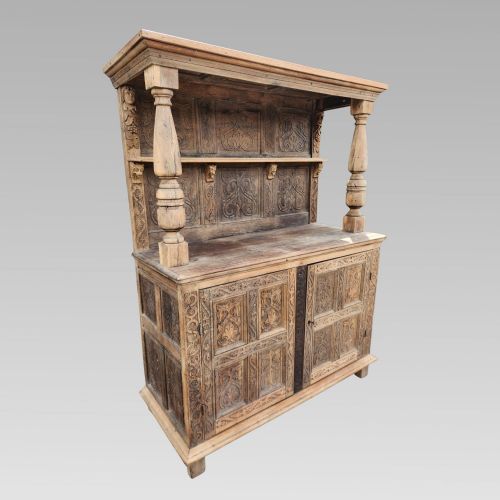
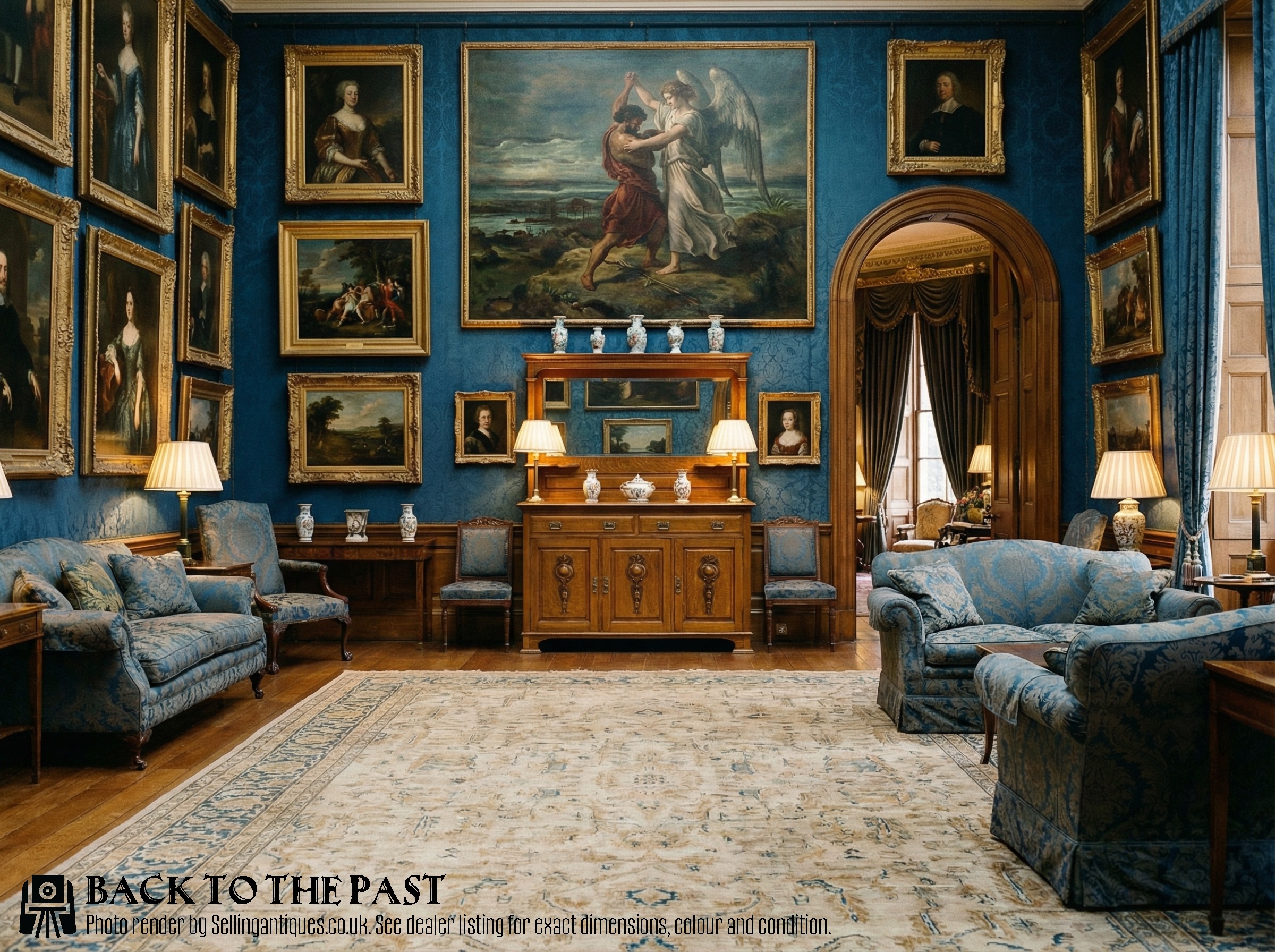
A light oak sideboard functions as a storage piece and a serving surface, appearing across dining rooms and hallways in various regional designs. When buyers search for a light oak sideboard, they encounter forms spanning the nineteenth century through the nineteen-thirties, including Edwardian mirror-backed pieces, Cotswold school cupboards, and Art Deco cabinets.
The selection on this page shows British and continental origins, with English country versions sitting alongside French buffets and Spanish servers. Most examples lean towards domestic utility, combining cupboards, drawers, and sometimes potboards or display sections within timber frames.
How they were made
Construction relies primarily on oak, supplemented occasionally by pine, chestnut, and walnut for internal elements or secondary surfaces. Cabinetmakers utilised traditional joinery methods, housing panels within solid frames to accommodate the natural movement of the wood over time.
Surface treatments vary from polished finishes to bleached or limed effects that lighten the natural tone of the timber. Metal elements such as brass handles and hinges provide functional contrast, while decorative touches occasionally incorporate glass, lead, or stained glass panels.
One listed nineteenth-century cabinet owes its existence entirely to a repurposed wooden bed front from rural Brittany.
What varies in quality
The standard of a piece rests largely on the selection of timber and the precision of its carving or joinery. Heavy, solid construction with well-fitted drawers and doors distinguishes finer workshops from simpler utilitarian builds.
Proportion and the handling of decorative details, such as mirror backs or carved panels, determine the visual balance of the furniture. Retained original hardware and consistent timber ageing further elevate the standing of an individual cabinet.
Gomme·Heals of London
The Light Oak Sideboard Glossary
- Potboard
- An open lower shelf beneath a dresser or sideboard used historically for storing pots and kitchenware. This feature appears frequently on country and regional variations.
- Mirror back
- An upright wooden superstructure holding a mirror plate attached to the rear of a sideboard. Edwardian and Victorian examples often utilised this design to reflect light into a room.
- Bleached oak
- Timber treated to lighten its natural colour, producing a pale, desaturated finish. This treatment surfaces across various twentieth-century and continental pieces.
- Pedestal sideboard
- A heavy form featuring cupboards or drawer stacks flanking a central recessed section or serving space. These larger formats suit grander dining rooms.
- Enfilade
- A long sideboard or serving cabinet designed for formal dining spaces, frequently encountered in French furniture traditions. They provide extensive surface and storage capacity.
Light Oak Sideboard: Frequently Asked Questions
How do I date a sideboard?
Dating relies on observing construction methods, timber preparation, and stylistic markers such as hardware and decorative carving. Victorian and Edwardian pieces often display heavier proportions and mirror backs, whereas nineteen-thirties designs favour cleaner lines.
Secondary woods and backboards also offer clues, as machine-sawn timber indicates later nineteenth or twentieth-century manufacture. Comparing the piece against known regional styles helps narrow down its decade of origin.
Where were sideboards used?
Sideboards functioned primarily in dining rooms for storing tableware, linens, and serving food during meals. They provided a surface for display as well as concealed storage beneath.
In larger houses, hall servers fulfilled a similar role for greeting spaces, while country kitchen pieces held daily utensils and provisions.
How do I care for light oak?
Maintenance requires keeping timber away from direct heat sources and strong sunlight to prevent drying and fading. Regular dusting with a soft, dry cloth preserves the finish without building up residue.
Wax can be applied sparingly to unsealed or polished oak to nourish the grain. Avoid using silicone sprays or abrasive cleaners on antique surfaces.
What is Cotswold school furniture?
Cotswold school furniture stems from the Arts and Crafts movement, emphasising simple forms and visible construction details. Pieces from this tradition showcase the natural qualities of solid oak.
Makers working in this style prioritised hand-craftsmanship and honest utility over ornate factory-produced decoration.