


Light Baluster Stem
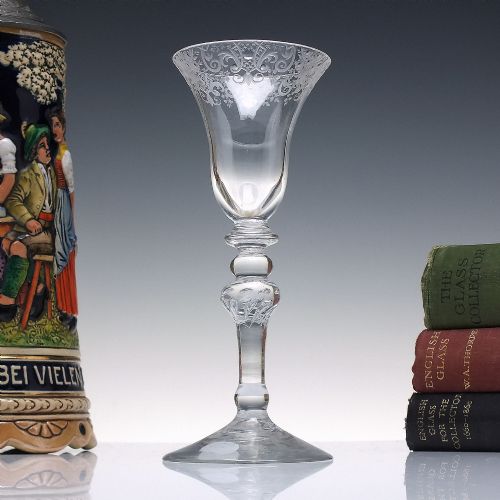
When you handle a light baluster stem, you hold an eighteenth-century drinking vessel shaped with a characteristic swelling profile beneath the bowl.
Light Baluster Stem
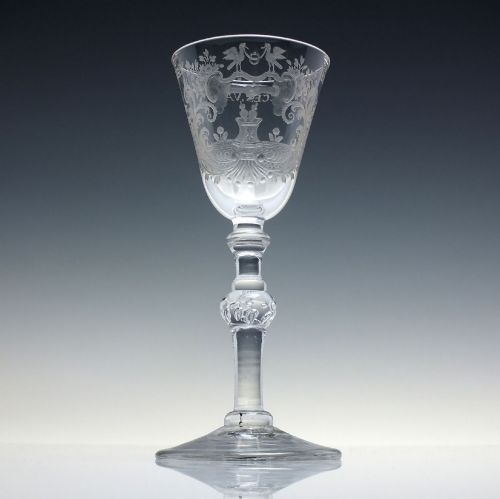
Light baluster stem examples on this page are clear lead glass wine glasses and goblets originating from the eighteenth century. These drinking vessels feature engraved decoration and characteristic stems designed during the Georgian period.
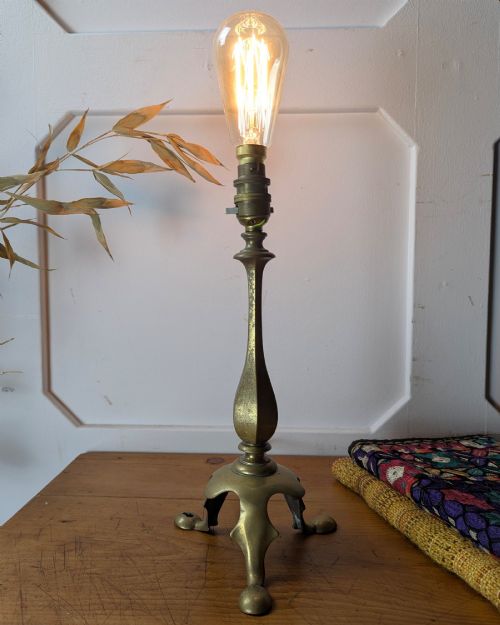
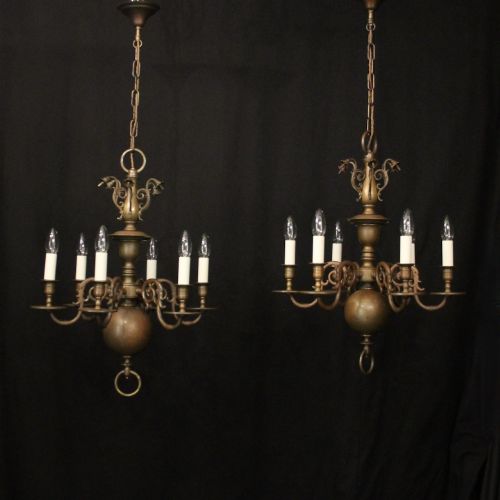
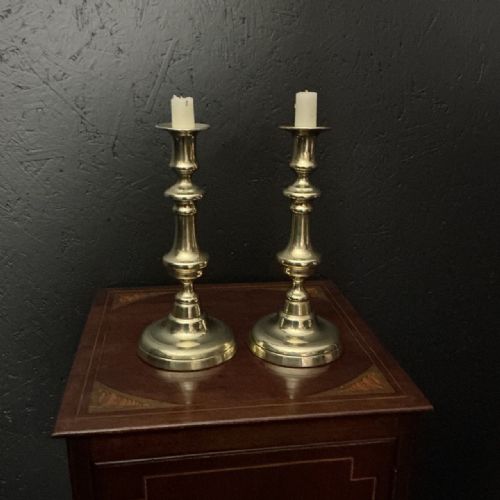
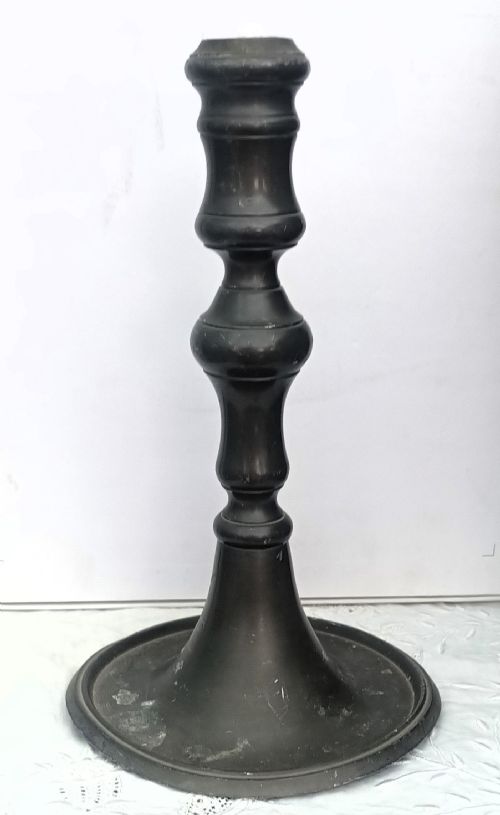
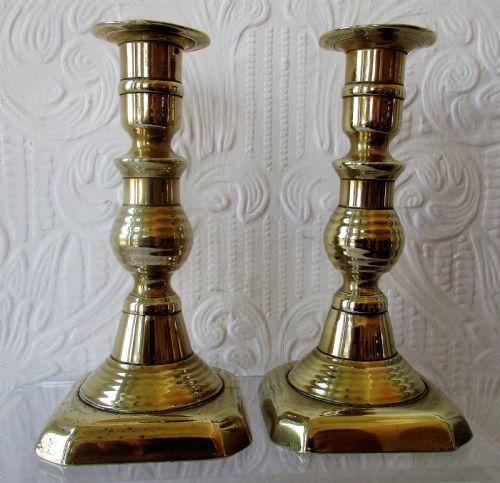
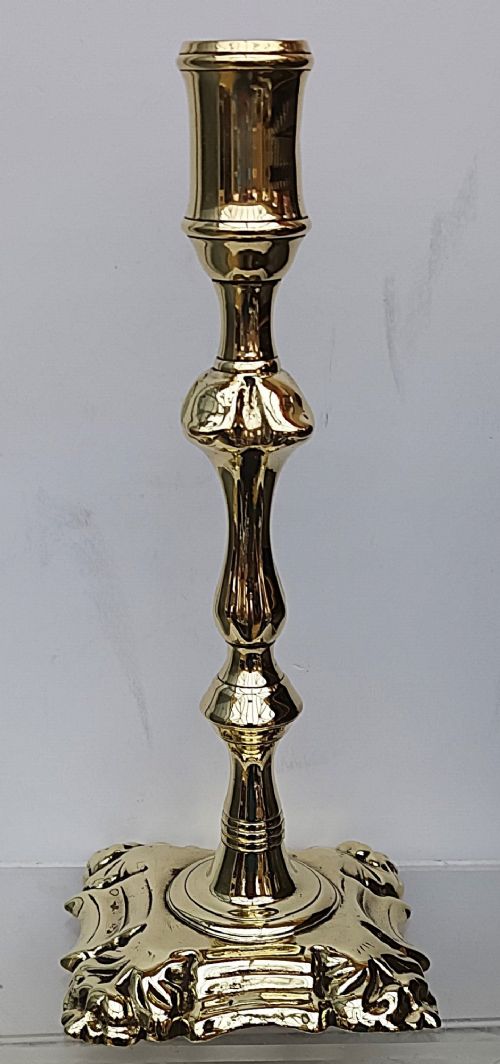
Buyers seeking this phrase encounter eighteenth-century wine glasses alongside a wider selection of metal candlesticks and chandeliers from various eras. The glass drinking vessels remain distinct forms defined by their baluster stems rather than the metal lighting items sharing the same search results.
What varies in quality
The clarity of the lead glass and the precision of the stem profile distinguish finer drinking vessels from simpler forms. Crispness in the engraved decoration on the bowl indicates the skill of the glass cutter.
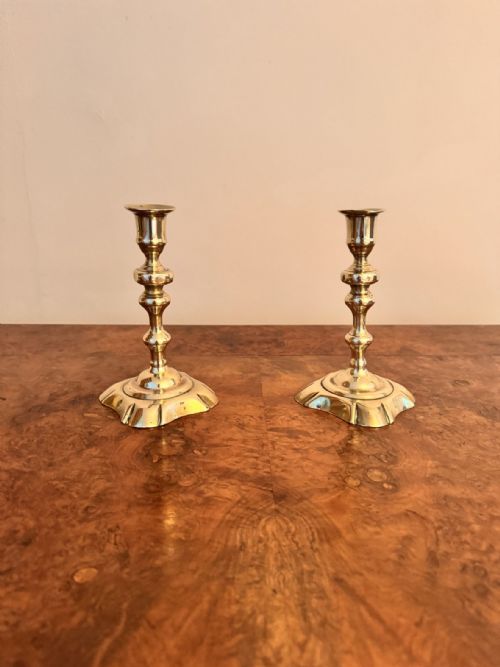
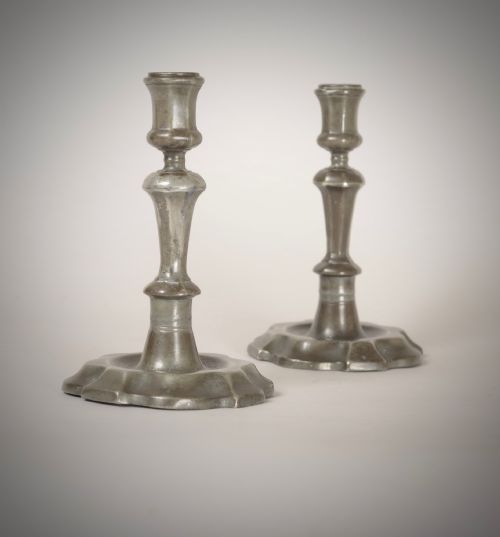
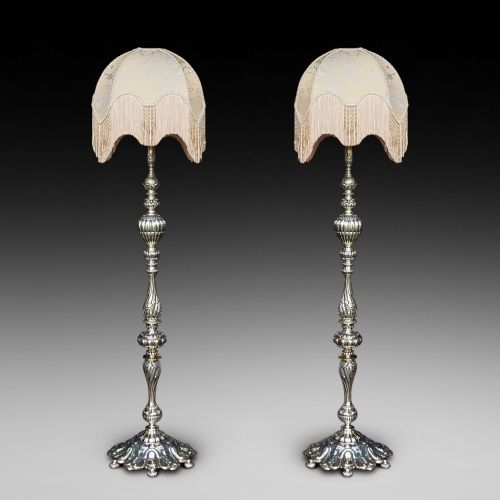
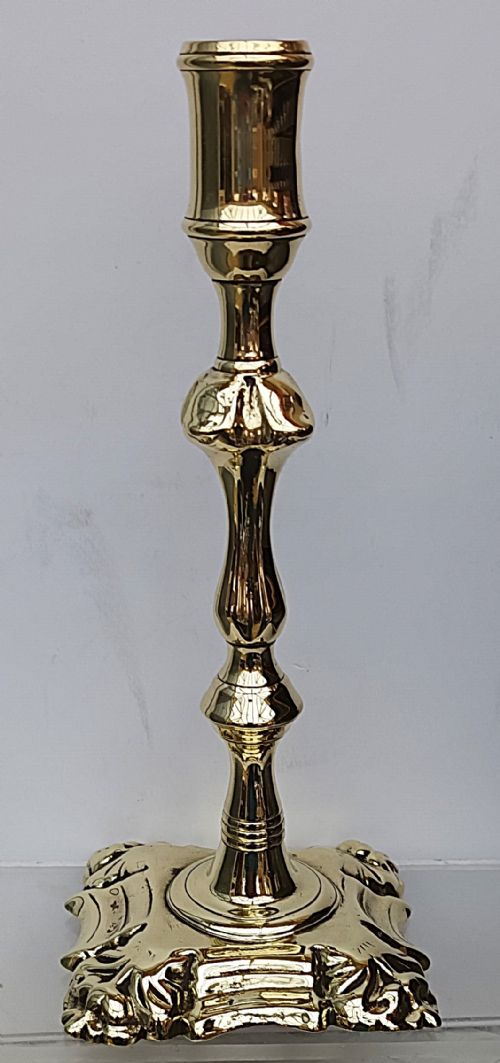
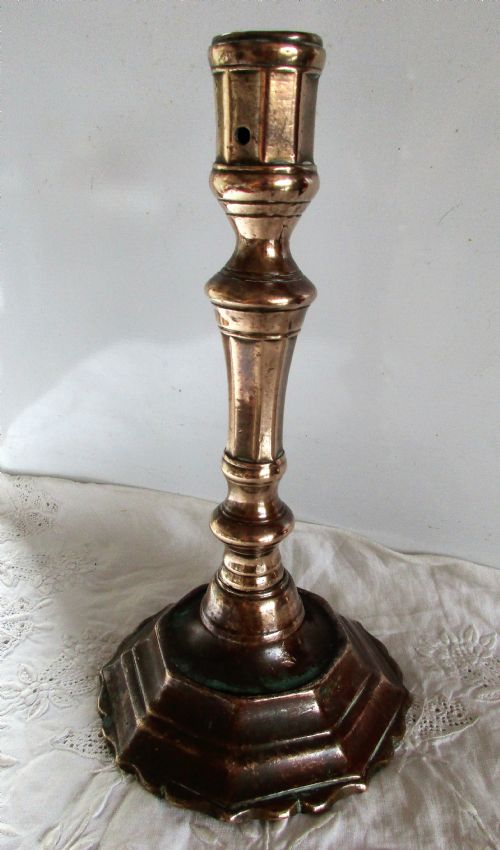
Metal items show variation through the weight of the cast brass or bronze and the sharpness of detail in shaped columns and petal bases. Heavier castings and cleaner joinery separate superior lighting components from standard production.
Light Baluster Stem Retail Price Guide 2026
Typical asking prices for light baluster stem among the pieces listed under this phrase on Sellingantiques today, from the lower quarter to the upper quarter. They describe what is for sale here now, not the wider market.
Listings combine eighteenth-century lead glass wine goblets with nineteenth-century brass candlesticks and Dutch Baroque style chandeliers.
David Green
The Light Baluster Stem Glossary
- Light baluster
- A drinking glass stem form featuring a swelling node or knop below the bowl, popular during the eighteenth century. This profile distinguishes lighter lead glass stems from heavier seventeenth-century precedents.
- Lead glass
- Heavy, clear glass containing lead oxide, developed to improve brilliance and allow deeper engraving. It provides the characteristic weight and ring associated with fine Georgian drinking vessels.
- Taperstick
- A small candlestick designed for holding a thin wax taper used for sealing letters or lighting pipes. Examples are often cast in silver or brass during the eighteenth century.
- Heemskerk candlestick
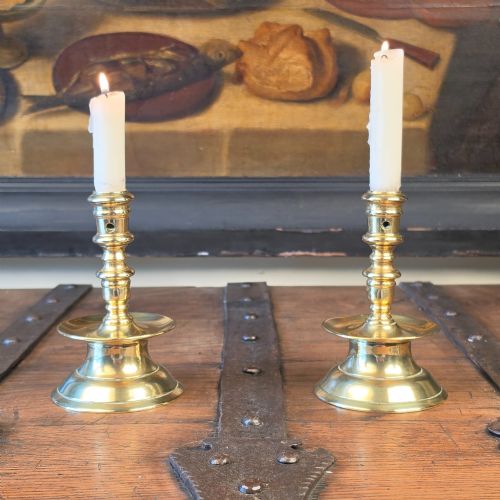
- A distinct seventeenth-century brass candlestick type featuring a central drip pan and a bell-shaped base. Named after a Dutch naval commander, these forms heavily influence later revival styles.
- Britannia standard
- A higher purity of silver established by law in England, denoted by specific hallmarks on pieces like tapersticks. This metal standard ensures a softer, more pliable silver for detailed fabrication.
Light Baluster Stem: Frequently Asked Questions
What defines a light baluster stem?
A light baluster stem refers to the slender, swelling glass column positioned beneath the bowl of an eighteenth-century wine glass. This form developed as glasshouses refined lead metal recipes to produce lighter drinking vessels.
The profile typically includes knops or nodes that catch the light, providing both a decorative silhouette and a secure grip for the hand.
Are these glass items meant for daily use?
Eighteenth-century wine glasses and goblets function primarily as collectible display pieces rather than everyday tableware. The delicate nature of clear lead glass requires careful handling and storage.
Collectors generally keep these drinking vessels in cabinet displays to preserve the engraved glass surfaces and eighteenth-century provenance.
How do you date a brass candlestick?
Dating brass candlesticks involves examining the construction methods, such as whether the base is seamed, cast as a single piece, or formed with a petal design. Base shapes and column turnings evolved through the seventeenth, eighteenth, and nineteenth centuries.
Comparing the patination and wear patterns against documented period examples helps confirm the likely manufacturing era.
Why are some wine glasses engraved?
Engraved decoration on eighteenth-century wine glasses often commemorated specific events such as marriages, political allegiances, or friendships. Craftsmen used diamond-point or wheel-engraving techniques to apply symbolic motifs and inscriptions directly onto the lead glass bowl.
These commemorative pieces hold particular interest for collectors studying social history alongside glass forms.