



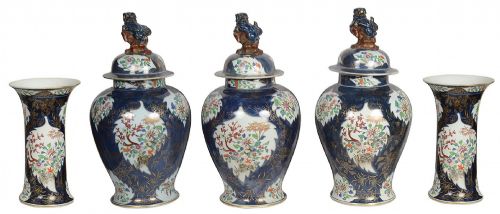


Lidded Floral Vase
A lidded floral vase brings botanical ornament and covered form together, drawing collectors to porcelain and ceramic vessels adorned with painted and glazed blooms.
Lidded Floral Vase
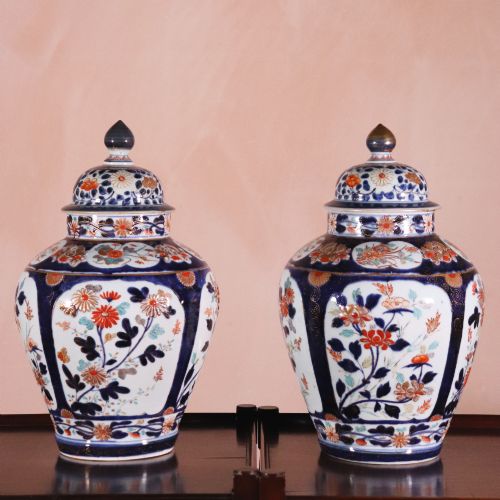
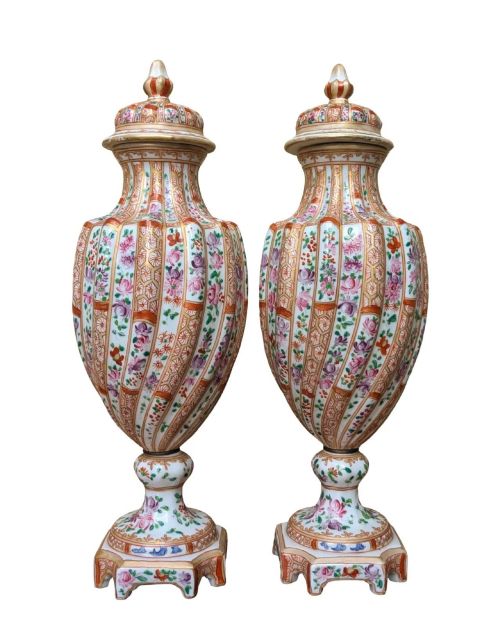
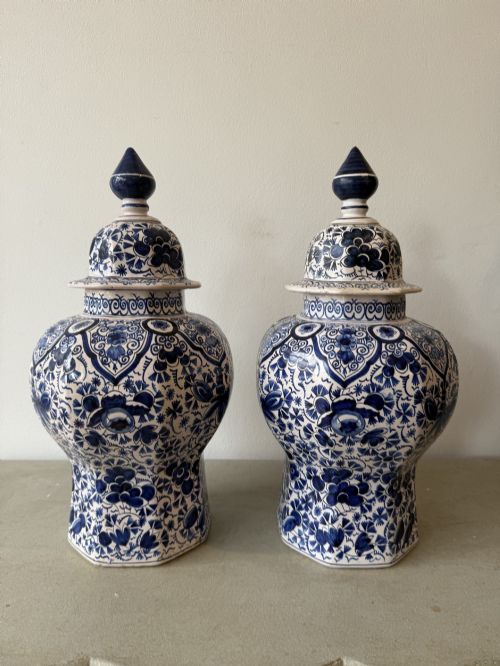
The search for a lidded floral vase leads to covered ceramic vessels decorated with plant motifs, varying from ginger jars to potpourri pots and pedestal urns. These pieces appear across 19th-century and early 20th-century production, spanning Victorian, Edwardian, and Meiji periods.
Makers in England, continental Europe, and Japan produced these covered vessels in porcelain, ironstone, and earthenware. Forms range from large decorative jars to small potpourri pots with crown covers designed to release scent.
How They Were Made
Potters shaped ceramic and porcelain bodies before applying glaze, enamel, and hand-painted pigments. Many pieces incorporate gold leaf and gilding to highlight painted floral details.
Metalwork versions utilise cloisonné techniques on copper and brass foundations, fusing enamel wires to create partitioned cells filled with coloured paste.
Lidded Floral Vase Retail Price Guide 2026
Typical asking prices for lidded floral vase among the pieces listed under this phrase on Sellingantiques today, from the lower quarter to the upper quarter. They describe what is for sale here now, not the wider market.
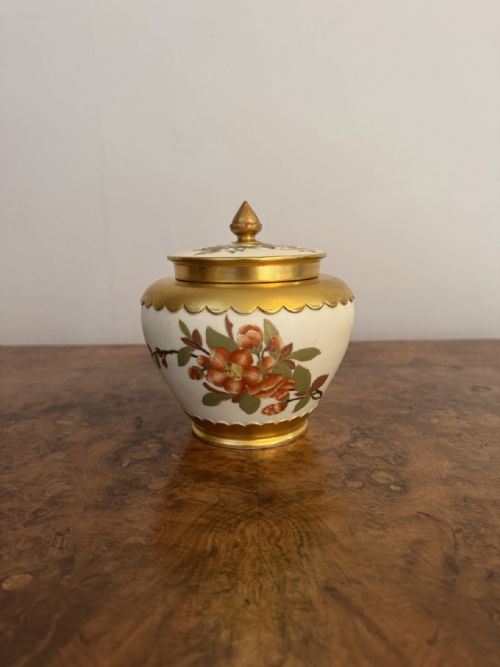
Potpourri jars hide tiny crown covers designed to let sweet scents escape.
What Varies in Quality
The distinction between tiers rests upon the execution of the painting and the precision of the form. Hand-painted botanical studies demonstrate individual artist skill, whereas transfer-printed decoration appears more uniform.
Purity of the porcelain body, richness of the glaze, and intact gilding or enamel separation distinguish finer works from standard production pieces.
Royal Worcester·Royal Crown Derby·Mason's Ironstone·Sitzendorf Porcelain·Herend
The Lidded Floral Vase Glossary
- Ginger jar
- A wide-mouthed storage jar with a domed lid, commonly decorated in Japanese Imari styles and Chinese-inspired palettes. These vessels served practical storage roles before becoming decorative display items.
- Potpourri pot
- A pierced lidded vase designed to hold dried scented plant material and release fragrance. The perforated covers allow air circulation while containing the botanical mixture.
- Cloisonne
- Enamelling technique where thin metal wires form compartments on a copper or brass body. Coloured paste fills these cells before firing and polishing.
- Blush ivory
- A soft cream-coloured porcelain ground developed by English potteries, often decorated with delicate floral painting and gilt highlights. This finish defined late Victorian and Edwardian ornamental wares.
- Garniture
- A set of matching vases and jars designed to sit together on a mantelpiece or sideboard. These groupings typically comprise three to five coordinated pieces.
Lidded Floral Vase: Frequently Asked Questions
How were lidded floral vases used?
These vessels originally served to store dry goods, spices, or scented potpourri mixtures within domestic interiors. Their covers kept contents contained while adding height to mantelpiece displays.
Over time, many functioned purely as decorative centrepieces on sideboards and tables across Victorian and Edwardian homes.
How do I date a lidded floral vase?
Dating relies on maker marks, ceramic bodies, and decorative styles that align with specific manufacturing periods. Victorian and Edwardian pieces often exhibit blush ivory glazes or transfer printing.
Japanese export pieces from the Meiji period display distinct Imari palettes or cloisonné wirework that help establish their approximate era of creation.
How do I care for a lidded vase?
Maintenance involves gentle dusting with a soft dry cloth to protect delicate enamel, gilding, and hand-painted surfaces. Avoiding abrasive cleaners preserves the integrity of the glaze.
Handling lids with care prevents chipping along the rim where the cover meets the vessel body.