

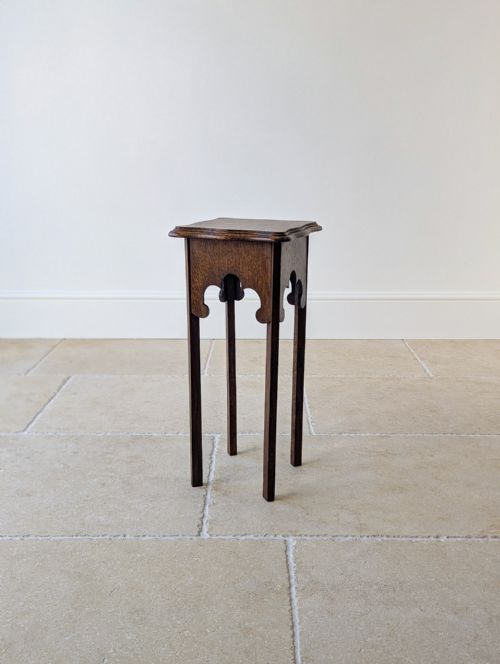
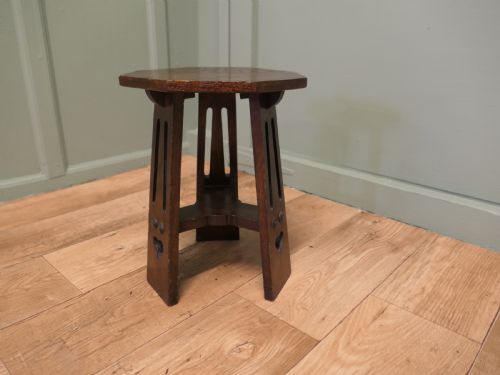
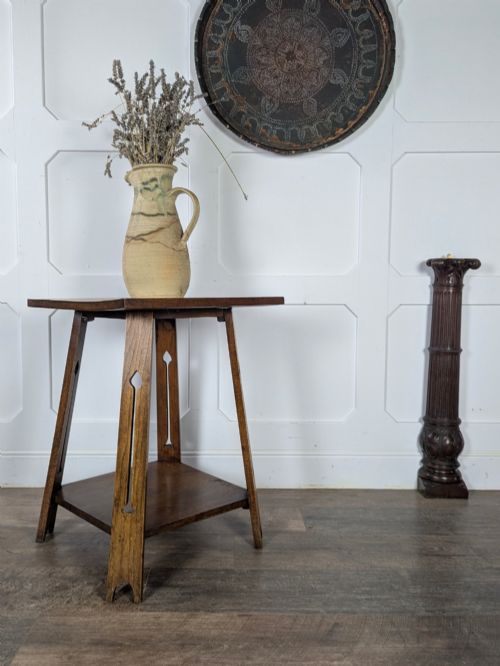
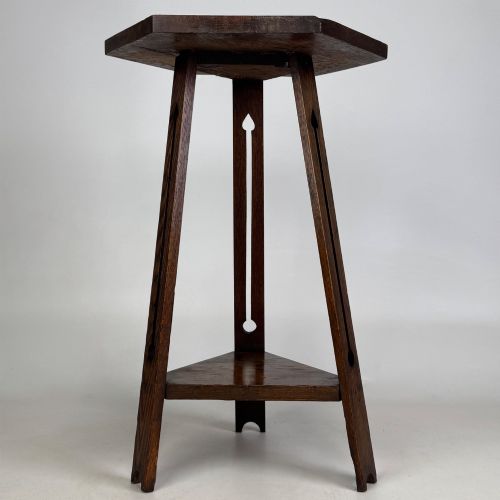

Liberty Oak Table
When you search for a liberty oak table, you encounter the robust utility and distinct design of the British Arts and Crafts movement.
Liberty Oak Table
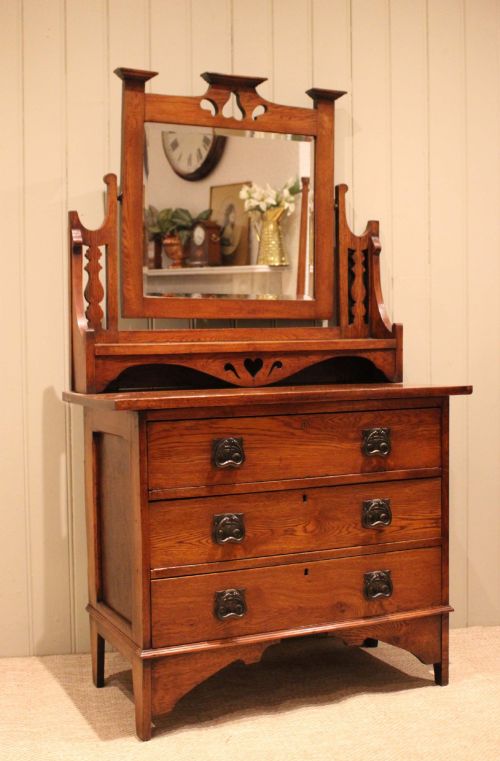
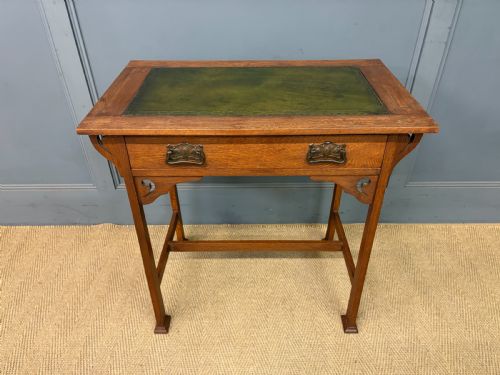
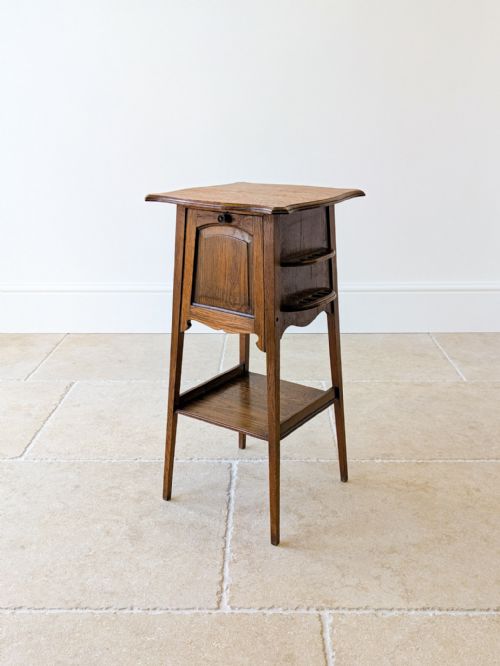
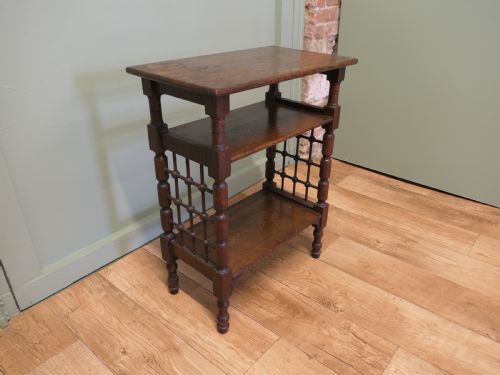
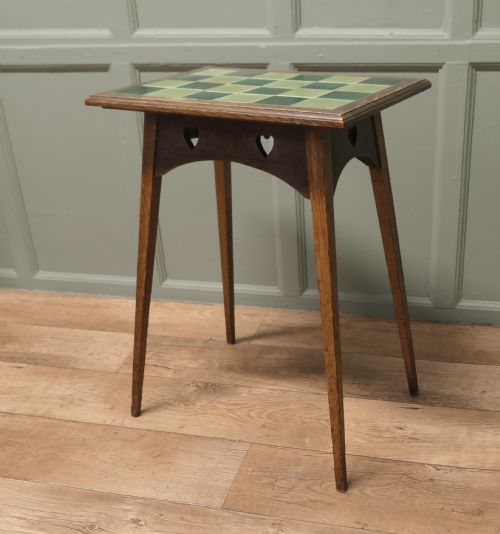
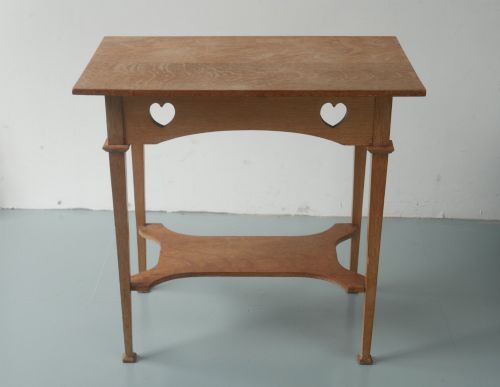
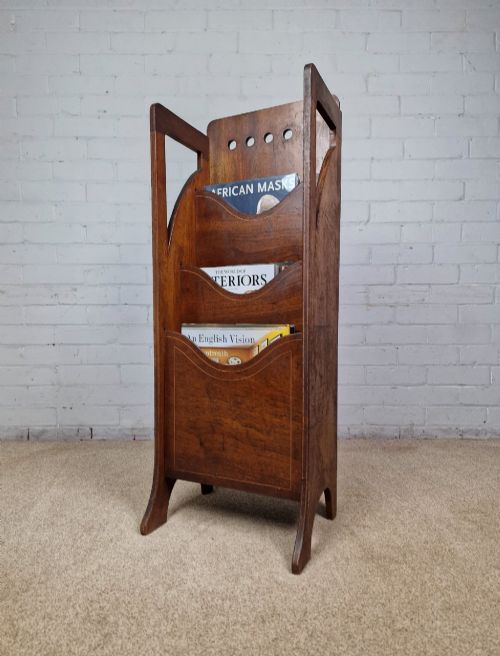
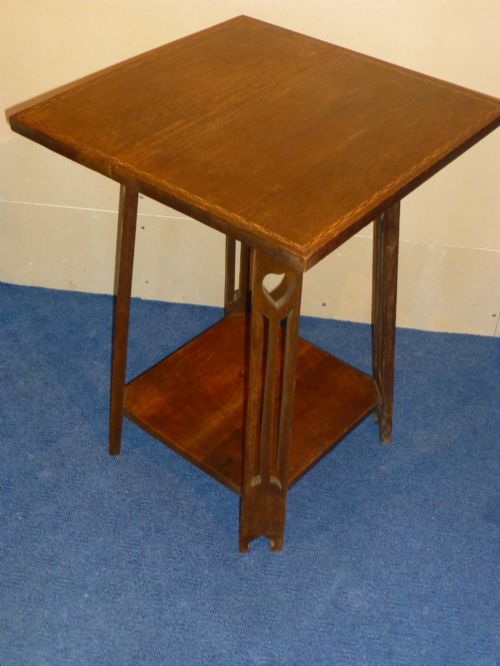
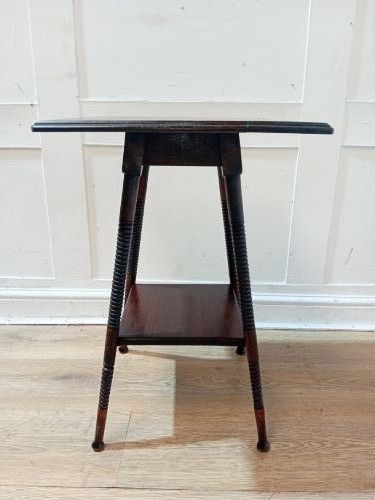
A liberty oak table embodies the principles of late nineteenth and early twentieth century design, drawing heavily on Arts and Crafts, Anglo-Japanese and Moorish aesthetics. These pieces typically take the form of compact side tables, occasional tables, plant stands and two tier book tables.
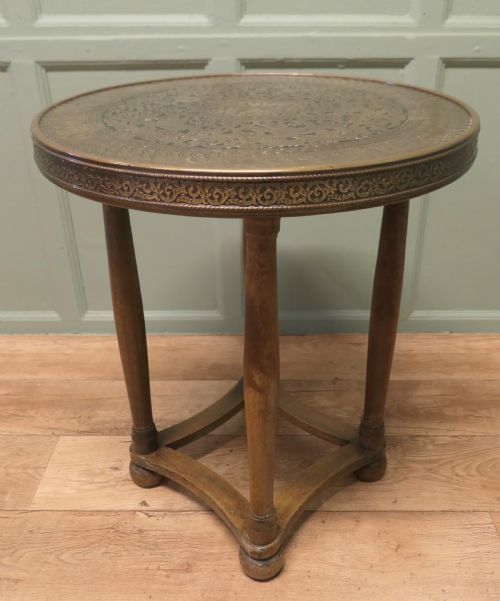
Makers and retailers like Liberty and Co produced practical domestic furniture using honest materials, often incorporating heart motifs, carved details or geometric forms. You will frequently find octagonal or circular tops supported by sturdy legs, designed to serve functional roles in reception rooms and hallways.
Materials and construction
Construction relies heavily on solid oak and hardwood, selected for strength and prominent grain patterns. Workshops employed traditional joinery methods to build pieces intended for daily domestic use.
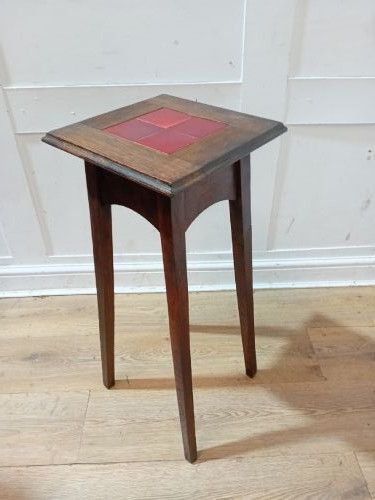
Makers integrated contrasting elements such as inset ceramic tiles, hand hammered copper panels and wood inlays into the timber framework. These metal and ceramic additions provide textural variety against the darker tones of the polished or waxed oak.
Liberty Oak Table Retail Price Guide 2026
Typical asking prices for liberty oak table among the pieces listed under this phrase on Sellingantiques today, from the lower quarter to the upper quarter. They describe what is for sale here now, not the wider market.
Apprentice pieces occasionally appear, offering miniature test pieces carved by hopeful joiners before tackling full sized furniture.
Variations in quality
Quality in these tables rests upon the depth of the carving and the precision of the joinery rather than mere decorative flourish. Hand carved motifs show crisp edges and deliberate tool marks that distinguish bespoke workshop production from simpler output.
The choice of secondary materials also dictates the standing of a piece, with heavy gauge copper, matched tile sets and intricate chequered inlays elevating the design. Structural integrity in the legs and tier supports ensures the table remains stable over decades of use.
Liberty and Co·William Birch·Leonard Wyburd·Baillie Scott
The Liberty Oak Table Glossary
- Arts and Crafts
- A design movement valuing handcraftsmanship and simple forms over industrial mass production. This style rejected overly ornate Victorian decoration in favour of honest construction.
- Occasional table
- A small, movable table designed for specific, intermittent tasks such as holding a lamp or book. These pieces offer versatility within domestic interiors.
- Moorish Revival
- An architectural and decorative style incorporating geometric patterns and intricate woodwork. Tables in this taste reflect global design influences popularised by London retailers.
- Chequered inlay
- A decorative technique embedding small alternating squares of contrasting wood into the surface. This detail highlights the precision of the cabinetmaker.
- Jardiniere stand
- A tall, slender table or pedestal intended to display potted plants and flowers. They elevate greenery to bring natural elements into living spaces.
Liberty Oak Table: Frequently Asked Questions
What defines a Liberty oak table?
These tables combine solid oak construction with the aesthetic principles of the Arts and Crafts movement, often featuring functional forms like two tier designs or octagonal tops. They reflect the retail vision of London houses that championed skilled craftsmanship over factory production.
Many examples incorporate distinctive motifs such as heart carvings, copper inserts or Moorish geometric influences. Their enduring appeal lies in this blend of utility and artistic detail.
How do I use an occasional table at home?
Occasional tables offer practical surface space next to seating or in narrow hallways without dominating a room. They suit small lamps, books or decorative plant stands.
Because they are light enough to move easily, you can reposition them according to daily needs. Their compact proportions make them adaptable to various interior layouts.
How can I tell different periods apart?
Pieces from the late nineteenth century often lean towards heavier Victorian proportions or intricate Moorish carving styles. Items from around nineteen hundred and the Edwardian era typically display cleaner Arts and Crafts lines.
Examining the construction methods and decorative motifs helps narrow down the decade of manufacture. The integration of copper or ceramic tiles also points towards specific production phases.
Are these tables suitable for everyday use?
Solid oak and durable hardwoods make these tables robust enough for regular daily activities. Their sturdy frames withstand normal household wear when properly maintained with wax or polish.
Protecting the wood and any inset tiles from excessive moisture preserves the finish. They function reliably as lamp stands, side tables or book holders.