





Craftsman Accent Table
These craftsman accent table pieces bring solid oak and honest construction into daily use, offering sturdy surfaces for lamps, plants and coffee.
Craftsman Accent Table
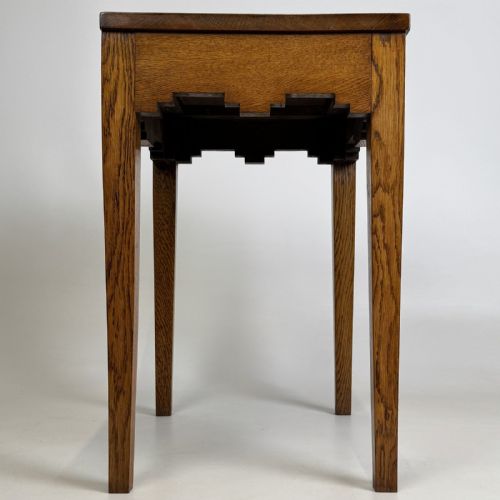
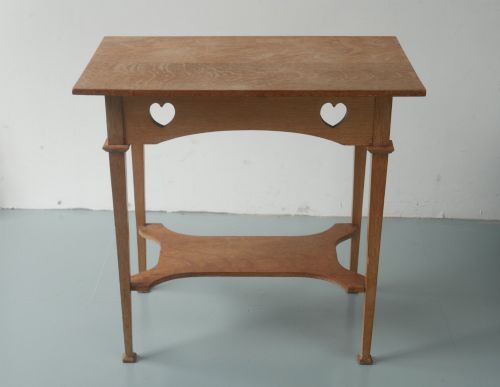
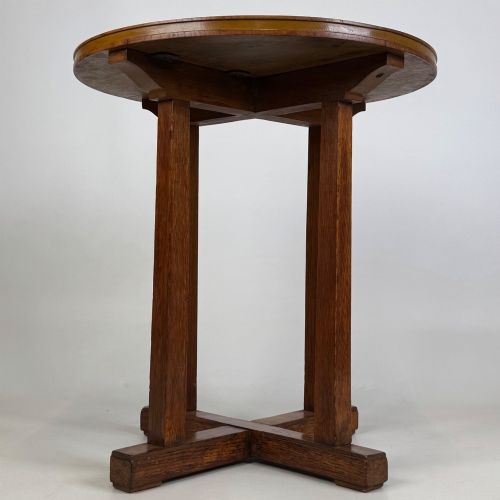
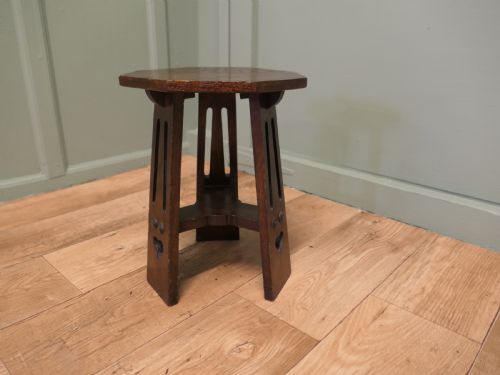
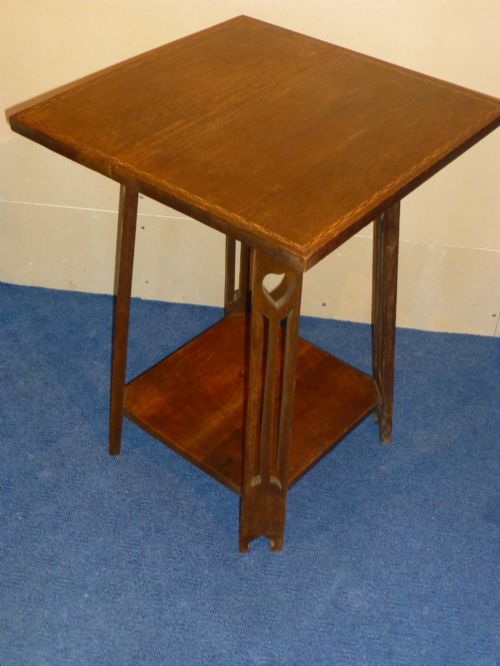
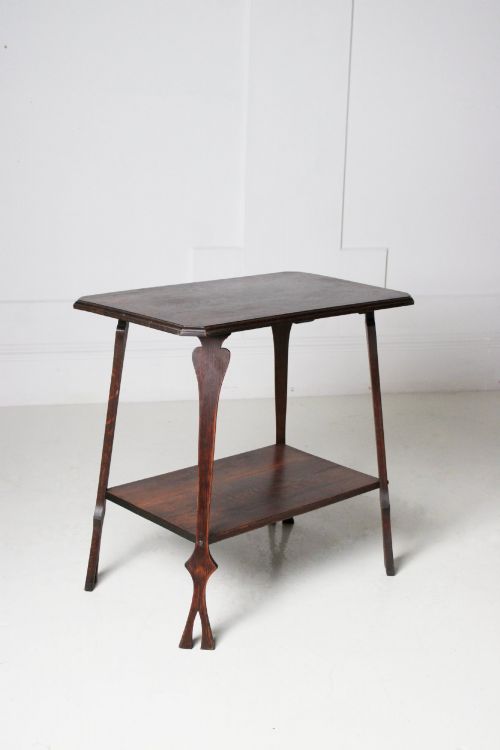
A craftsman accent table draws its character from the late nineteenth and early twentieth centuries, spanning the Edwardian era and the Arts and Crafts movement. Buyers looking at this page encounter smaller surface forms designed for specific domestic corners, including side tables, occasional tables, plant stands, console tables and cricket tables.
Octagonal and round tops dominate the selection, often supported by simple timber framing that highlights the grain. These pieces serve practical household needs as lamp tables, plant stands or coffee surfaces while keeping the straightforward aesthetic of the period.
How they were made
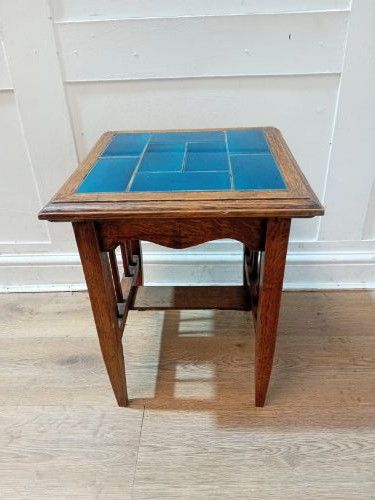
Makers built these tables primarily in oak, using sturdy timber frames suited to daily domestic demands. Workshops incorporated contrasting materials into the design, adding ceramic tiles or copper tops to provide durable, heat-resistant surfaces.
Detailing relied on craftsmanship rather than excessive ornamentation, utilising wood inlay and chequered patterns to break up plain timber expanses. Copper elements and ceramic tiles functioned both as decorative accents and practical working surfaces.
Craftsman Accent Table Retail Price Guide 2026
Typical asking prices for craftsman accent table among the pieces listed under this phrase on Sellingantiques today, from the lower quarter to the upper quarter. They describe what is for sale here now, not the wider market.
Every listed piece utilises oak, paired variously with ceramic tile, copper or wood inlay across the nineteenth and early twentieth centuries.
What varies in quality
Quality separates standard production from exceptional workshop output through the integration of specialised materials like hand-beaten copper inserts or decorative ceramic tiles. Tables featuring documented attribution to significant makers or retailers hold greater distinction.
The sophistication of the construction elevates certain pieces, particularly where complex inlays such as chequered patterns or refined octagonal geometries require skilled carpentry. Plain timber versions rely entirely on the quality of the oak grain and the proportion of the frame.
Liberty & Co.·William Birch·Baillie Scott
The Craftsman Accent Table Glossary
- Arts and Crafts
- A design movement valuing handcraft, honest construction and simple forms over industrial mass production. This style influences the structure and appearance of the timber tables found here.
- Occasional table
- A small, movable table designed to serve a temporary purpose in a room. These forms include plant stands, lamp tables and small coffee surfaces.
- Cricket table
- A small three-legged table with a round top, traditionally sturdy and stable on uneven floors. Versions in this selection feature timber frames and copper tops.
- Wood inlay
- Pieces of contrasting timber set into the surface of a table to create decorative patterns. Chequered designs represent a common application of this technique on period tables.
- Console table
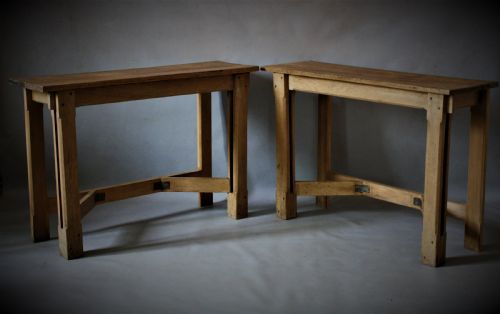
- A table designed to stand against a wall, often serving as a display surface in hallways or living spaces. These pieces maintain the solid oak construction typical of the movement.
Craftsman Accent Table: Frequently Asked Questions
What is a craftsman accent table used for?
These tables function as versatile surfaces in living spaces, hallways and corners. Owners use them to hold lamps, display houseplants or place cups beside seating.
Their compact scale allows them to fit easily beside armchairs or against walls where larger furniture would crowd the room.
How do I identify an Arts and Crafts table?
Look for solid oak construction, visible joinery and a general absence of fussy ornamentation. Many examples feature octagonal tops, ceramic tile inserts or copper surfaces.
Stylistic cues point directly to late nineteenth and early twentieth-century workshop traditions that prioritized utility and honest materials.
Are tile top tables practical for daily use?
Ceramic tile inserts provide a heat-resistant and moisture-resistant surface that handles potted plants, hot cups and lamps with ease. They protect the surrounding timber from rings and spills.
This practical feature made them popular for plant stands and smoking tables during the Edwardian period.
How do I care for antique oak furniture?
Maintain the timber by keeping it away from direct heat sources and sudden humidity changes that can dry out the wood. Dust regularly with a soft, dry cloth and apply natural wax occasionally to nourish the grain.
Avoid chemical polishes that build up residue and dull the surface over time.