

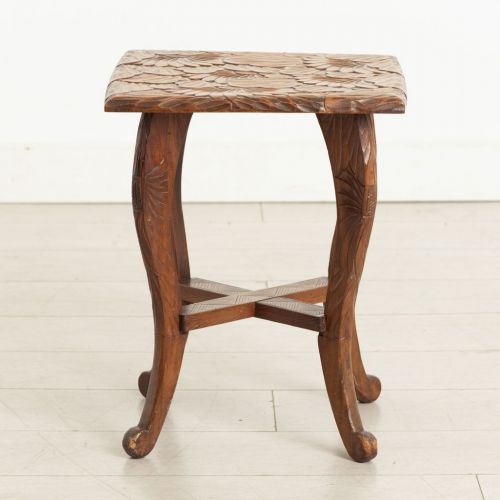
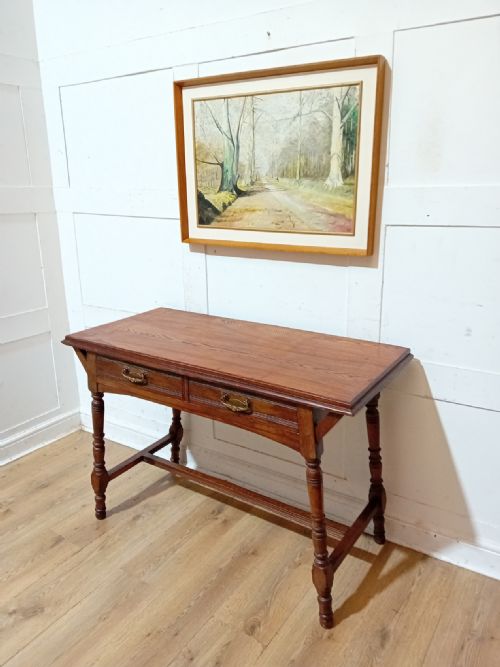


Liberty and Co Side Table
A liberty and co side table brings eclectic late-nineteenth and early-twentieth-century design into a room through distinctive regional influences and careful workshop craftsmanship.
Liberty and Co Side Table
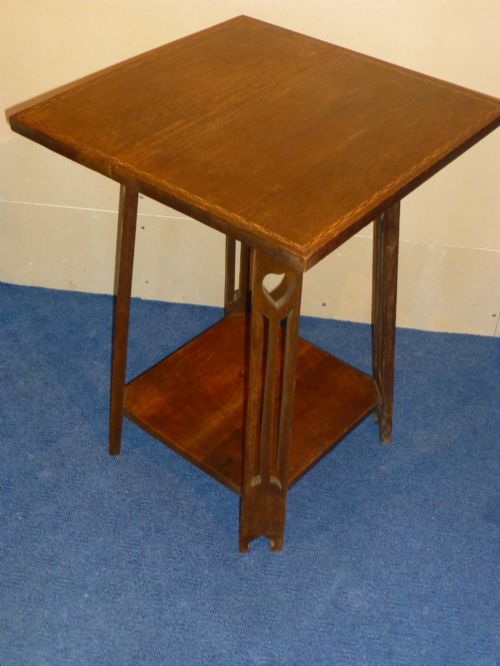
A liberty and co side table sits within the broader category of occasional tables, plant stands, and display pieces produced or retailed by the renowned London firm. Buyers seeking these items encounter a diverse range of forms, from simple utilitarian oak designs to intricately ornamented examples.
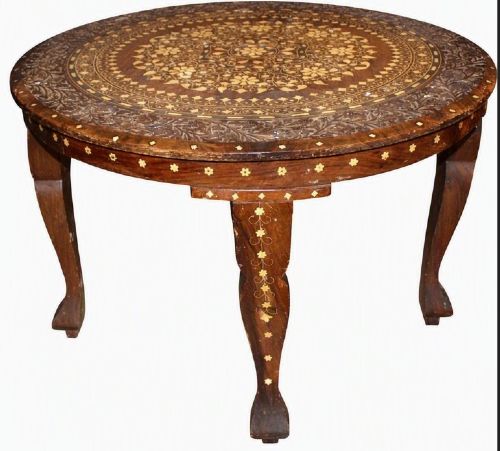
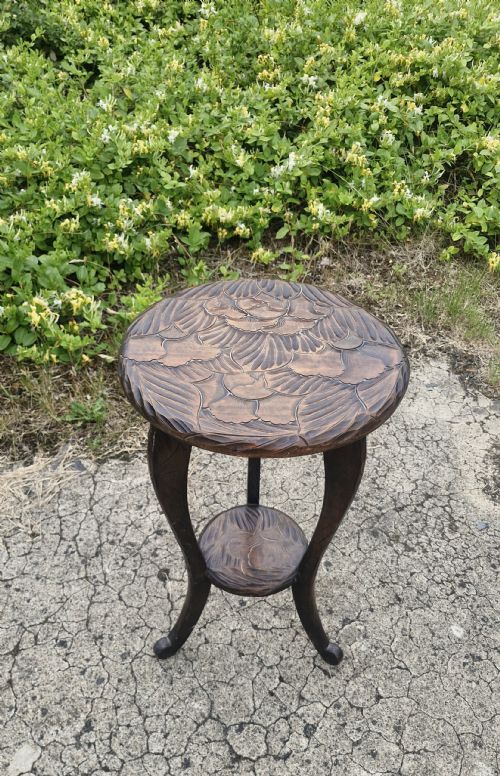
The selection reflects overlapping movements of the period, uniting British craftsmanship with global aesthetics. Pieces range from sturdy Arts and Crafts iterations to exotic Moorish Revival, Anglo-Indian, and Anglo-Japanese creations.
Octagonal, circular, and two-tier configurations dominate the offerings, serving practical needs as bedside surfaces, hall consoles, or corner stands. The variety mirrors the cosmopolitan taste promoted by the firm during the late nineteenth and early twentieth centuries.
How they were made
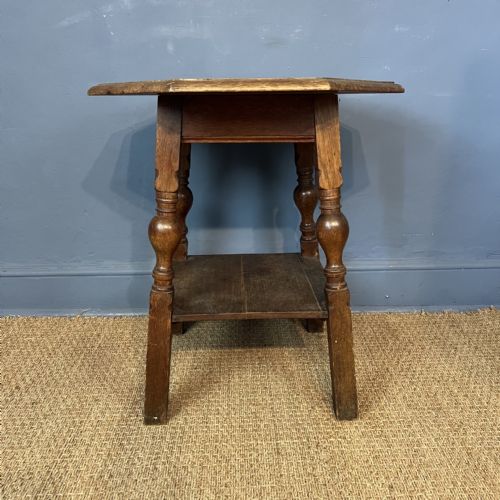
Makers utilised solid timbers including oak, ash, mahogany, and ebonised wood as structural foundations for these tables. Joinery techniques varied from traditional pegged joints in regional workshop pieces to complex frame construction for tiered and drop-flap variations.
Design influences range across Arts and Crafts, Moorish Revival, Anglo-Indian, and Anglo-Japanese styles.
What varies in quality
The distinction between standard commercial output and exceptional pieces rests upon the precision of the hand-carving and the complexity of inlaid details. Tables featuring intricate bone work or multi-wood marquetry demand higher technical skill than plain structural timber builds.
Provenance and attribution also influence standing, with marked or stamped pieces carrying documentary certainty. Variations in timber selection, from standard regional oak to imported exotic hardwoods, mark the divergence within the broader range.
Leonard Wyburd·William Birch
The Liberty and Co Side Table Glossary
- Arts and Crafts
- A design movement prioritising traditional craftsmanship, simple forms, and honest use of natural materials without excessive industrial ornamentation. It forms the basis of many plain oak tables produced during this era.
- Moorish Revival
- An architectural and decorative style incorporating Islamic design elements such as geometric lattice work, arches, and intricate surface carving. This aesthetic heavily influenced the octagonal smoking tables and folding stands of the period.
- Anglo-Indian
- A term describing British furniture forms produced in India or made in Britain using traditional Indian carving and inlay techniques. These pieces often feature dense floral relief work and contrasting bone inlay.
- Anglo-Japanese
- A style blending British furniture construction with Japanese artistic motifs, flat planes, and black lacquer or ebonised finishes. It reflects the rising nineteenth-century European fascination with imported Eastern design.
- Occasional table
- A small, movable table designed for specific, intermittent use within a room rather than permanent dining or writing. The category includes plant stands, display tiers, and corner tables.
Liberty and Co Side Table: Frequently Asked Questions
What periods do these tables span?
The pieces span from the late nineteenth century through to the early decades of the twentieth century. Production aligns with the height of the Aesthetic Movement and the subsequent rise of Arts and Crafts ideals.
Dating relies on stylistic shifts, timber choices, and specific construction methods associated with particular decades rather than strict temporal boundaries.
How do I identify a stamped piece?
Maker marks and retailer stamps typically appear on the underside of tabletops, along stretcher rails, or inside drawer linings where applicable. These impressions range from simple stamped lettering to paper labels used during the period.
Many genuine items remain unmarked due to attribution through distinct design characteristics, matching known catalogue illustrations, or association with specific workshop designers.
Where were these tables placed originally?
Victorian and Edwardian interiors utilised these compact surfaces in hallways, drawing rooms, and studies to hold lamps, plants, or decorative objects. Two-tier variations and plant stands maximised display space in smaller urban rooms.
Drop-flap tables and octagonal occasional pieces offered flexibility, easily moved to accommodate guests or shifting domestic arrangements.
How do I care for inlaid wood?
Inlaid surfaces require consistent indoor humidity levels to prevent the timber from expanding and causing bone or wood elements to lift. Gentle dusting with a dry cloth protects the delicate hand-carved recesses and contrasting marquetry.
Harsh chemical polishes should be avoided in favour of natural wax applied sparingly to nourish the aged hardwood finish.