




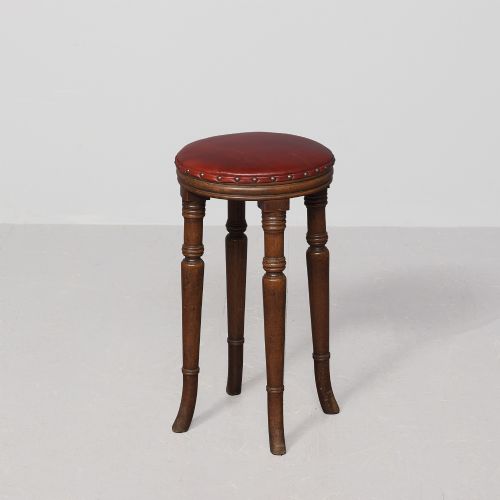


Leather Padded Stool
These leather padded stool examples are practical seating and footrests offering traditional craftsmanship and lasting materials for any room.
Leather Padded Stool
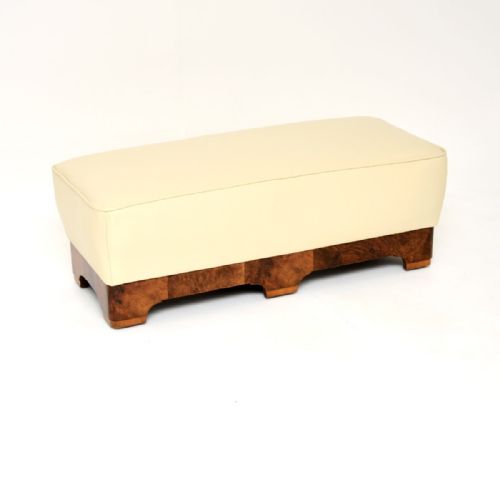
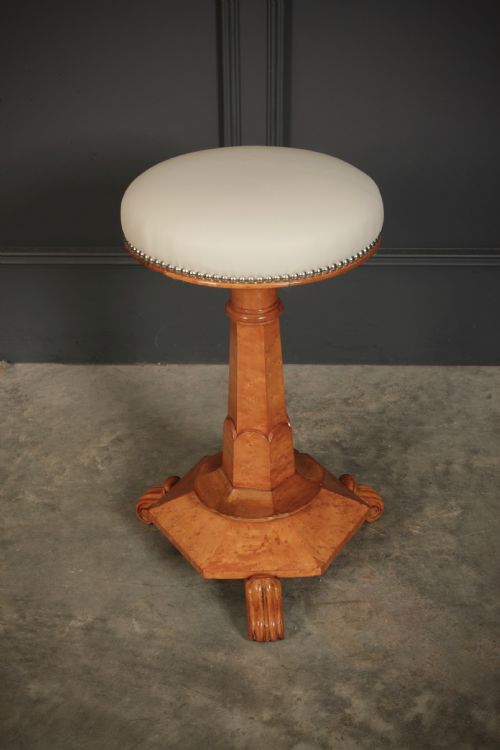
A leather padded stool is a versatile piece of antique seating found in various historical forms, from piano stools and dressing table seats to long footstools and ottomans. Buyers searching for a leather padded stool encounter diverse styles spanning Georgian, Victorian, Edwardian, and Art Deco periods.
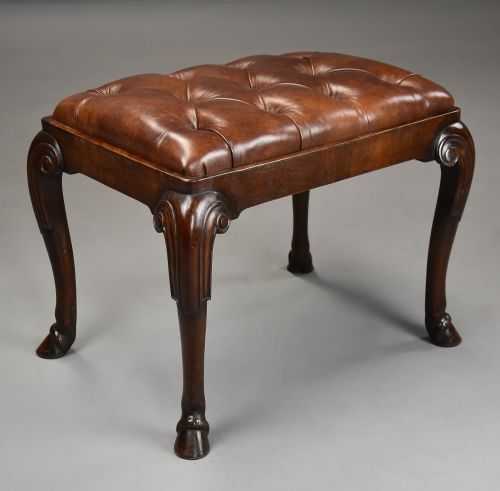
The selection ranges from compact cabriole leg designs to large country house centre stools and lidded box ottomans. These items served multiple domestic functions in period homes, functioning as piano seats, dressing table benches, and fireside footrests.
How they were made
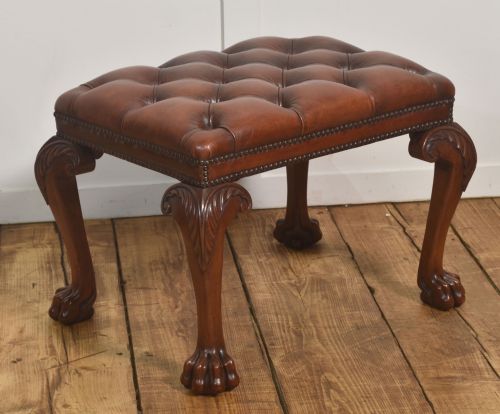
Cabinetmakers constructed the frames using hardwoods such as mahogany, walnut, oak, and burr walnut, occasionally employing yew wood, rosewood, or painted finishes. These timber frames frequently feature traditional joinery and carved details characteristic of specific historical revivals.
The upholstery technique combines a supportive padded cushion upholstered in leather, sometimes accented with buttoning or brass stud work. This leather surface provides durability while complementing the polished wooden frames beneath.
Leather Padded Stool Retail Price Guide 2026
Typical asking prices for leather padded stool among the pieces listed under this phrase on Sellingantiques today, from the lower quarter to the upper quarter. They describe what is for sale here now, not the wider market.
Listings feature periods from Georgian and Regency through Victorian, Edwardian, and Art Deco up to 1930.
What varies in quality
Quality in these pieces depends on the selection of timber and the refinement of the frame carving, such as shapely cabriole legs or fine serpentine rails. Dense hardwoods and well-figured veneers like burr walnut or mahogany elevate the character of a piece.
The execution of the leather upholstery and the integrity of the underlying frame construction further distinguish standard examples from finer specimens. Original period leather and careful hand-finishing contribute significantly to the standing of an individual stool.
The Leather Padded Stool Glossary
- Cabriole leg
- A furniture leg that curves outward at the knee and tapers inward to an ankle, typical of Queen Anne and related revival styles. This form adds graceful movement to the silhouette of a stool.
- Ottoman
- A low upholstered seat or footstool often featuring internal storage space or a hinged lid. These pieces were designed for resting feet or sitting comfortably in reception rooms.
- Joint stool
- An early form of wooden stool constructed with mortise and tenon joints using pegs rather than glue. They date back to the sixteenth and seventeenth centuries and served as sturdy everyday seating.
- Canterbury
- A low stand or stool traditionally fitted with partitions for holding sheet music or books. In seating forms, this often incorporates compartments beneath the upholstered top.
- Serpentine
- A curved line or edge that waves inward and outward in a continuous flowing motion, commonly seen on Georgian cabinet furniture and stool rails.
Leather Padded Stool: Frequently Asked Questions
Where were leather padded stools used in the home?
These stools served versatile roles in period interiors, appearing beside pianos, at dressing tables, or near fireplaces as footrests. Larger examples functioned as centre pieces or window seats in principal rooms.
Their practical design allowed them to move easily between spaces depending on domestic requirements for seating or foot support.
How do I identify a Victorian stool?
Victorian examples often feature dense walnut or mahogany frames with substantial turnings, cabriole legs, or buttoned leather upholstery. Cabinetmakers of this era frequently produced specialist forms like piano stools and long footstools.
Examining the timber and construction methods helps distinguish mid-nineteenth-century work from later Edwardian or revival pieces.
What is an Edwardian stool like?
Edwardian versions often display lighter proportions, utilising mahogany or oak alongside tan leather upholstery for refined everyday use. These pieces frequently took the form of piano stools or compact dressing table seats.
The style reflects a continued interest in earlier Georgian and Chippendale aesthetics adapted for twentieth-century homes.
How do I care for antique leather?
Antique leather benefits from gentle cleaning and occasional conditioning to maintain its flexibility and prevent the surface from drying out. Keeping the material away from direct sunlight and excessive heat preserves its natural tone.
Regular light dusting helps maintain the finish without disturbing the historical patina accumulated over generations.