




Leather Hearth Bench
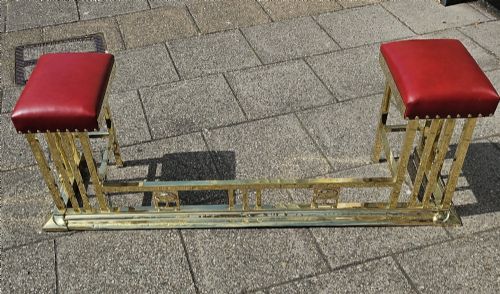
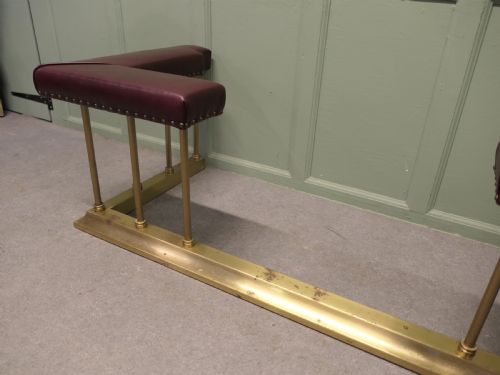
A leather hearth bench brings grounded seating and metallic warmth directly to the fireplace, combining sturdy frames with padded tops.
Leather Hearth Bench
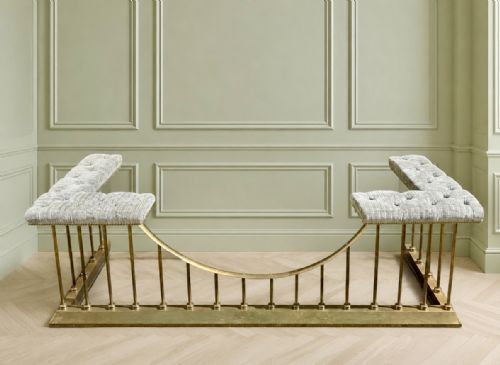
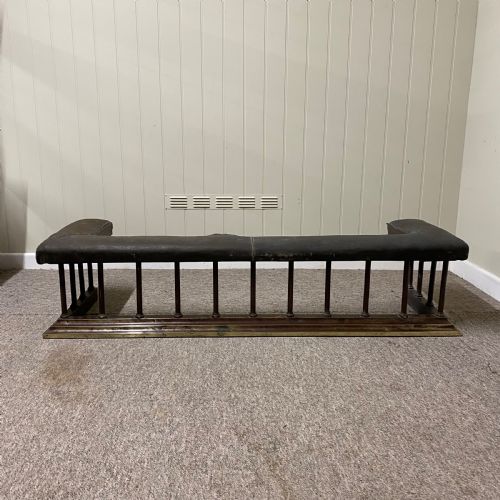
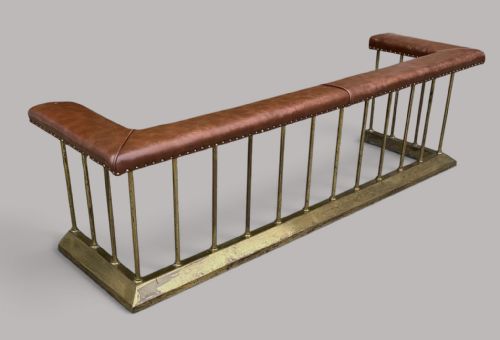
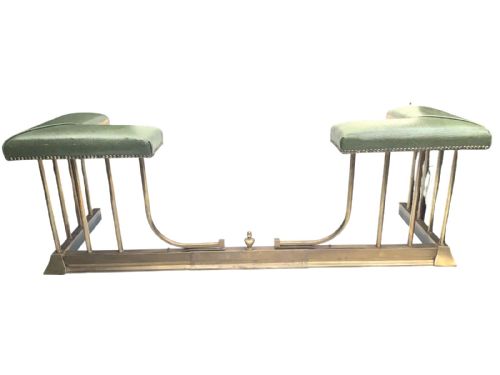
A leather hearth bench most commonly takes the form of a club fender, placing low padded seats around the perimeter of an open fireplace. These pieces emerge predominantly from the Victorian and Edwardian eras, spanning the nineteenth and early twentieth centuries.
Makers construct these surrounds using brass, steel, wrought iron, or oak, pairing the metal or wooden framework with buttoned or plain leather upholstery. The resulting low stools and fenders offer fireside seating while protecting the room from sparks.
Alongside dedicated club fenders, the selection includes long footstools and fireside benches utilising walnut, copper, and cast iron. Traditional English and Art Deco styles appear frequently, ranging from heavy cast steel frames to dainty brass configurations.
Materials and construction methods
Artisans build the structural framework of a leather hearth bench using forged metals like brass, steel, iron, and wrought iron, occasionally incorporating timber bases in oak or walnut. These robust materials support continuous use directly in front of open hearths.
The top surfaces feature leather upholstery, frequently styled in the manner of Chesterfield seating with deep buttoning and padded edges. Metal components are often polished, while iron and steel frames display the textures of nineteenth and early twentieth-century metalworking.
Leather Hearth Bench Retail Price Guide 2026
Typical asking prices for leather hearth bench among the pieces listed under this phrase on Sellingantiques today, from the lower quarter to the upper quarter. They describe what is for sale here now, not the wider market.
One exceptional piece carries a provenance straight from London's famous In & Out Club.
Distinctions in quality and execution
Quality reveals itself in the weight and solidity of the metal framework, where heavy cast brass or substantial steel outlasts lighter assemblies. The calibre of the metalwork determines how well the structure withstands heat and physical use near the fireplace.
Upholstery standards separate basic seating from superior examples, with dense padding and carefully fitted leather enhancing durability and comfort. The integration of the leather top with the underlying metal or wooden base defines the overall execution.
The Leather Hearth Bench Glossary
- Club fender
- A low fireside seat built around an open hearth, featuring upholstered top rails supported by metal spindles or solid frames. These pieces provide functional seating close to the fire.
- Chesterfield seat
- An upholstered cushion style characterised by deep button tufting and padded rolls. This traditional finish appears frequently on nineteenth-century hearth seating.
- Gothic Revival
- An architectural and decorative style drawing inspiration from medieval design, visible in pointed arches and decorative ironwork. Pieces from this movement often display elaborate metal framing.
- Wrought iron
- Iron beaten into shape by hand, resulting in textured surfaces and strong structural components. This material underpins many decorative nineteenth-century hearth accessories.
Leather Hearth Bench: Frequently Asked Questions
What is a leather hearth bench used for?
A leather hearth bench serves as a low seat positioned directly around an open fireplace. It allows people to sit close to the fire for warmth while providing a physical barrier between the hearth and the room.
These pieces also function as decorative anchors for the fireplace, combining metal framework with cushioned leather surfaces to coordinate with period interior schemes.
How do I date a club fender?
Dating relies on examining the primary materials, construction techniques, and stylistic markers present in the frame. Nineteenth-century examples often utilise heavy cast brass or substantial steel, while Edwardian pieces introduce refined polished brass.
Art Deco variations from the early twentieth century bring distinct geometric influences and lighter proportions. Comparing the metalworking style and upholstery details helps narrow the period of origin.
Are these benches comfortable to sit on?
The upholstered top rails provide padded seating designed for short periods near the fire. Many feature deep buttoning and cushioned edges inherited from traditional Chesterfield upholstery designs.
Because these benches sit low to the ground around the hearth, they offer a relaxed, informal seating position rather than formal dining support.
Can these fit any fireplace?
Club fenders and hearth benches come in various dimensions, with some featuring adjustable extender sections to alter the overall width. Measuring the hearth area carefully ensures the metal frame clears the fire surround properly.
Selecting the correct proportions prevents the piece from obstructing hearth access while maintaining adequate clearance from direct heat.