


Leather Dressing Box
A leather dressing box brings order to travel and daily grooming, holding precious personal items in fitted compartments designed for the road.
Leather Dressing Box
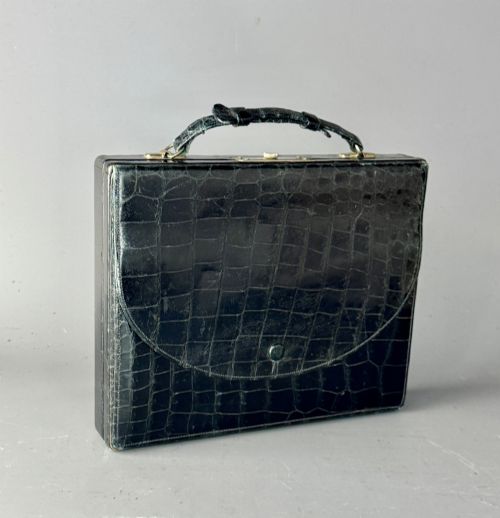
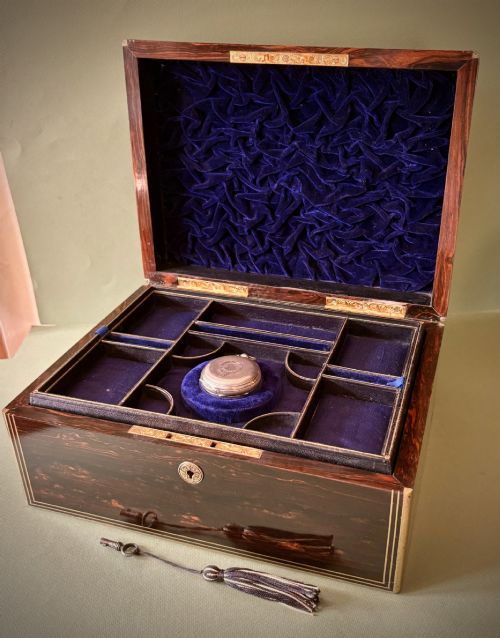
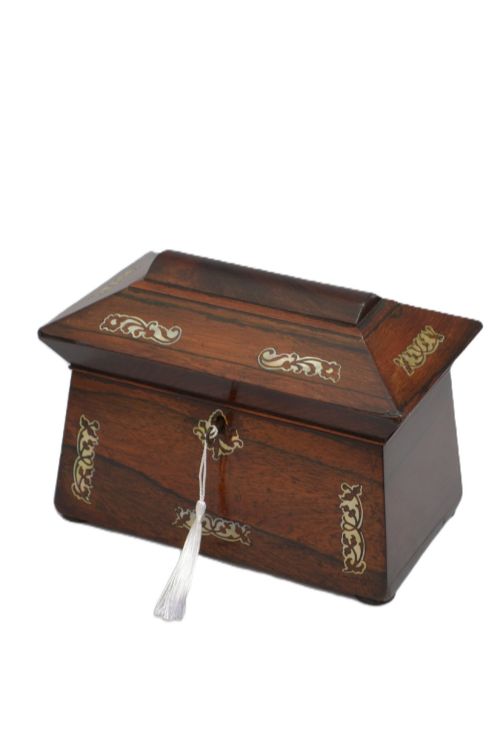
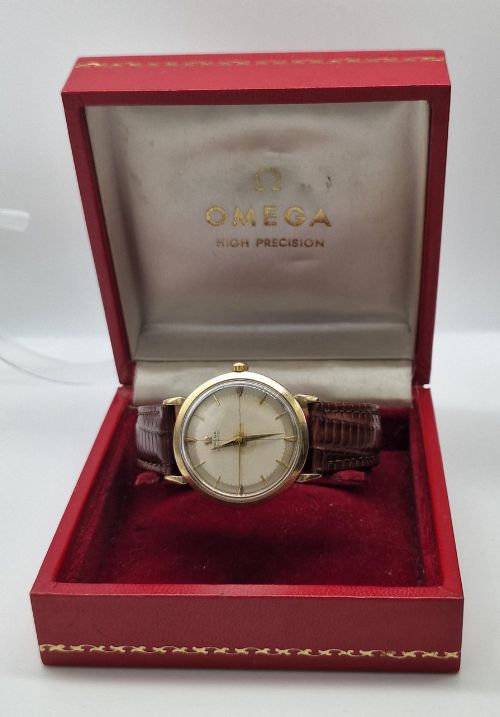
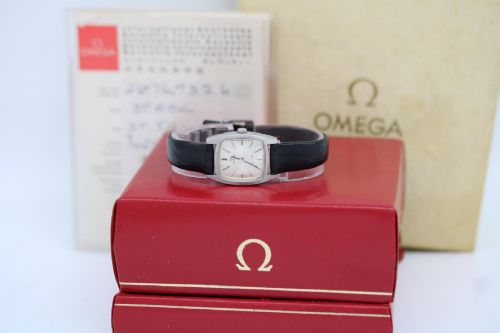
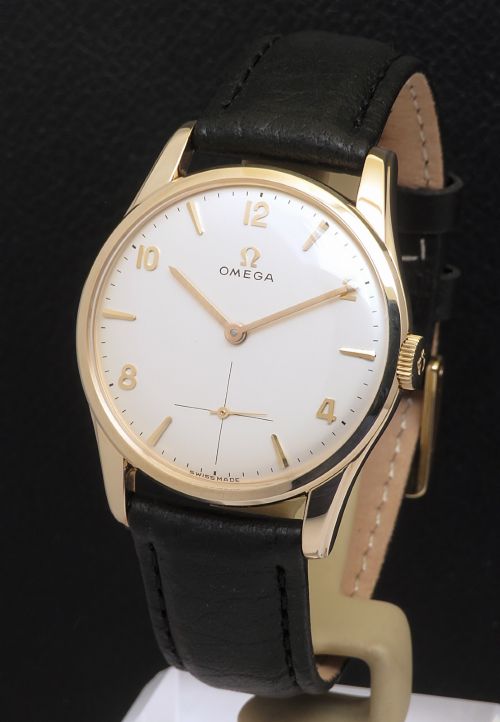
A leather dressing box serves as a portable container for personal accessories, grooming tools, and jewellery, appearing in forms ranging from compact caskets to fully fitted vanity cases. When searching for a leather dressing box, buyers encounter examples spanning the Regency, Victorian, Edwardian, and mid-century periods, alongside specialised variants housing watches, scent bottles, and writing slopes.
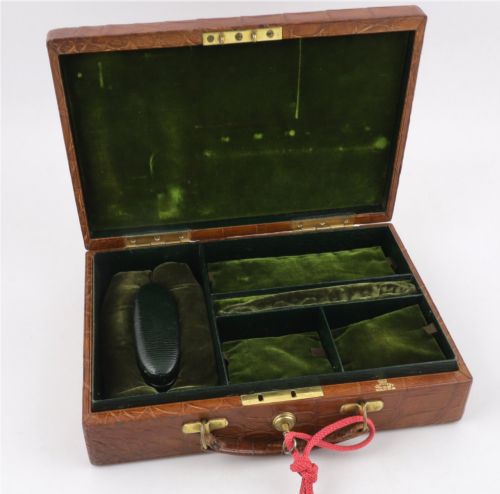
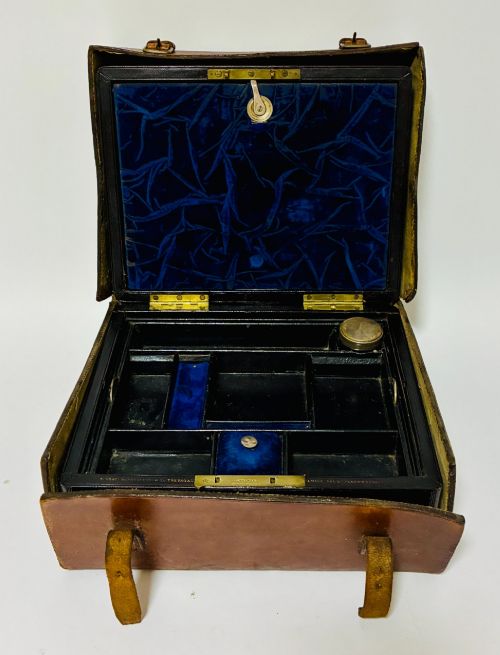
The objects take many shapes, including rectangular boxes, dome-topped caskets, and structured gentleman's valet suitcases. Interior fittings often include velvet linings, glass bottles, and compartments tailored for specific implements, reflecting the travel habits of past centuries.
How They Were Made
Construction relies heavily on robust wood carcasses wrapped in leather, crocodile leather, or pig's skin, often secured with brass or gilt-brass mounts and locks. Interiors incorporate materials such as velvet, silk, and wood to protect the contents during travel.
Current selections span Victorian, Regency, and Interwar periods, utilising leather, crocodile skin, brass, and cut glass across various box forms.
What Varies in Quality
Quality rests upon the integrity of the fitted interior, the survival of original components such as glass bottles and silver fittings, and the condition of the leather skin. Fully fitted examples retain a higher degree of their original purpose compared to stripped shells.
The execution of fine details, including engraved brass mounts, crisp tooled leather work, and robust lock mechanisms, distinguishes standard utility cases from superior bespoke items made for affluent travellers.
Dunhill London·J C Vickery·F. West
The Leather Dressing Box Glossary
- Dressing case
- A large portable box containing fitted compartments for grooming items, bottles, and personal accessories. These pieces often include travel mirrors and specialised trays.
- Vanity case
- A compact container designed to hold cosmetics, small jewellery items, and grooming tools. These objects became particularly popular during the Art Deco and mid-century periods.
- Writing slope
- A hinged box that opens to form an inclined writing surface while storing paper and inkwells inside. Some examples combine this function with jewellery storage.
- Valet suitcase
- A structured piece of luggage equipped with internal partitions for clothing and gentleman's accessories. These items date predominantly to the early twentieth century.
- Silver-gilt
- Silver that has been coated with a thin layer of gold on its surface. This technique appears frequently on internal scent bottle caps and grooming implements.
Leather Dressing Box: Frequently Asked Questions
What fits inside a leather dressing box?
These boxes accommodate a variety of personal effects, depending on their original purpose. Interiors frequently hold jewellery, wristwatches, scent bottles, and small grooming tools within dedicated compartments.
Larger travel cases incorporate spaces for vanity items and writing materials. Each fitted section secures specific objects for transport.
How do I date a leather dressing box?
Dating relies on stylistic clues, construction methods, and materials. Regency and Victorian examples often feature heavy brass mounts, flame mahogany frames, and elaborate tooled leather.
Later twentieth-century versions display Art Deco geometric lines or mid-century minimalism. Original contents and maker marks also help narrow the timeframe.
How should I clean the leather exterior?
Careful maintenance preserves the aged surface of antique leather. Light dusting with a soft dry cloth removes surface particles without disturbing the original finish.
Harsh chemical cleaners and excessive moisture damage historic leather and brass mounts. Specialised leather balms help maintain suppleness when applied sparingly.
Were these boxes meant for travel?
Many examples served as portable luggage for wealthy travellers navigating by train, carriage, or steamship. Robust construction and secure locks protected delicate glass and silver during transit.
Other variants remained stationary on dressing tables in domestic bedrooms. Both portable and stationary formats share fitted internal architecture.