


Leaded Stained Glass Panel
A leaded stained glass panel brings coloured light and intricate hand-painted detail into a room through traditional lead cames and glass.
Leaded Stained Glass Panel
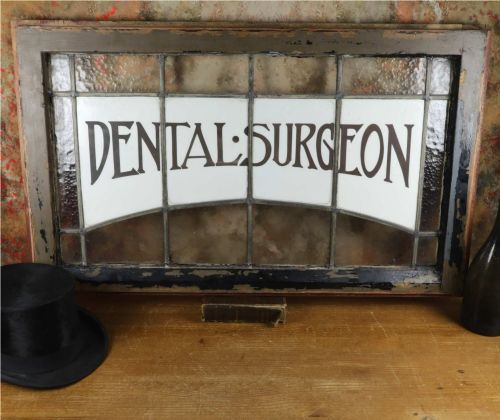
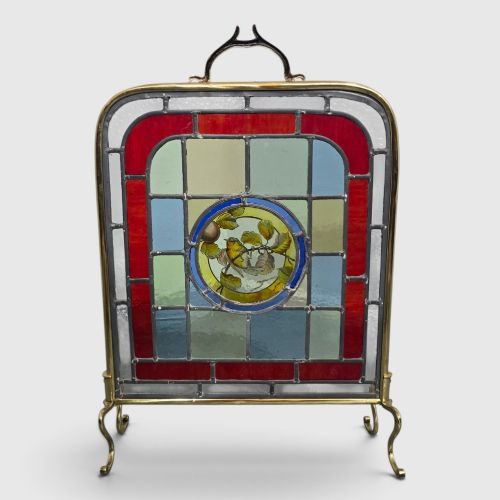
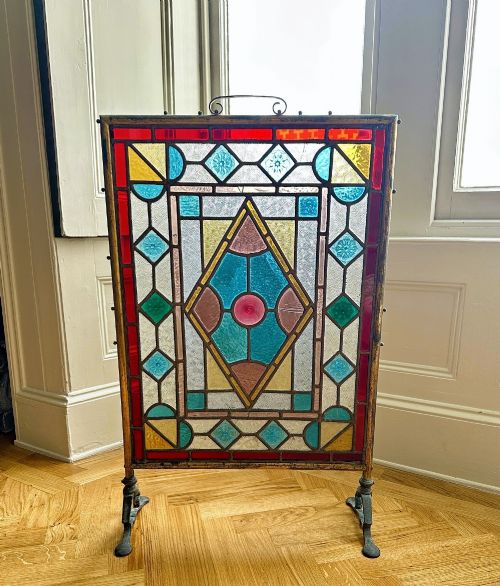
A leaded stained glass panel is a decorative architectural element composed of individual pieces of coloured or clear glass held together by lead cames. These items appear across various periods from the nineteenth century through to the early twentieth century, taking forms such as standalone window panels, firescreens, and architectural salvage.
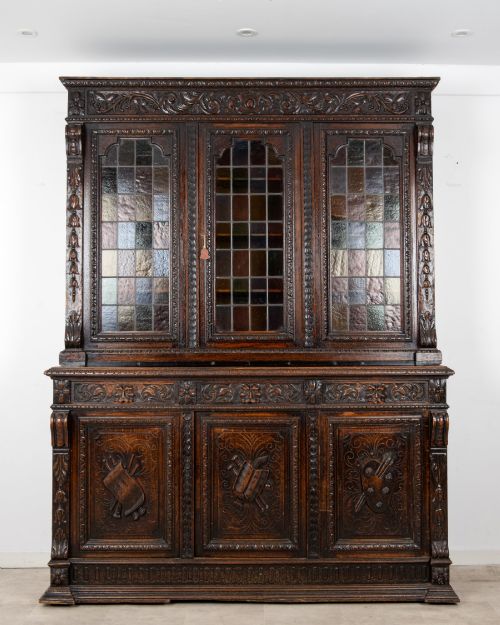
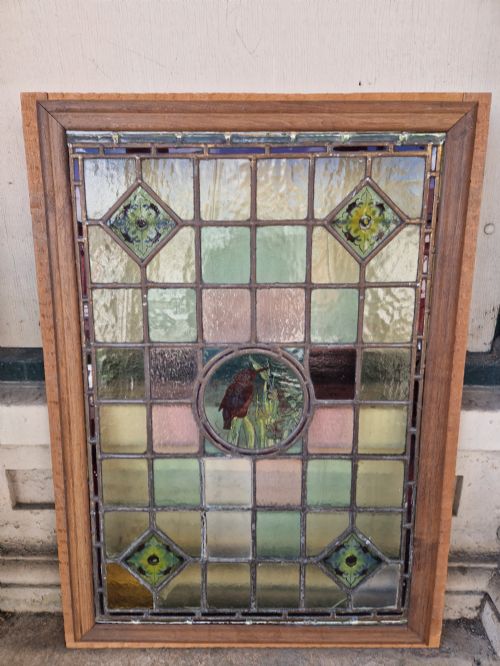
The pieces often feature hand-painted pictorial designs ranging from pastoral countryside scenes and floral motifs to specific emblems, birds, and historical figures. Buyers encounter domestic windows from Edwardian and Victorian houses alongside items integrated into larger furniture such as bookcases and cabinets.
Originating from periods spanning the Victorian era, Edwardian years, and early decades of the twentieth century, these panels reflect prevailing aesthetic movements including Arts and Crafts, Gothic Revival, and Art Nouveau.
How they were made
Construction relies on joining cut pieces of glass with flexible lead cames, soldered at the joints to form a rigid structural matrix. Artisans frequently applied enamel paint directly to the glass surface, firing the pigment to bond it permanently before assembly.
Timber frames in pine, oak, and other woods occasionally surround the glass panels, while some freestanding items incorporate brass or iron stands for support. Bullseyes and textured glass elements appear alongside smooth painted sections to vary light transmission and visual depth.
Several panels depict charmingly specific scenes, including a Dutch boy and girl, an armoured knight, and a solitary bird on a branch.
What varies in quality
The fineness of the hand-painted detail separates standard architectural glazing from superior artistic work. Panels featuring complex pictorial narratives, such as detailed figures or landscapes, demonstrate greater skill than repeating geometric patterns.
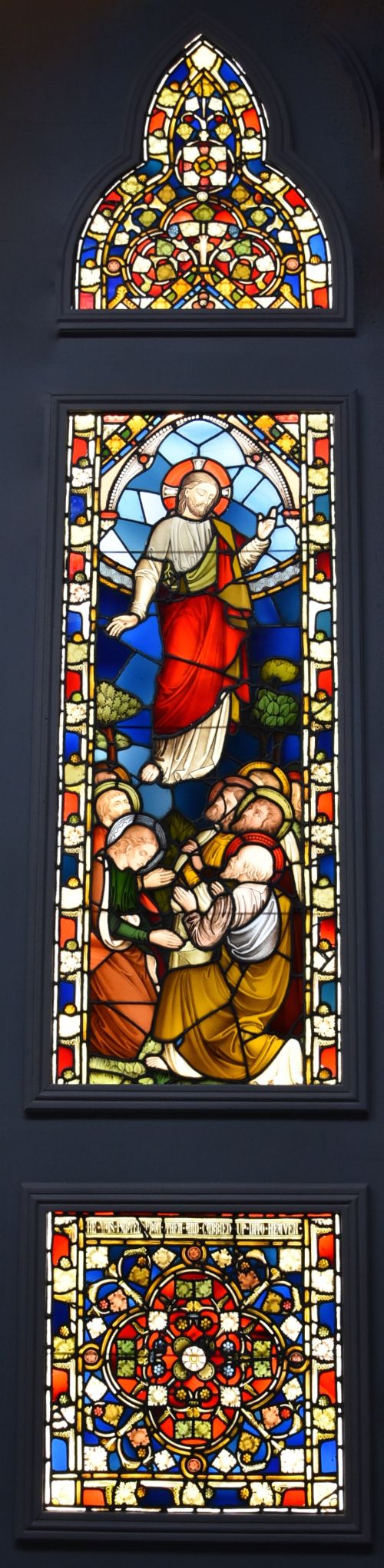
The integrity of the lead network and the quality of the glass itself determine the durability and visual resonance of the piece. Artisanal precision in cutting and soldering the lead cames ensures structural stability across large triptychs and church windows.
Sir Edward Burne Jones·Swaine Bourne Birmingham
The Leaded Stained Glass Panel Glossary
- Came
- A slender strip of lead, milled with a grooved profile, used to hold individual pieces of glass together in a window panel.
- Bullseye
- A small, circular disc of glass featuring a central thickening point formed during manual blowing, often incorporated into domestic windows for texture.
- Architectural salvage
- Building elements removed from older structures and preserved for decorative reuse in interior design.
- Triptych
- A composite artwork or window split into three hinged or fixed panels sharing a unified decorative theme.
- Enamel paint
- A vitreous pigment applied to the glass surface and heated in a kiln to fuse permanently with the material.
Leaded Stained Glass Panel: Frequently Asked Questions
How do I hang a glass panel?
Most panels require secure fixing within a wooden window frame or custom metal brackets to support the weight of the lead and glass structure. Hanging them directly against a pre-existing window allows natural daylight to illuminate the colours.
Alternatively, interior placement benefits from custom backlighting boxes using artificial light sources to replicate daylight effect in rooms without exterior windows.
Are these panels from churches?
While some examples originate from ecclesiastical settings like Victorian and Gothic Revival church windows, many items served domestic functions in houses, shops, and offices. Residential panels often depict floral motifs, domestic animals, or pastoral scenes rather than religious iconography.
Architectural salvage sources both domestic and ecclesiastical pieces, meaning provenance varies considerably across individual items.
How are different periods identified?
Stylistic indicators help date the panels, with Gothic Revival and heavy ornamentation pointing to the nineteenth century and Victorian periods. Arts and Crafts and Edwardian examples often feature stylised natural forms, birds on branches, or simpler geometric arrangements.
Materials such as pine frames or specific brass stands also provide contextual clues regarding the decade of manufacture, ranging from eighteen eighty through to nineteen thirty.
Can these panels be used outdoors?
Traditional leaded panels were primarily designed for interior architectural settings or protected exterior window frames where exposure to extreme weather was managed. Placing delicate hand-painted glass directly outdoors subjects the lead cames and enamel paint to environmental degradation.
Interior display remains the standard method for preserving the structural integrity and surface decoration of antique glass.