

Lead Glass Stem
These lead glass stem pieces are drinking vessels and tablewares shaped by eighteenth-century and later hands, prized for their clarity and tactile weight.
Lead Glass Stem
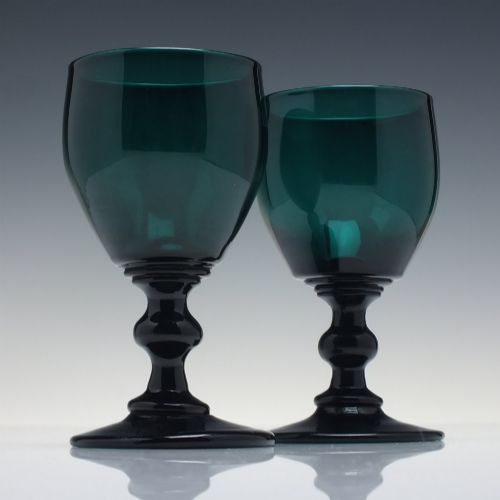
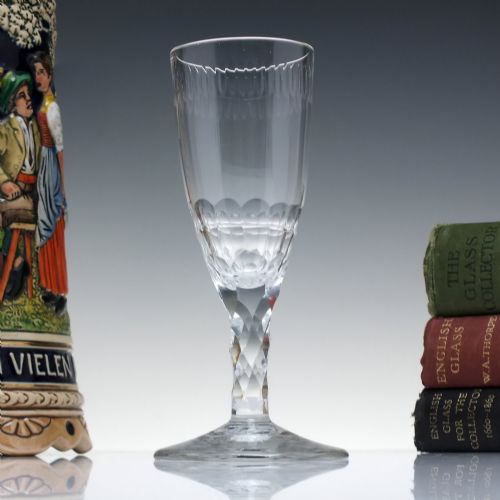
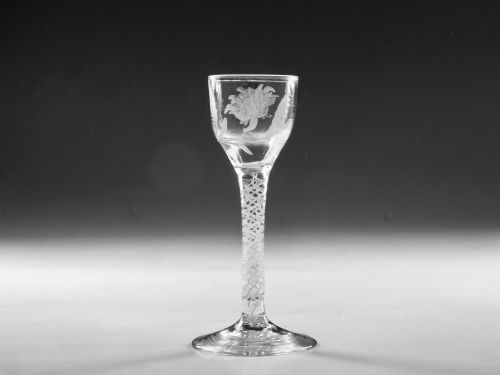
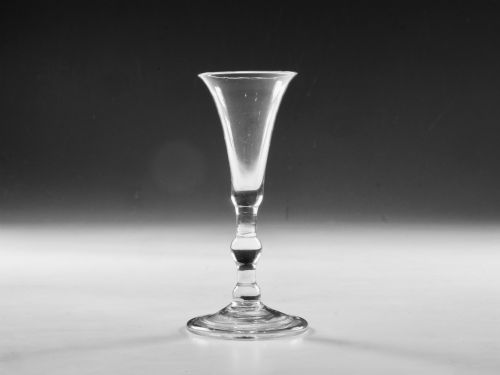
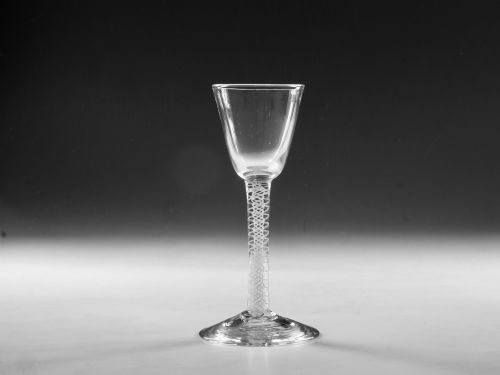
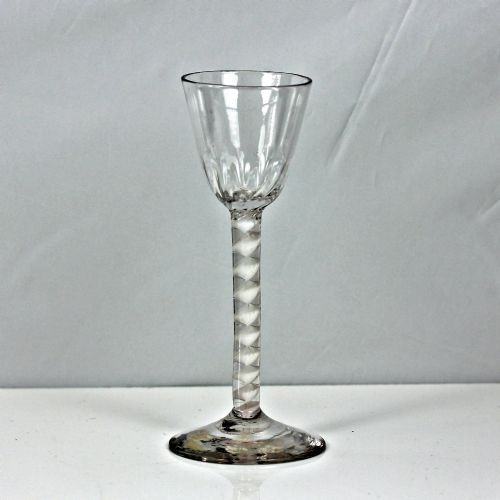
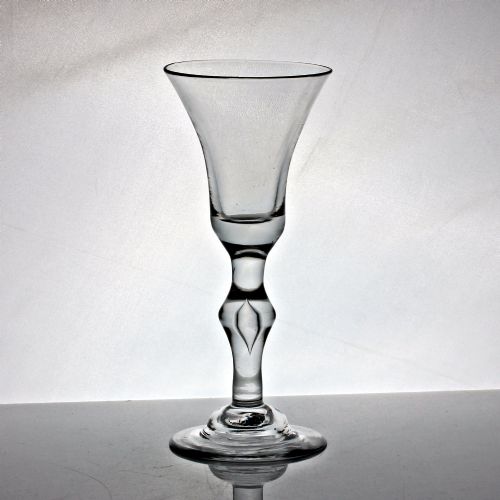
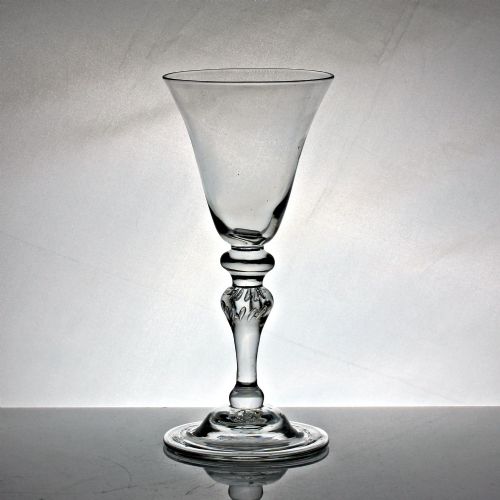
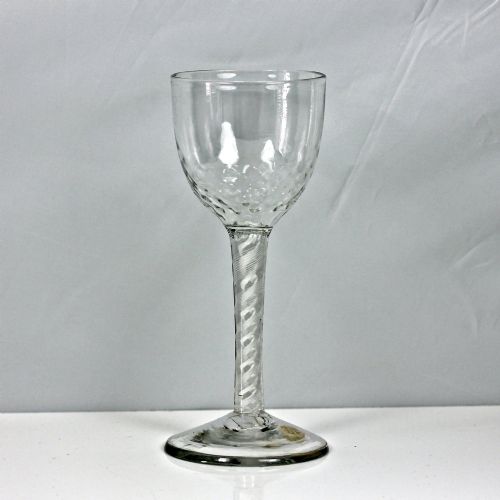
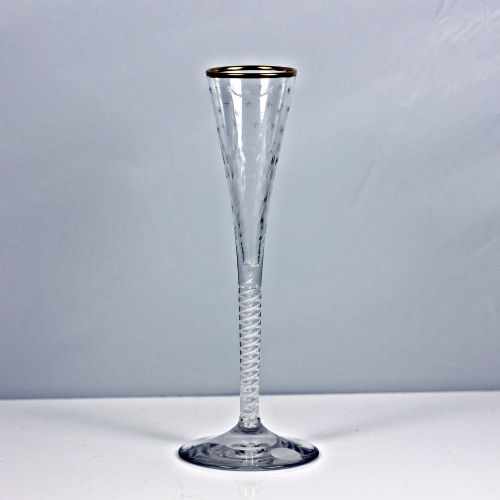
When you search for lead glass stem items, you encounter drinking vessels and tableware spanning the eighteenth century, the Victorian era, and later revivals. The selection on this page consists predominantly of Georgian wine glasses, ales, goblets, and ruffmers featuring distinctive stems.
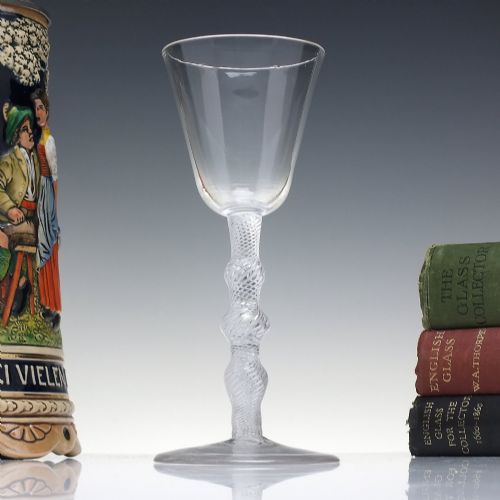
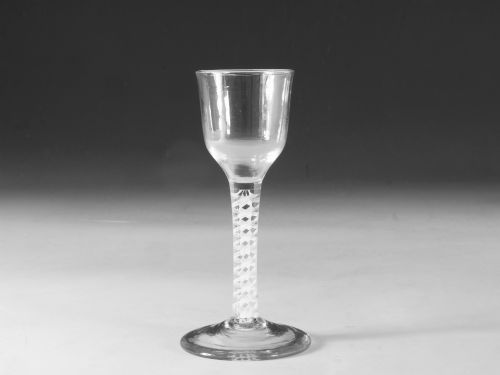
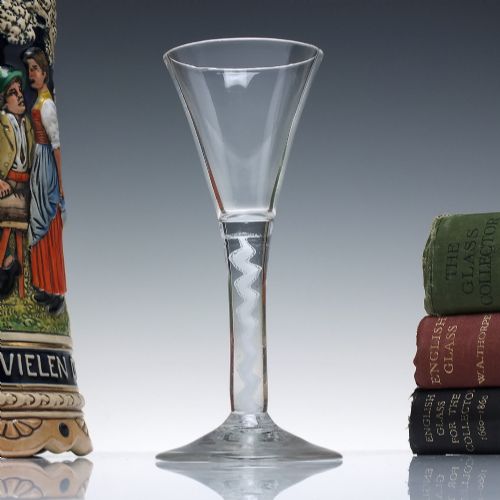
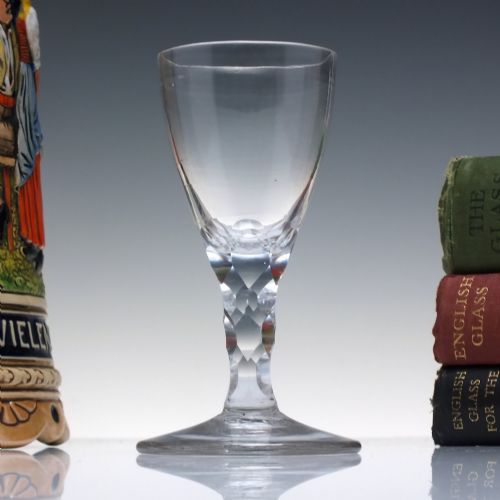
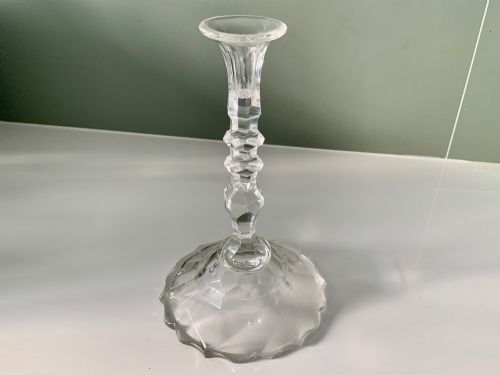
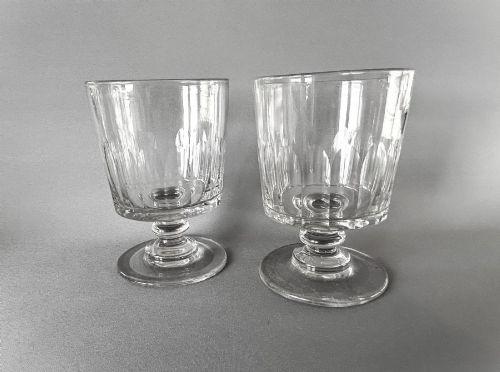
Forms range from simple plain stems to complex balusters, air twists, and opaque twists supporting bell, ogee, or trumpet bowls. You also find larger table pieces such as rummers, tazzas, and centrepiece bowls sitting on sturdy foot bases.
How they were made
These items rely on lead glass, clear glass, flint glass, and lead crystal, which allowed makers to achieve high refractive brilliance and substantial weight. Artisans shaped bowls by blowing while pulling or forming stems separately before hot-joining them to folded or domed feet.
Decoration involved wheel engraving, facet cutting, and applying white enamel or air bubbles trapped within the molten metal during the twist-forming process.
Lead Glass Stem Retail Price Guide 2026
Typical asking prices for lead glass stem among the pieces listed under this phrase on Sellingantiques today, from the lower quarter to the upper quarter. They describe what is for sale here now, not the wider market.
Materials recorded across these items include lead glass, clear glass, flint glass, lead crystal, and white enamel.
What varies in quality
Quality rests in the proportional harmony between the bowl, stem, and foot, alongside the crispness of any engraved or faceted detail. Superior examples display clean metal free from heavy inclusions, paired with steady balance and well-formed twists.
The sophistication of the internal twist formation - whether single, double, or mixed series - and the stability of the domed or folded foot distinguish finer workshop production from standard domestic output.
The Lead Glass Stem Glossary
- Air twist
- A stem containing elongated spiral air bubbles formed by drawing and twisting molten glass. This technique creates a delicate internal pattern visible through the transparent lead metal.
- Opaque twist
- A stem enclosing white enamel threads twisted into spiral patterns inside the clear glass. These threads are pulled from rods inserted during the manufacturing process.
- Baluster
- A heavy, swelling stem shape derived from architectural supports, often featuring knops or nodes. It represents an early style of Georgian drinking vessel support.
- Folded foot
- A base edge turned underneath to create a thickened rim for added strength and stability. This feature appears frequently on eighteenth-century drinking glasses.
- Ogee
- A bell-shaped bowl with an 'S' curve profile curving outward at the rim. It offers a comfortable lip shape for drinking.
- Tazza
- A shallow ornamental chalice or pedestal plate used for serving sweetmeats or fruit. These stand on a central foot or stem.
Lead Glass Stem: Frequently Asked Questions
How do I identify a genuine period piece?
Examine the foot for pontil marks and wear consistent with age, alongside the weight and clarity of the lead glass material. Handle proportion and traditional tool marks provide strong indicators of period manufacture.
Compare the stem construction methods and bowl forms against established typologies for eighteenth-century and nineteenth-century glass production.
Were these glasses used for daily dining?
Many eighteenth-century wine glasses and rammers served functional roles at dining tables and taverns for toasting and social drinking. Wealthy households utilised them for wine, ale, and sweetmeats.
Fragile items such as tall flutes and ratafia glasses saw more specialised use during formal toasts and dessert courses.
How should I clean and display them?
Wash lead glass stemware by hand in warm water using mild soap, avoiding harsh scrubbing and sudden temperature changes. Dry them immediately with a lint-free cloth to maintain clarity.
Display them on stable surfaces away from direct vibration and strong sunlight to protect the historical material.
What is the difference between air twist and opaque twist stems?
Air twists contain spiralling pockets of air trapped within the clear metal, creating a subtle internal texture. Opaque twists incorporate solid white enamel rods drawn into bright white threads.
Both techniques emerged during the eighteenth century to decorate plain stem profiles and catch the candlelight on dining tables.