




Late Victorian Wooden Seat
A late victorian wooden seat brings solid craft and honest period character straight into a room, offering practical use alongside enduring style.
Late Victorian Wooden Seat
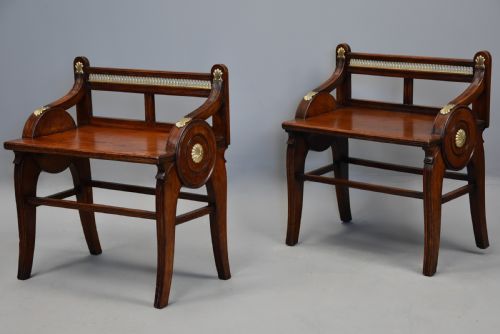
When you search for a late victorian wooden seat, you encounter a diverse selection of furniture spanning armchairs, benches, dining chairs, and stools. These pieces originate from the late nineteenth century, capturing the transition from traditional craftsmanship toward distinct stylistic movements like Arts and Crafts and the Aesthetic Movement.
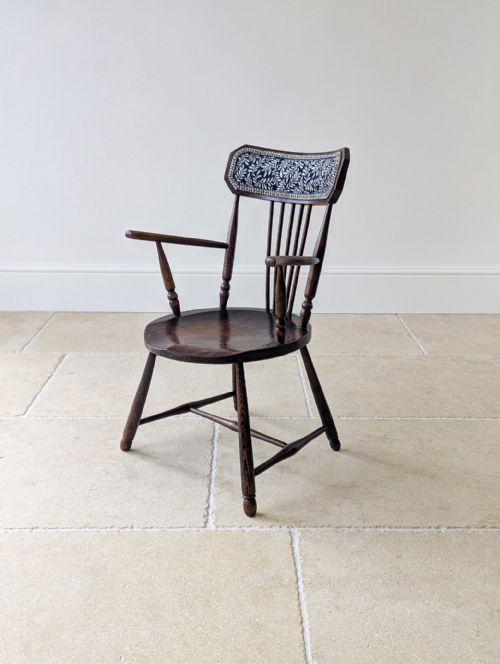
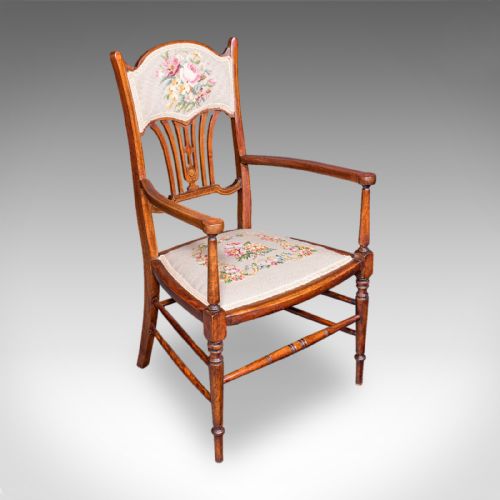
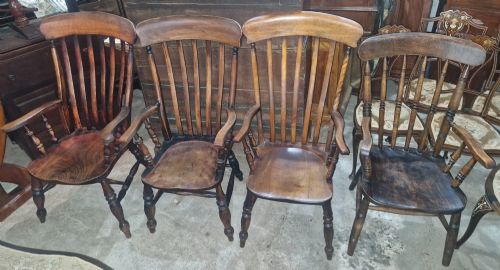
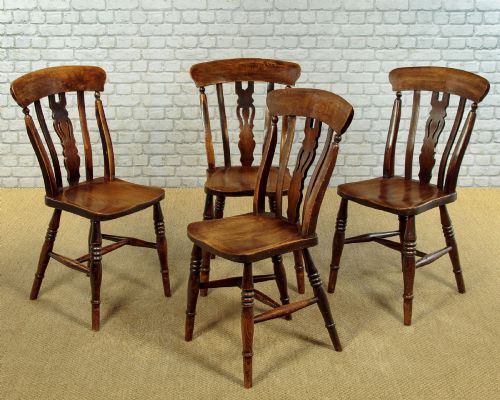
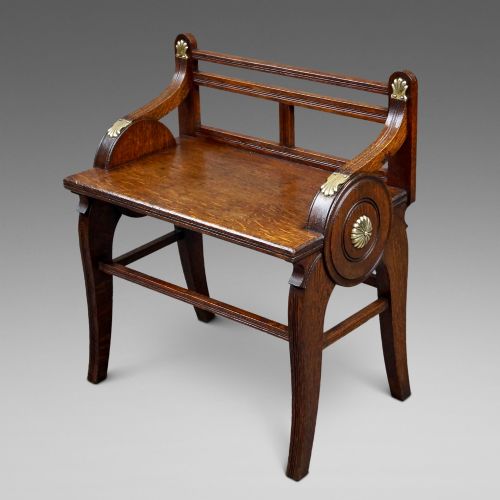
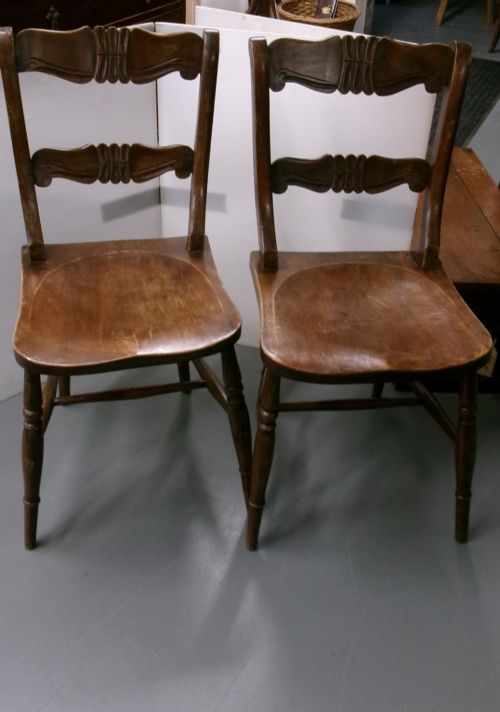
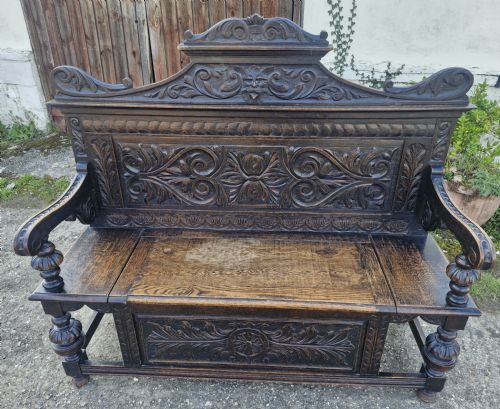
The versions you are most likely to meet on this page include sturdy kitchen armchairs, robust elm and beech Windsor chairs, carved oak hall benches, and office desk chairs. Makers utilised a variety of native and exotic woods to construct forms that served both utilitarian domestic roles and formal reception areas.
The selection reflects both everyday domestic utility and decorative ambition, ranging from simple farmhouse seating to elaborate inlaid furniture. Each type carries the distinct imprint of late nineteenth-century production methods, combining durability with period design sensibilities.
Materials and Construction Techniques
Makers relied heavily on hardwood timbers such as oak, mahogany, walnut, elm, beech, and satinwood to build these seats. Elm frequently provided strong, resilient seats for Windsor and farmhouse chairs, while oak and walnut lent themselves to carved architectural frames and office seating.
Construction involved traditional joinery techniques, including turned spindles, pegged mortise and tenon joints, and steam-bent components for Windsor backs. Brass mounts, woven rattan, cane panels, and rush seats added textural contrast and functional comfort to wooden frames.
Listings feature oak, mahogany, elm, beech, walnut, and satinwood across armchairs, benches, dining chairs, and desks.
Distinctions in Quality
The distinction between standard utility items and finer examples lies in the depth of hand-carving, the selection of figured timber such as burr elm or satinwood, and the integrity of the joinery. Superior pieces display thoughtful proportions and harmonious integration of stylistic elements like pierced splats or inlaid details.
Workshop origin also influences distinction, as pieces bearing attribution to noted makers like James Shoolbred or distinguished stylistic lineage demonstrate superior design execution. Simpler farmhouse seating relies on honest utility and robust construction rather than decorative flourish.
James Shoolbred & Co.·Lamb of Manchester
The Late Victorian Wooden Seat Glossary
- Windsor Chair
- A traditional wooden chair formed with a solid sculpted wooden seat into which the legs and back spindles are wedged directly. These chairs often combine elm seats with beech or fruitwood frames.
- Splat
- The central vertical strip of wood in the back of a chair, frequently pierced or carved with decorative motifs during the late Victorian era. It provides structural support while offering visual interest.
- Aesthetic Movement
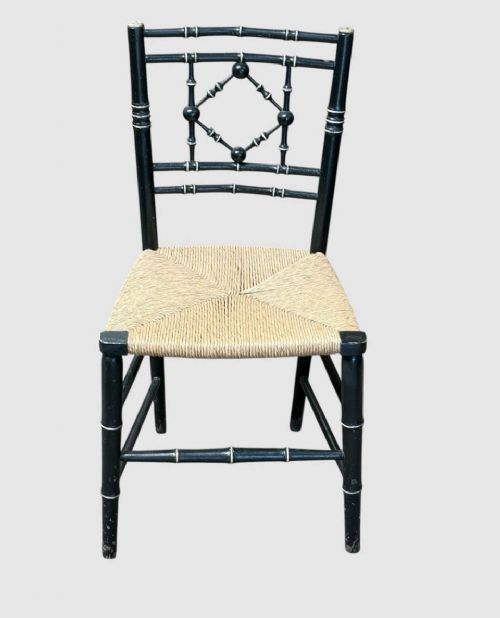
- A late nineteenth-century design style emphasising visual beauty over narrative or moral themes. Furniture in this style often incorporates simplified lines, ebonised finishes, or Japanese-influenced details.
- Hall Bench
- A long wooden seat intended for an entrance hall or passageway, often constructed from solid oak with high panelled backs and integrated storage or carved ornamentation.
- Rush Seat
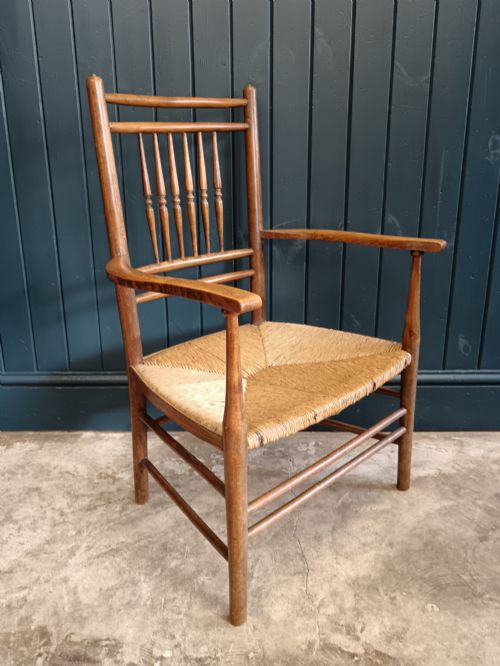
- A seating surface woven from dried marsh rushes tightly wound around a wooden frame. This technique appears frequently on Arts and Crafts fireside chairs and vernacular seating.
- Faux Bamboo
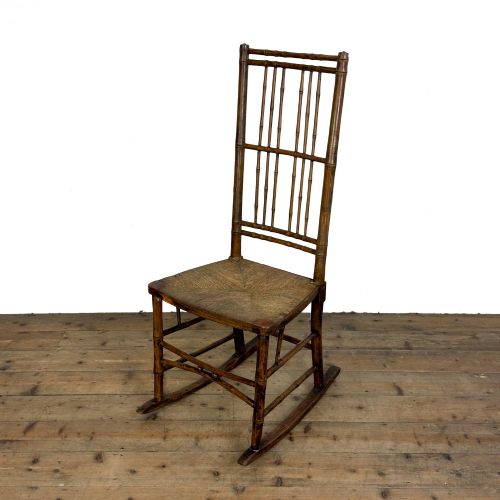
- A decorative treatment where wood is turned and carved to imitate the segmented stalks of natural bamboo. This finish reflects the nineteenth-century fascination with Asian design motifs.
Late Victorian Wooden Seat: Frequently Asked Questions
What woods were used for these seats?
Makers constructed these seats using a wide range of native and imported timbers suited to specific forms. Oak, mahogany, walnut, and satinwood provided dense materials for formal and decorative furniture.
Elm and beech frequently appeared in vernacular and farmhouse seating due to their strength and flexibility. Additional materials like brass, cane, rush, and woven rattan were incorporated for hardware and seating surfaces.
How do I identify the Arts and Crafts style?
Arts and Crafts pieces emphasise honest construction, visible joinery, and natural wood grains rather than excessive surface ornamentation. You will often find spindle backs, rush seats, and unpretentious utilitarian forms.
This movement valued traditional craft methods over industrial mass production. The resulting furniture prioritises durability and simple, functional design.
Where were hall benches used originally?
Hall benches were placed in entrance halls and vestibules of large homes to provide seating for visitors waiting to be received. They often doubled as storage chests or featured tall, carved backboards.
Because they stood in public areas of the house, these benches frequently received more decorative carving than everyday kitchen seating. They combined architectural presence with practical utility.
Are Windsor chairs comfortable?
Windsor chairs achieve comfort through their ergonomically sculpted wooden seats and steam-bent bowed backs. The saddle-shaped seat distributes weight evenly across the solid elm.
While they lack upholstered cushions, their thoughtful carpentry provides surprisingly supportive seating. Many farmhouse and kitchen examples were designed for prolonged daily use.
What defines Aesthetic Movement furniture?
Aesthetic Movement seating combines clean structural lines with artistic detailing, influenced by Japanese design and contemporary art. Pieces often feature ebonised finishes, geometric carving, or bamboo turning.
This style rejected heavy Victorian upholstery in favour of lighter, more graceful forms. The focus rested on visual harmony and refined craftsmanship.