





Dark Wood Accent Stool
A dark wood accent stool offers a compact surface or perch, bringing deep tones and tactile grain into a corner or beside a chair.
Dark Wood Accent Stool
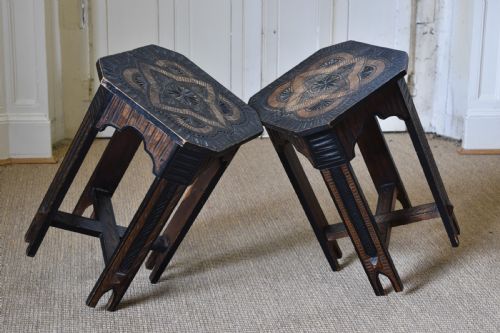
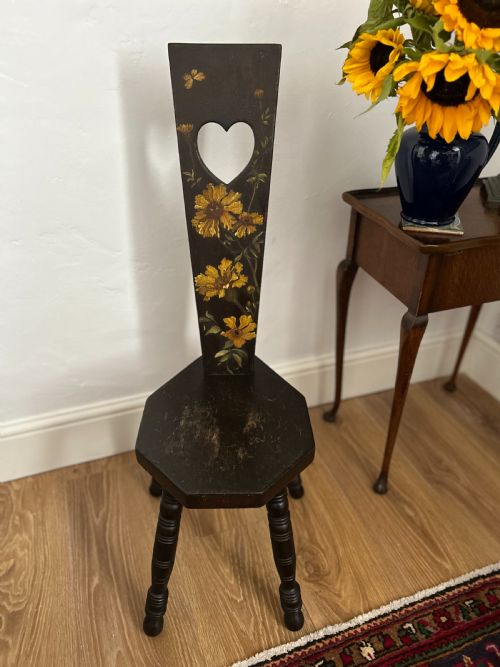
A dark wood accent stool encompasses small seating pieces and low stands drawn from periods ranging through the Georgian, Victorian, and Edwardian eras, alongside various international traditions. You will encounter forms such as joint stools, low occasional tables, and carved perches executed in dense timbers.
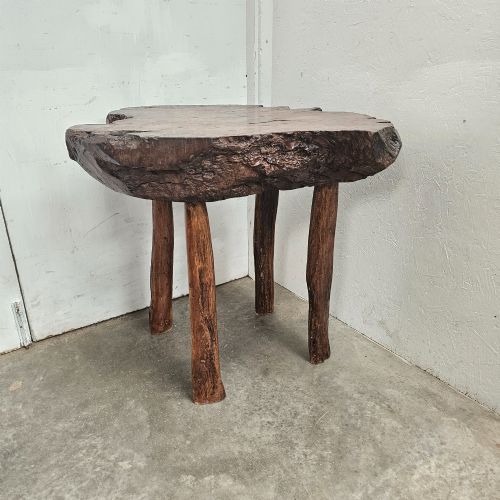
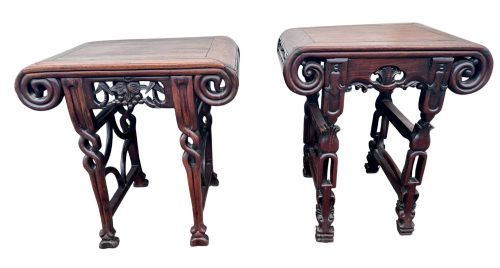
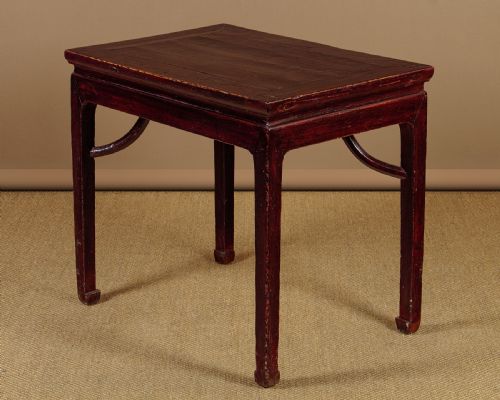
The selection here draws heavily on global and regional workshops, featuring Anglo-Indian colonial pieces, Chinese hardwood items, and African tribal carvings alongside domestic Gothic Revival and Arts and Crafts examples. These versatile items function equally well as low side tables, plant stands, or occasional seating.
Most pieces date from the nineteenth and early twentieth centuries, displaying solid construction suited to regular use. Buyers often select them to anchor a corner or provide a portable surface next to larger upholstered furniture.
How they were made
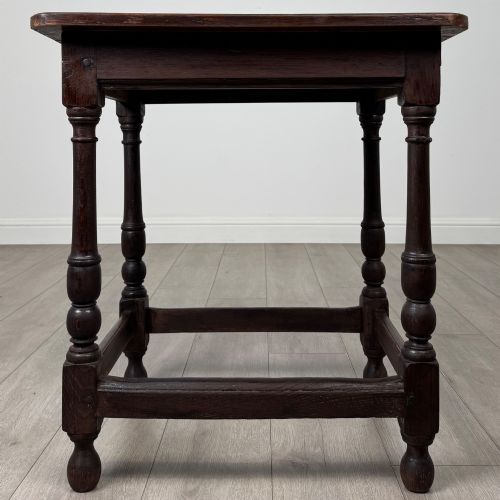
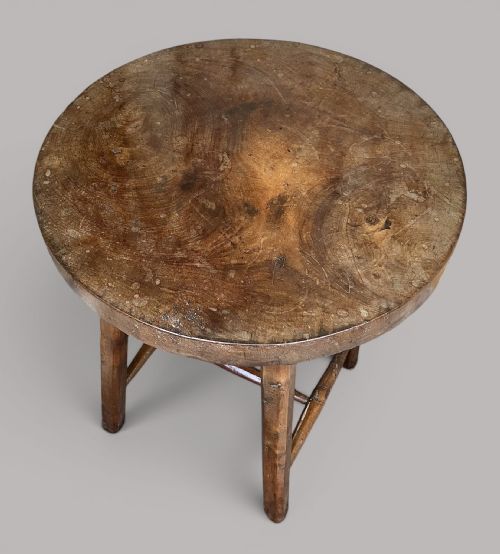
Makers utilised dense timbers such as oak, rosewood, walnut, ash, and elm, selecting them for strength and deep natural colour. These woods were frequently shaped by hand, employing traditional joinery like mortise and tenon connections.
Surface elaboration involved chip carving, hand painting, or turning on a lathe to create legs and stretchers. Certain regional pieces incorporate bone inlay or marble inserts, secured directly into the solid wooden frames.
Some walnut perches designed for nineteenth-century cock-fighting now serve quietly as low seats by the fire.
What varies in quality
Quality rests in the selection of the timber and the crispness of any carved decoration, where deep, deliberate chiselling separates superior work from softer execution. The integrity of the underlying joinery determines whether a piece remains rigid under daily weight or use.
Provenance and stylistic coherence also set examples apart, particularly in pieces bearing specific regional motifs or documented maker attributions. Finer items retain their original surface patination and uncompromised structural components without modern replacement parts.
James Shoolbred·Gillows
The Dark Wood Accent Stool Glossary
- Joint stool
- A sturdy wooden stool constructed with mortise and tenon joints, common in early domestic interiors. These pieces often feature pegged stretchers beneath the seat for added stability.
- Prie dieu chair
- A low devotional chair featuring a high, narrow back designed for kneeling or leaning during prayer. Victorian examples frequently utilise rosewood or walnut.
- Sgabello chair
- An Italian Renaissance-style wooden chair characterised by a high back and a base formed of solid trestles or boards rather than standard legs. The wooden seat is typically octagonal or polygonal.
- Burr timber
- Wood taken from a tree growth where the grain has curled in a deformed manner, producing complex, highly decorative patterns. It is sliced into veneers or used for small tabletops.
- Bone inlay
- The practice of recessing small pieces of carved bone into the surface of wood to create geometric or floral patterns. This technique appears frequently on Syrian and Anglo-Indian tables.
Dark Wood Accent Stool: Frequently Asked Questions
Are these stools sturdy enough to sit on?
Most pieces were built for functional use from solid hardwoods like oak or elm, ensuring they remain structurally sound for seating. However, delicate carved or inlaid examples function better as display surfaces.
Heavier joint stools and primitive designs handle daily weight easily, while lighter occasional tables suit books and small lamps.
How do I date a dark wood stool?
Dating relies on examining the timber preparation, tool marks, and construction methods, such as hand-cut tenons versus machine-made joints. Stylistic cues like Gothic Revival tracery or Arts and Crafts simplicity also point to specific eras.
Comparative analysis with documented pieces from the Victorian or Edwardian periods helps narrow down the decade of manufacture.
Where should I place an accent stool?
These compact pieces fit easily into corners, narrow hallways, or beside a fireside armchair where floor space is limited. Their small footprint makes them ideal for holding drinks, plants, or decorative objects.
Matching the timber tone to existing furniture helps the piece anchor the space without overwhelming the room.
How do I care for antique dark wood?
Maintain the finish by dusting regularly with a dry cloth and avoiding placement near direct heat sources or strong sunlight. Natural oils and waxes help preserve the moisture and deep colour of the timber.
Harsh chemical cleaners should be avoided to protect the original patination built up over decades of use.