
Late Victorian Table
A late victorian table brings solid mahogany, walnut, and refined proportion into a room, offering both daily utility and period character.
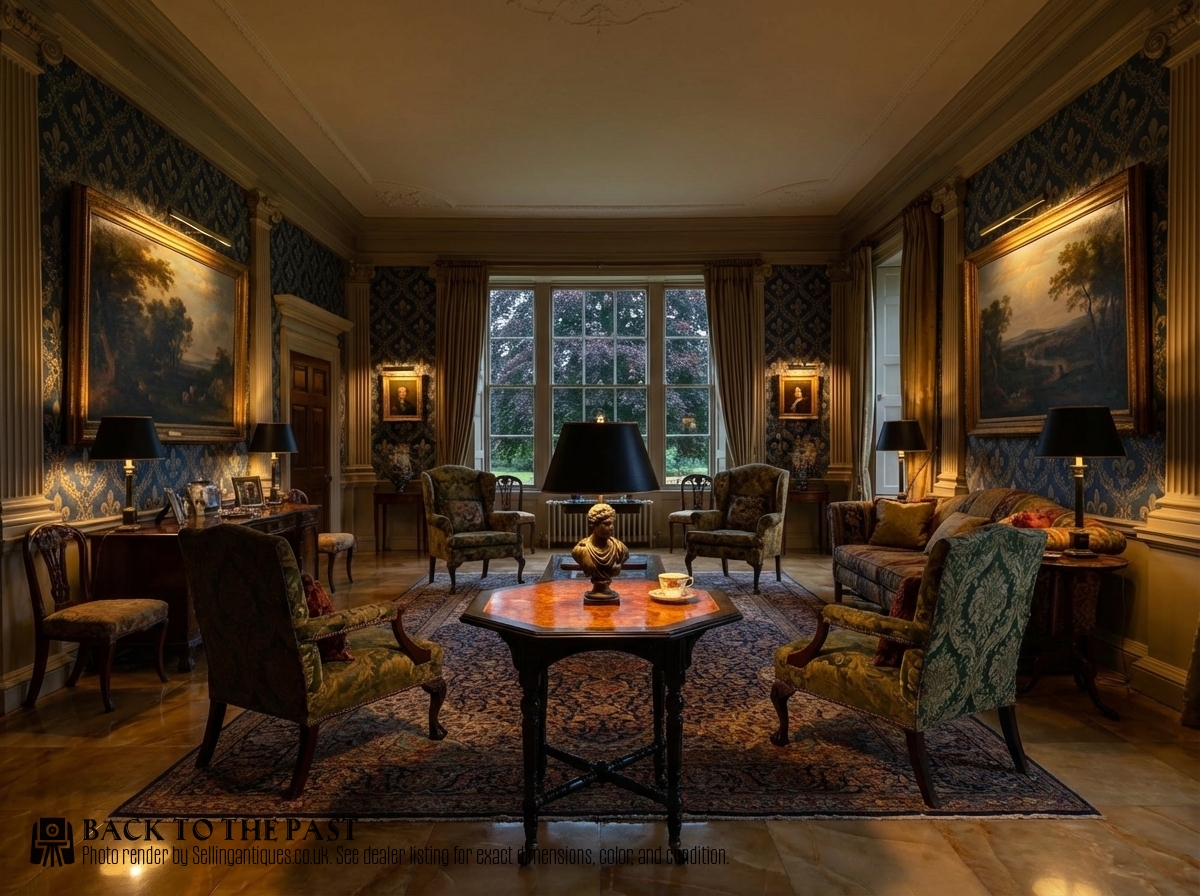
Late Victorian Tables
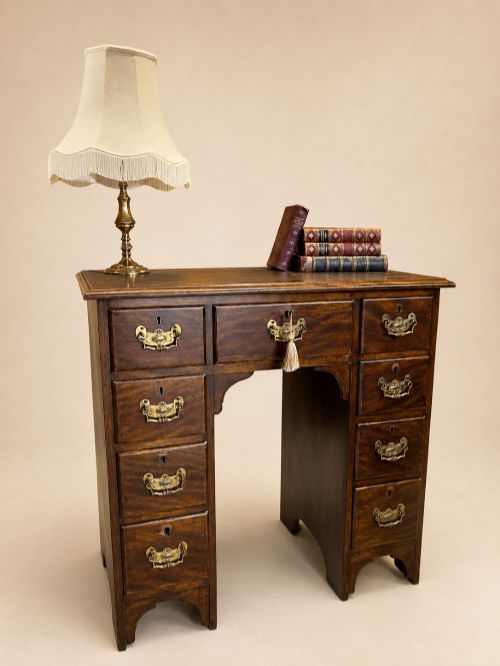
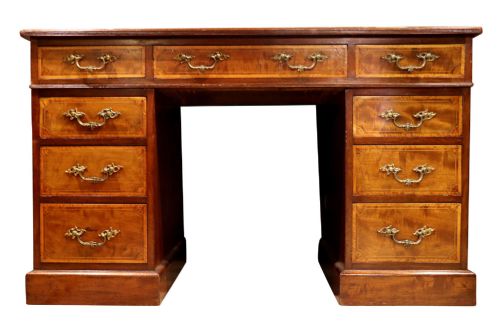
A late victorian table encompasses side tables, occasional pieces, and larger dining formats produced during the closing decades of the nineteenth century. These pieces reflect the tastes of the 1880s and 1890s, spanning straightforward domestic forms and more decorative designs.
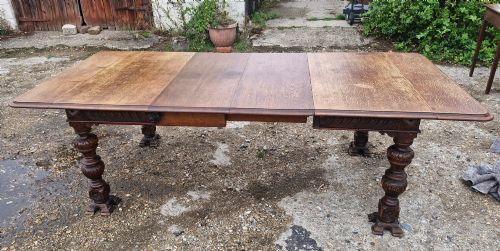
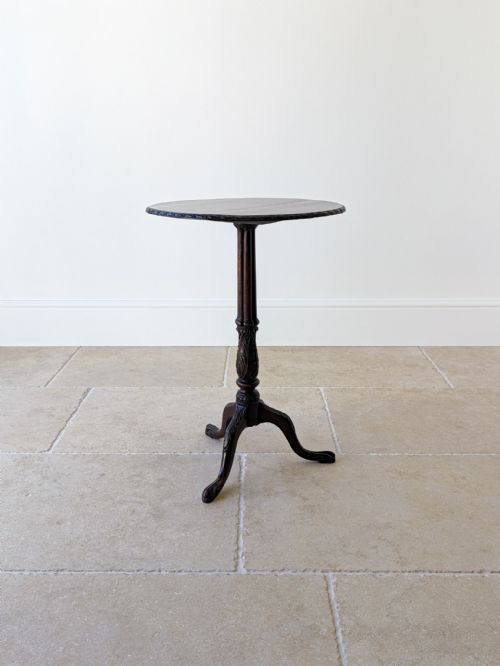
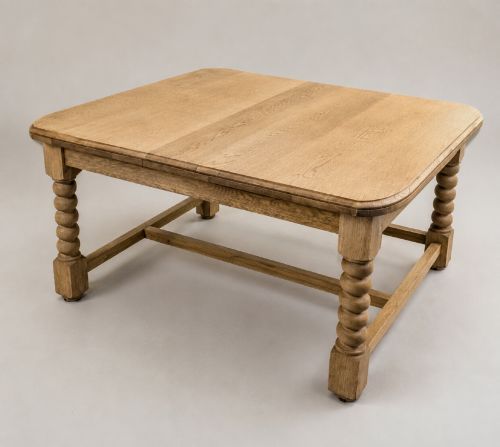
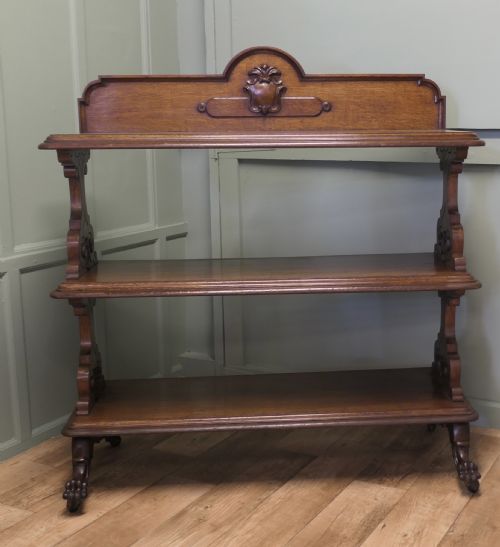
The side table and the occasional table dominate the selections encountered here, alongside larger extending dining tables. Makers of the period drew upon established forms like the Pembroke, the envelope card table, and the multi-tiered display stand.
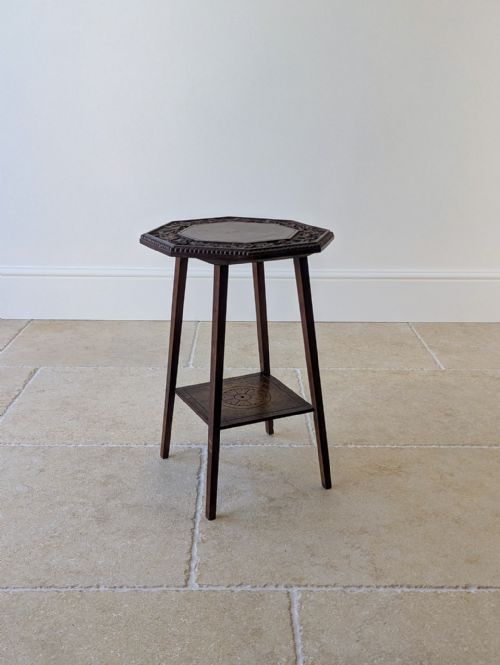
Origins remain rooted in British workshops of the Victorian era, often displaying the eclectic influences of the Aesthetic Movement. Buyers find everything from simple turned-leg occasional tables to intricate inlaid walnut and mahogany pieces.
Materials and Construction
Cabinet makers utilised dense timbers such as mahogany, walnut, oak, and ebonised wood to build these tables. Secondary elements sometimes incorporated brass mounts, ceramic tiles, or parquetry surfaces.
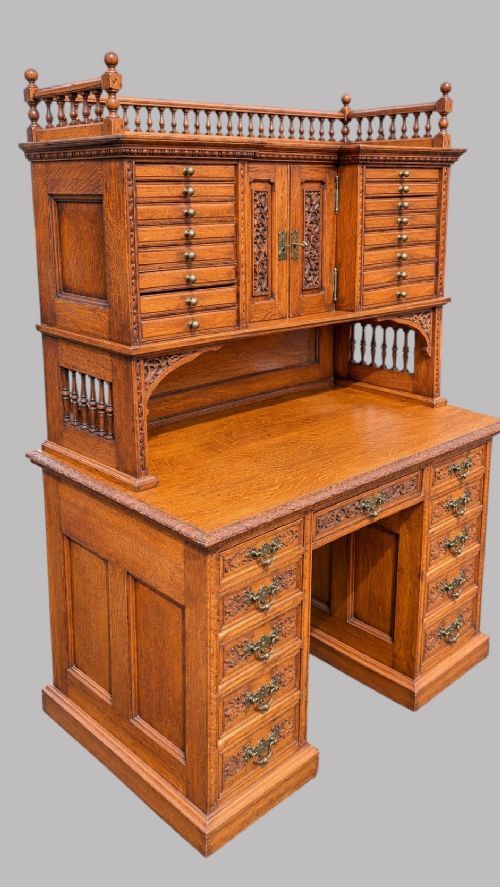
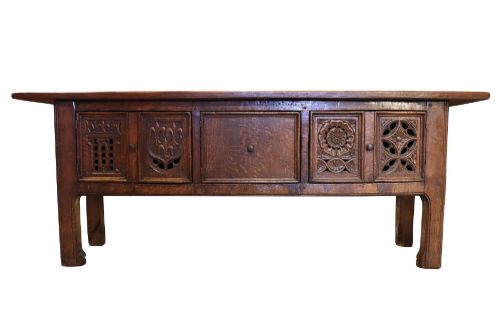
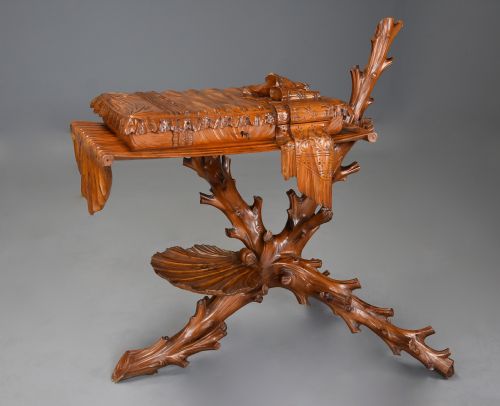
Joinery relied on traditional techniques like mortise and tenon frames, dovetailed drawers, and turned wooden components. Surfaces frequently received hand-carved foliate details, decorative inlays, or polished finishes that highlighted the natural grain of the wood.
Retail Price Guide 2026
Typical UK retail prices for late victorian table, calculated from the Sellingantiques database of over a million retail prices indexed since 2003. This retail price guide relies exclusively on Sellingantiques data; no external sources or auction records are used, so the figures do not describe the wider market.
Listings feature mahogany, ebonised wood, and brass across side tables, occasional tables, and dining tables spanning the Victorian era.
Assessing Quality
Excellence in a late Victorian table rests upon the selection of timber and the precision of its secondary decoration, such as fine satinwood stringing or hand-carved foliate relief. Superior examples demonstrate rigorous grain matching and stable, robust framing that resists movement over time.
The distinction between standard commercial output and finer workshop production lies in the handling of details, including turned legs, reeded edges, and original hardware. Pieces following specific design traditions command attention for their proportion and integrity of construction.
The Late Victorian Table Glossary
- Aesthetic Movement
- A late nineteenth-century design ethos emphasising visual beauty over narrative subject matter, often incorporating ebonised finishes and Anglo-Japanese motifs. It represents a distinct shift away from heavy high-Victorian ornamentation.
- Occasional Table
- A small, movable table designed for intermittent use around a sitting room or drawing room. These versatile pieces appeared frequently in late Victorian interiors for holding lamps or books.
- Side Table
- A utilitarian table meant to sit against a wall, frequently equipped with drawers or lower tiers. They served varied functions in dining rooms, halls, and libraries.
- Turned Legs
- Wooden supports shaped on a lathe to create cylindrical, spiral, or reeded decorative profiles. This technique added texture and classical proportion to the base of a table.
Frequently Asked Questions
How do I date a late Victorian table?
Dating relies on stylistic clues, construction methods, and materials recorded from the eighteen-eighties and nineties. Cabinet makers of this era blended traditional joinery with emerging aesthetic preferences.
Examine the secondary woods, screw types, and finish under natural light to understand the production era. Surviving trade labels or registration marks provide definitive verification when present.
Where should I place an occasional table?
An occasional table suits small spaces, sitting beside armchairs or against empty wall stretches. Their compact footprints allow them to function without crowding a room.
Keep these tables away from direct heat sources and strong sunlight to protect the polished wood surfaces. Regular light dusting maintains the original finish.
What is the difference between a side table and a dining table?
Side tables are smaller, fixed pieces designed for display or storage against a wall, often featuring drawers or multiple tiers. Dining tables are larger, engineered to accommodate seated gatherings.
Many dining versions include mechanisms for leaves to extend the surface area. Side tables remain static and prioritize decorative utility over expansion.