





Late Victorian Silver Salt
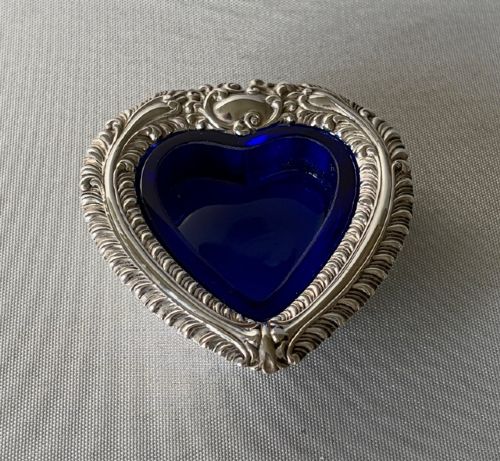
These late victorian silver salt vessels combine solid metalwork with coloured glass liners, offering a practical touch of nineteenth-century dining elegance.
Late Victorian Silver Salt
A late victorian silver salt search brings up small tableware items designed to hold condiments on the dining table, most frequently appearing as open glass-lined cellars or standing tubs. These pieces date from the nineteenth century, specifically spanning the decades around eighteen-ninety, and arrive either singly or as matched pairs.
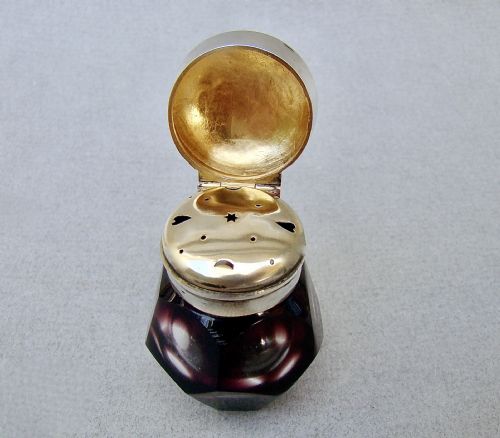
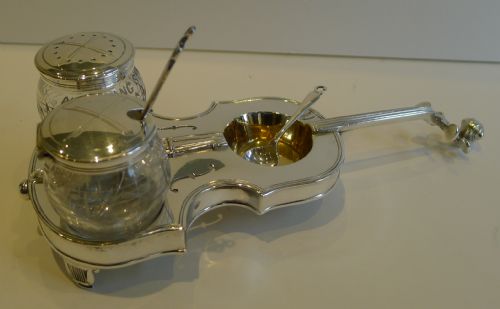
Beyond open cellars, the selection includes cruet sets, small bowls, and novelty items shaped like musical instruments or trays. Makers utilised sterling silver or silver plate for the frames, pairing them with contrasting coloured inserts.
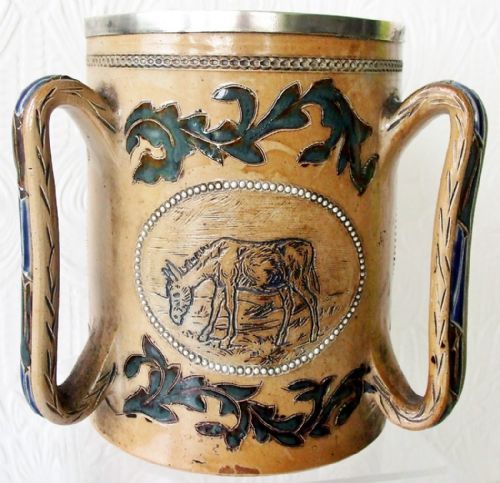
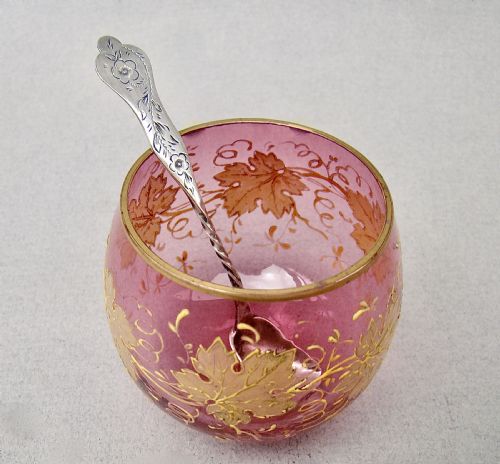
Glass liners in cobalt, cranberry, amethyst, and opaline feature heavily across the available forms, held within pierced or solid metal mounts. Stoneware examples also appear, showing the diverse manufacturing output of the period.
How they were made
Silversmiths of the period employed techniques such as casting, piercing, and embossing to shape sterling silver and silver plate into intricate frames. Metal mounts often incorporated floral motifs or geometric patterns typical of the nineteenth century.
Vessels relied on a combination of metalwork and blown glass, where glass liners were shaped to fit snugly inside pierced silver jackets. Specialised makers also combined stoneware and enamel with silver mountings to achieve varied surface textures.
Late Victorian Silver Salt Retail Price Guide 2026
Typical asking prices for late victorian silver salt among the pieces listed under this phrase on Sellingantiques today, from the lower quarter to the upper quarter. They describe what is for sale here now, not the wider market.
The period output spans open salt cellars, cruet sets, scent bottles, and novelty items shaped like violins or butlers' trays.
What varies in quality
Quality rests upon the crispness of the metal chasing and the structural integrity of the silver mounts holding the glass liners. Finer examples display heavier gauge silver and clean, precise piercing rather than thin, pressed sheet metal.
The choice of inner vessel also dictates the standard of the piece, with richly coloured glass liners or enamel work elevating the overall craftsmanship. Complete matched sets and undamaged original liners distinguish superior specimens from single or altered items.
Florence E. Barlow·Doulton Lambeth·Moser
The Late Victorian Silver Salt Glossary
- Sterling silver
- A silver alloy containing 92.5 percent pure silver and 7.5 percent other metals, usually copper. This standard composition forms the basis of most high-quality nineteenth-century tableware.
- Silver plate
- A thin layer of silver bonded to a base metal core such as copper or brass. This method offered an accessible alternative to solid sterling for larger dining items.
- Cruet set
- A matched group of small bottles, jars, or open cellars held together in a stand for condiments and sauces. These sets sat at the centre of the dining table for easy guest access.
- Cobalt glass
- Deep blue glass produced by adding cobalt oxide to the molten batch. It is frequently seen as the liner inside open salt cellars to create a strong colour contrast.
Late Victorian Silver Salt: Frequently Asked Questions
How do I clean tarnished silver salt mounts?
Use a soft cloth and a specialised silver polish, taking care to remove glass liners beforehand to avoid moisture damage.
Avoid harsh abrasive dips that can strip away the original patina built up over the nineteenth century.
Are glass liners original to the silver frames?
Original liners fit securely into the metal basket without excessive movement and match the period glass colours like cranberry or cobalt.
Replacements often show slight size discrepancies or modern glass manufacturing traits under close inspection.
How were salt cellars used on Victorian tables?
Dinners used open cellars alongside small spoons to sprinkle dry salt onto individual plates rather than shaking it from a vessel.
Guests relied on these small decorative tubs positioned around the dining setting during formal courses.
Can I use these silver salts for daily dining?
Modern salt causes corrosion if left in contact with silver or plate for extended periods, so thorough washing after use is essential.
Hand washing preserves the delicate glass liners and prevents the thin metal mountings from warping.